


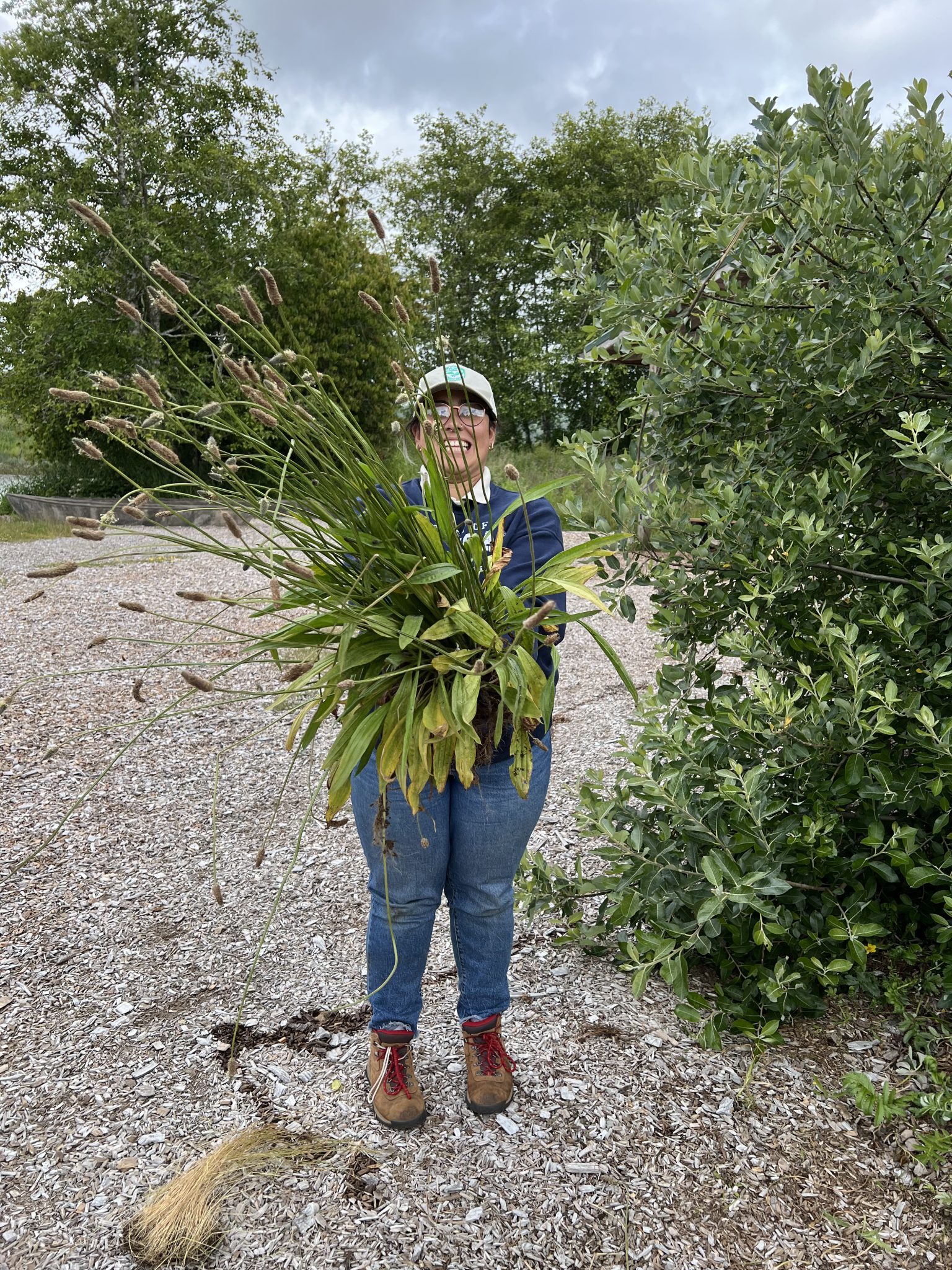
21 Jul Ethnobotanical and Demonstration Gardens: The Connection Between Culture, Plants, and Education
“Ethnobotany: The scientific study of traditional knowledge and customs of a people concerning plants and their medicinal, religious, and other uses” – Oxford Dictionary
Lewis and Clark National Historical Park utilizes ethnobotanical gardens to educate the public on a variety of plants found in various ecosystems in the area that are not only significant historically to the travels of Lewis and Clark, but still currently important and used frequently by the native communities in the area. There is one main ethnogarden located within the park at the south Netul landing, as well as some smaller plant specific patches and demo gardens. These gardens allow for visitors an opportunity to learn about history and traditions of the Northwest native communities through visual and hands-on learning.
Demonstration Gardens
Looking at the smaller ones first, the visitor center features a rain garden in the front that showcases many native plants such as Thimble Berries, Salmonberries, and Oregon Grape. Walking along the paths towards Fort Clatsop behind the visitor’s center there is a garden bed dedicated to kinnikinnick and one for Wapato. Both important and favored plants by the native people of the Northwest and described within the journals of Lewis and Clark.
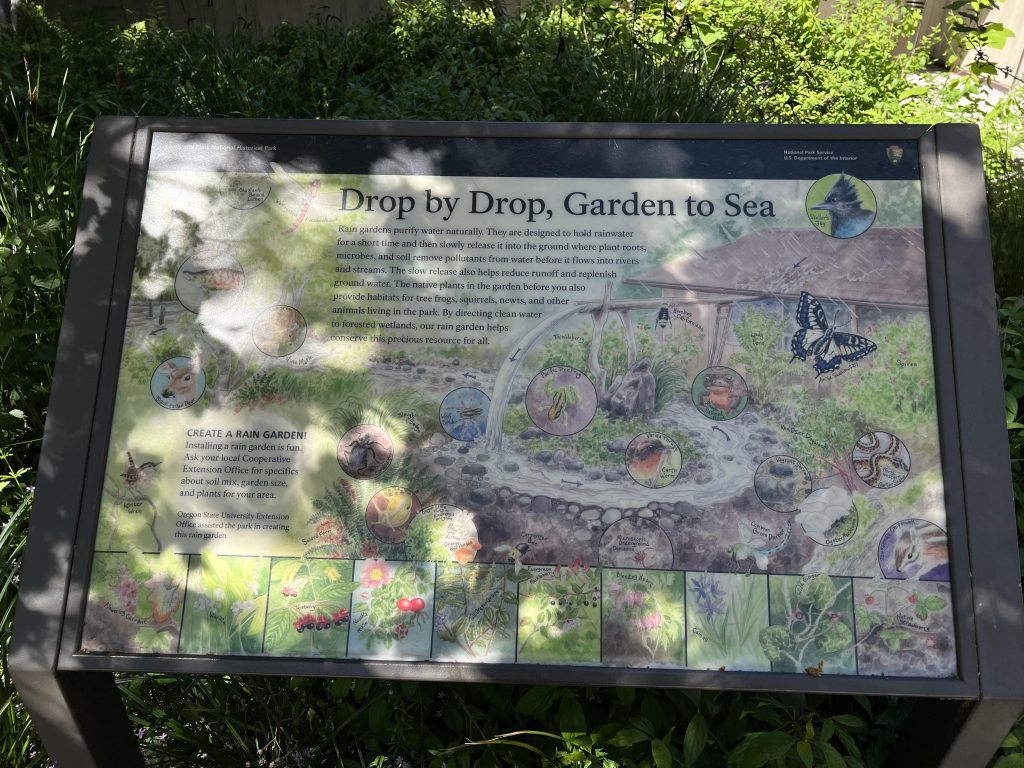
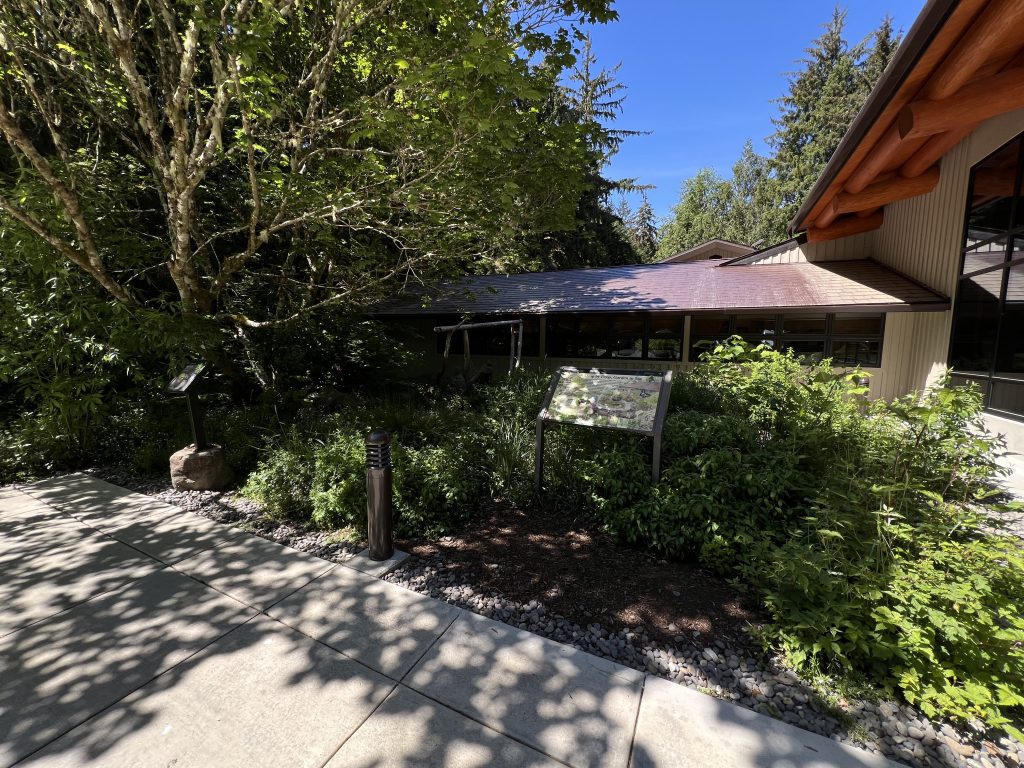
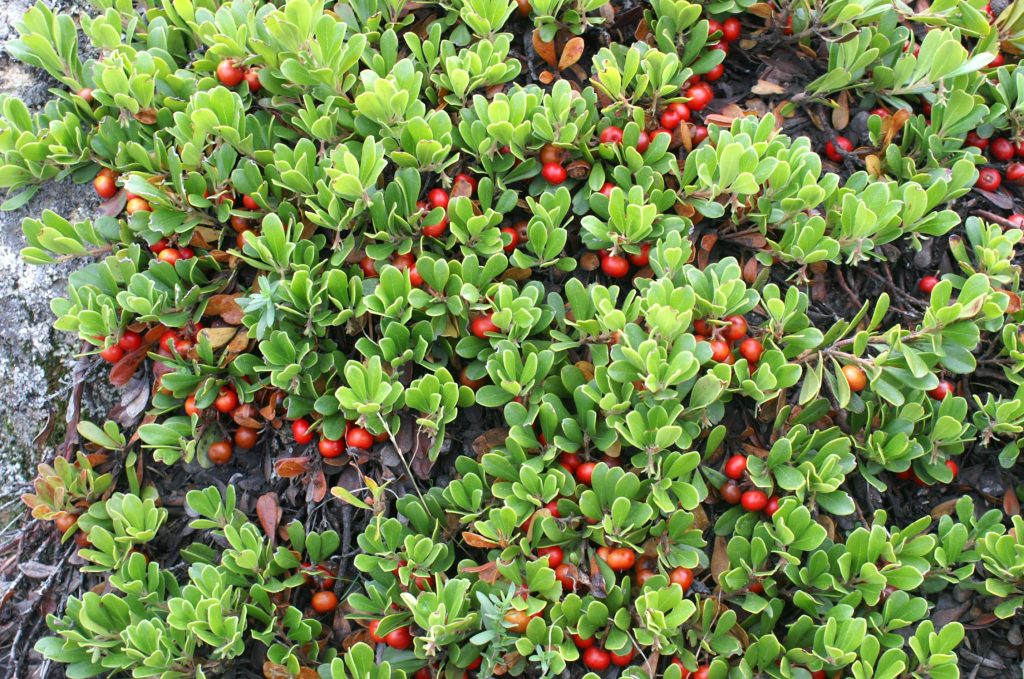
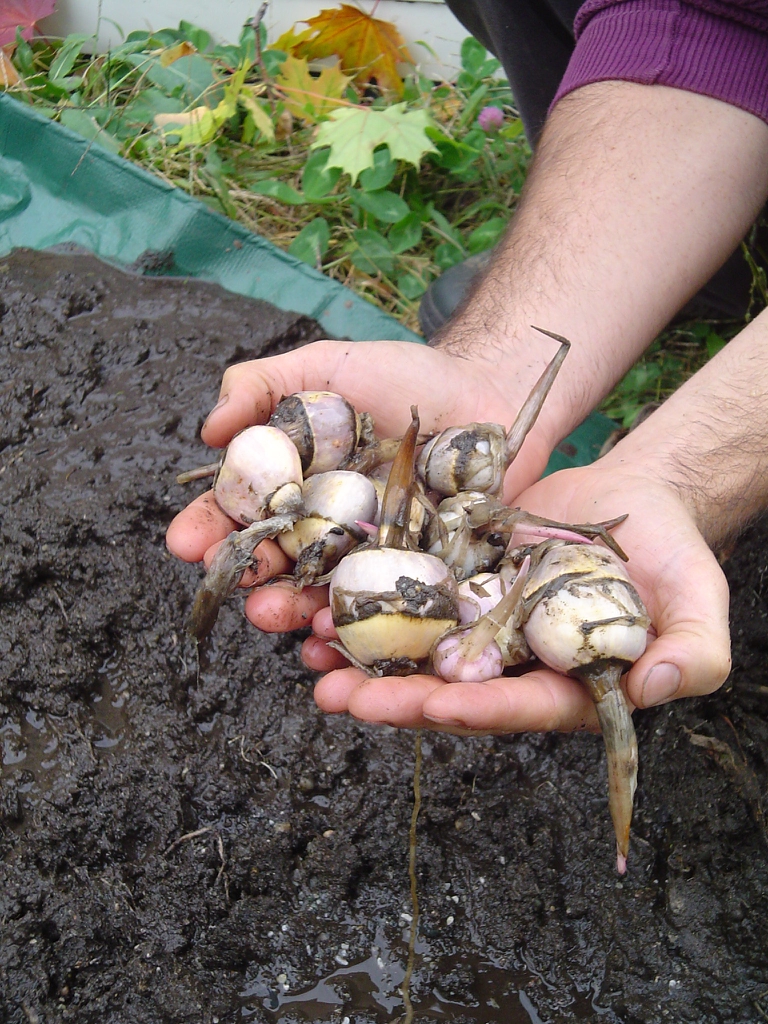
Kinnikinnick is an abundant ground cover plant that has glossy dark green leaves and red berries. The dried leaves and bark are typically used for smoking, and the berries are quite tasteless when uncooked but commonly are used within stews and other dishes. Wapato is typically a wetland plant with spade shaped leaves and a starchy tuber that resembles a small potato. These were an important aspect in why Lewis and Clark picked this area to settle for the winter, as the tubers added more nutrients into their diets and aided in survival. Being so similar to potato’s they are prepared in a similar fashion.

Ethnogarden
Within the main ethnogarden there are multiple patches or mounds of plant which represent different ecosystems and the plants found within them. The prairie patch is home to wild coastal strawberries, yarrow, and nodding onion. The forest patches display upland species such as Oso berry, Red Twig dogwood, Salal, and Nootka r0se. The wetland patch houses more Wapato, silverweed, skunk cabbage and camas. All of these plants have an important role as a vital food, material, or medicinal resource for the native peoples of this area. Check out a copy of our garden guide and brochure below (includes a garden layout map and list of plants with the associated mound number).
Sorry, the comment form is closed at this time.