


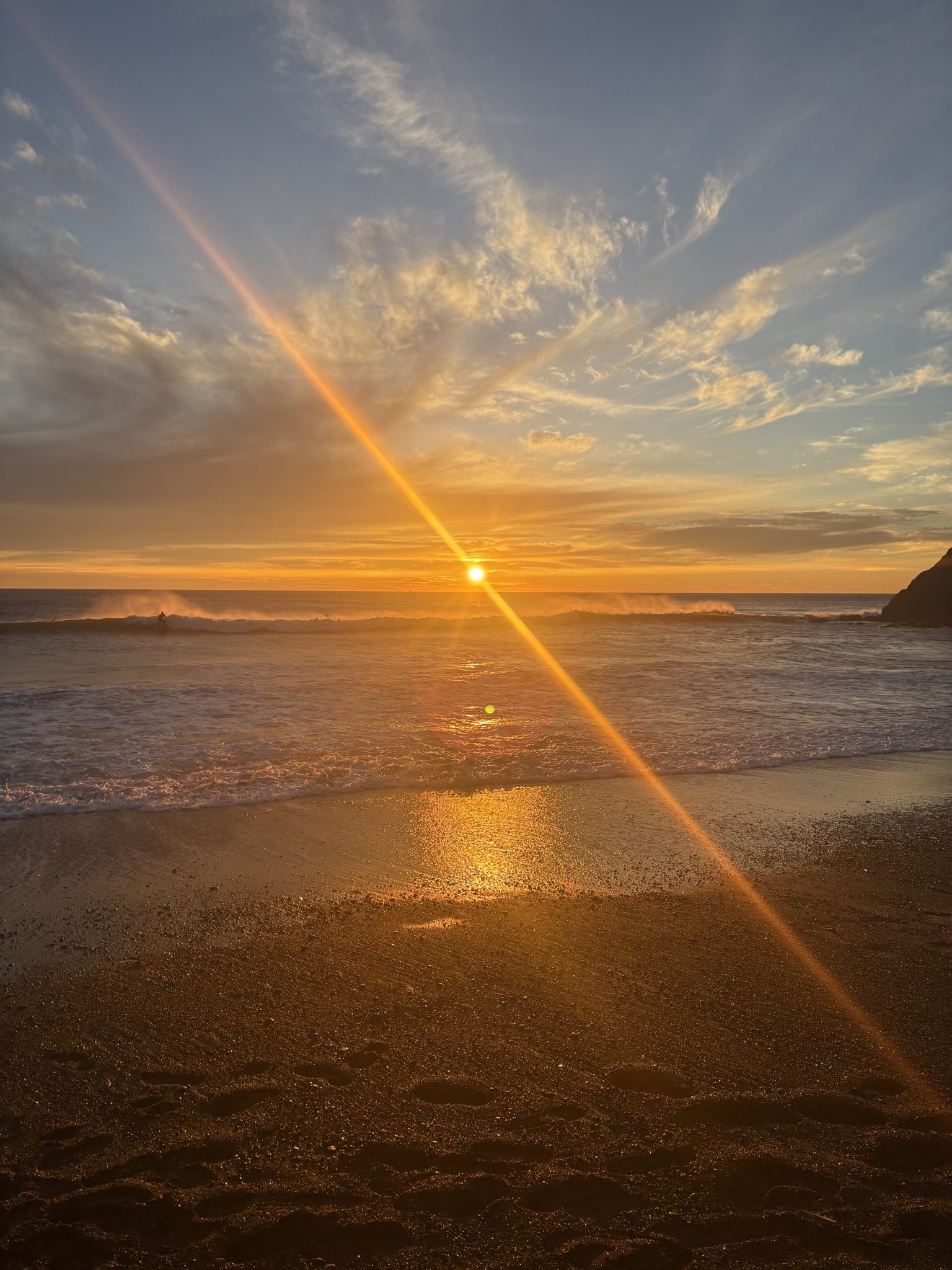
10 Jan Perla’s Path: The First Steps of Habitat Restoration
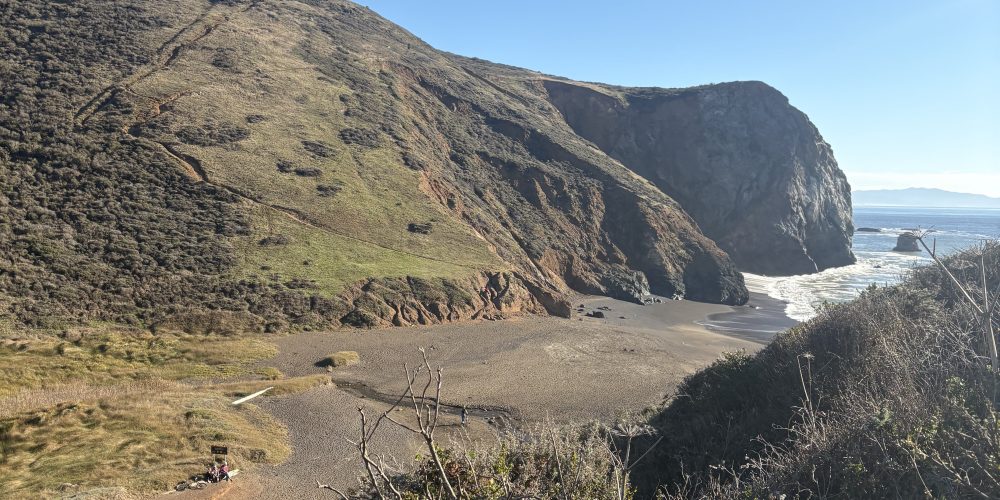
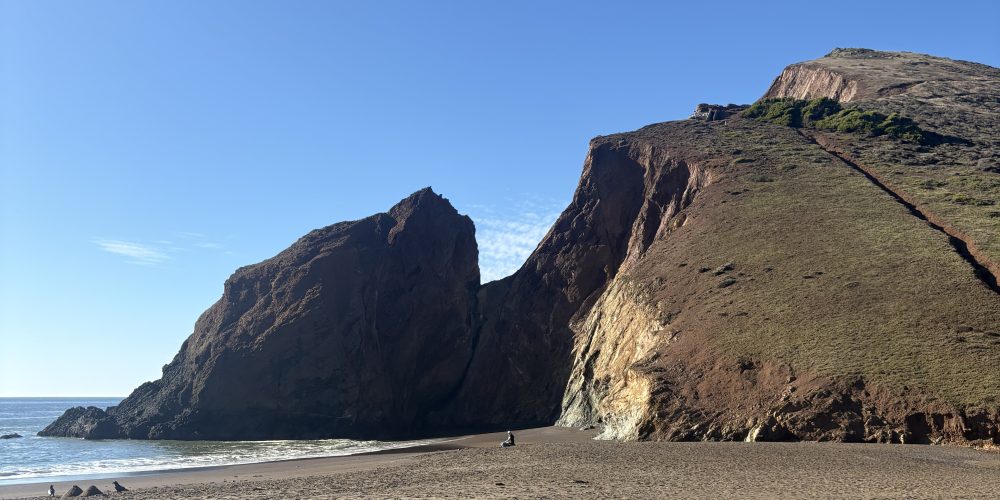
Tennesse Cove—Both pictures show the bluffs on the valley’s coast. In the spring, these bluffs are blooming with native wildflowers!
Hello there! My name is Perla Martos, and I am the new habitat restoration intern with the Golden National Recreation Area. As an intern, I will work alongside the South Marin vegetation team to help restore coastal, riparian, chaparral, and grassland habitats. Before introducing my work site, let me tell you a little about myself!
As the first Mexican-American in my family, the curiosity of my young parents nurtured my connection to nature. This curiosity ranged from swimming at the beach, hiking, and learning about different ecosystems! As beautiful as these experiences were, my parent’s motive was to foster a new intimate relationship with our new home, California.
This connection to the earth led me to pursue a higher education. I graduated with a Bachelor’s in Ecology and Evolutionary Science at UC Merced, where I enrolled to learn how to conserve and preserve nature. This has aided me with diverse interpersonal and conservation planning skills, from community engagement to habitat restoration.
My experience ranges from collecting data on rare native plants in Vernal Pools, mayflies’ abundance in streams, sudden oak death mortality rates, etc. Participating in such fieldwork taught me how even the smallest organism hugely impacts its ecosystem. I also became highly interested in California’s native flora, fauna, and fungi!
I have learned to steward and protect natural spaces while ensuring the public can safely access these open spaces. I’m excited to use my skills to restore my placement site, Tennessee Valley!
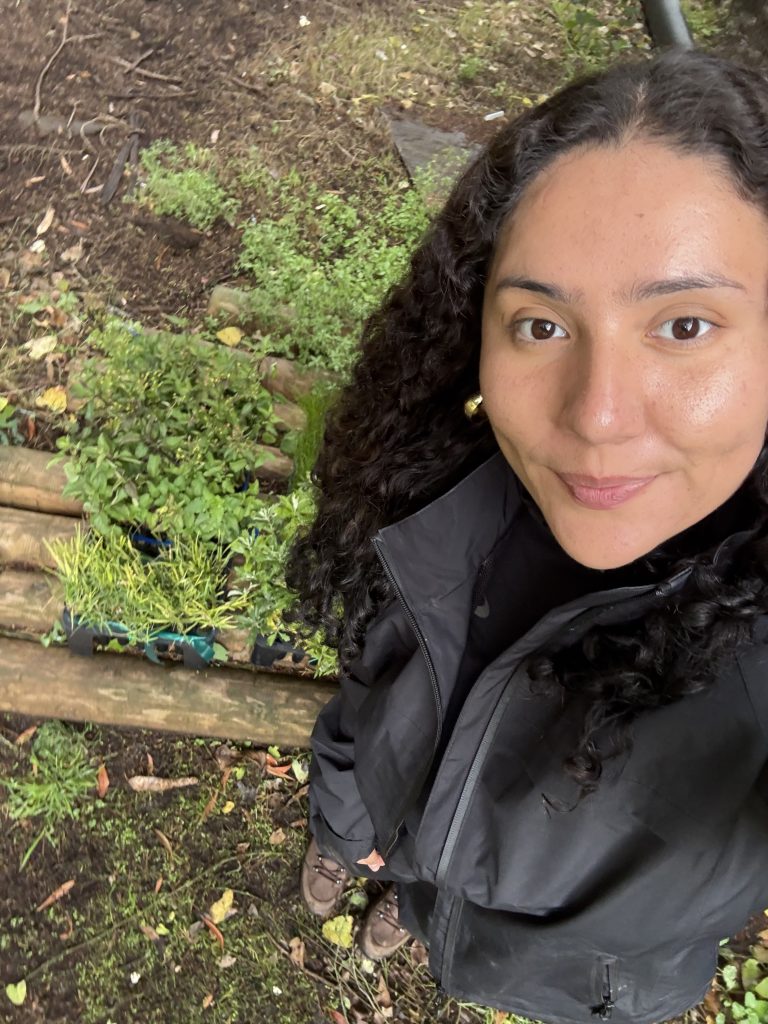
Restoration in Tennessee Valley
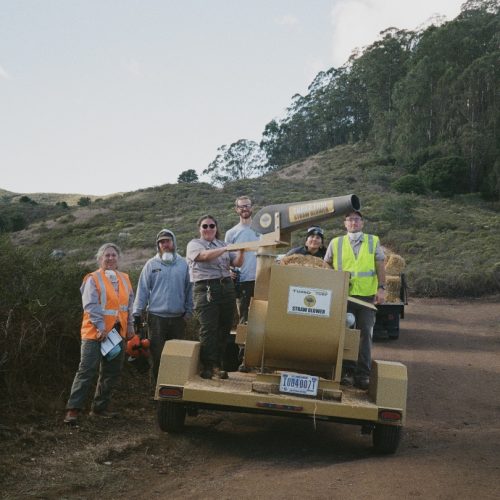
Tennessee Valley is quite the site so far! This valley has a range of grasslands, riparian zones, chaparral scrubs, meadows, and other vegetation, which means there is so much diversity here. A lot of the habitat restoration happening in Tennessee Valley is to ensure the preservation of biodiversity! The more diverse an ecosystem is, the more stable and healthy it is.
Diverse ecosystems have critical symbiotic relationships between different species. Such species rely on each other for food, shelter, and maintaining populations. A threat to any species in this habitat can negatively affect the ecosystem. Therefore, habitat restoration is essential to stewarding the biodiversity still present in the area.
As the South Marin Vegetation team, we actively restore degraded natural habitats to their former post-colonization state. Restoration efforts include:
- Reintroducing/planting native species
- Removing invasive species to reduce monoculture vegetation
- Managing environmental factors, such as water flow, erosion, etc.
I’m excited to see how our team and volunteers unite to restore the health of Tennessee Valley in the upcoming year!
Some people have concluded that the ecosystems present today have been resilient for many years by themselves. Since time immemorial, this land has been stewarded by the native people. At this time, let’s open this space to acknowledge that this is the unceded ancestral lands of the Coast Miwok people. This tribe is still present in our communities. The biodiversity present in the preserve today is due to their traditional land stewardship practices and care for the land. Due to colonization, construction, and trade, non-native invasive species were introduced. Restoration efforts are done to restore the biodiversity that was first fostered by the native people of the land and still continually is.
Riparian Zone in Tennessee Valley
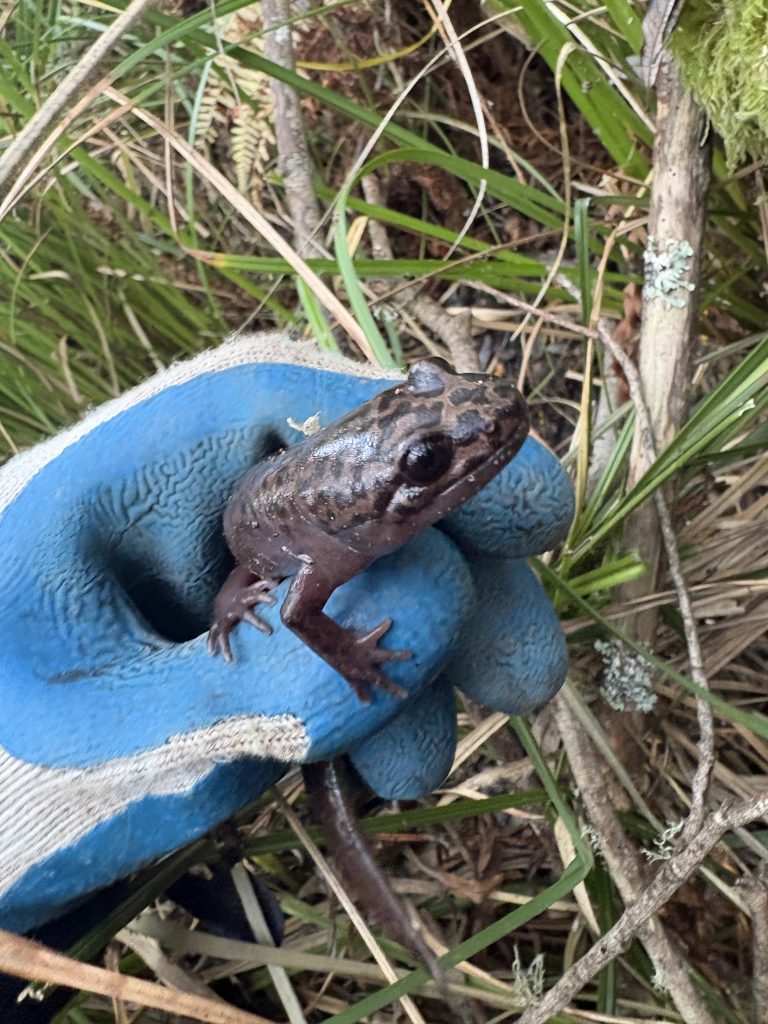
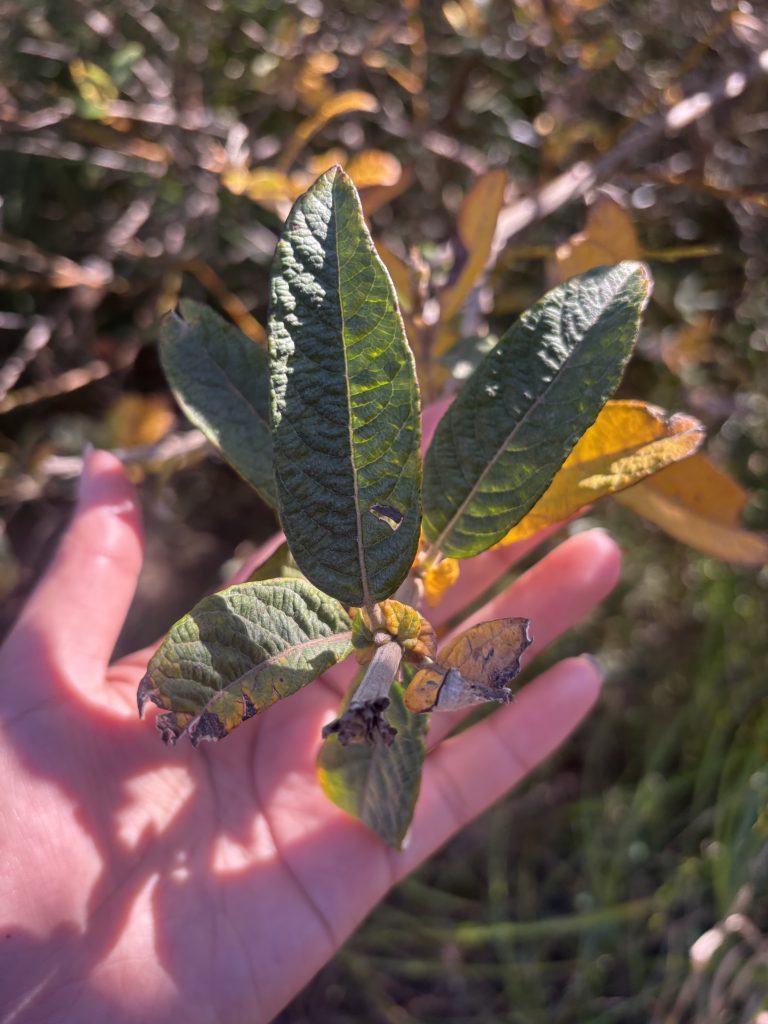
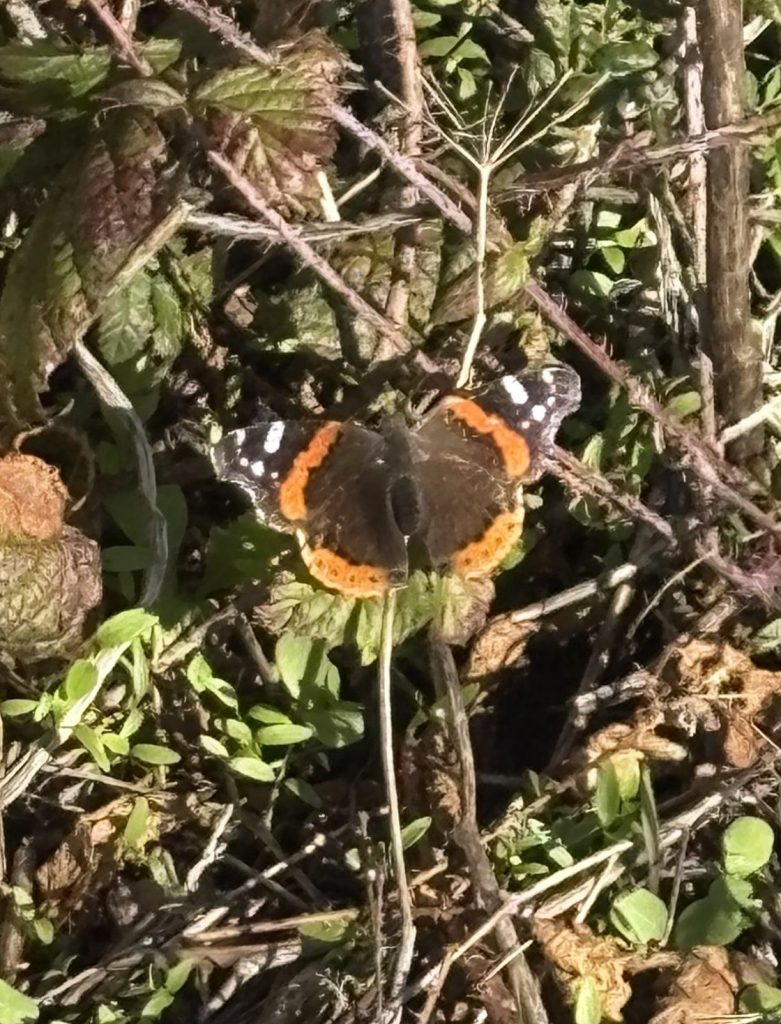
!Cool organism I found at Tennessee Valley!
Sorry, the comment form is closed at this time.