


05 Jun A New Beginning
These last few weeks have been a whirlwind of events. After embarking on a roughly 6 hour road trip and moving all our belongings from Eastern Washington to Newport, OR, April 7th would become a pivotal day for my family and I. Every single one of us started a new journey. April 7th would be my first day on the job at Yaquina Head, my wife’s first day at her new job, and our daughters first day of daycare. Luckily everything went smoothly and everyone made it back home in one piece.
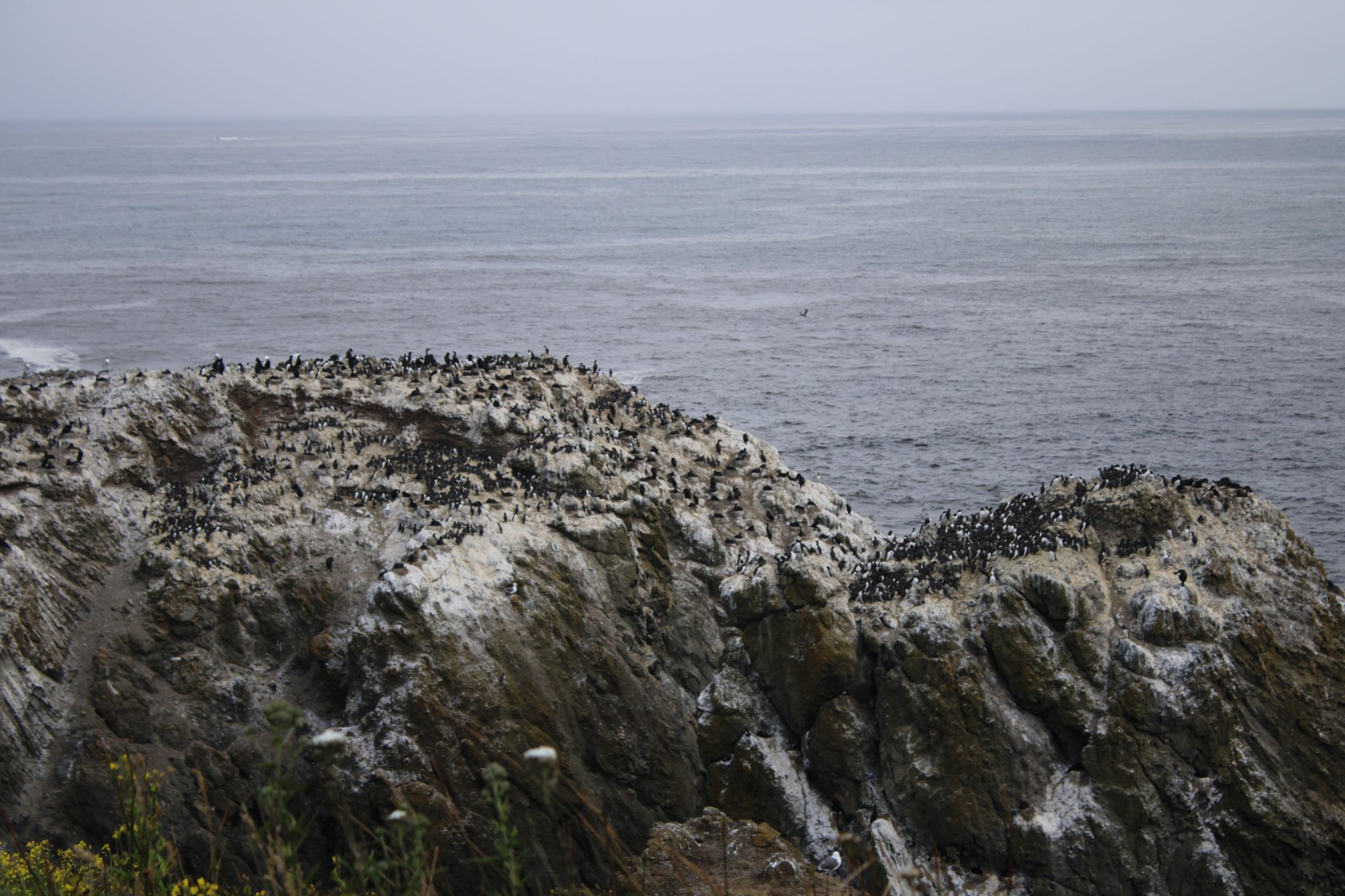
While I have had education and outreach positions in the past, I have never had a position so focussed on interpretation before. That being said, I have come to love it. Seeing people so genuinely interested in our wildlife has been very refreshing. Whether its birds, mammals, or marine invertabrates, everyone has something they are here to see. Facilitating conversations and answering questions when I can, or even just yappin’ about seabirds and how amazing they are. One of my favorite things to do so far has been taking out our spotting scopes and helping the public see and learn all about our beautiful feathery friends. Now if only we would get blessed by some Tufted Puffin or Arctic Tern sightings, my summer would be made.

Nothin’ but Nudes
When I learned about having the responsibility to write blog posts during this internship I decided I wanted to highlight wildlife. My natural reaction was to write about seabirds. Instead, I have decided to feature my second favorite type of animal found on the coast, Nudibranchs. Because who doesn’t appreciate a nice nude?! Nudibranchs, also commonly known as sea slugs, are carnivorous marine invertebrates. Common Nudibranch prey includes sponges, hydroids, anemones, corals, and even other nudibranchs (occasionally the same species). They are found all over the world on the coast in various shapes, sizes, and colors. Some unique Nudibranch structures include exposed gills and a pair of horn like appendages called rhinophores. Rhinophores allow Nudibranchs detect chemicals in the water. They help Nudibranchs locate food and mates, while also assisting them in avoiding predators.
Anyways, I don’t want to bore y’all. This is more about just how cool Nudibranchs look.
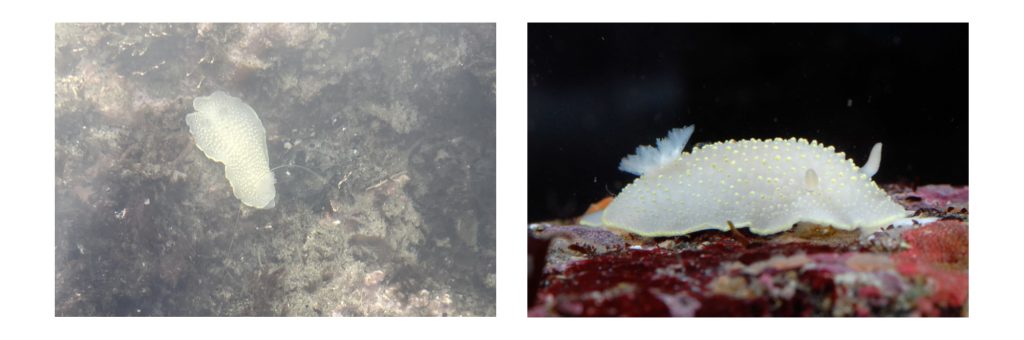
This weeks star of the show is Cadlina luteomarginata, commonly known as Yellow-Edged Cadlina. They can range from a cream color to pale yellow. Appropriately named after the color of the margin around its mantle, this same color can be found on its dorsal tubercles. Small, raised structures found on the back of some nudibranch species. The range of Yellow-Edged Cadlinas is along the Eastern Pacific Coast. Now I’ll shut up so you can admire its beauty!
Sorry, the comment form is closed at this time.