


07 Jun A Rainy Introduction to the Indiana Dunes (and Me!)
Hello friends!
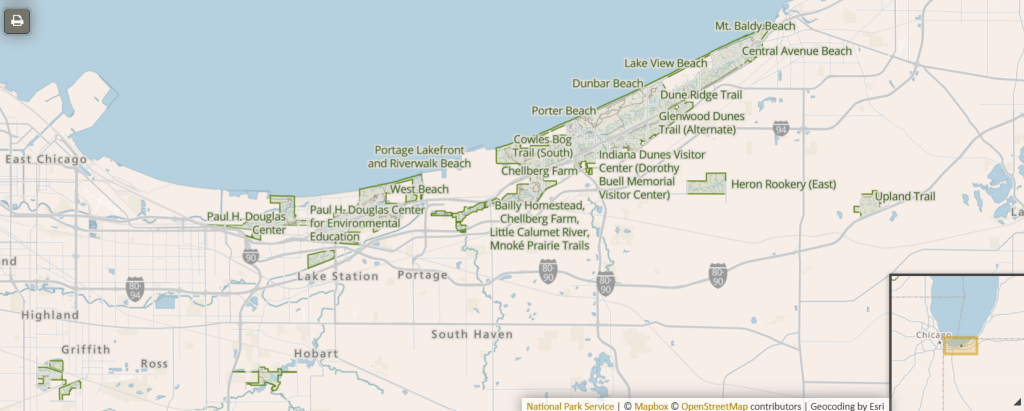
I’m Karli, and I’m so excited to meet you. This summer, I’m serving as a Let’s Go Birding intern with Birdability and Environment for the Americas at Indiana Dunes National Park, which is located in northwestern Indiana on the southeast shore of Lake Michigan. The park is on the ancestral and present-day land of the Sioux, Miami, Potawatomi, Kickapoo, Kaskaskia, and Peoria peoples.
Honestly, I never imagined I would find purpose in the natural world. Growing up, I often associated the outdoors with shame and the painful feeling of not being able to keep up with my peers. As I turned away from activities like competitive swimming that had once brought me joy, I also lost my connection to nature and the world around me. Although I found temporary comfort in video games and academics, there was always a sense of emptiness I couldn’t ignore.
Then, my education in anthropology at the University of Central Florida gave me a complete shift in perspective. In anthropology, humans are classified and studied as organisms within the animal kingdom (specifically as mammals and then primates). All of our interactions—our cultures, our traditions—they all exist within the context of the natural world. There is no meaningful separation between humans and nature, despite how much we like to think there is. The millipedes that make their way inside Florida houses after a rainy day are proof enough; down to even the smallest organism, we are all a part of the environment.
The sense of emptiness—the thing that was missing all along—was my ability to meaningfully connect with nature and the other animals I share the planet with. And when I started going outside again, walking around Lake Underhill Park in Orlando, I realized that there is a place for me after all, outside among the birds and the bugs.
Still, I also realized that I was fortunate to have a place like Lake Underhill Park’s walking path to dip my toes back into going outside. Not only is it beautiful and teeming with wildlife like American alligators, American river otters, and a variety of bird species (including one of my favorites, the common moorhen or “swamp chicken”), but it’s also a wide, paved path on even terrain with abundant seating, bathrooms, and public sources of drinking water. Without those accessibility features, I would have never discovered my love of birds—or even how much I missed feeling the sun on my skin.
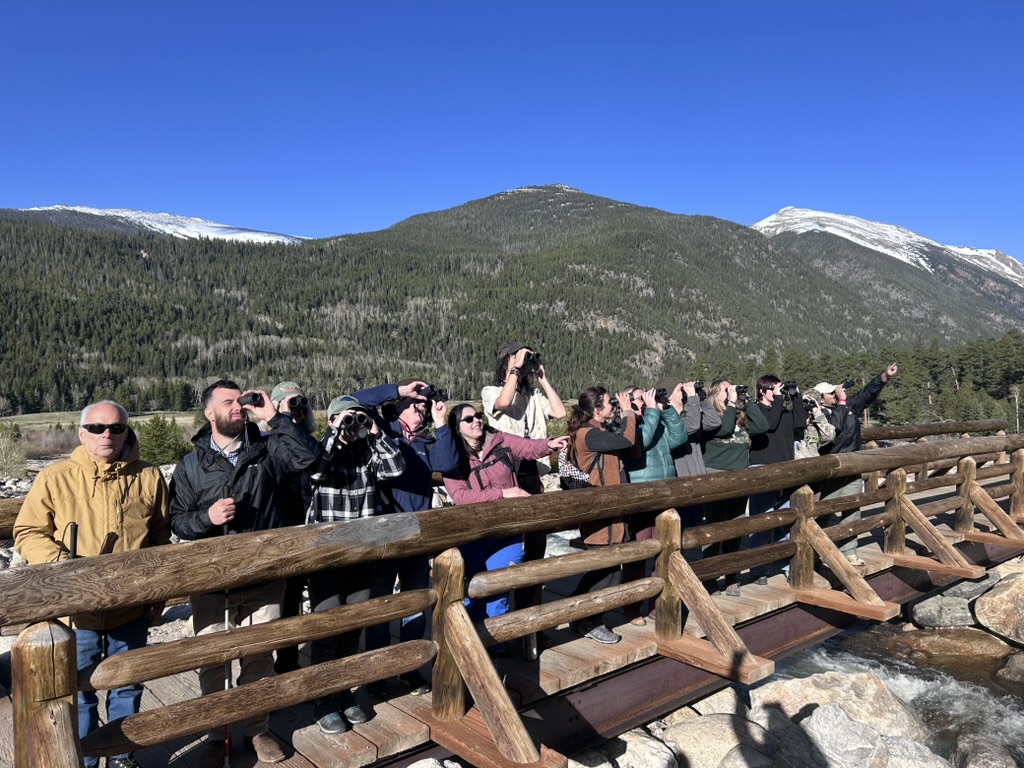
When I learned about Birdability’s mission to ensure that the birding community and outdoors are welcoming, inclusive, safe, and accessible for everybody [2], and that they were working with the National Park Service through the Let’s Go Birding internship program to review park facilities and develop accessible programming, it felt (and still feels) like the opportunity of a lifetime. The importance of this work was reaffirmed when I recently spent a week training with the other interns and learning from guest presentations at Rocky Mountain National Park in Estes Park, Colorado. I got to see firsthand how invested all of my new friends are in executing Birdability’s mission at their respective sites, bringing their own experiences with disability and exclusion to the table as a driving force in their work.
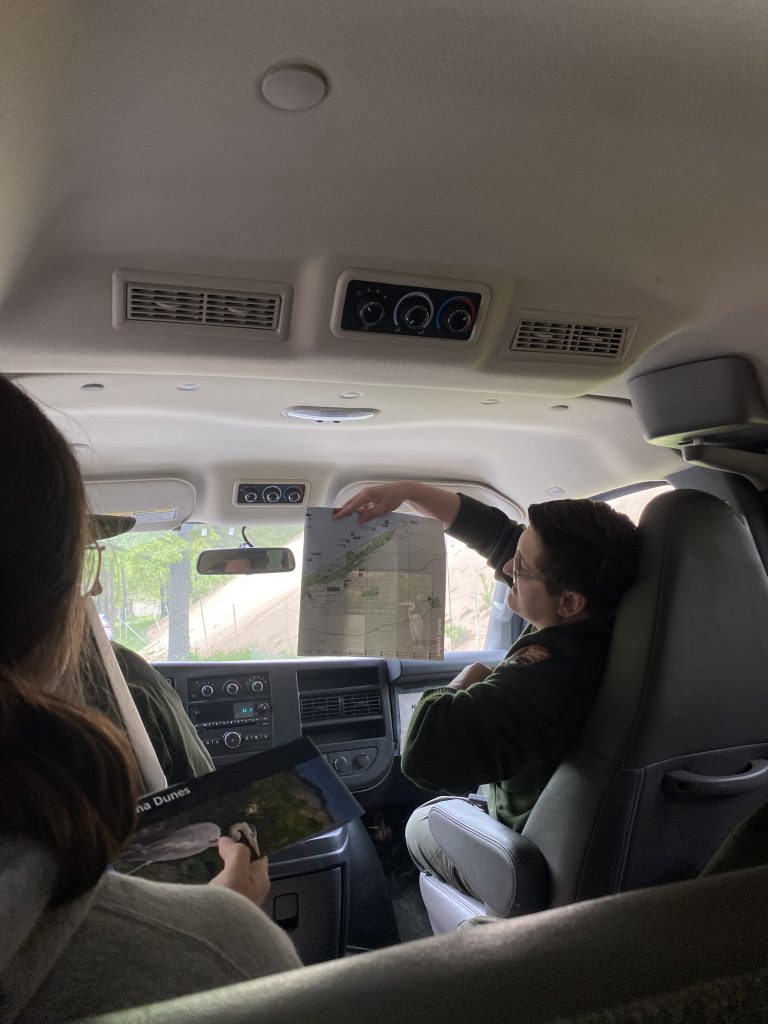
Now, I’ve finally settled into my housing at the Indiana Dunes site. Since Tuesday morning, it’s been raining nonstop, but that didn’t prevent our park supervisors and interpretive rangers, Kelly Caddell and Andy Van Camp, from giving us the grand tour of the Dunes and surrounding towns in an NPS van. Truthfully, it’s all been very overwhelming, and I’m still processing the last few days. But even in the short amount of time that I’ve been here, I’ve seen so many things that make me excited for the summer ahead.
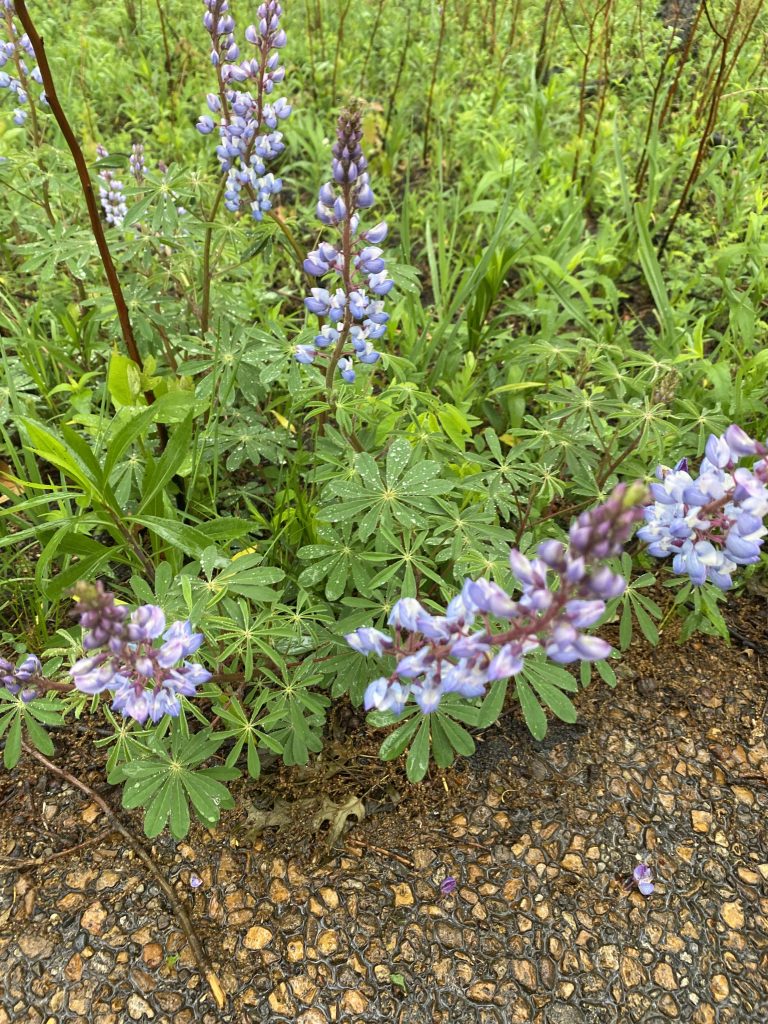
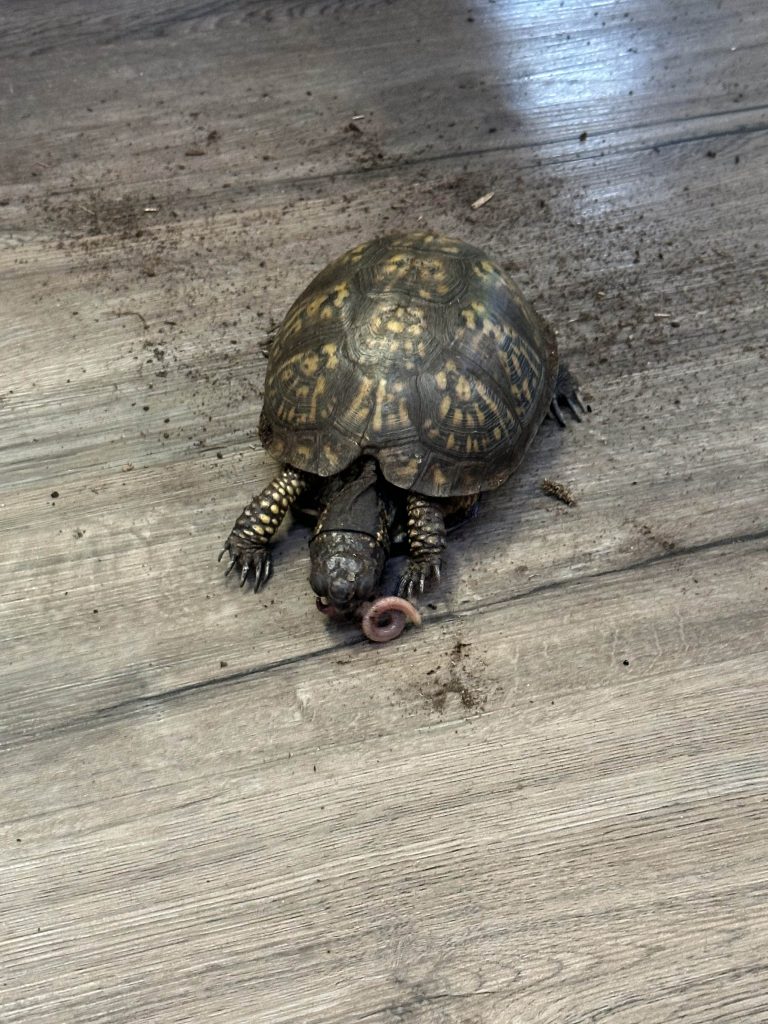
In what’s a relatively small amount of space, the Dunes have so many different habitats, and a variety of diverse animal and plant life to match. Despite the rain, I saw a nesting pair of great blue herons and their downy chick, though only through my binoculars. We also visited the Indiana Dunes Visitor Center and the Paul H. Douglas Center for Environmental Education; the latter hosts live animal exhibits, such as Cleo the box turtle (a worm-chomping legend pictured above). I’m eager to see what the summer holds, and I’m already thinking of ways to help other people enjoy this beautiful space.
Till next time,
Karli
Resources:
By entering your location on this website, you can find which Native tribes the land belongs to: https://native-land.ca
Learn more about the bird species at the Indiana Dunes National Park here: https://www.nps.gov/indu/learn/nature/birds.htm
Works Cited:
1. National Park Service. “Maps.” National Parks Service, U.S. Department of the Interior, 2025, www.nps.gov/indu/planyourvisit/maps.htm.
2. Birdability.org. “What We Do.” Birdability, 2022, www.birdability.org/what-we-do.
3. Pictures of van tour and purple lupine blooms by Adelaide Lazarski, my fellow Let’s Go Birding intern
4. Picture of Cleo the box turtle by Amelia Grabanski, a seasonal ranger stationed at the park
Garret Wiseth
Posted at 15:29h, 11 JuneFun stuff Karli🤙. I’m jealous :)