


15 Jul Goodbye Spring, Hello Summer
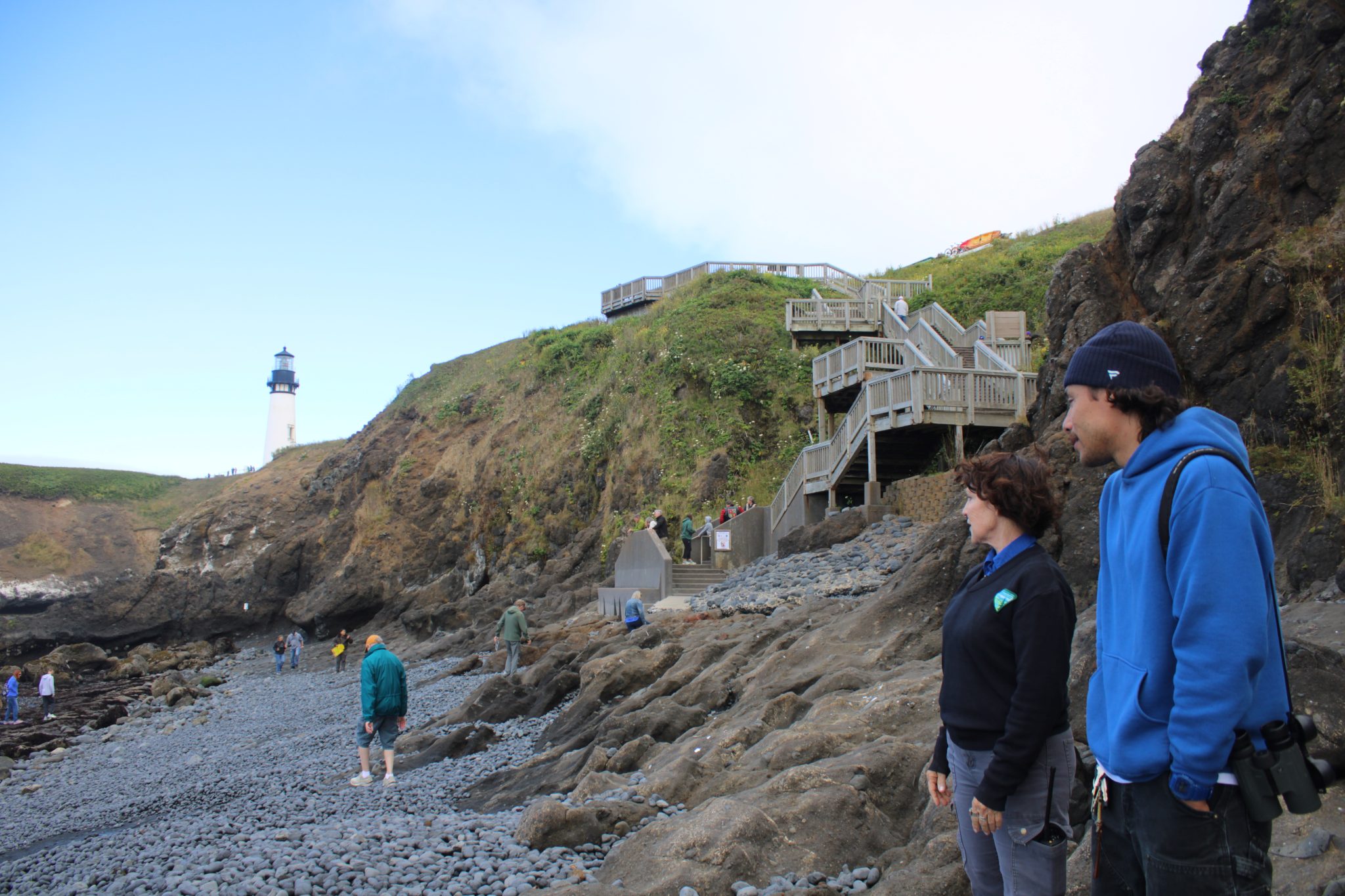
Where has the time gone? The start of summer means a lot of things at Yaquina Head Outstanding Natural Area. The park gets more visitors, the tides are lower, the weather gets warmer (Some would say hot, if you’re a coastie), and nesting season is in full effect. It has been interesting to watch YHONA change over the last few months. As an observant person by nature, I catch myself just staring at random things and thinking to myself, that wasn’t like that before. Or, where did that come from?
That being said, my tasks at the park have stayed relatively the same. A typical day this time of the year means I wake up at 5 in the morning to be at the park by 6 to monitor our nesting seabird colonies. We finish our survey around 10, I take a lunch, and then my day begins at the park. Day to day this may change but it typically includes interpretation of some sort. I may be at the tide pools during low tide, with a spotting scope on the headland looking at seabirds or harbor seals, handing out stickers and magnets at the Interpretive Center with my new friend Natalee, or even on nest watch (long story short, Black Oystercatchers decided to nest ON our beach so now we have to block it off from the public and schedule staff to make sure people respect our signs that block the area off). I often joke around with people and mention how Black Oystercatchers have taken over my life, but it seems to be less of a joke and more of a reality as time goes on…I love it.
When I first started these blog posts I chose to highlight nudibranchs, but just like the seasons, things have shifted. Moving forward I will be highlighting none other than the Black Oystercatchers at YHONA.
BLahOY
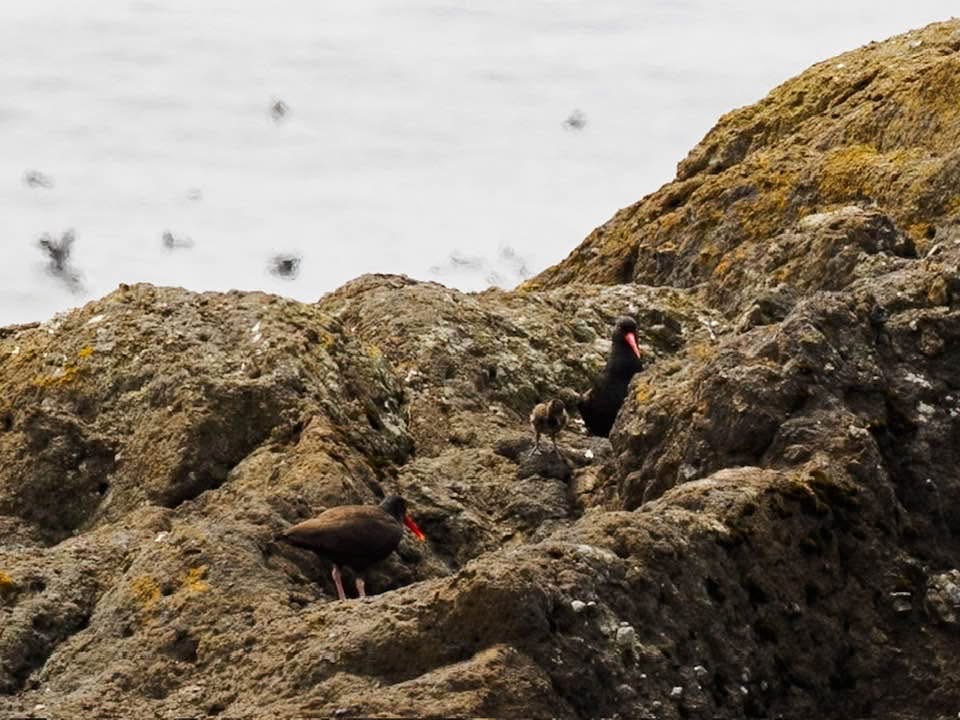
In my last blog post I crossed my fingers in hope that Black Oystercatchers would successfully hatch new chicks. I can say my prayers have been answered and we currently have one of several BLOY nests with chicks! Three chicks hatched on June 26th, 2025. We will continue to monitor these chicks, along with other nests on site to observe if they successfully fledge. This stage may take up to 35 days. Which means we can anticipate the chicks at this specific nest to fledge towards the end of July, if they are able to navigate and survive this crucial and vulnerable stage.
Sorry, the comment form is closed at this time.