


04 Aug The People of the First Light
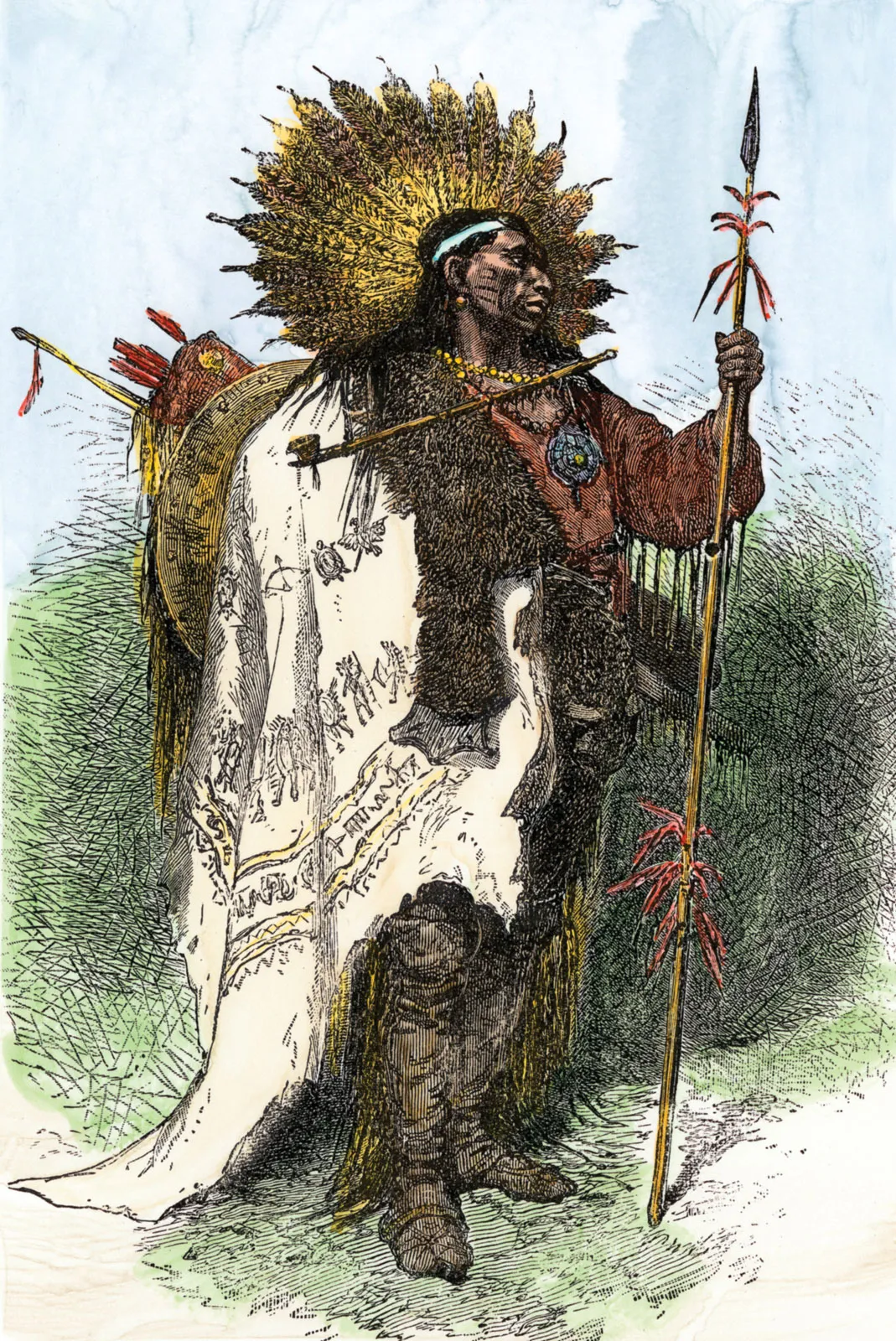
When imagining Cape Cod, it’s easy to picture sandy beaches, iconic lighthouses, and overpriced seafood. But often overlooked is the region’s rich and complex history. In my first blog post, I mentioned the Laurentide Ice Sheet, which began retreating around 20,000 years ago and eventually shaped the unique landscape we see today. Equally important, however, are the people, the Wampanoag. The Wampanoag Nation has lived in this region for thousands of years, long before it became known as Cape Cod. They were among the first to inhabit the land once it became ecologically hospitable, and their deep connection to it continues to this day. In many ways, the land and its first people are inseparable.
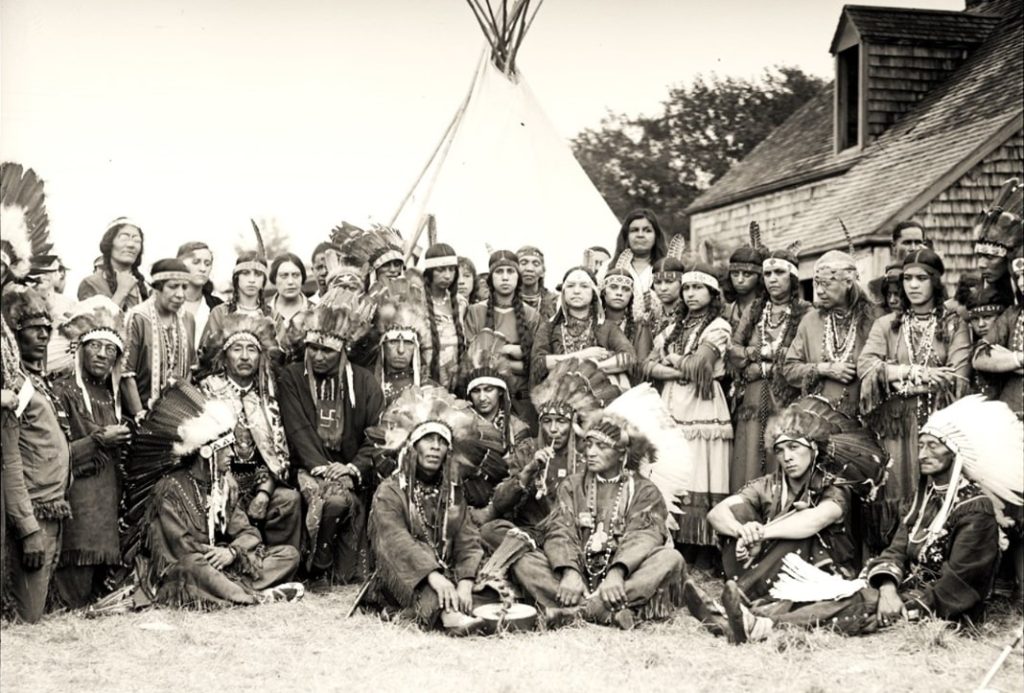
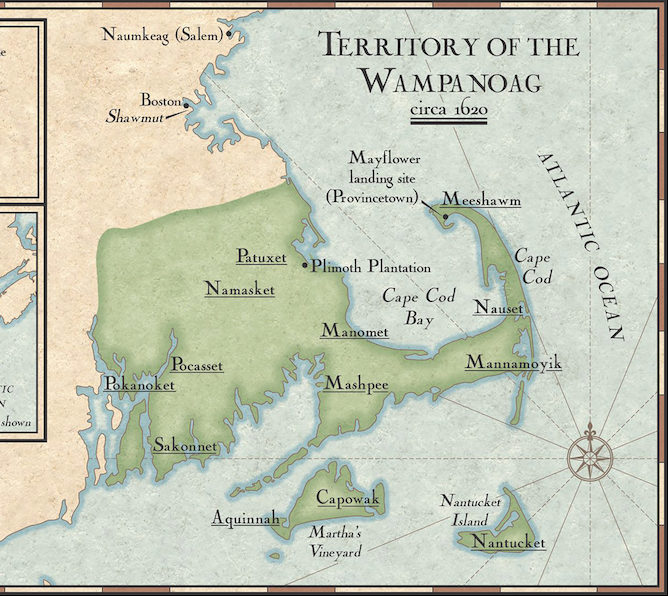
The word Wampanoag translates to “People of the First Light,” a name that reflects their identity as the Easternmost tribe. This powerful name also symbolizes their deep spiritual and geographic connection to the land.
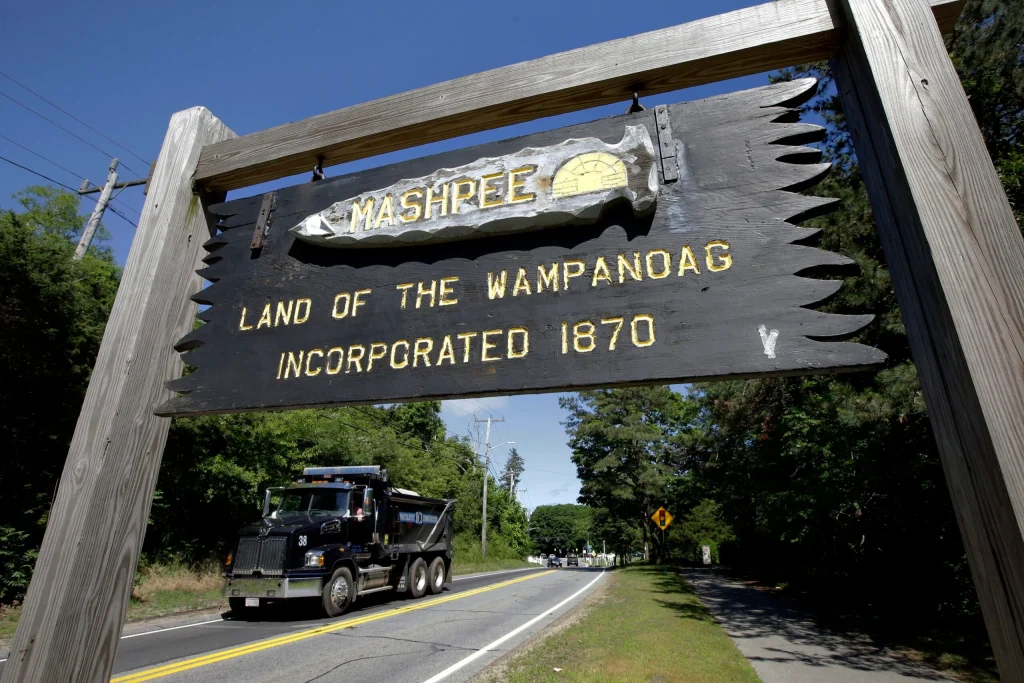
According to Wampanoag oral history and archaeological evidence, their ancestors lived on lands that are now submerged beneath the Atlantic Ocean, lands that existed before sea levels rose after the last Ice Age. The Wampanoag migrated to what is now southeastern Massachusetts, including Cape Cod, Martha’s Vineyard, Nantucket, and the surrounding mainland. Today, Mashpee is home to the largest number of Wampanoag people.
The Pilgrims of the Mayflower first encountered the Wampanoag in 1620, near modern-day Truro, while searching for fresh water and a suitable place to settle. This marked one of the earliest recorded interactions between English settlers and Indigenous peoples in the region.
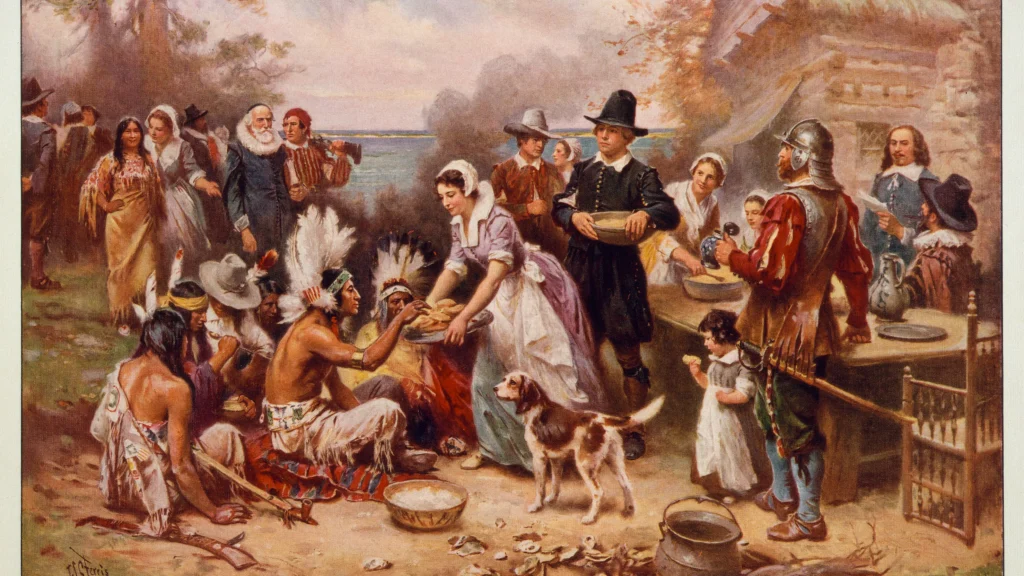
The average person has probably already heard of the Wampanoag before as they are often remembered in participating in “First Thanksgiving” in 1621. However, for the Wampanoag, Thanksgiving is no longer a celebratory holiday, and is marked as a National Day of Mourning, honoring the loss of land, lives, and culture that followed colonization. Yet despite centuries of hardship, the Wampanoag continue to persevere and reclaim their history.
The Wôpanâak Language Reclamation Project is a powerful example of this resilience. The project, which began in the 1990s, sought to reestablish the Wampanoag language, which had not been spoken fluently for over a century. Through the efforts of tribal members and linguists, Wôpanâak is now being taught again to new generations. Today, Wampanoag communities also engage in conservation work to protect local ecosystems, preserving not just their ancestral territories but also the deep spiritual and cultural bonds they have with the natural world
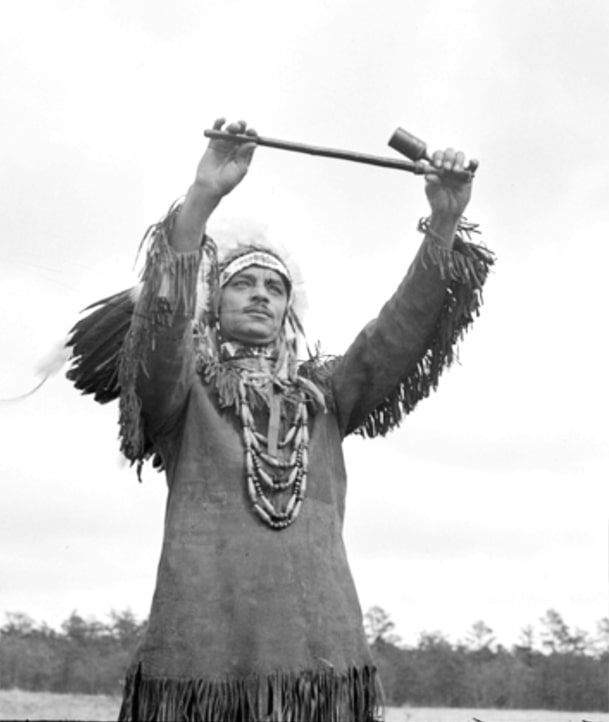
Let’s learn some Wampanoag words!
Fox – Whauksis
Goose – Wawpatueke
Clam – Suckis
Deer – Ottucke
Squirrel – Shannucke
Thanks for reading!
Sorry, the comment form is closed at this time.