


19 Aug Who’s that Pokemon (Wildlife)?!
Hey everyone!
I feel like I continue to experince so many new things at this park site, and it feels like it is never ending.
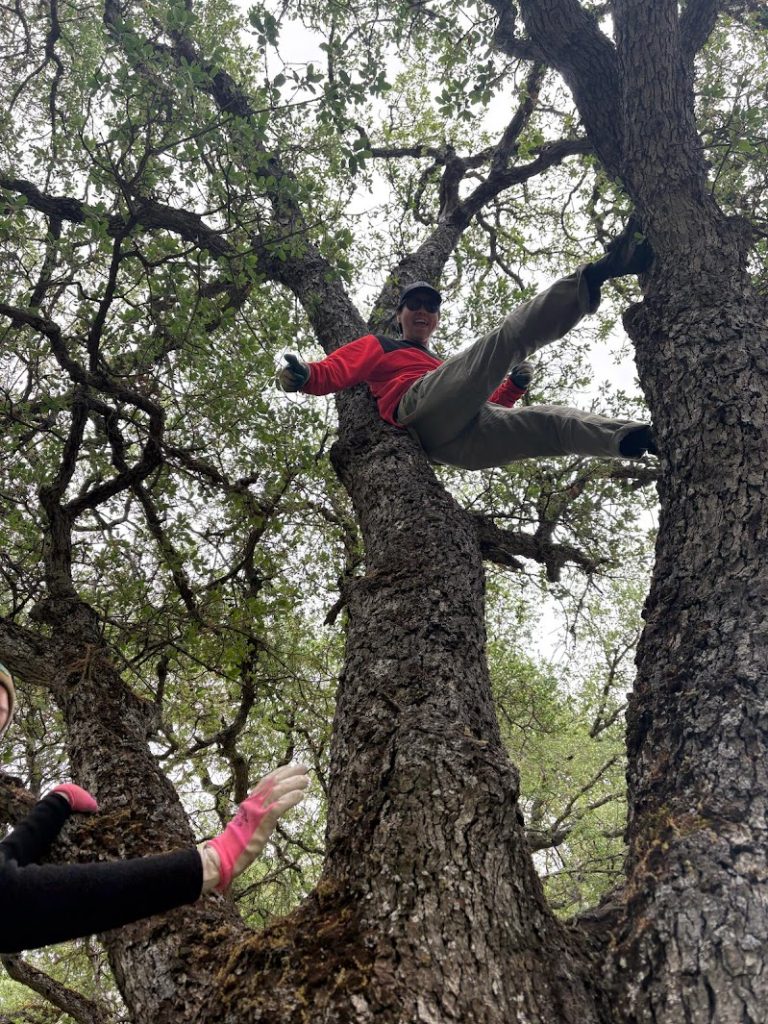
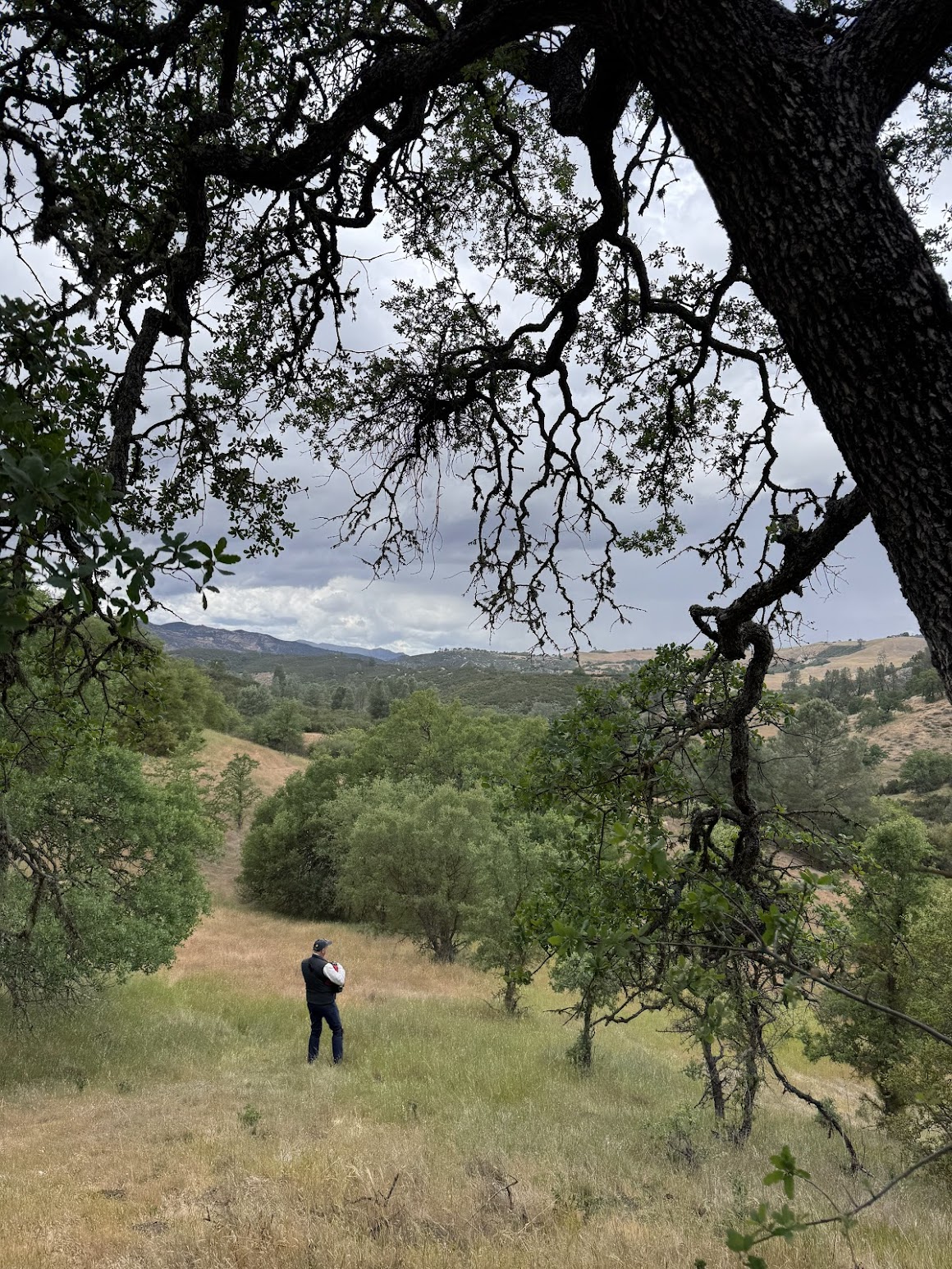
For this blog, I want to share a weekend trip down to Pinnacles National Park with the Habitat Restoration crew! Every year, the Habitat Restoration team at Golden Gate helps out with a neighboring National Park, Pinnacles, with some weed management. I was fortunate enough to attend this years and see this park in all its glory. From wildlife to wildflowers, this park was blooming in all aspect during this time of the year!
Thistle thistle thistle
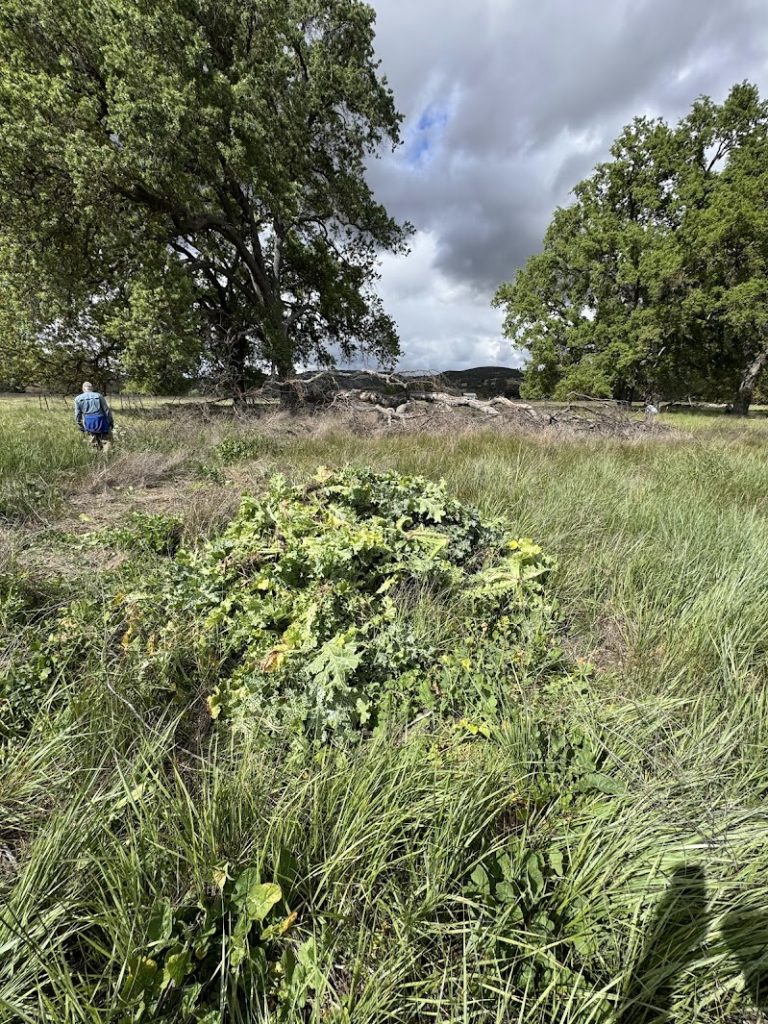
This big pile of plants are thistles, an invasive weed that was the focus of our trip to remove. We revisited sites that the team has gone onto previous of years and removed any remaining thistles left. Fortunately, the many sites we did visit did not have much huge thistle plants. This photo above was just an additional site that we elected to help with, and this one was filled with them!
This isn’t solely just a work trip…
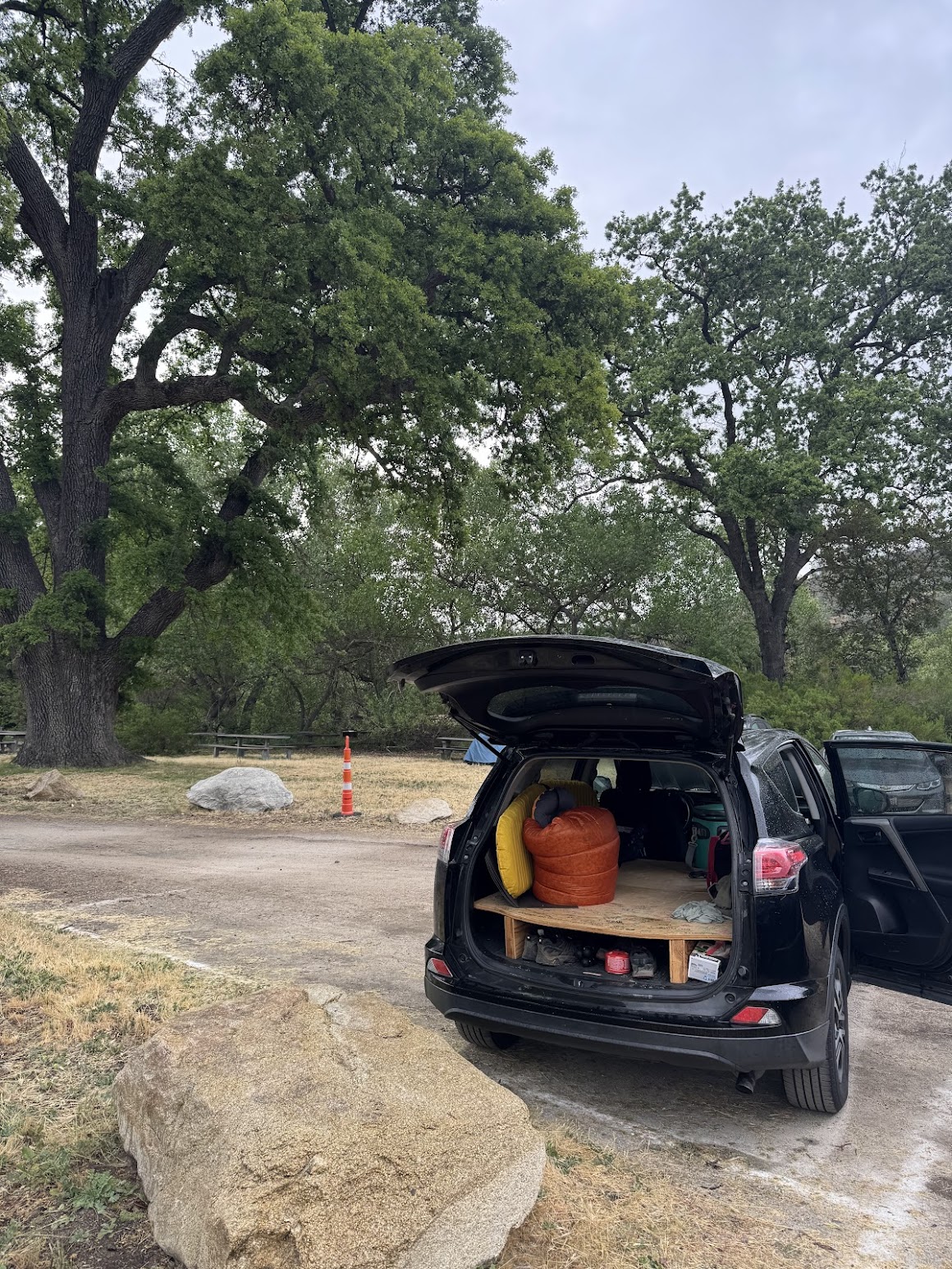
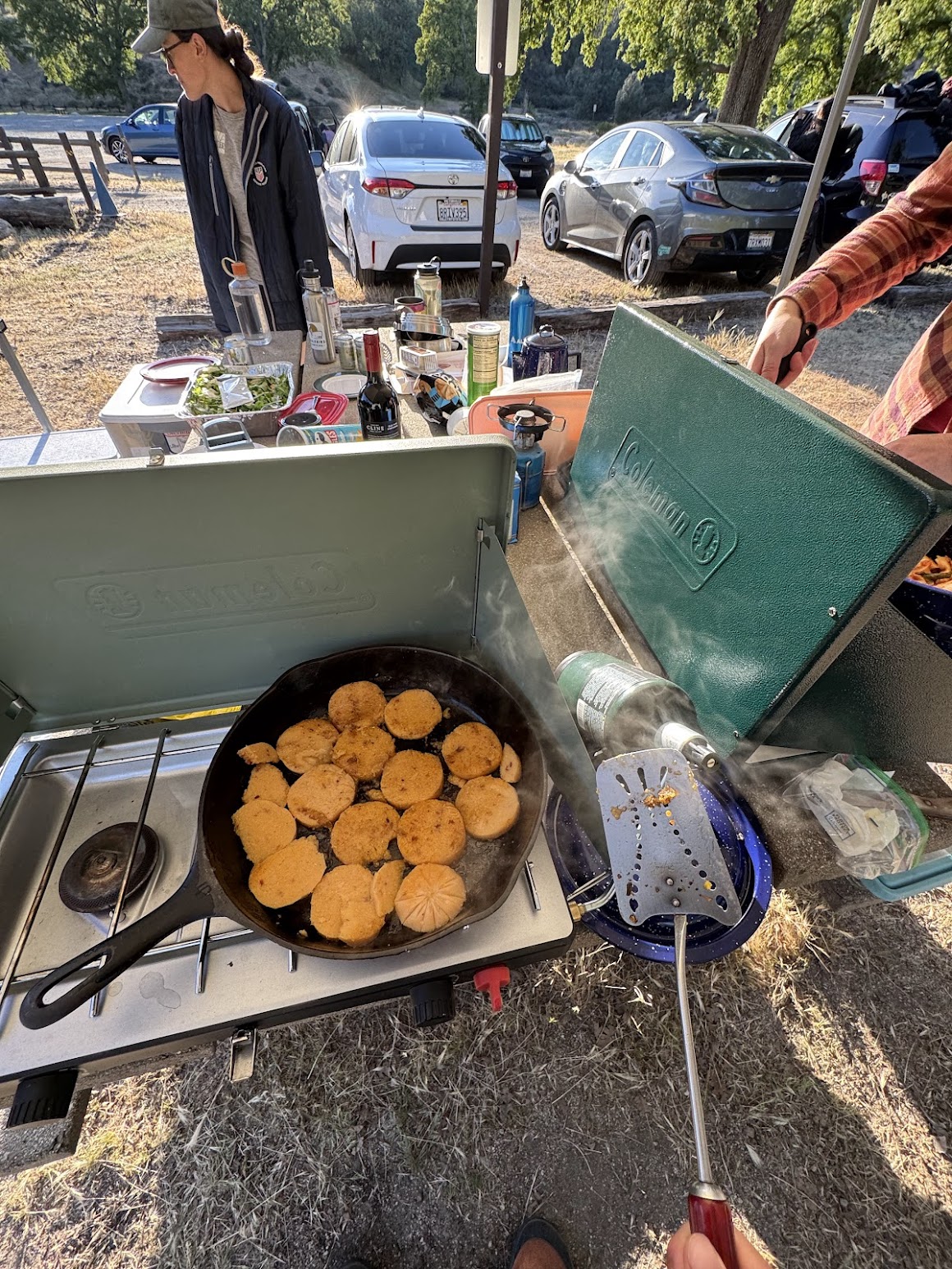
Outside of working on the thistles, we all enjoyed ourselves camping with everyone. I got to car camp, cook dinner, and do some birding on my free time.
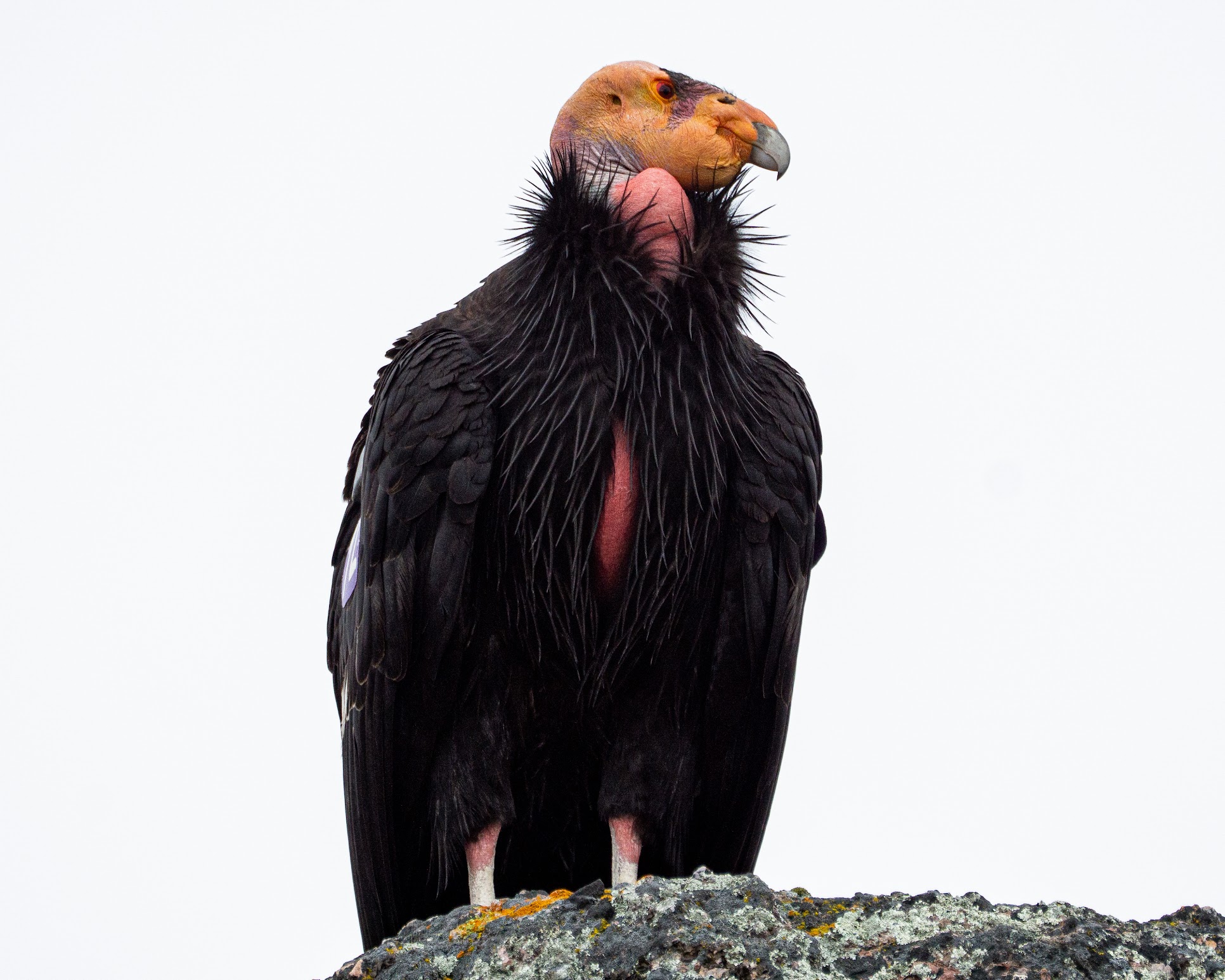
The next day, we even got to see, in my opinion, one of the coolest birds in the planet: the California Condor
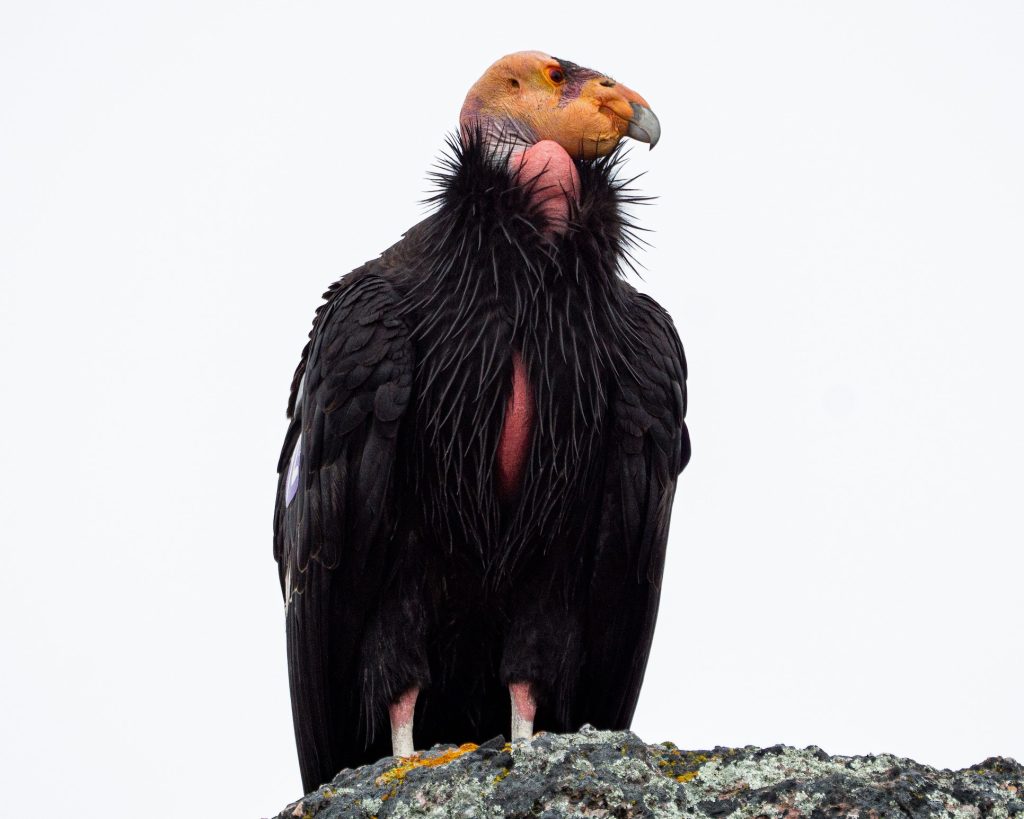
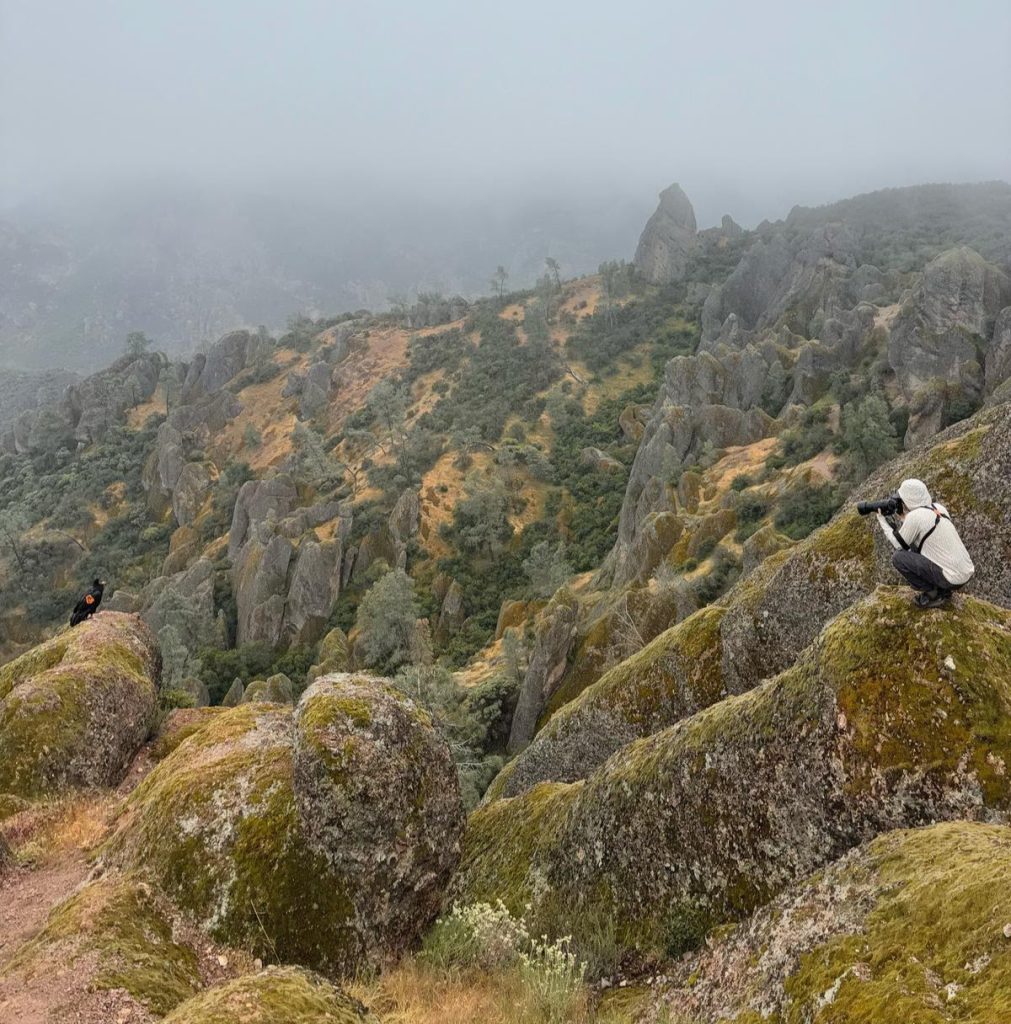
The California Condor is a federally listed endangered bird. There has been a long history of their population decline, and efforts for raising them in captivity. After years of conservation efforts and captivity programs, this species population has been increasing! Many of the birds were released around Pinnacles National Park, and are and always been a resident at this area.
If you noticed the big number on their wings, that is to help researchers keep track of this individual. Because their population is still at a low, researchers still want to keep a close eye on these species, thus each individual with a number indicates that it has a geotag attached to them.
If you so happen to find a California Condor without a number on its patch, then you would have found a wild born condor!
This park is special to me because of this bird, It is amazing that the general public gets to see this bird, and learn so much about the persistent effort to keep this population stable.
Sorry, the comment form is closed at this time.