


05 Sep The Monarchs Begin Their Journey South
The Monarchs Begin Their Journey South
Hey everyone!
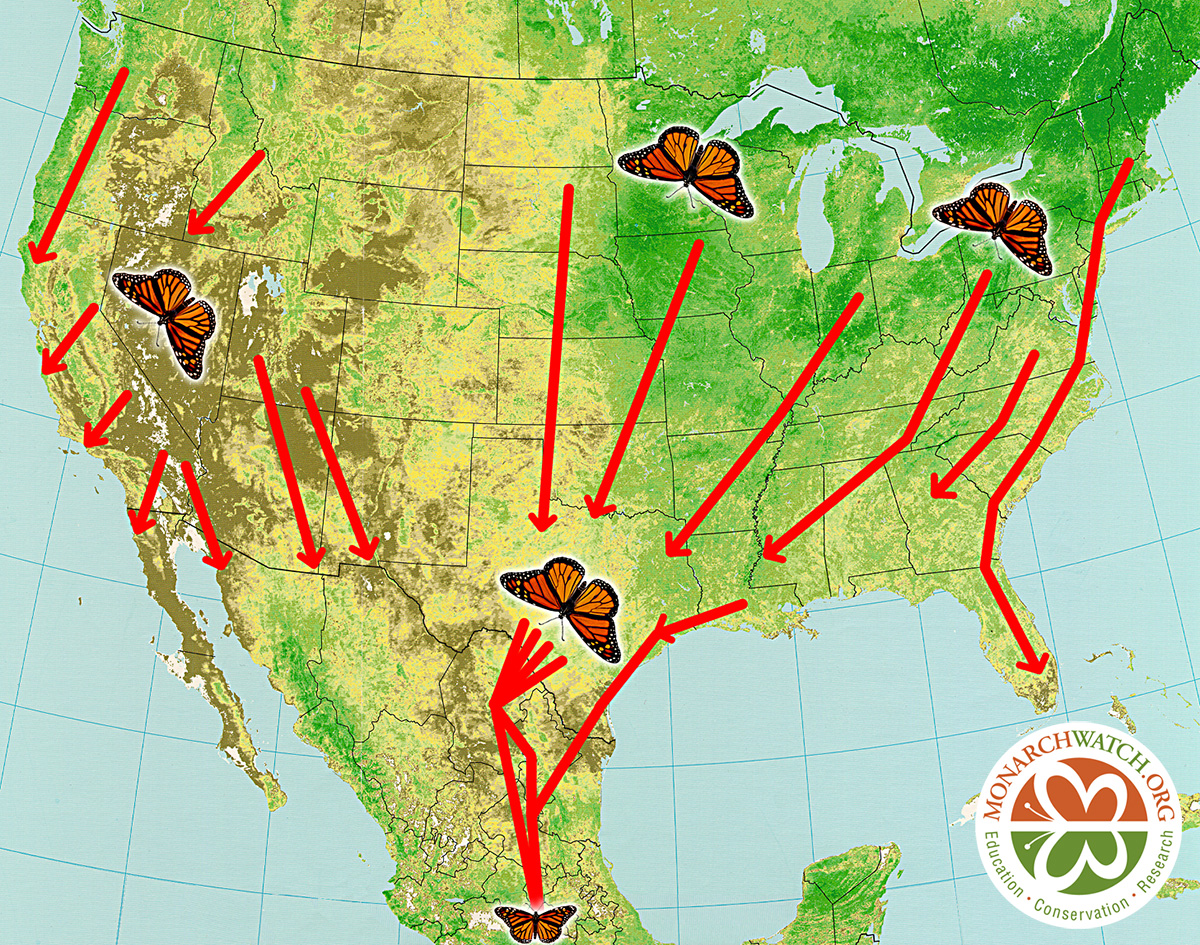
This week I want to take a step back from field notes and talk about something bigger, the start of the monarch butterfly’s fall migration. Every year around this time, monarchs that have spent the summer breeding in the northern U.S. and Canada begin their incredible journey back south, heading toward their overwintering grounds in the mountains of central Mexico.
The monarch migration is one of the most remarkable natural events in the world. No single butterfly completes the round trip; instead, it takes multiple generations, with each new wave carrying the journey forward. But the southward migration is different. The monarchs we see now are part of what’s called the “super generation”—a hardy cohort that lives much longer than their parents or grandparents. These butterflies are capable of flying thousands of miles without reproducing until they reach Mexico.
Why San Antonio Matters
So where does San Antonio fit into all of this? Our city and the surrounding Hill Country are actually a critical pit stop along the monarchs’ southbound highway. Monarchs funnel through Texas in huge numbers, relying on the nectar of late-blooming native plants to fuel their long flight. For many, this is the last major refueling stop before they cross into Mexico.
That’s why the habitats we study and survey at places like JBSA Camp Bullis are so important. The milkweed, nectar sources, and natural open spaces here provide essential resources at exactly the right time of year. Without healthy landscapes in Texas, monarchs would struggle to complete their journey

Looking Ahead
In my own surveys, I’ve been keeping an eye out for any sign of this southbound wave. So far, the monarch sightings have been scarce, but that could change quickly as the migration ramps up. Each trip out into the field brings the anticipation that today could be the day a flash of orange and black glides past, headed south with thousands of miles still to go.
This migration is a reminder of just how connected ecosystems are—from the prairies of Canada, to the parks of San Antonio, to the oyamel fir forests of Mexico. Protecting monarchs means protecting pieces of land in all three countries, and that’s a powerful example of how conservation truly knows no borders.
Until next time,
Brian Cooper
Dylan Garibaldi
Posted at 13:10h, 12 SeptemberGreat post Brian!!