


07 Sep Waves of Waste
Beach Trash Analysis from peak season
While my internship was focused on accessibility in the National Park Service and Indiana Dunes National Park, we were able to work as rangers and watch out for hazards in our park! During our roving time and connecting with visitors, it was apparent how pollution was impacting our park, particularly during our peak beach season.
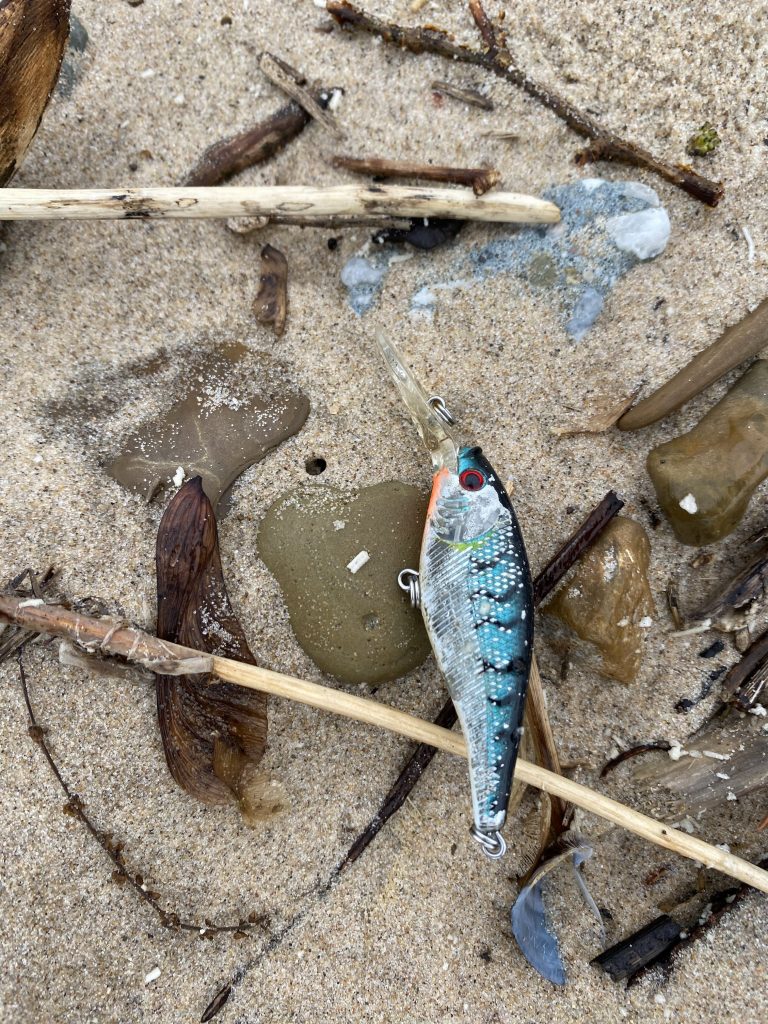
Our park is special because many use it as a beach area to swim, but the high traffic on our beaches for recreation can create risks for the environment. Particularly, when people don’t care for the area or break rules that are in place to protect our park. At our beaches in particular, pollution like leaving behind trash or losing items in the ocean during recreation, like clothes or lures, is a large issue. Additionally, there is a portion of this trash that washes up from other areas, like Chicago.
Indiana Dunes policy
In an effort to increase visitor responsibility, encourage the “leave no trace” concept, and mitigate a large trash collection issue, Indiana Dunes National Park instituted the “Carry In Carry Out” policy.
This effort removed trash cans from some beaches, particularly more remote hike-in areas, to encourage people to take out the trash they brought in. A large growing problem was overflowing trash cans as people dumped everything they did not want on the beach. Maintenance was unable to keep up with the thousands of people leaving large amounts of trash every day, especially in hike-in areas. This resulted in a lot of pollution building and flying away when it could not be collected, making the pollution problem much worse. Under the “Carry In Carry Out” policy, visitor responsibility has increased, and more people carry out whatever they bring in. Additionally, leaving trash behind, particularly excessive trash, will result in a fine from law enforcement if caught. However, there are always people who do not follow the rule who are not caught, and accidents like losing items still happen frequently.

Collection
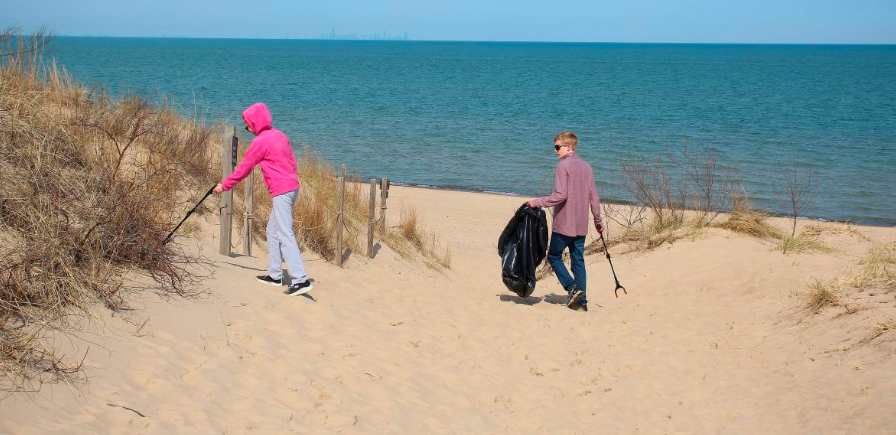
During the peak summer season, I went for a walk at Portage Lakefront at sunset to do a trash collection for data and sorting. Sunset or early morning are the best times to search the sand because it is much less crowded. Many items, which camouflage easily as Styrofoam and plastic, are easily swept away in the waves like clothes or bags, or are hidden on purpose like alcohol and cigarettes. This makes it difficult to do a thorough search, but I spent about 2 hours collecting, so I was able to sift through places. When searching, I used a garbage bag, gloves, and a grabbing stick (which are all available at the Douglas Center!)
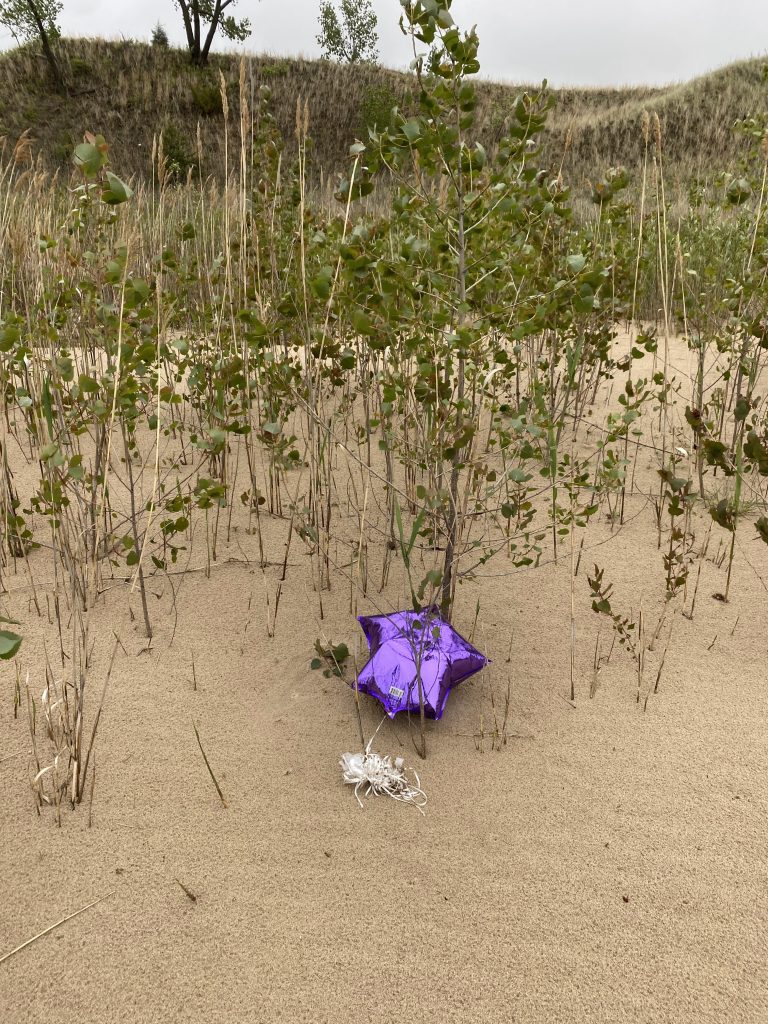
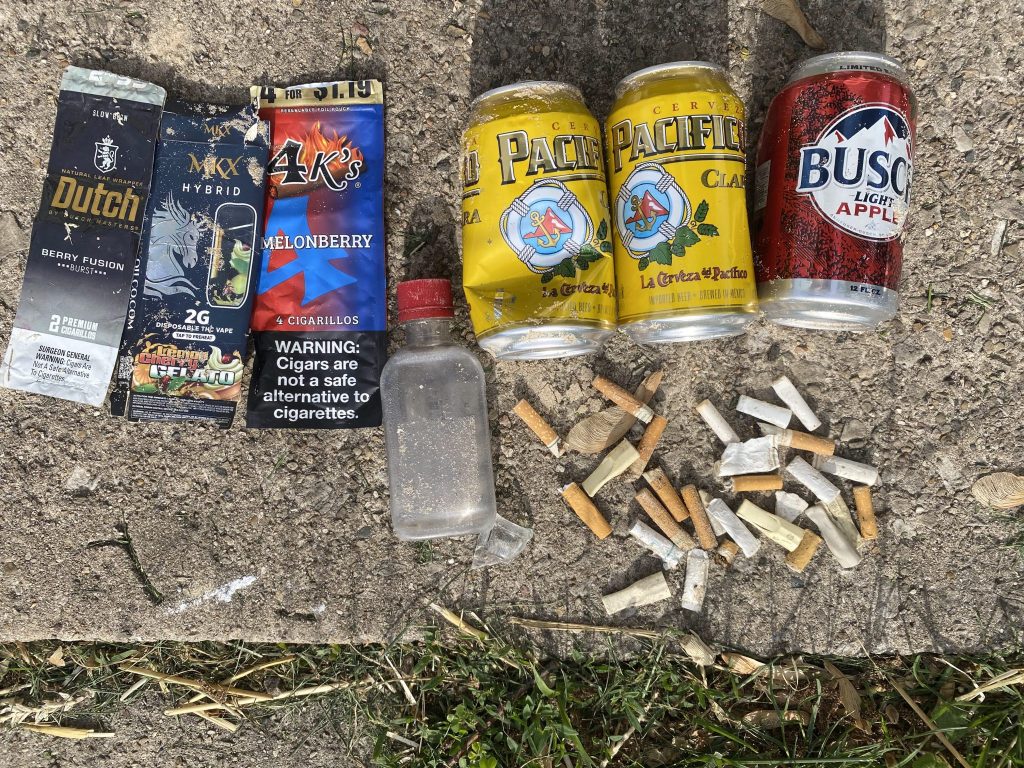
After collection, I organized items based on type: plastics, styrofoam, drugs/alcohol products, bottles, bottle lids/caps, food items, clothes, fishing gear, and recreation items. Additionally, I found two helium balloons, which are an abnormal occurrence.
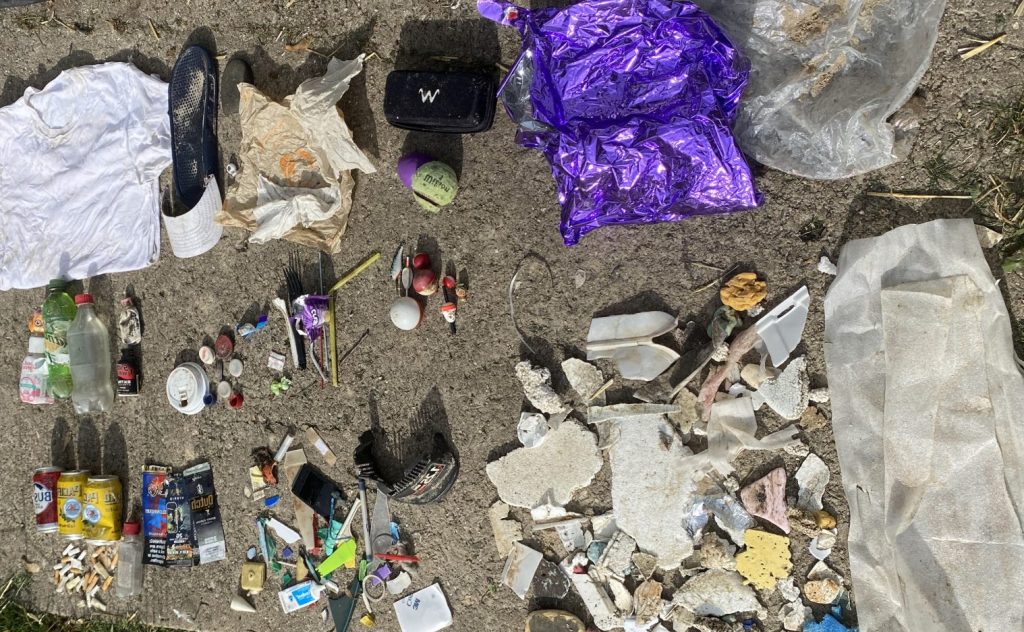
Out of all the categories, the most concerning to me was the amount of styrofoam products. Styrofoam is well known to be terrible for the environment because of chemical leaching, lack of biodegradation ability, and overall impact on the environment. I would assume the high amount found would link directly to being in an industrial area where these products are common for transporting materials, being close to Chicago, where it could have floated across Lake Michigan, and visitors bringing things like food containers to the beach. These styrofoam pieces also looked extremely similar to rocks or sand, so it was even harder to mitigate the issue!
Additionally, the amount of cigarettes I found was upsetting! There is a common misconception that cigarettes biodegrade, when they actually have plastic parts, like the internal fiber filter. Some people also use an external plastic filter. It is also coated in a sealing material that impacts the biodegradation process. Not to mention, smoking is not allowed at the Indiana Dunes National Park and impacts air quality for the visitors and the ecosystem.
Alcohol is allowed at most of the beaches, but it is vital to clean up after yourself. The cans I found seemed to be hidden on purpose to hide their mess, which was just disappointing to see. Near the end of the summer, I found many hidden glass alcohol bottles or broken glass. They are not allowed because when they break, it’s nearly impossible to clean up, putting people and animals at risk.
How can you help?
If the Indiana Dunes are near you, you can join trash trekkers and help mitigate beach trash! All materials necessary for collection can be found at the visitors center or the Paul H. Douglas Center for Environmental Education. It is completely individual, so you are not expected to collect a certain amount or walk at the pace of anyone else; it is entirely up to your abilities. Any amount of care can make a change! By participating, visitors can also receive free admission for the day for helping out!
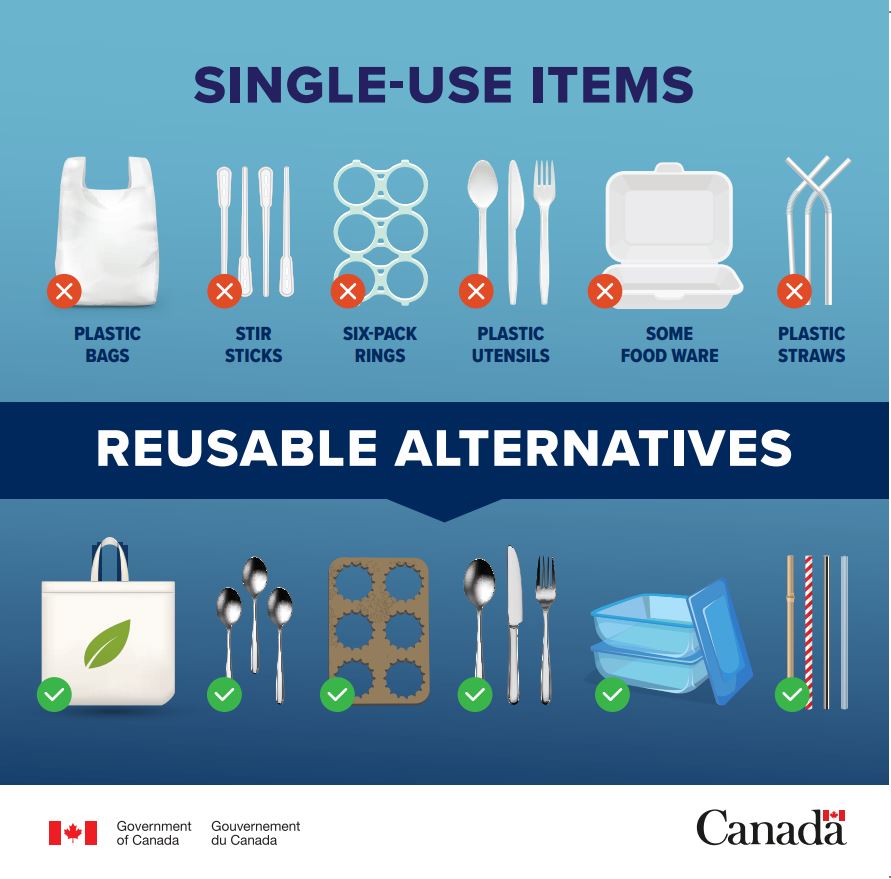
If you do not live in the area, try to be conscious of how your waste impacts the world around you! Managing how much single use plastic/Styrofoam you use or ensuring you utilize proper disposal receptacles can do a lot to improve the current state of pollution. While it may seem small, little efforts add up!
Sorry, the comment form is closed at this time.