


12 Sep Fall Surveys and a Special Tour
Hey everyone!
This week brought some exciting milestones and new experiences, both in the field and beyond.
First Fall IMMP Surveys at Camp Bullis!
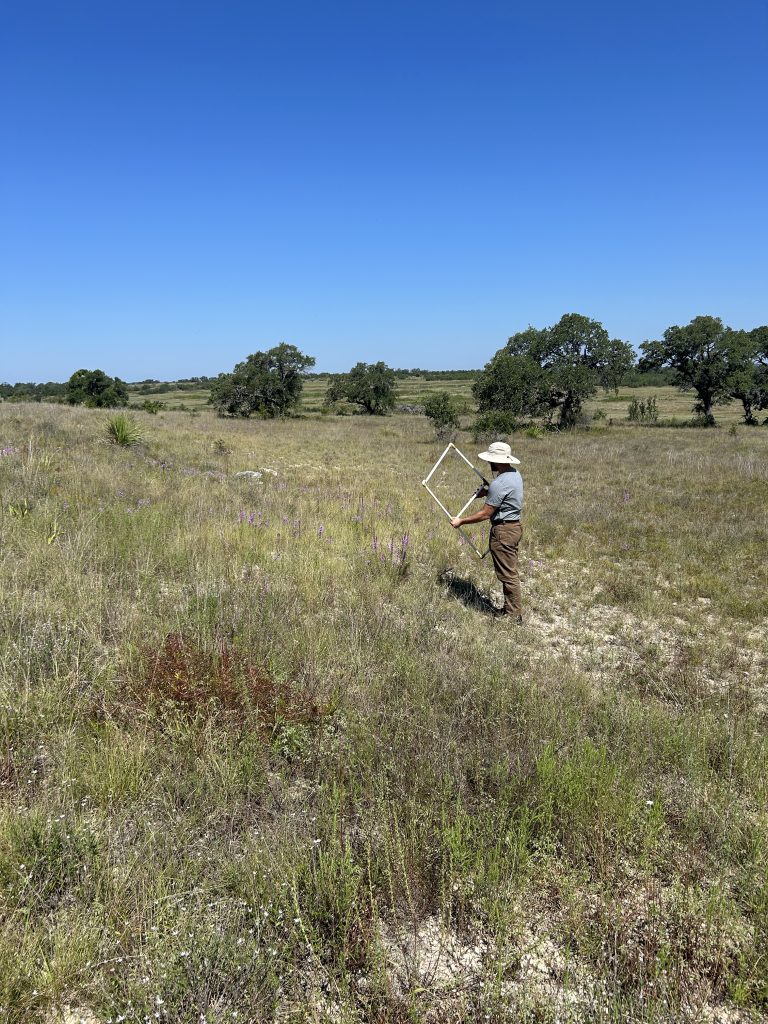
We officially completed our first two fall Integrated Monarch Monitoring Program (IMMP) surveys at Camp Bullis! The main goal of these surveys is to document what fall-blooming resources are available for monarch butterflies as they begin their southward migration. Monarchs depend heavily on late-season nectar plants to fuel their journey, so understanding what’s blooming here in September helps paint a clearer picture of how well this region supports migrating monarchs.
The most exciting part? We spotted our first monarchs of the fall season during these surveys! After weeks of anticipation and searching, seeing those flashes of orange and black gliding across the field was a big moment. It felt like a sign that the migration is officially underway, and our timing couldn’t have been better.
We’ll continue to run these surveys throughout the month of September, which will give us a good sense of how flower availability changes week by week. Once these surveys wrap up, we’ll be shifting gears into an exciting new phase, tagging monarchs! Tagging allows us to contribute to a continental-scale effort to track migration pathways, survival, and overwintering success. I’m looking forward to getting those little stickers on some wings soon.
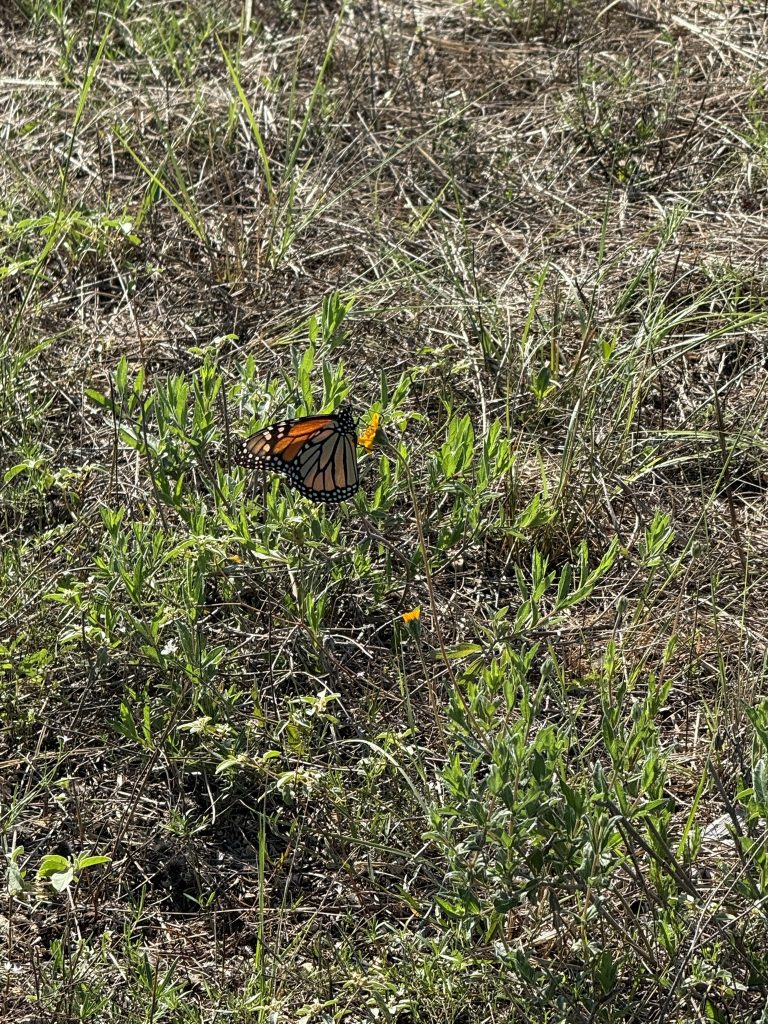
Our first Monarch Butterfly (Danaus plexippus) sighting at Camp Bullis for the fall! This one was also within one of our survey sites which is also super exciting!
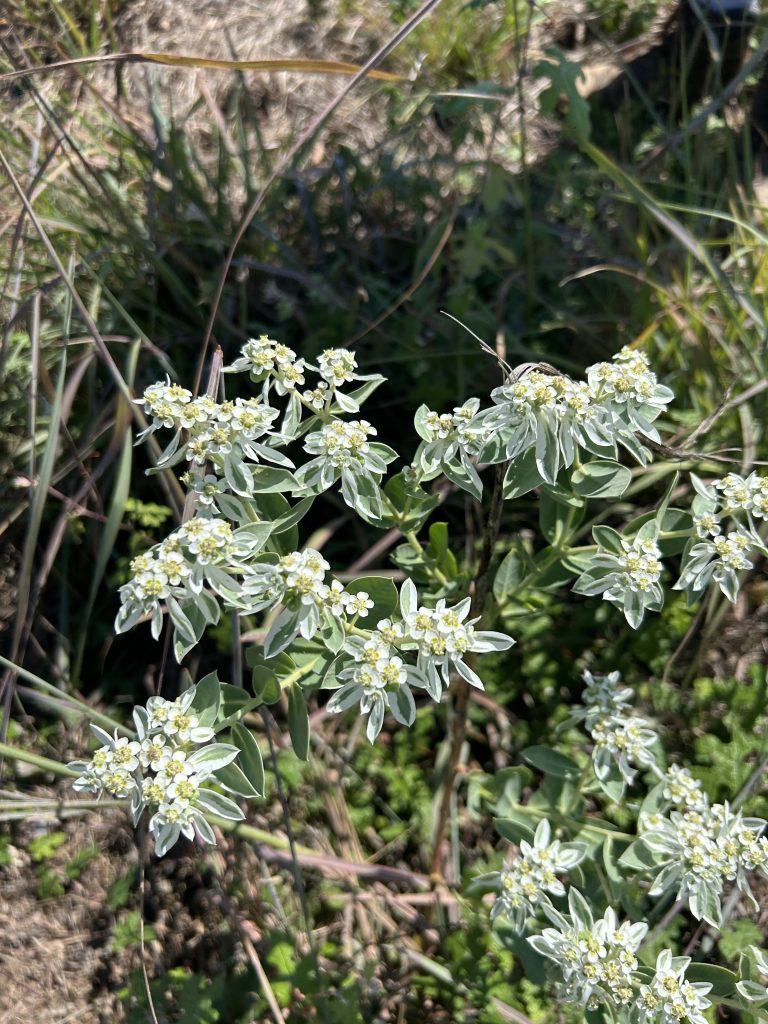
Snow On The Mountain (Euphorbia marginata) is a flowering resource that is all over Camp Bullis that the USFW team told us was a favorite among the Monarchs!
Here is Dylan my new field partner doing his first IMMP survey!
A Visit to the San Marcos Aquatic Resource Center
This week wasn’t just about monarchs, though. I also had the chance to tour the San Marcos Aquatic Resource Center, and it was an unforgettable experience. The center plays a vital role in the conservation of Texas’ rare and endangered aquatic species, and seeing their work up close was inspiring.
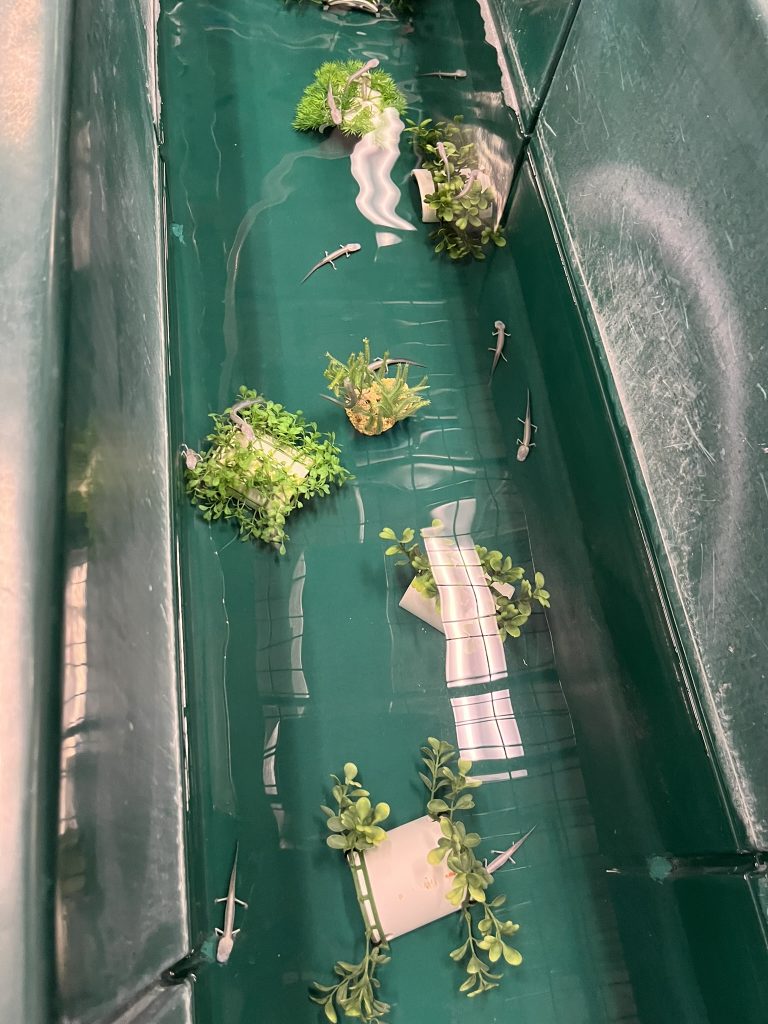
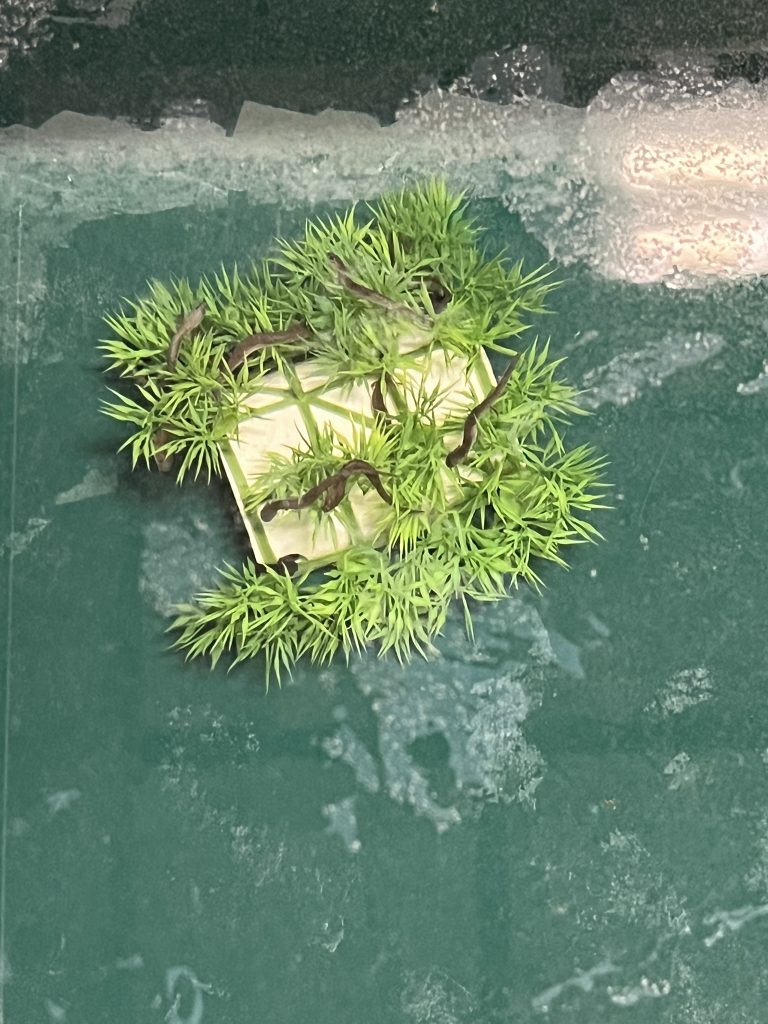
During the tour, I got to see several endangered species, including the Houston Toad, the Texas Blind Salamander, and the Comal Salamander. Each of these species has such a unique story:
- The Houston Toad is critically endangered and has lost much of its habitat to urbanization.
- The Texas Blind Salamander lives only in the Edwards Aquifer system and has adapted to life in total darkness.
- The Comal Salamander is found in the Comal Springs area and is an important indicator of groundwater health.
SMARC also does lots of work on freshwater mussel species! There are 52 species in Texas alone!
Getting to learn about these species directly from the experts who care for them was a reminder of how diverse and fragile Texas wildlife really is. It also connected back to my work with monarchs whether on land or in water, conservation depends on careful monitoring, collaboration, and a commitment to protecting habitats.
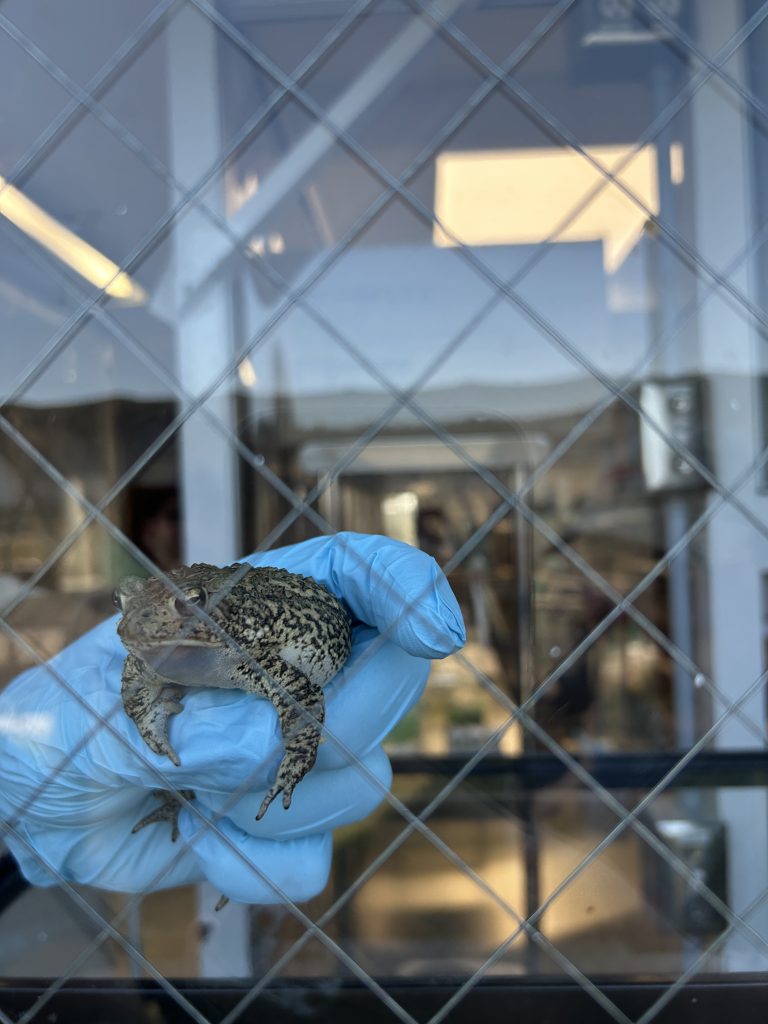
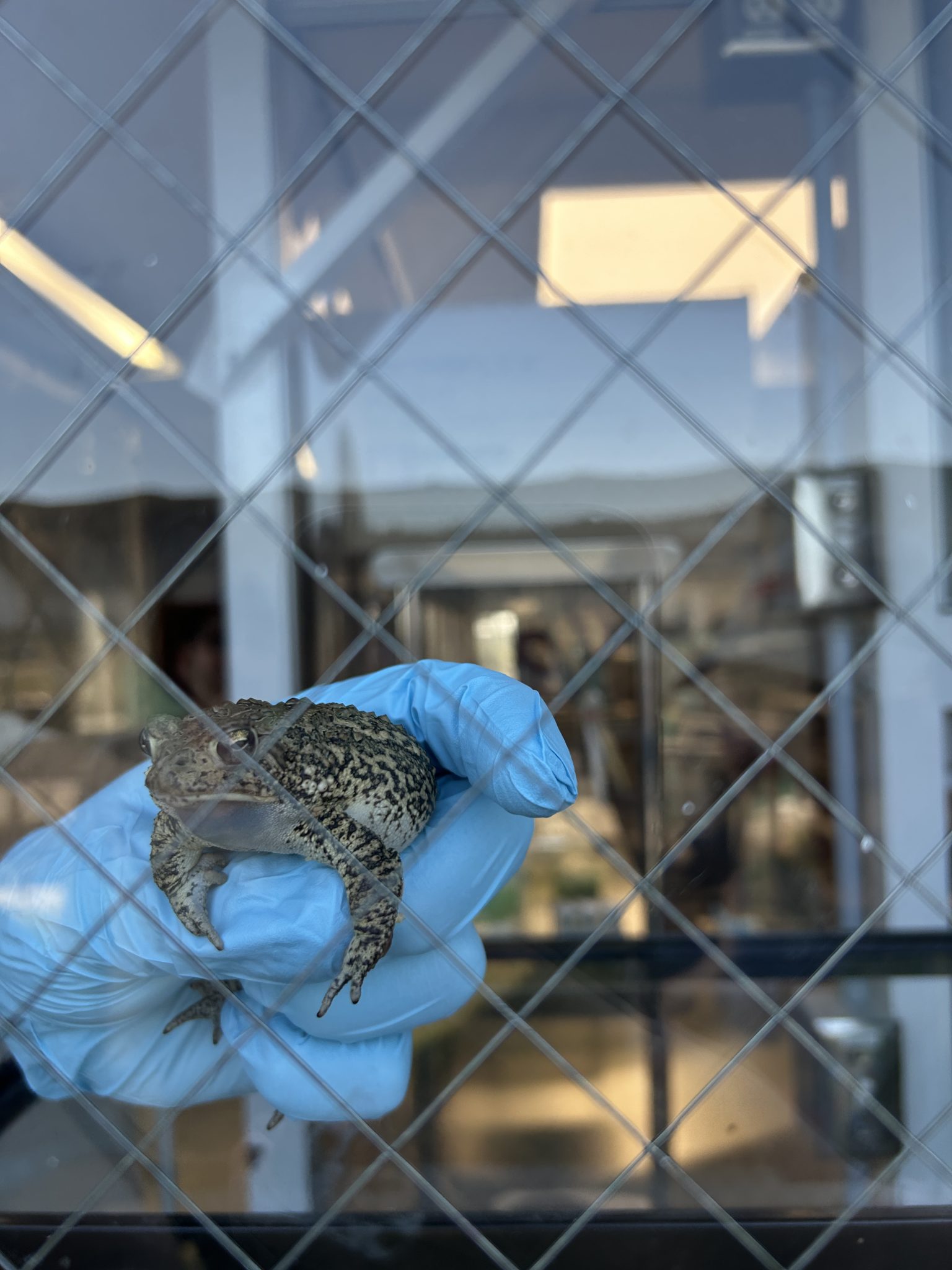
The Houston Toad (Bufo houstonensis) in all of its glory!
The Texas Blind Salamander (Eurycea rathbuni) up close! I never thought I would ever get to see one of these!
Comal Salamander (Eurycea tridentifera) only endemic to the Comal River and only live in the spring headwaters!
Looking Ahead
Between our fall surveys at Camp Bullis, our first monarch sightings, and the upcoming monarch tagging, September is shaping up to be a busy and rewarding month. I can’t wait to see what the next few weeks will bring, both in the field and in the lab.
Until next time,
Brian Cooper
Sorry, the comment form is closed at this time.