


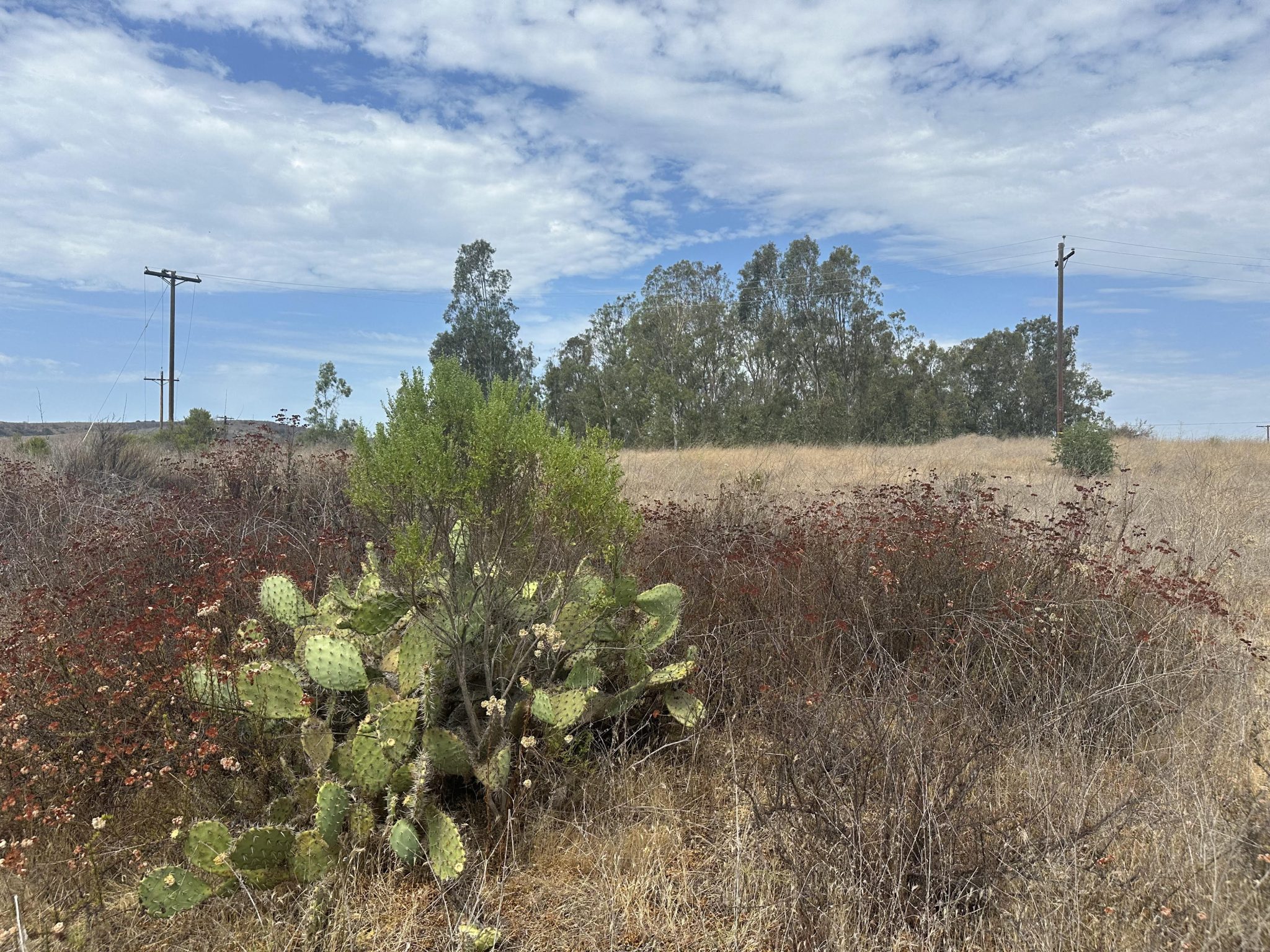
01 Oct Incorporating Safety into Work and Why It’s Important
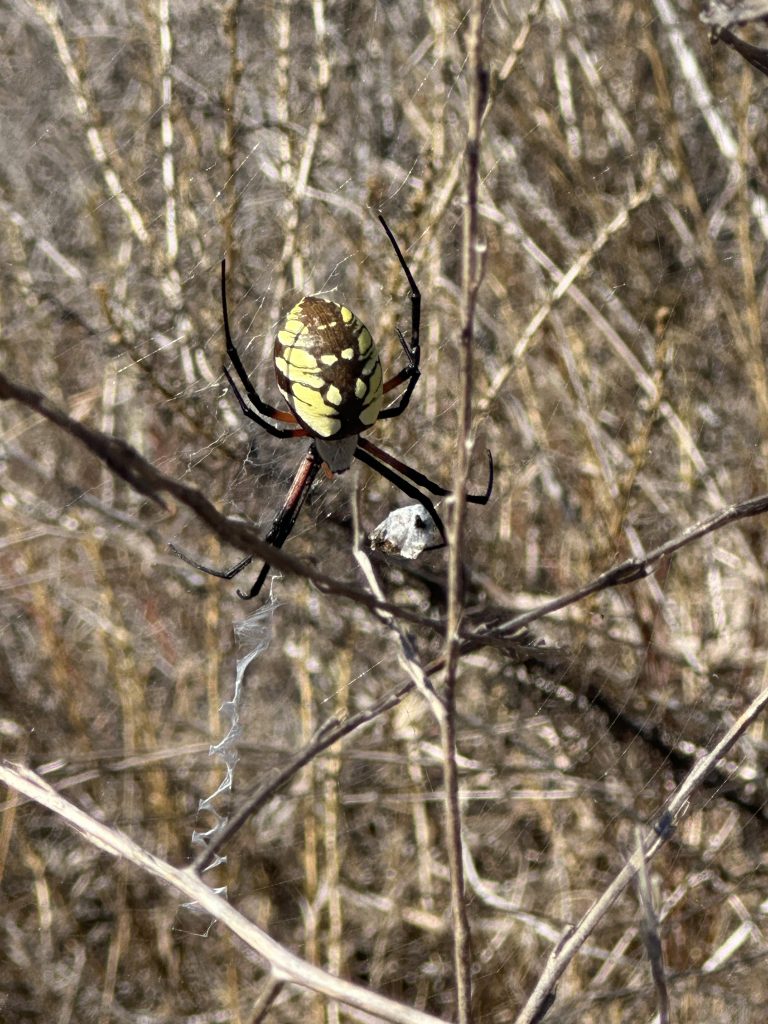
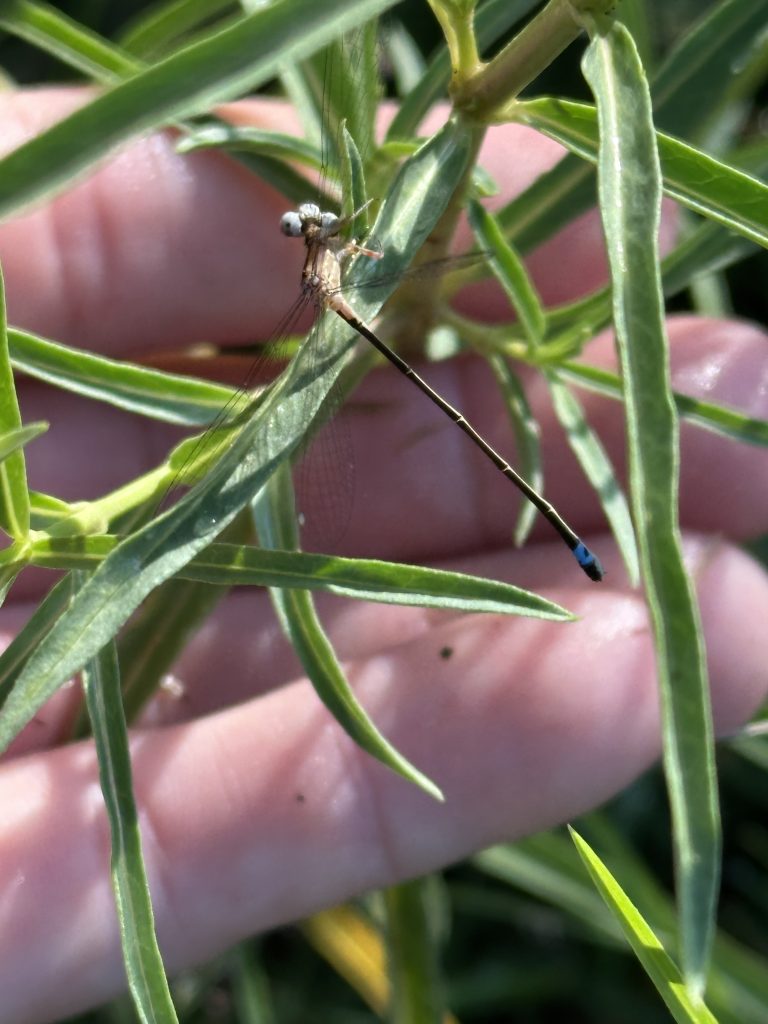
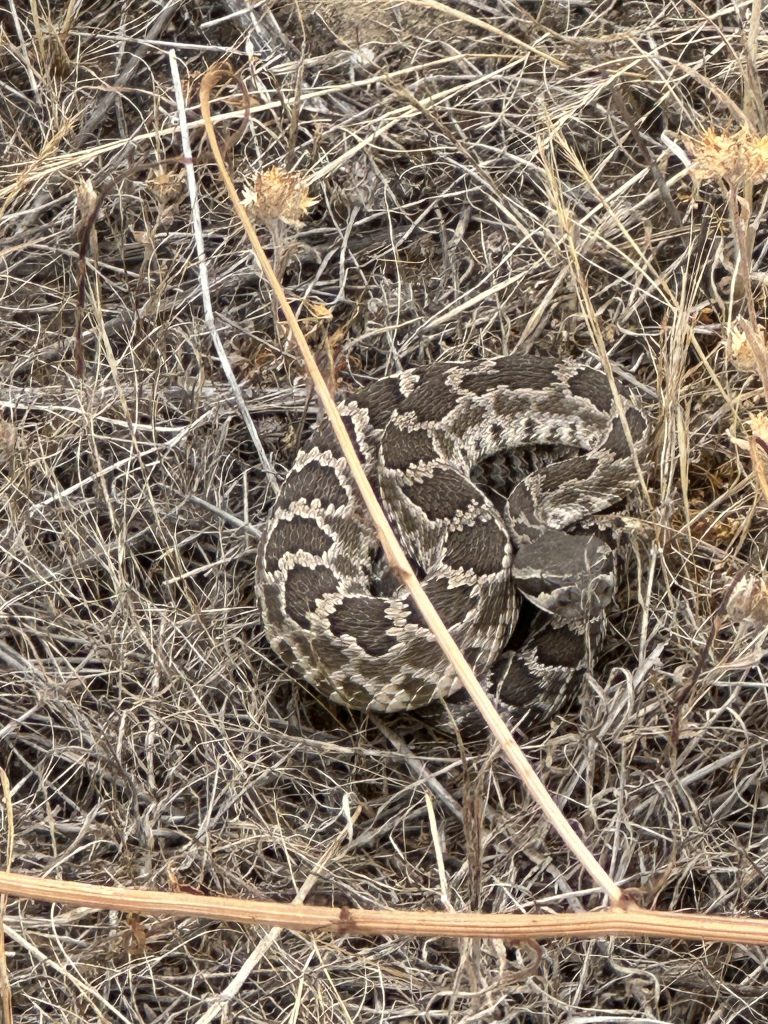
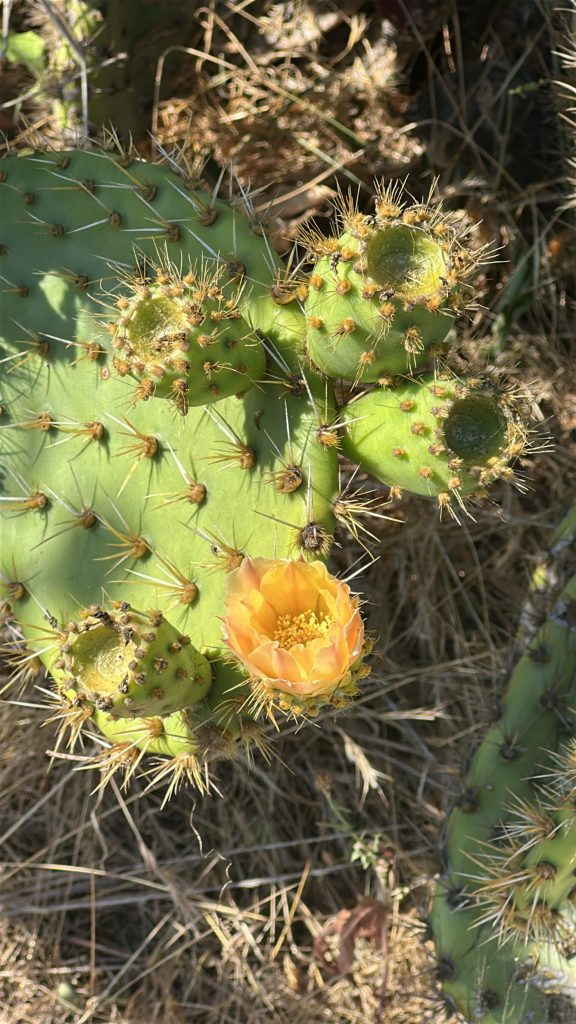
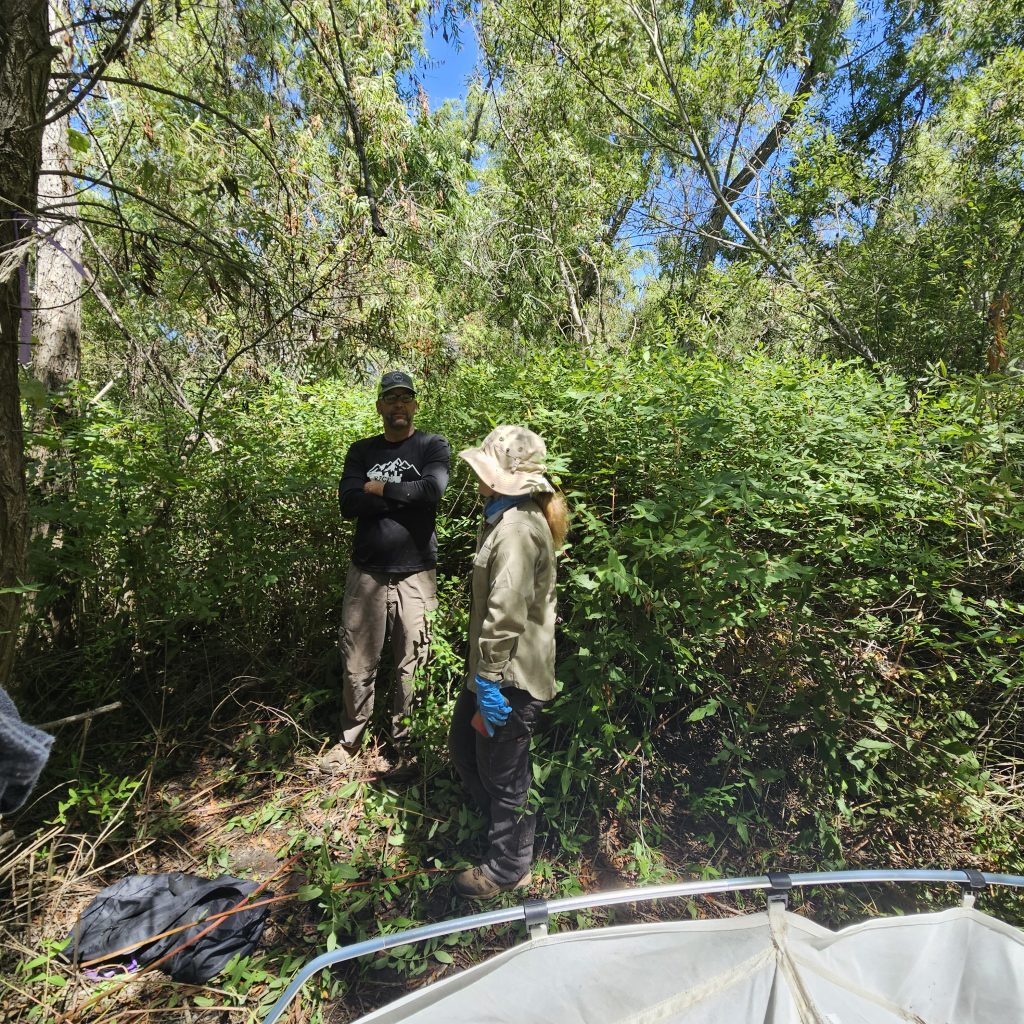
Danger, it can be anywhere. It can be in our food (Salmonella from raw meat), on our clothes (toxic cleaning chemicals from the wash), in the air (mosquitoes carrying the West Nile virus), and even on plants (Urushiol from poison oak). Danger can come from something obvious, such as a mountain lion that can injure you with one swipe, or it could come from something subtle, such as a ray of sunshine that could potentially cause skin cancer. No matter where you are or what you’re exposed to, risks are always present. That is why it’s important to notice anything that could potentially happen to you out in the field and take the necessary precautions to protect yourself, such as protecting your skin from the sun’s rays by wearing long sleeves, a hat, and sunscreen, staying hydrated by drinking plenty of fluids throughout the day, and preventing bugs from biting you by putting on insect repellent. As an EFTA intern where fieldwork is a large portion of the job, it’s important to prioritize safety, especially for us working in places where there are snakes, dangerous plants, and temperatures climbing past normal limits.
Safety is crucial whenever you’re out working in the field. I lost count of how many times I would return home with bug bites on me, all because I didn’t have any insect repellent on while out in the field. I also recall the time when my intern partner and I were setting up bug traps at Camp Pendleton, and I got poison oak on my wrist. My wrist swelled up, and the allergic reaction from the urushiol was so bad that I was also with a scar across my wrist, thus a reminder for why I should have worn a long-sleeve shirt that day.
To help me stay safe, I began incorporating safety practices into my work routine. My morning routine on field days consisted of waking up 30 minutes earlier than normal so that I could have enough time to apply insect repellent all over my body. First, I put insect repellent only on the areas where I expected bugs to bite me the most. However, I quickly realized that to prevent them from biting me, I would need to have insect repellent on every area of my body. After covering myself in insect repellent, I would then shake any clothes I had previously worn and would be wearing again to get any bugs out before putting them back on. Lastly, I would go through my backpack to ensure I had everything needed for the field, such as a hat, a neck gaiter, an extra-long-sleeve shirt, two large water bottles, plenty of sunscreen, and my military ID for base access. I would also fill up my water bottles and prepare my lunch so that I could have enough energy to perform my surveys.
After arriving at my survey site, I would first ensure I had everything I needed for the survey before beginning it to prevent myself from taking multiple trips to and from the car, then use sunscreen, a hat, a neck gaiter, and a long-sleeve shirt to hide any exposed areas of my body from the sun so that I wouldn’t get sunburn. This process normally took 15 to 20 minutes from the time I arrived at my survey site. Additionally, I would review previous survey forms for the sites I would be visiting before beginning my surveys to help me get familiar with the bearings, distances, and potential hazards there. Some of the factors to consider while out in the field include checking whether the survey area has poison oak or stinging nettle, knowing if the survey area has any venomous snakes or other dangerous wildlife present within it, and understanding the distance between the survey area and the parked car to help determine how much water to carry or consume beforehand.
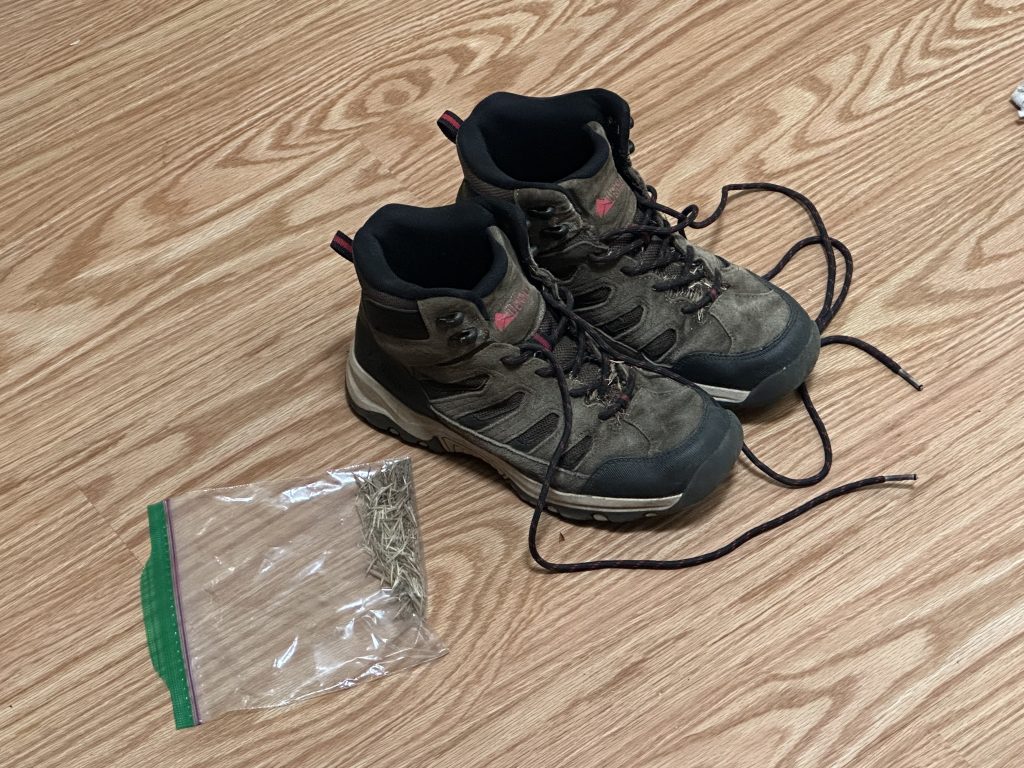
After work, the final two practices that I typically incorporate into my day include tidying up and having everything ready for my next field session. Almost every field day consists of me bringing home foxtails. I would have foxtails on my shoes, on my clothing, and even in my hair. The process of removing them can take about 20 minutes, or longer on days when I am also doing laundry. I also make it a point to shower after every field session. Just returning home and plucking out foxtails is not enough since many other things that carry diseases can cling to the skin, such as ticks, spiders, dirt, bacteria, and cobwebs. Overall, I feel that it’s essential to maintain proper hygiene if you’re job consists of being outdoors all the time. The last thing you would want to do is contract a skin disorder or respiratory disease from having poor hygiene, which could not just make you sick, but also others as well.
To me, danger, particularly when working outdoors, can come in forms both large and small. One of my top priorities as an EFTA intern, aside from doing the best I can at my job, is safety. Incorporating safe work practices such as applying sunscreen whenever necessary, maintaining good hygiene, and understanding any potential on-the-job risks can minimize dangerous situations, not only for me but also for those working either with or around me. Overall, danger can be found around every corner, and the last thing I would want is to suffer from an illness or injury that occurred because the necessary safety precautions were not taken, or worse, inadvertently do something that could put others at risk. Overall, by having good safety practices, I am not just making a difference for myself but also making a difference for my team, who depend on the work I do to support monarch butterfly conservation everywhere.
Sorry, the comment form is closed at this time.