


01 Oct The Calm Before the Swarm: What’s Happening in the Field While the Monarchs are Away
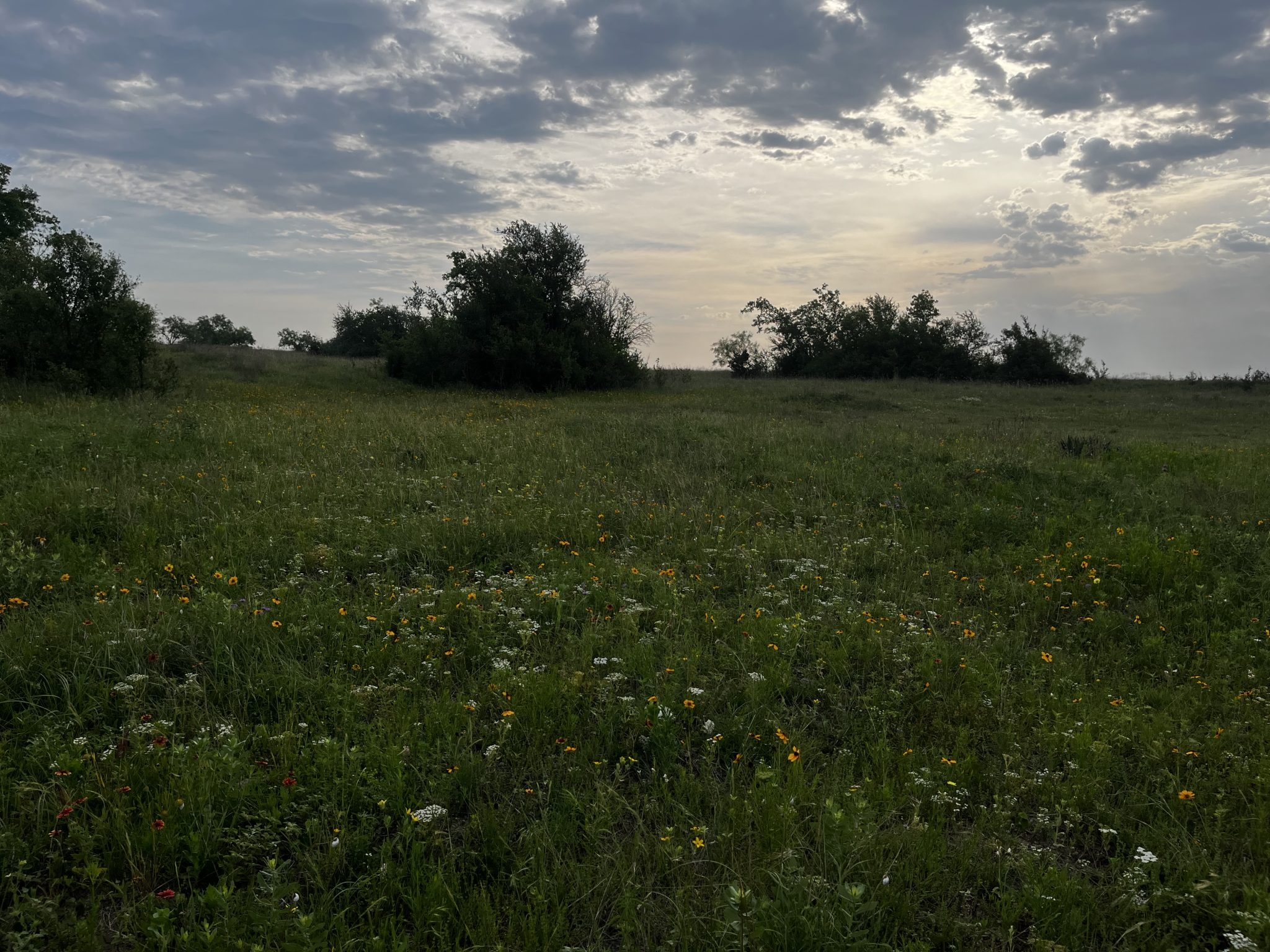
As September winds down in Central Texas, the training grounds of Fort Hood feels like it’s waiting in suspense. The heat is still intense during the day, but mornings have a cooler breeze. The wildflowers are blooming, grasses are tall, the few Milkweed left are growing strong. Now we’re left waiting for the missing piece: the monarch butterflies.
As of right now (September 24th) the monarchs are still making their way south through the United States. Being spoted in the Midwest and Northeast regions, slowly making their way south to Texas and Mexico.
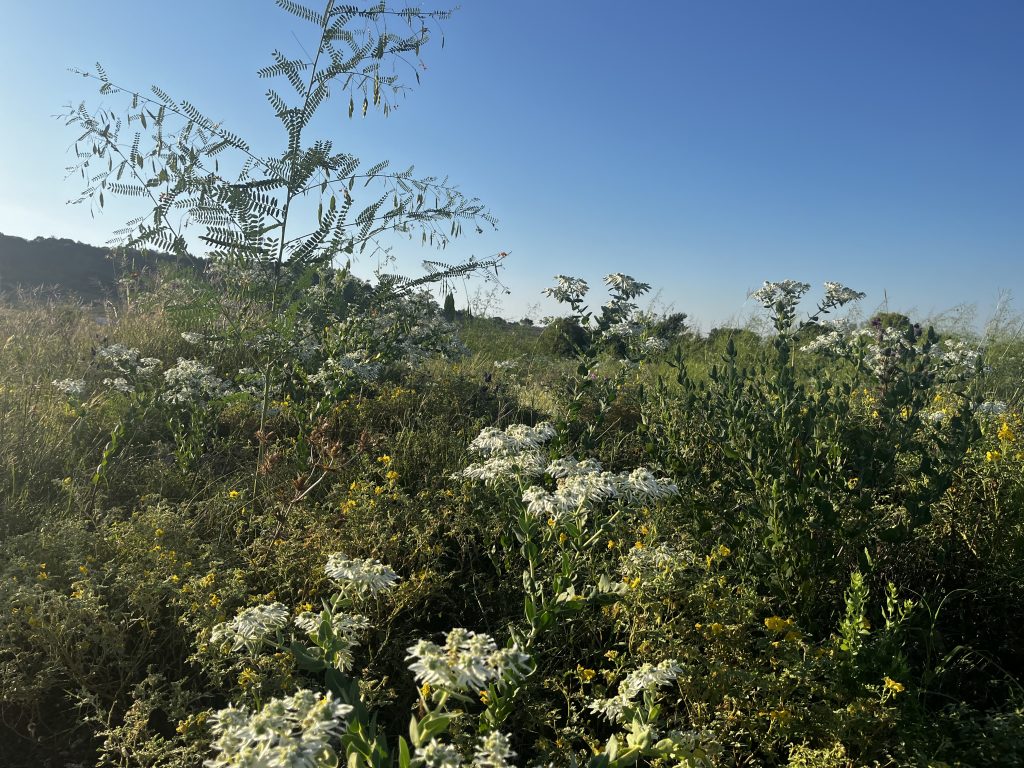
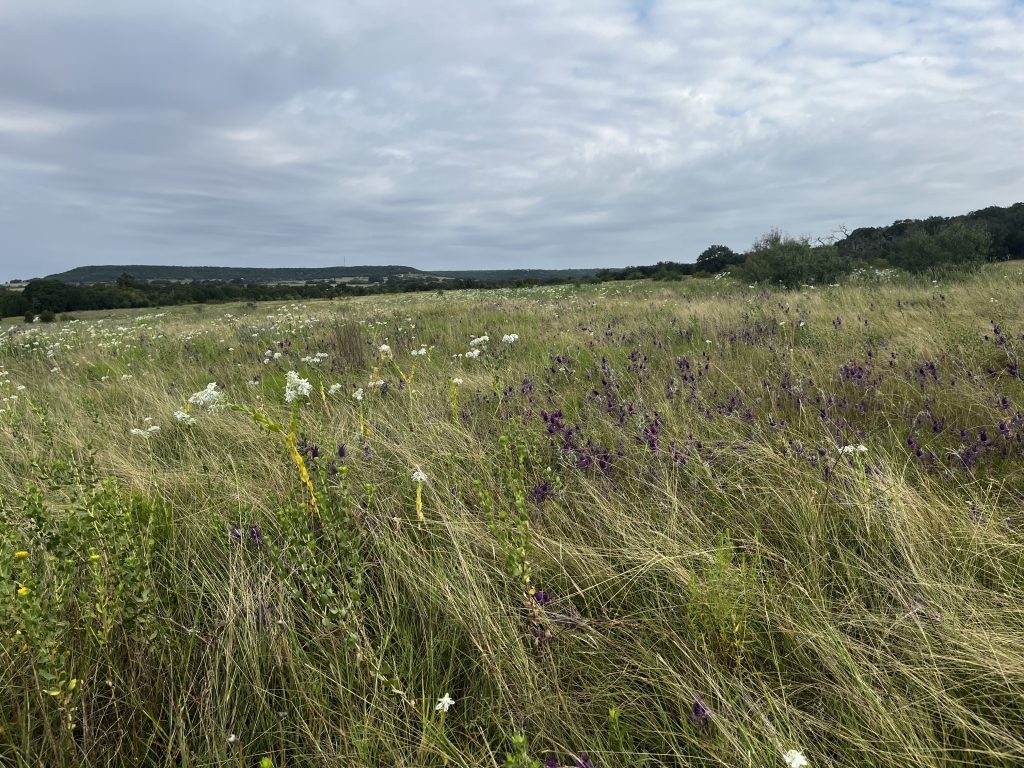
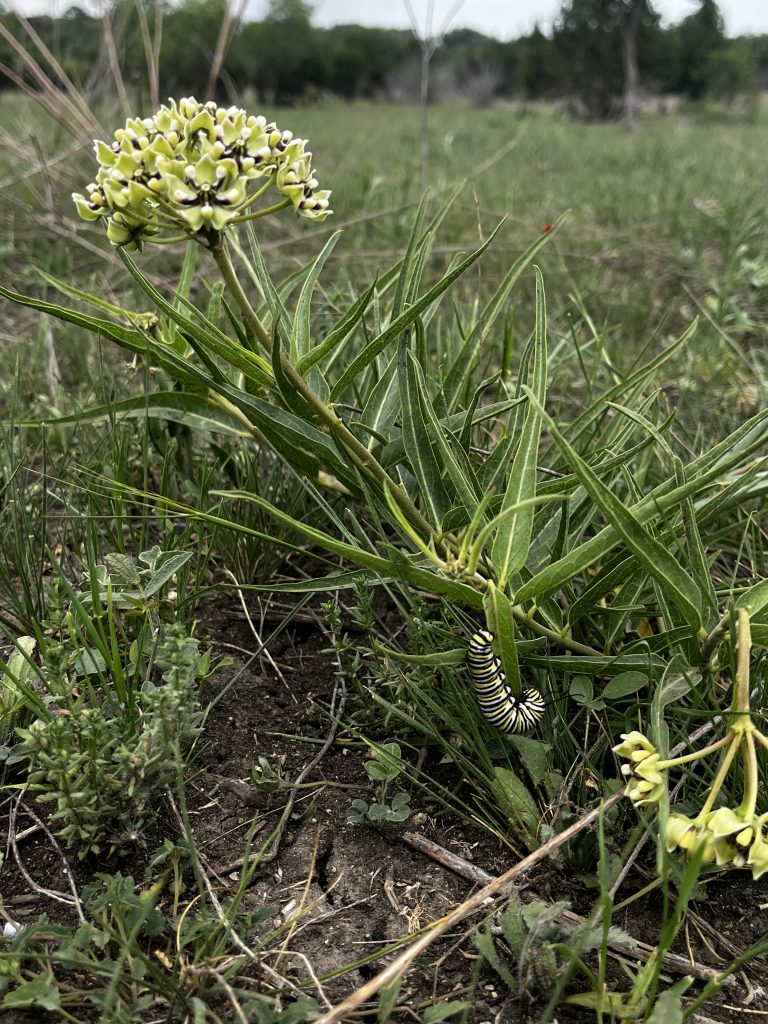
Each Fall, monarch butterflies travel thousands of miles from the northern U.S. states and Canada to get to Central Mexico, where they’ll spend their winter in oyamel fir trees. Texas plays a crucial role in their migration. Texas is a geographical funnel that connects the monarchs to Mexico, as well as provides them with essential resources to survive their final miles back. The fall flower bloom in Texas provides the Monarchs with energy for travel and breeding. The native milkweed plants allow monarchs to lay eggs and the caterpillars to eat.
Fort Hood lies directly in the path of the central flyaway, and it’s training fields provide an area for monarchs to fuel on their way to Mexico. The Adaptive and Integrative (AIM) team monitors the training areas for monarch habitat and also tags in the Fall. The Environment for the Americas team here at Fort Hood and the AIM team are all actively watching and waiting for the migration swarms to make it down.
Fort Hood was the first instillation across all military branches to pledge its commitment to sustaining monarch butterflies. From 2022 to the current year, 2025, Fort Hood still takes their pledge every year.
What’s Happening in the Field?
Although most of the monarchs haven’t found their way to Texas just yet, doesn’t mean there aren’t some early migrants around. The sightings are sparse, but not rare. So far, the totaling amount for Monarchs seen is:
- Eggs: 31
- Larvae: 2 ( One is a 1st instar, and the second was seen as a 1st instar but we’ve been tracking it and it is now a 5th instar)
- Adults: 7 (3 of which were tagged)
Monarchs aren’t the only butterflies around! There are many different butterfly species, as well as some that mimic the monarchs! A few species that can be seen out in the field include:
- Hackberry Emperors
- Queen Butterfly
- Gulf Fritillary
- Variegated Fritillary
- Great Purple Hairstreak
- Cloudless Sulphur
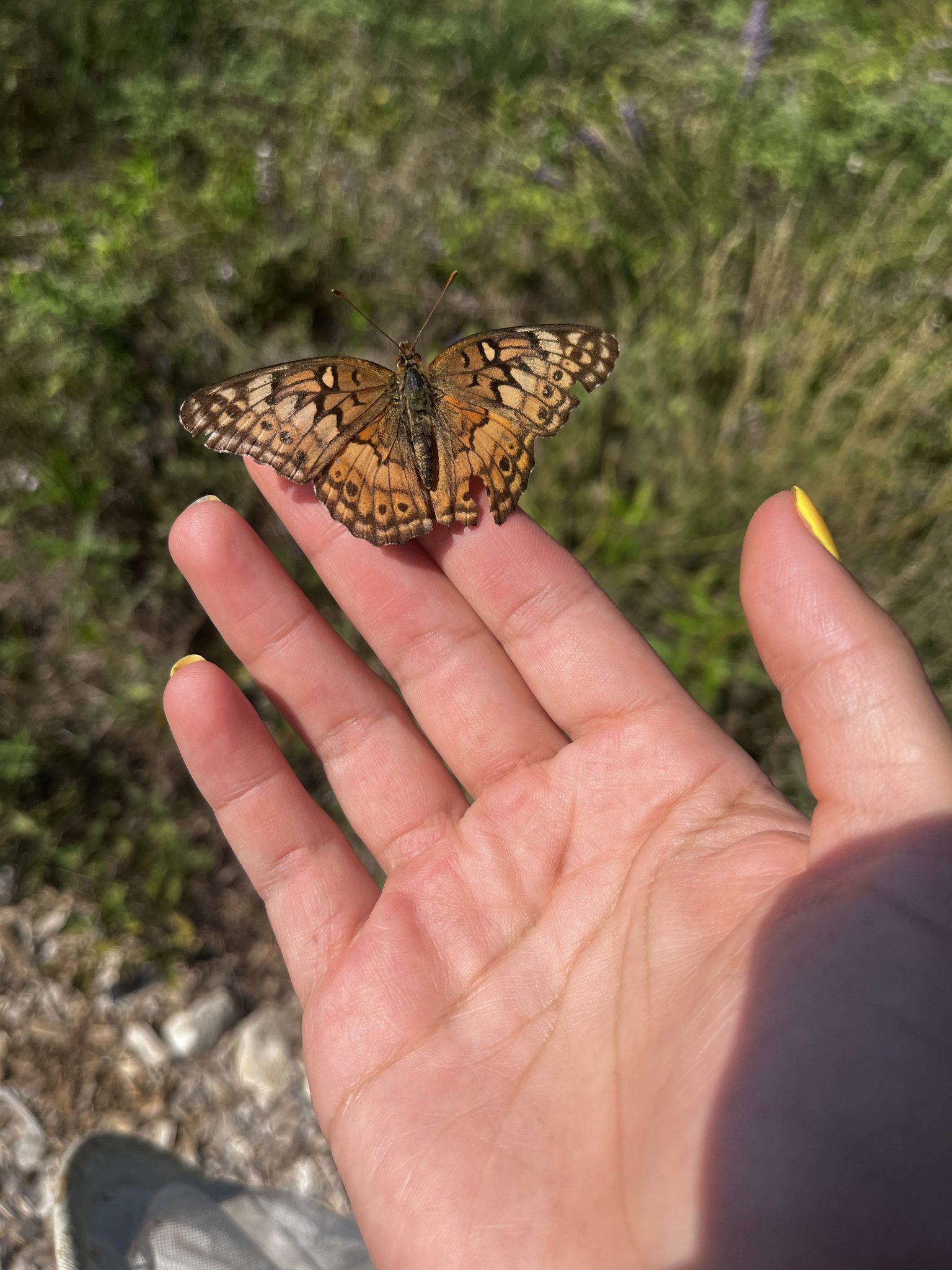
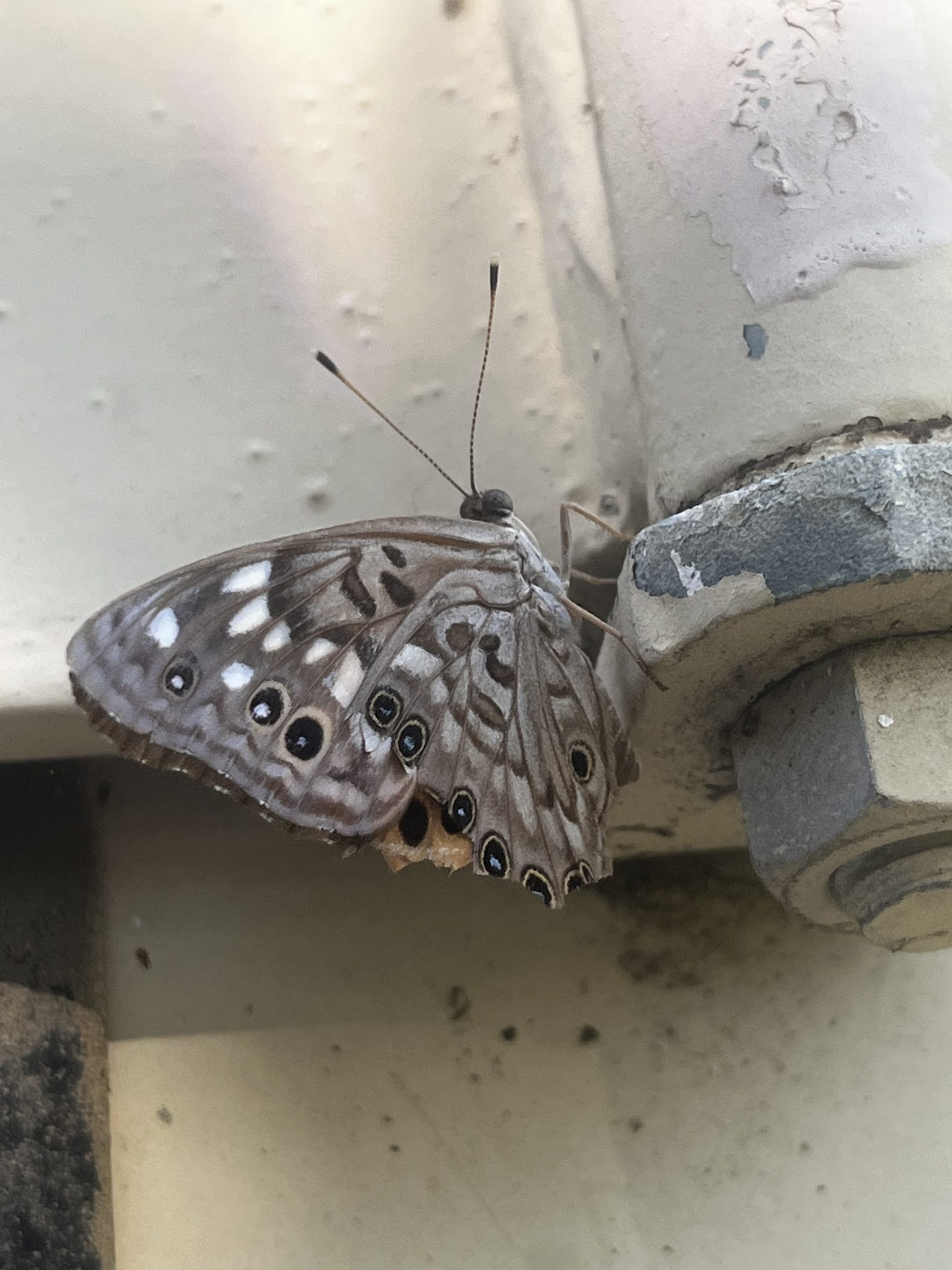
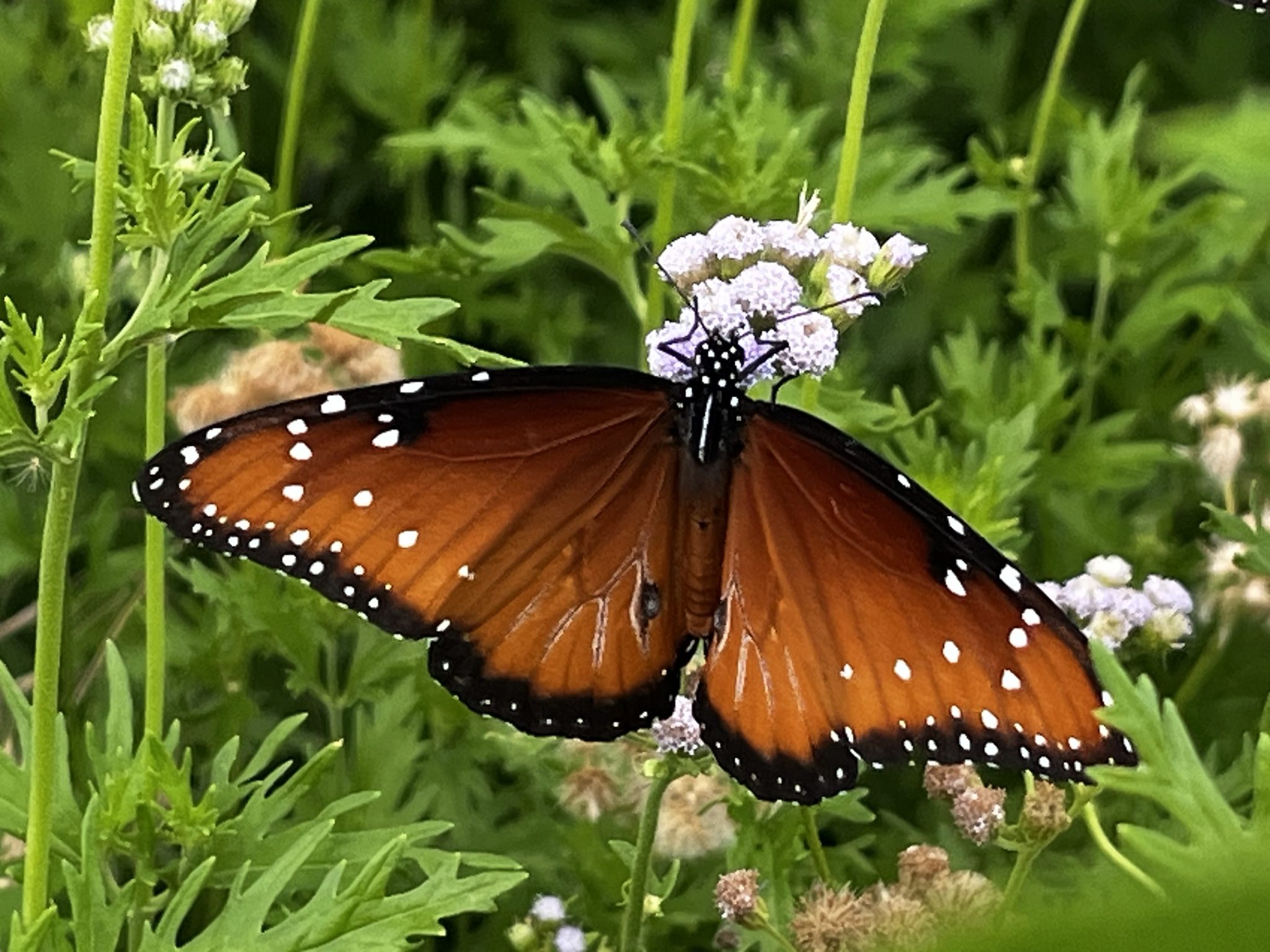
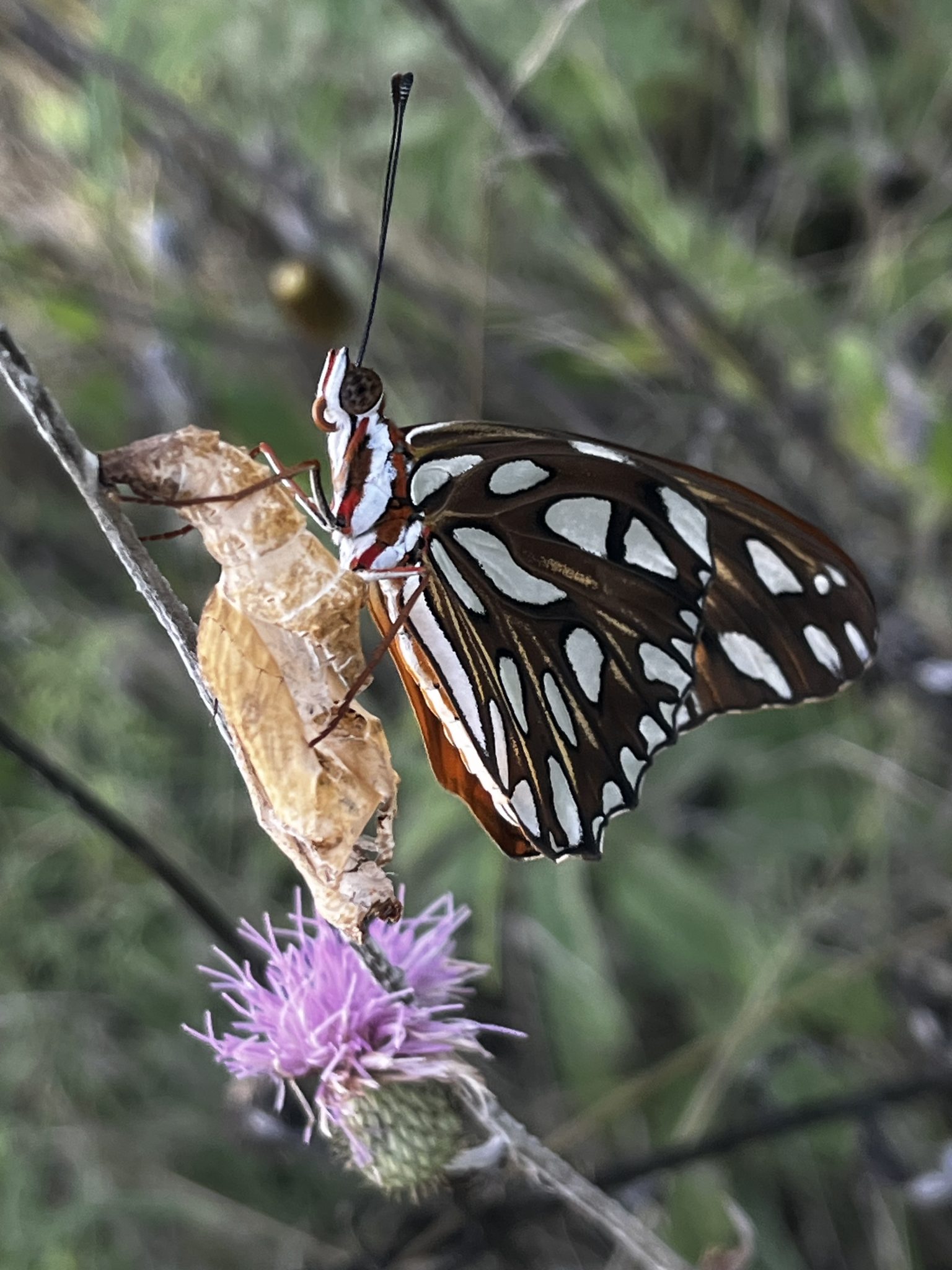
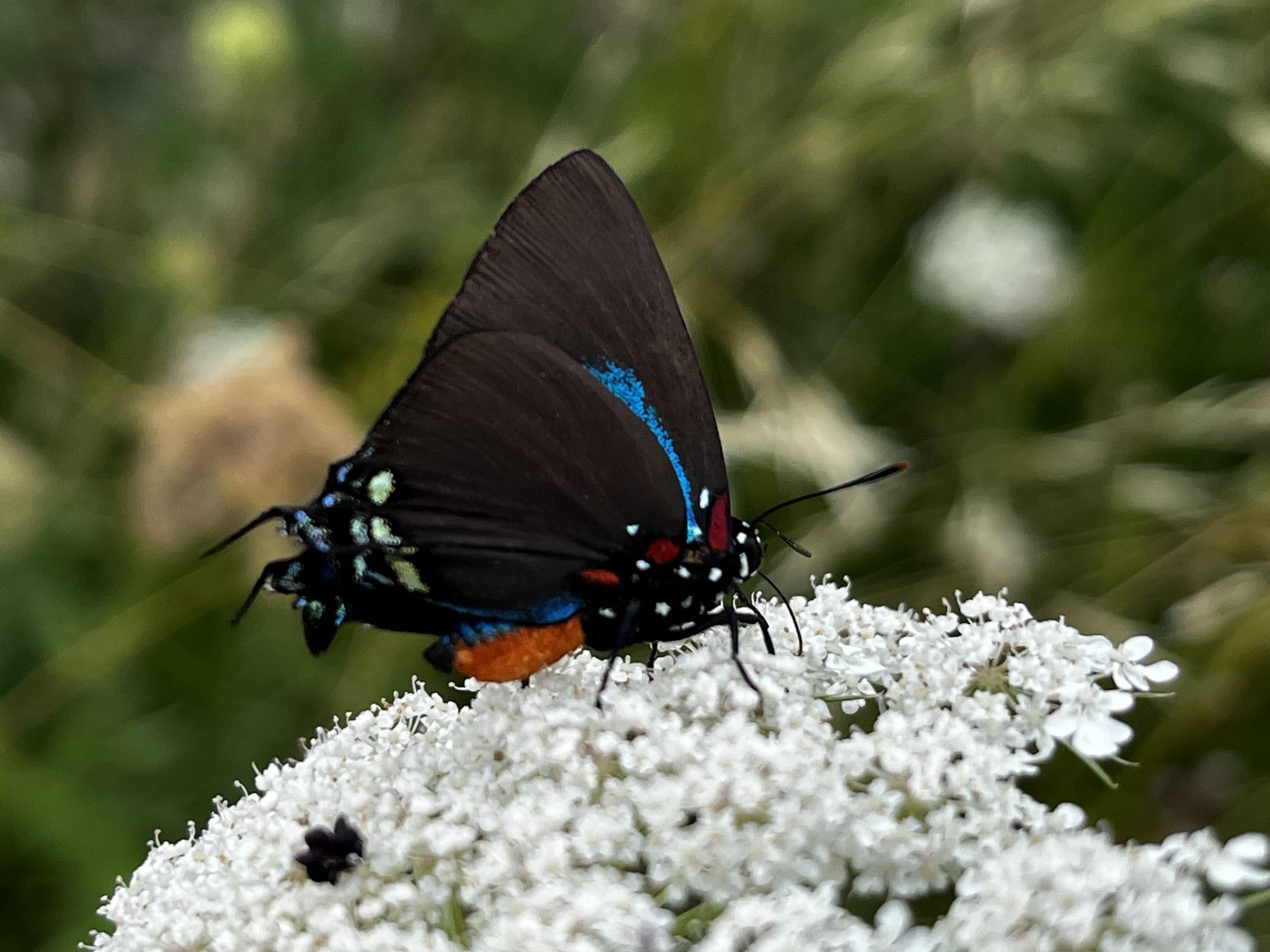
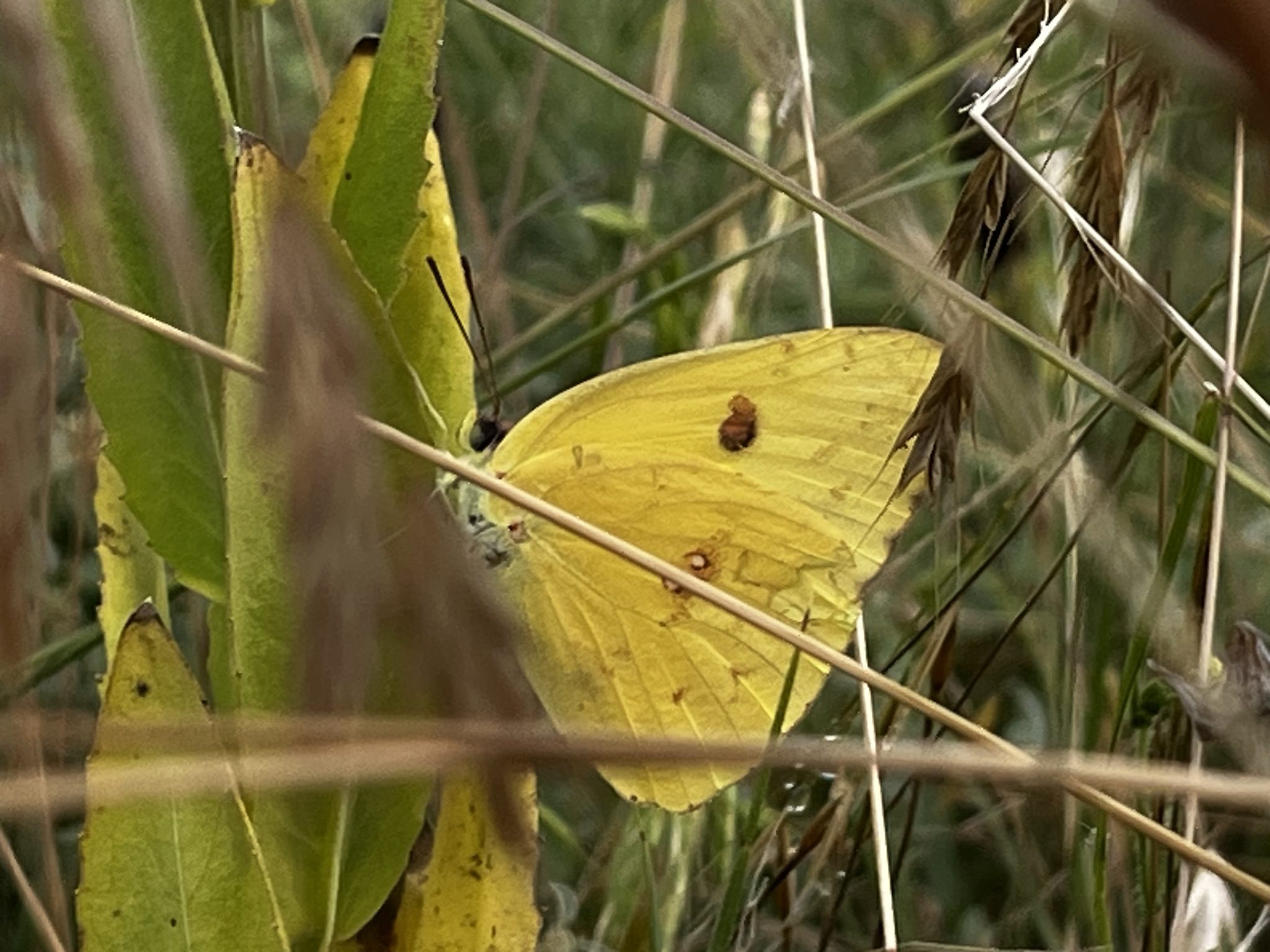
Besides butterflies, there are all kinds of creatures out there. Many times their too fast to photograph, but they’re out there! The training fields of Fort Hood are an important ecosystem from all of these animals. There are crickets and cicadas that fill the air with sound. Spiders that weave their elaborate webs between the Texas Snakeweed and Curly Top Gumweed. Moths and bees buzzing around going to every blooming flower. Birds darting through bushes and patrolling the skies. And signs of animals that aren’t regularly seen during the day, raccoon and coyote tracks and deer paths.
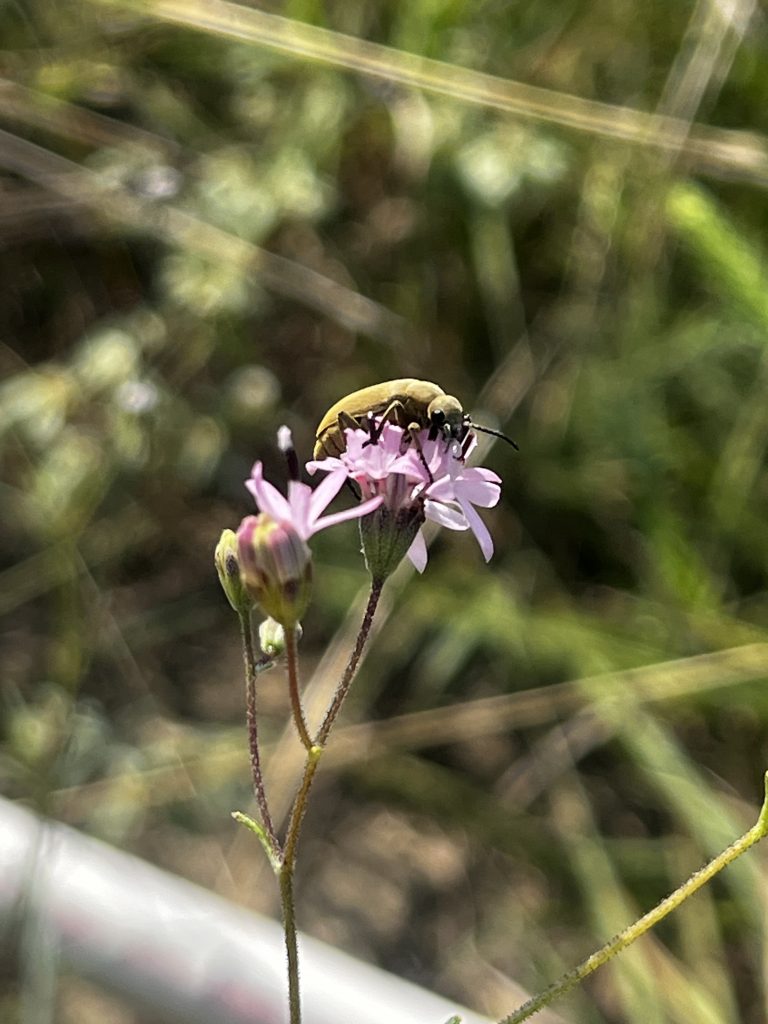
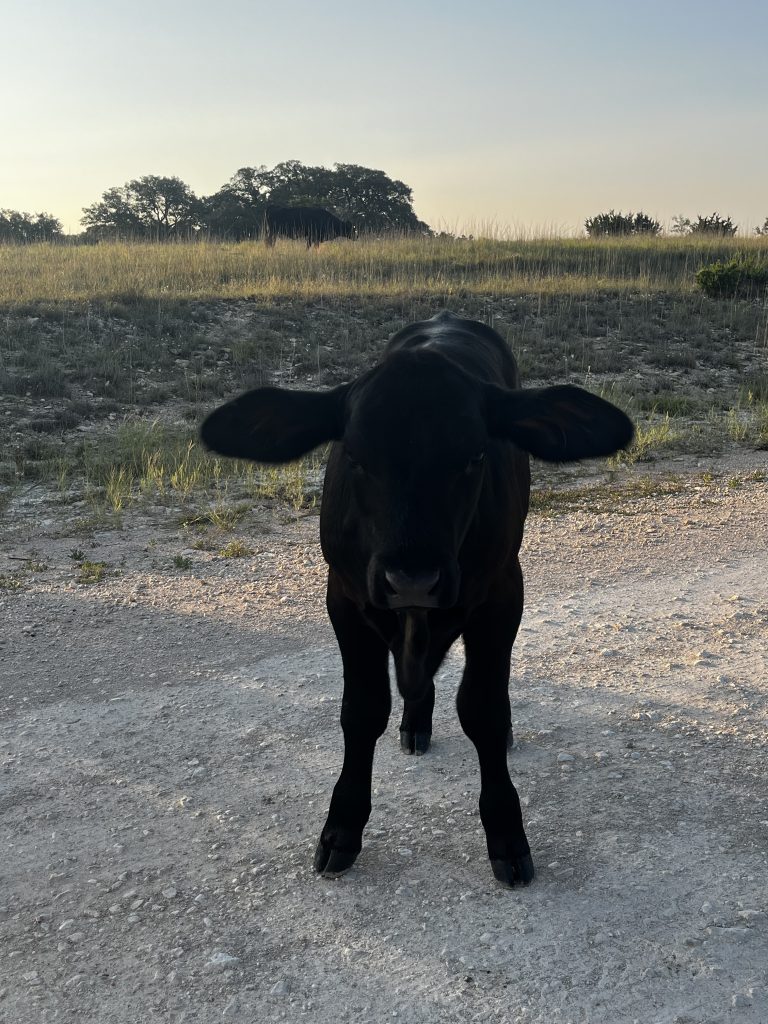
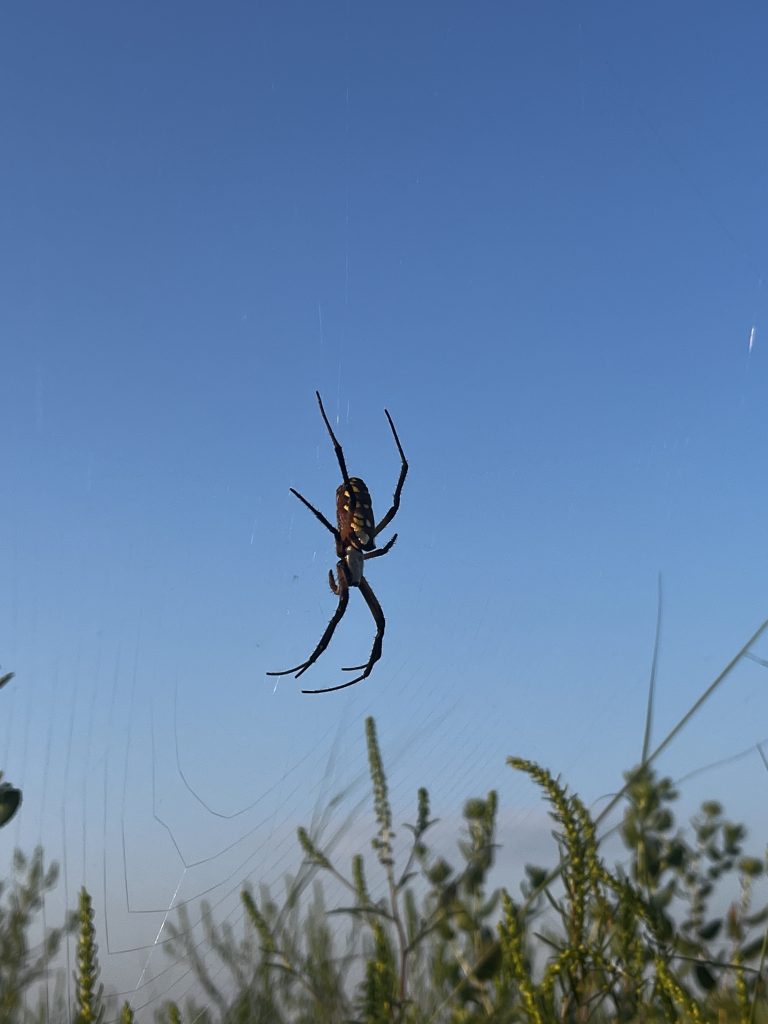
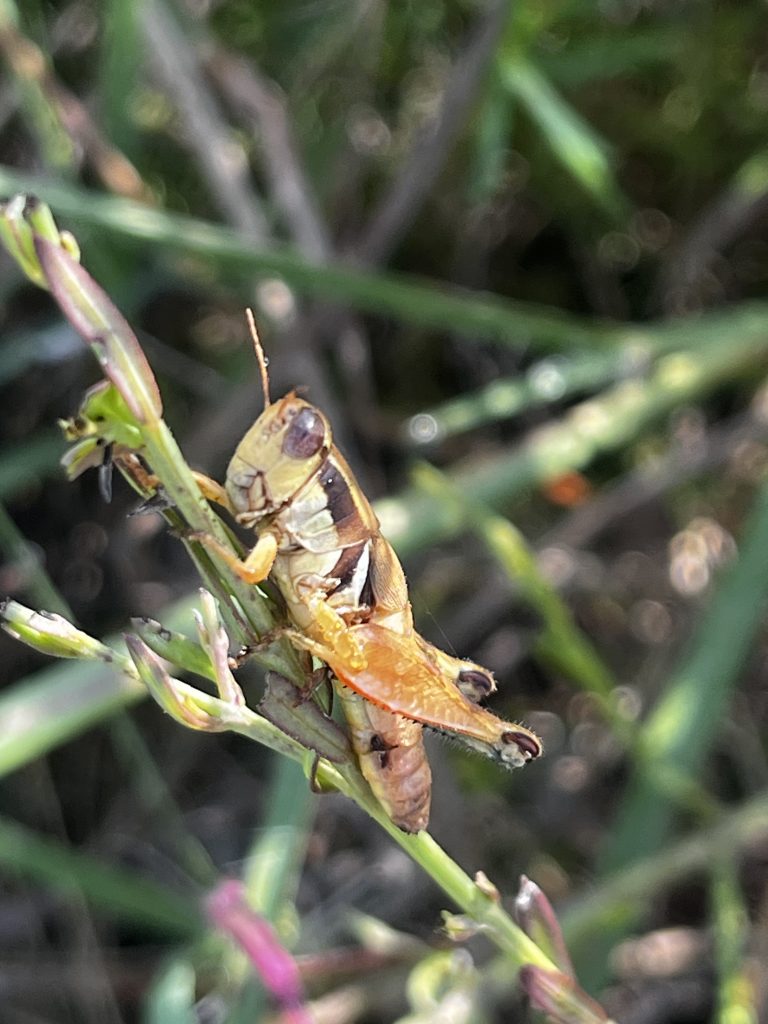
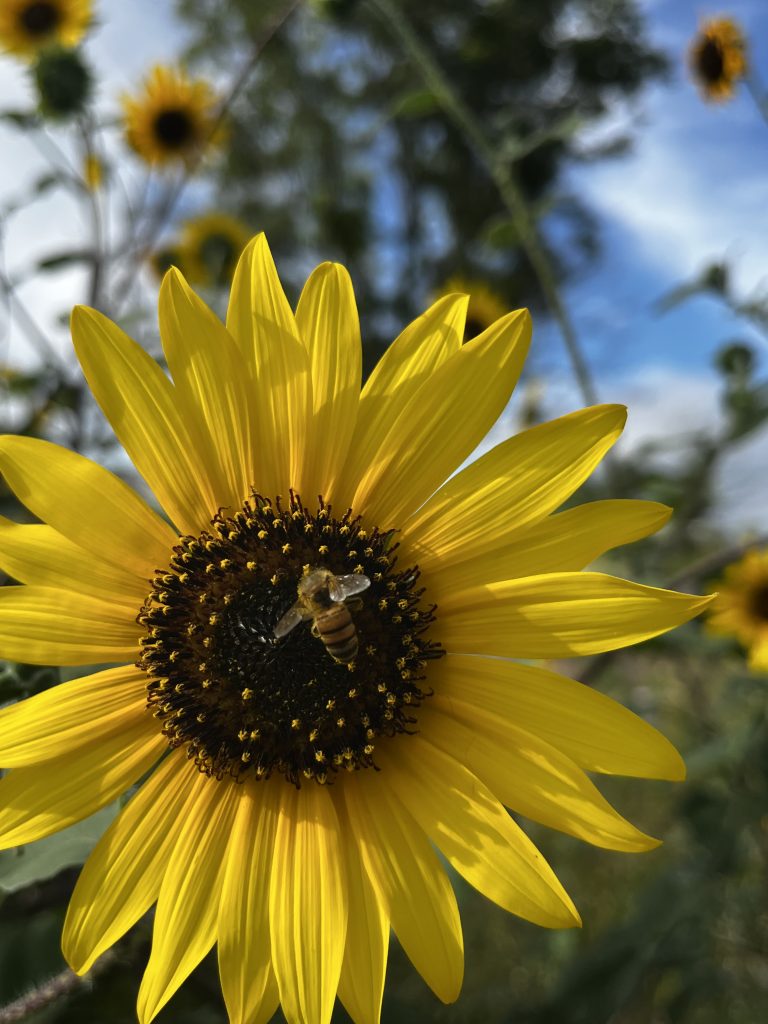
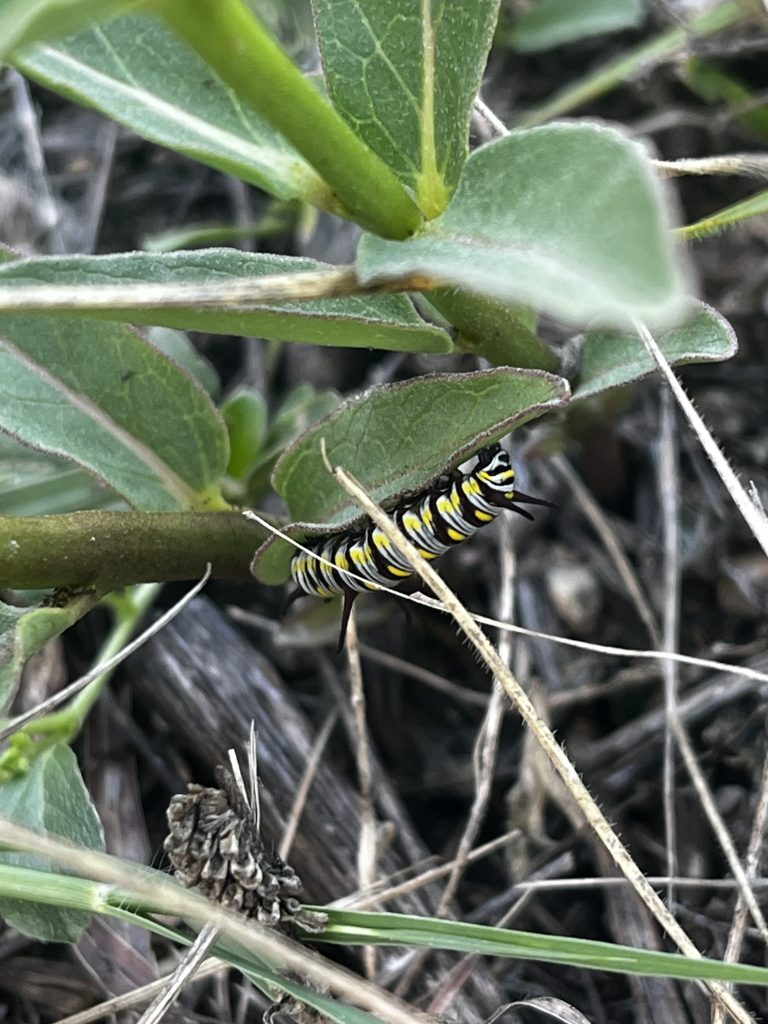
Everyone is anticipating the arrival of the monarchs, but spending time in the Fort Hood fields showed me that nature doesn’t wait for one species. Life is continuously shifting and adapting.
Sorry, the comment form is closed at this time.