


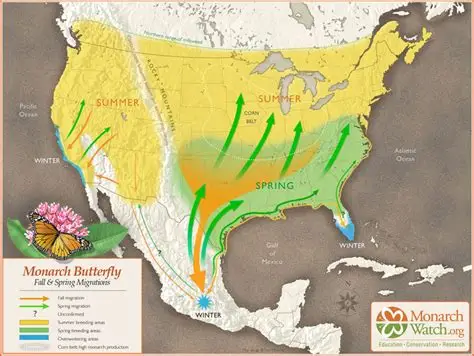
14 Oct Why do Monarchs stop in Colorado?
Why Monarchs Stop in Colorado: The State’s Hidden Role in Their Epic Journey
Every fall, one of nature’s most remarkable migrations sweeps quietly through the skies above Colorado. Monarch butterflies—those fragile orange-and-black travelers—undertake a journey of thousands of miles from the northern United States and Canada to their wintering grounds in central Mexico. While Colorado is not the heart of their migratory pathway like the Midwest, it plays an important and often overlooked role in this epic seasonal journey.
The Geography of a Stopover
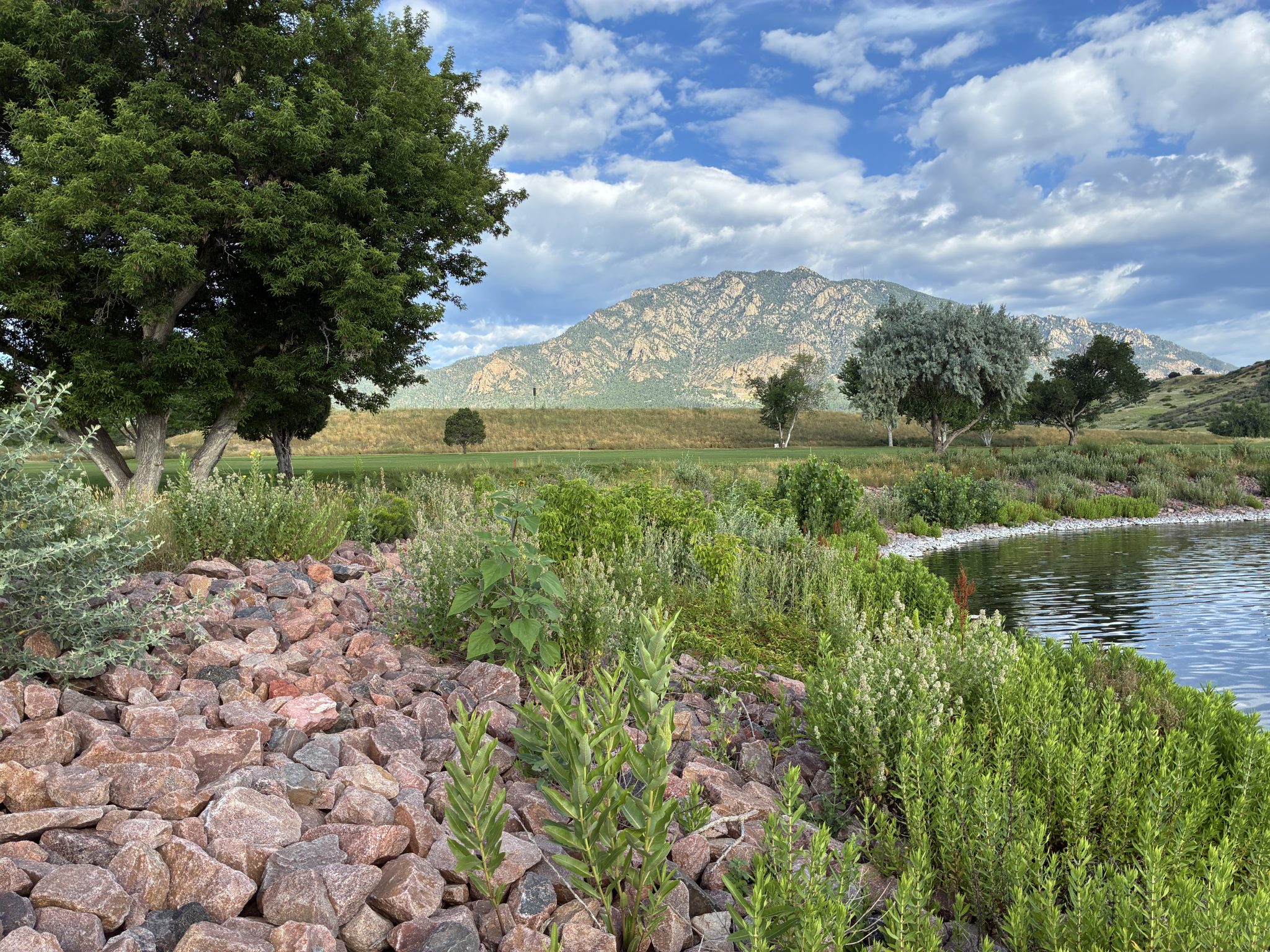
Colorado sits at the crossroads of prairies, foothills, and mountains. This diverse mix of ecosystems makes the state a natural rest stop for monarchs. As they move southward, butterflies search for places that provide two essentials: nectar to fuel their flight and milkweed to support the next generation.
Unlike the central flyway through Kansas and Texas, Colorado doesn’t see monarchs in massive waves. Instead, it offers smaller but critical stepping stones—patches of habitat where butterflies can pause, feed, and continue their trek.
Nectar Stations in a Dry Landscape
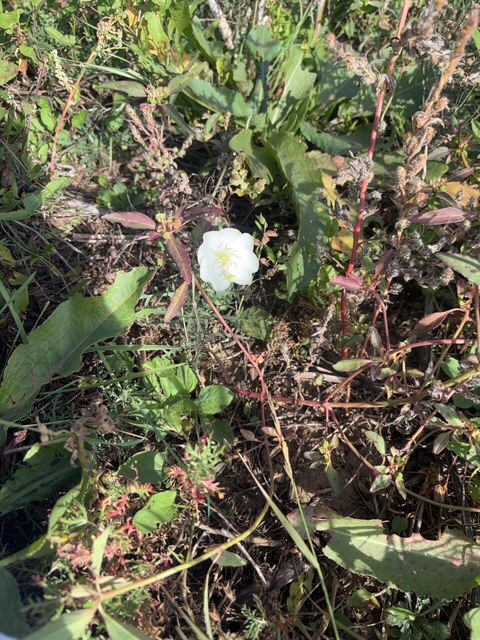
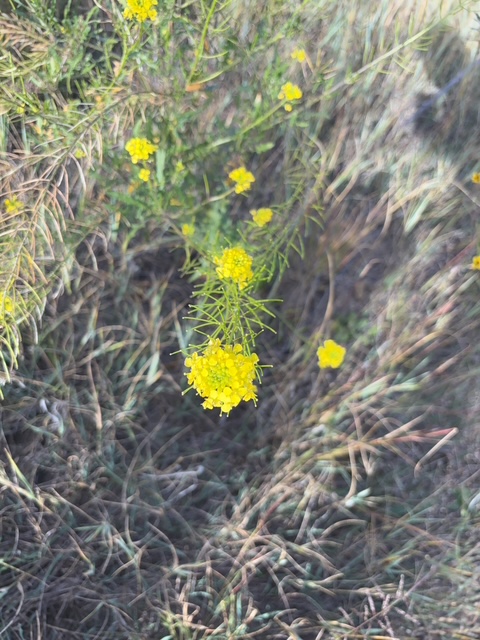
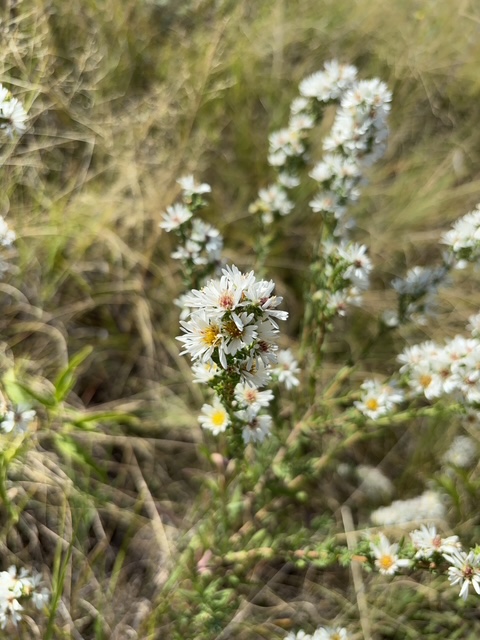
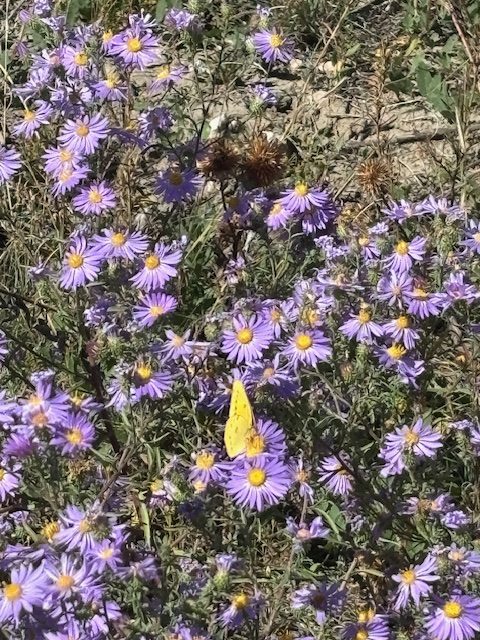
The high plains of eastern Colorado, with late-blooming wildflowers like goldenrod, sunflowers, and asters, are particularly valuable to migrating monarchs. These nectar-rich plants act like “filling stations” for butterflies in need of energy reserves for the final stretch to Mexico.
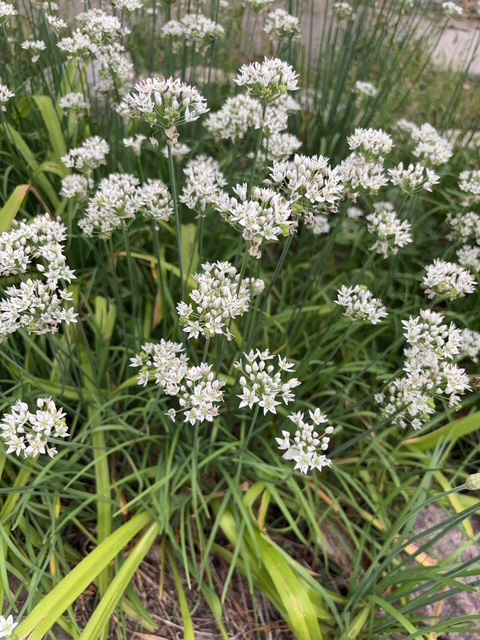
Urban gardens and restored prairies in Denver, Colorado Springs, and smaller towns can also become stopover havens, especially when planted with native nectar flowers. In dry years, these cultivated patches may be the only reliable sources of food monarchs encounter.
Milkweed: A Critical Anchor
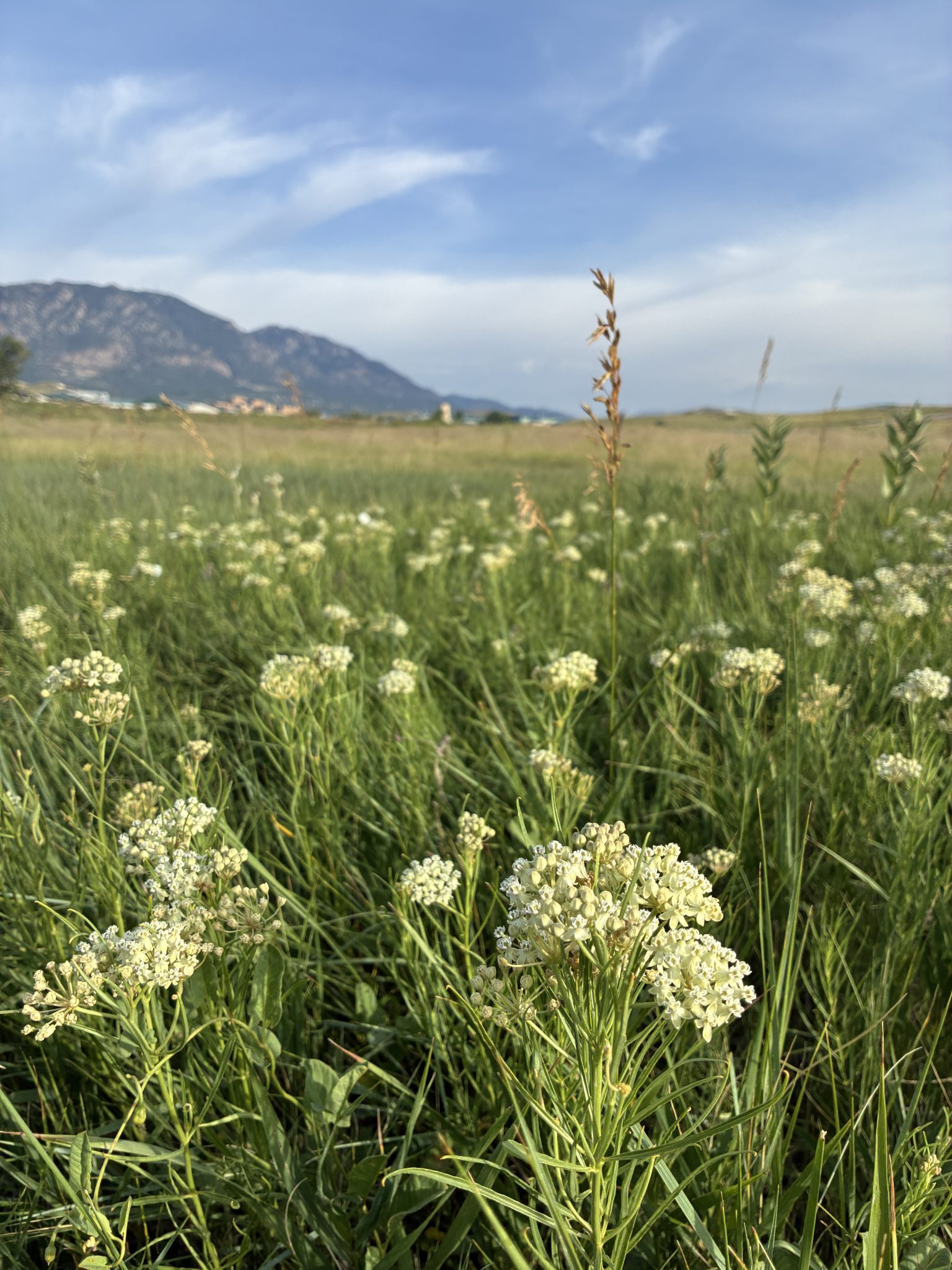
While migrating monarchs are focused on reaching Mexico, some still lay eggs along the way. Colorado hosts several native species of milkweed—showy milkweed, narrowleaf milkweed, and swamp milkweed, among others. These plants are the sole host for monarch caterpillars, ensuring that the species has backup opportunities to reproduce if conditions are right.
Even if eggs laid in Colorado don’t directly contribute to the overwintering generation, they help sustain populations along the broader migratory network. Every successful hatchling is another link in the chain of survival.
Challenges on the Colorado Stopover
The landscapes that monarchs depend on are shrinking. Urban development, pesticide use, and conversion of grasslands have reduced both nectar plants and milkweed.
In Colorado’s mountains, early frosts can cut short flowering seasons. On the plains, drought can reduce nectar flow in native plants. For butterflies that weigh less than a paperclip, these obstacles can mean the difference between making it to Mexico or not.
How Coloradans Can Help
The good news is that small actions in Colorado can have big ripple effects. Home gardeners, schools, and communities can support monarch migration by:
- Planting native milkweed and nectar flowers. Focus on late-blooming species that coincide with migration.
- Avoiding pesticides and herbicides. Even small amounts can harm butterflies and caterpillars.
- Participating in citizen science. Projects like Monarch Watch and Journey North allow Coloradans to track migration and contribute data that scientists rely on.
A Quiet but Vital Role
Monarchs don’t gather in spectacular swarms in Colorado the way they do in Texas or Mexico. But each butterfly that rests in a prairie field, nectars on a backyard sunflower, or finds a milkweed patch in a community garden is part of a much bigger story. Colorado’s landscapes, both wild and cultivated, provide waypoints that keep the migration going.
Sorry, the comment form is closed at this time.