


28 Oct The Rusty Patched Post
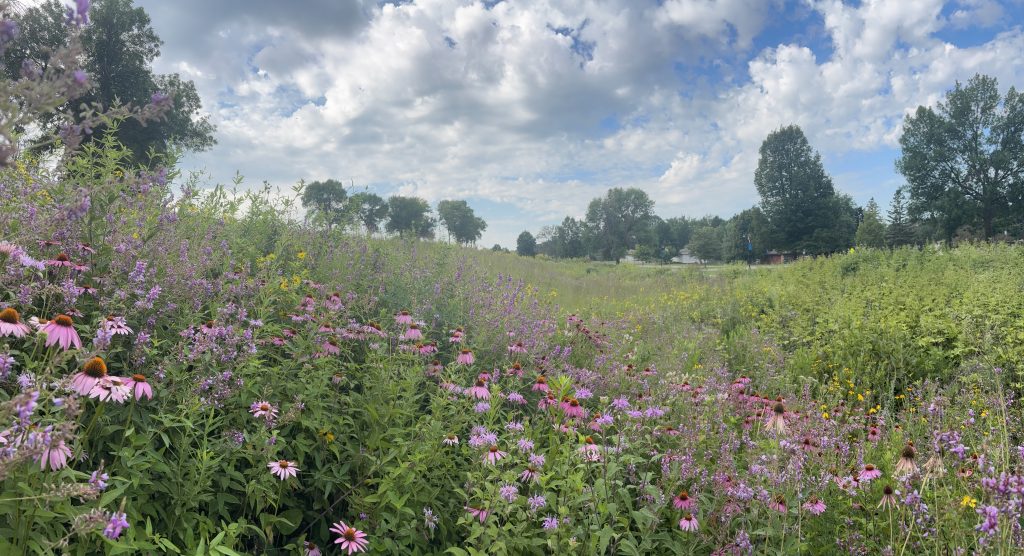
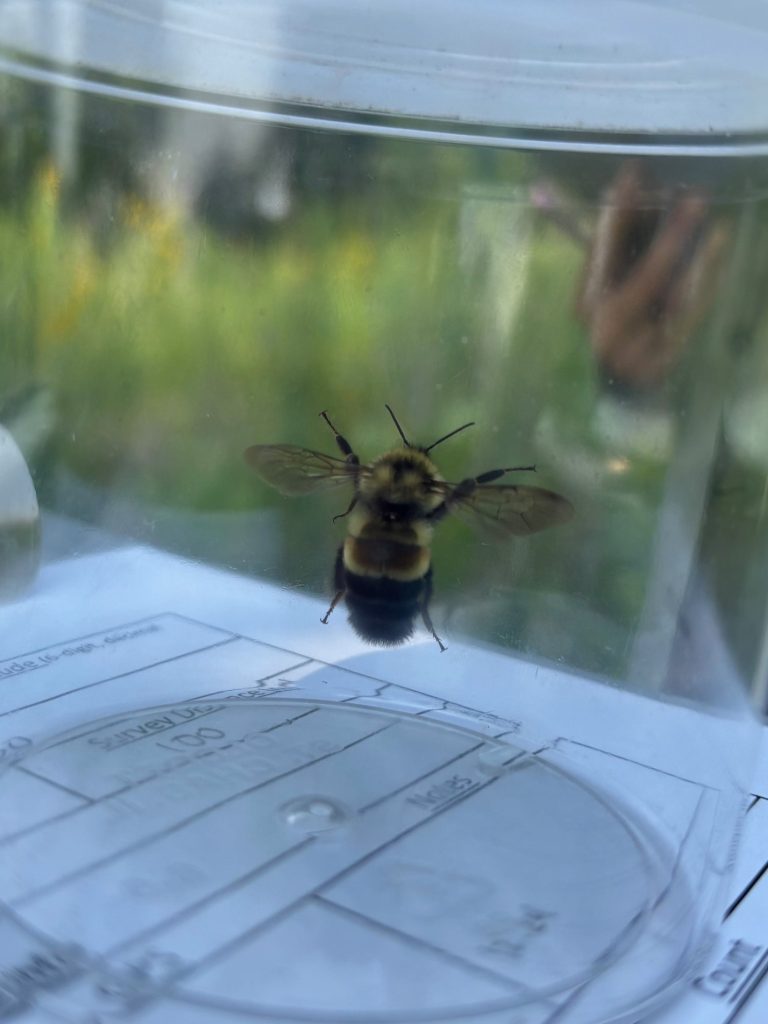
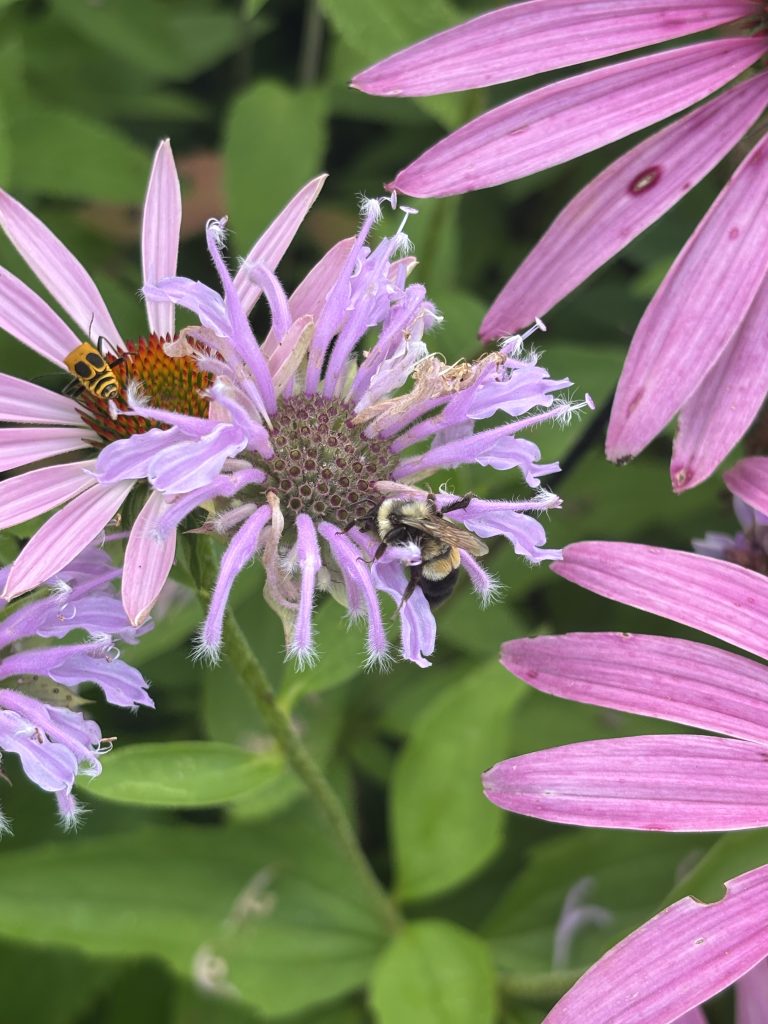
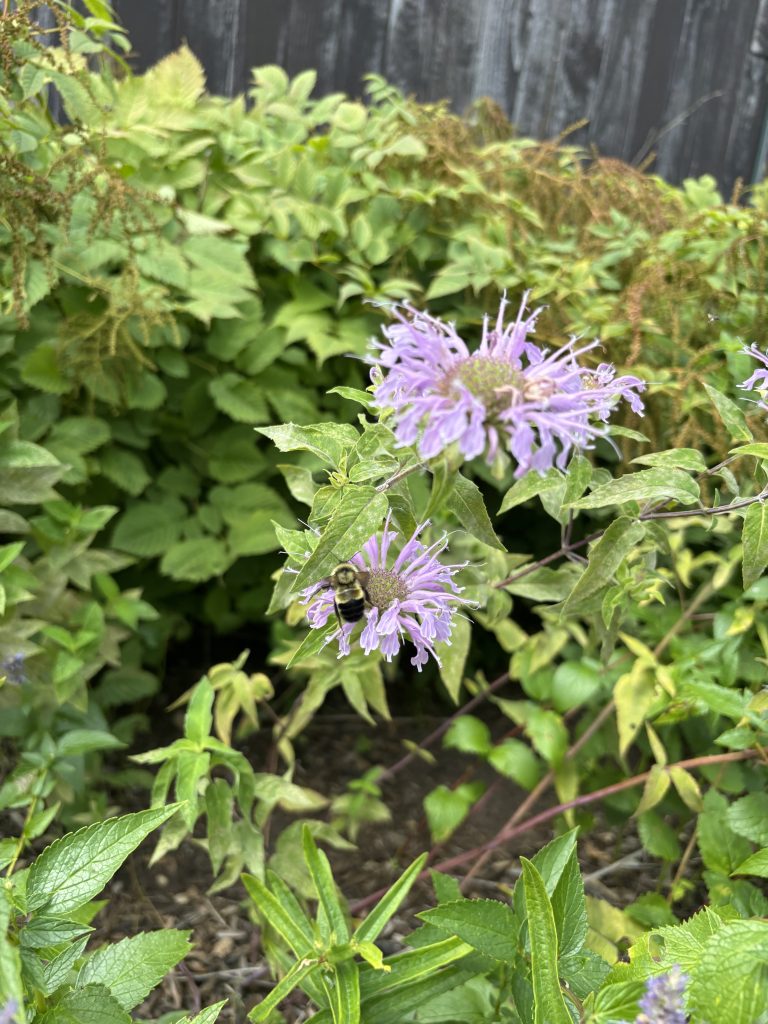
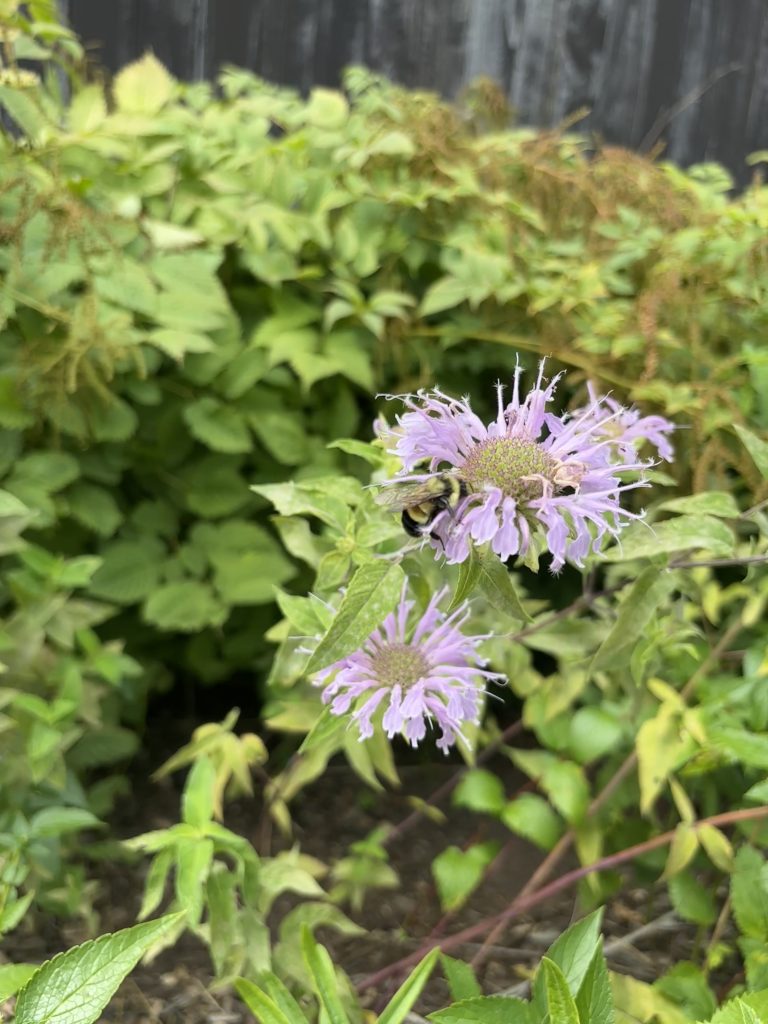
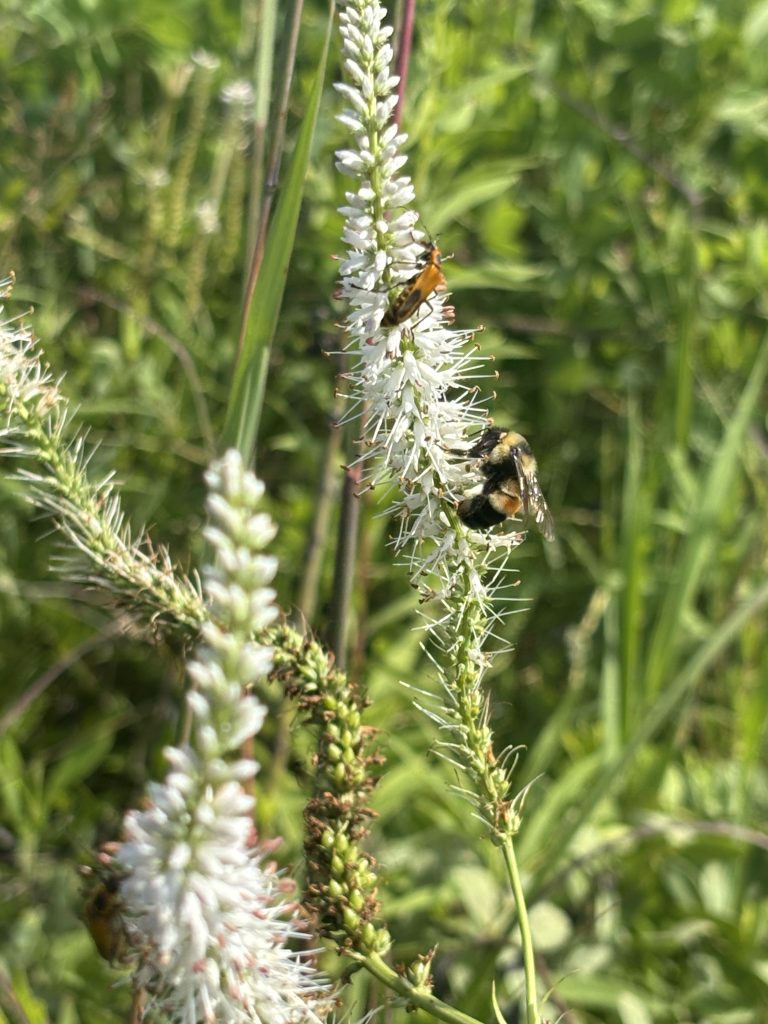
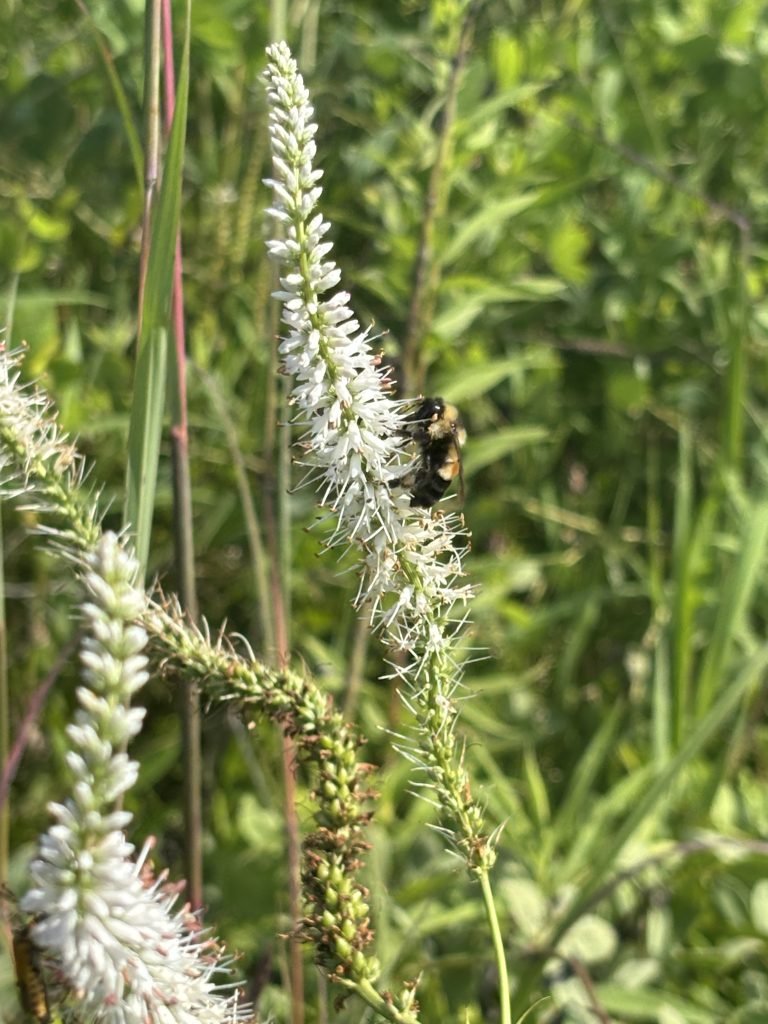
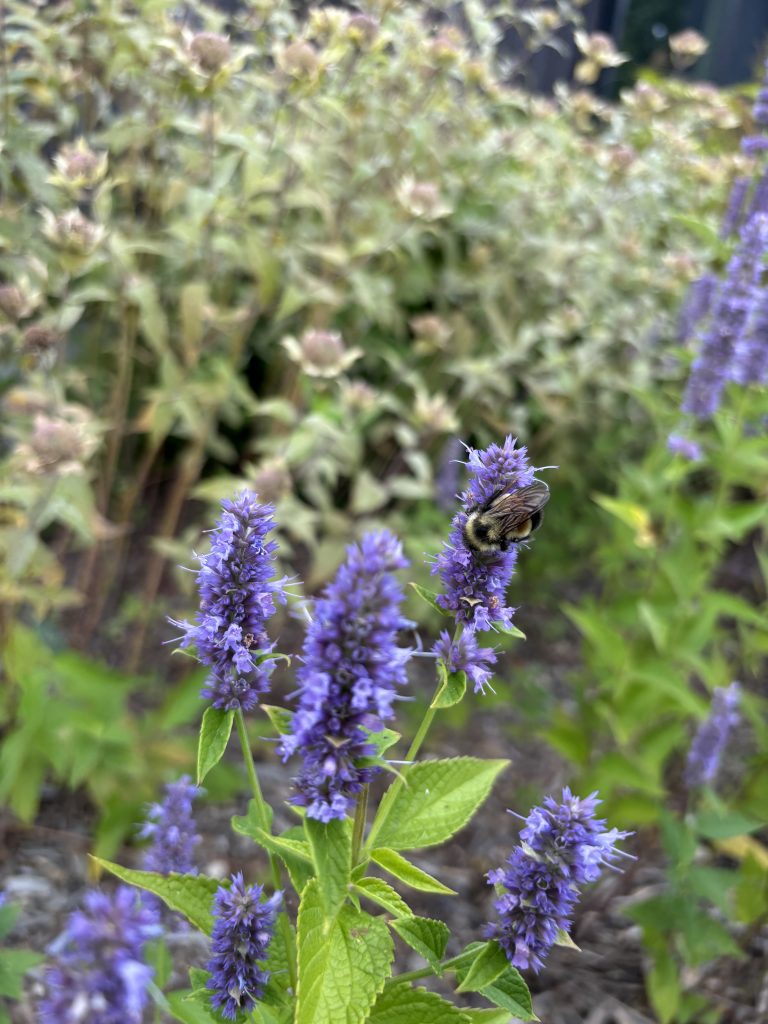
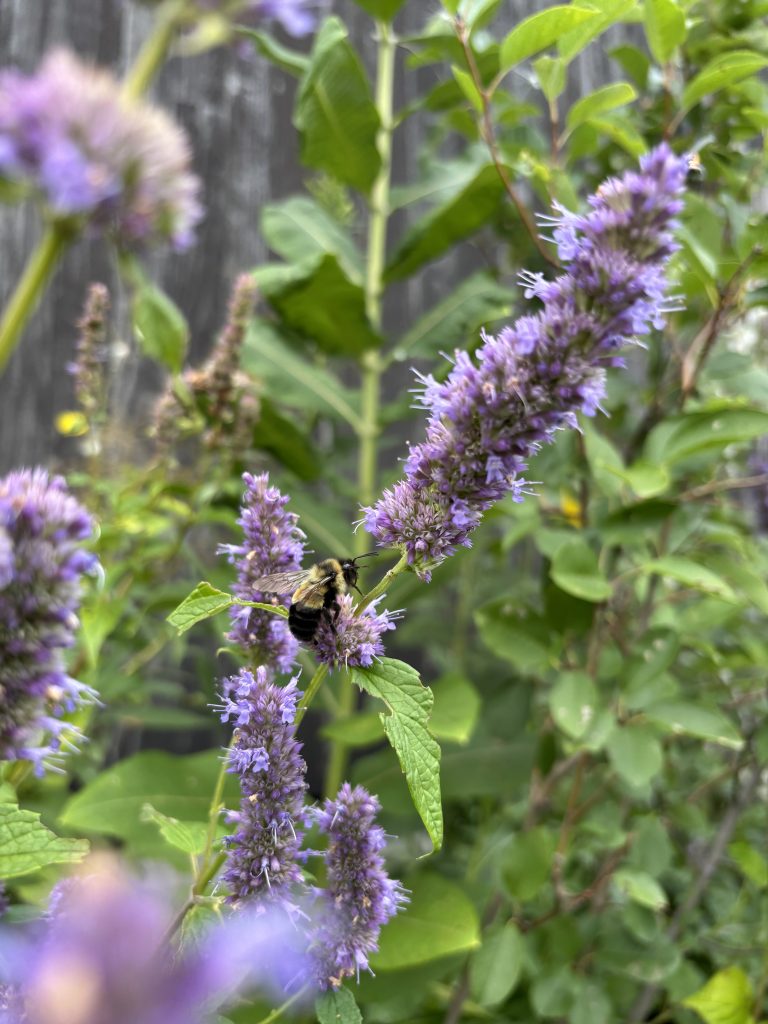
Big news: I saw my first rusty patched bumble bee during a survey! And then I found another and another and another! I got to see their signature rusty patches, which actually range from light orange to reddish brown, as well as the black band of hairs between their wings that forms a thumbtack-like shape. Most of them were on wild bergamot (Monarda fistulosa), also called bee balm, but they have also been found on Culver’s root (Veronicastrum virginicum), anise hyssop (Agastache foeniculum), and Virginia mountain mint (Pycnanthemum virginianum), just doing their thing. On the bergamot that means biting the flower at the base of the corolla (the purple tubes that stretch out like petals) and using their short tongues to lap up nectar through the hole, bypassing the stamen and anthers (where the pollen is) in a process called nectar robbing. Some short-tongued bees like the rusty patched bumble bee do this because their tongues are not long enough to reach the nectar through the traditional route down the corolla. When bees take this shortcut, they ‘rob’ the flower of its nectar without pollinating it in return.
So far, rusty patched bumble bees in the Midwest seem to prefer developed areas rather than rural ones. In addition to their favorite rodent burrows, they’ve also been found nesting in foundations, backyards, and even the lining of an armchair. Before this summer, I wouldn’t have thought that urban and degraded habitats could be important to species of conservation concern, but the data show otherwise. Of course, some of this could be down to having more people and an increased search effort in urban areas than rural ones, but even so, it’s wild that we’ve found so many nests where I would not have even thought to look. From their rusty patches to the way they drink nectar, to the places they choose to call home, this bumble bee species is full of unique and somewhat unexpected traits that create a delightfully distinct search image that’s easy to remember and identify. After going out 13 times, I found five out of the total 34 seen this season at five out of six of our sites.
Sorry, the comment form is closed at this time.