


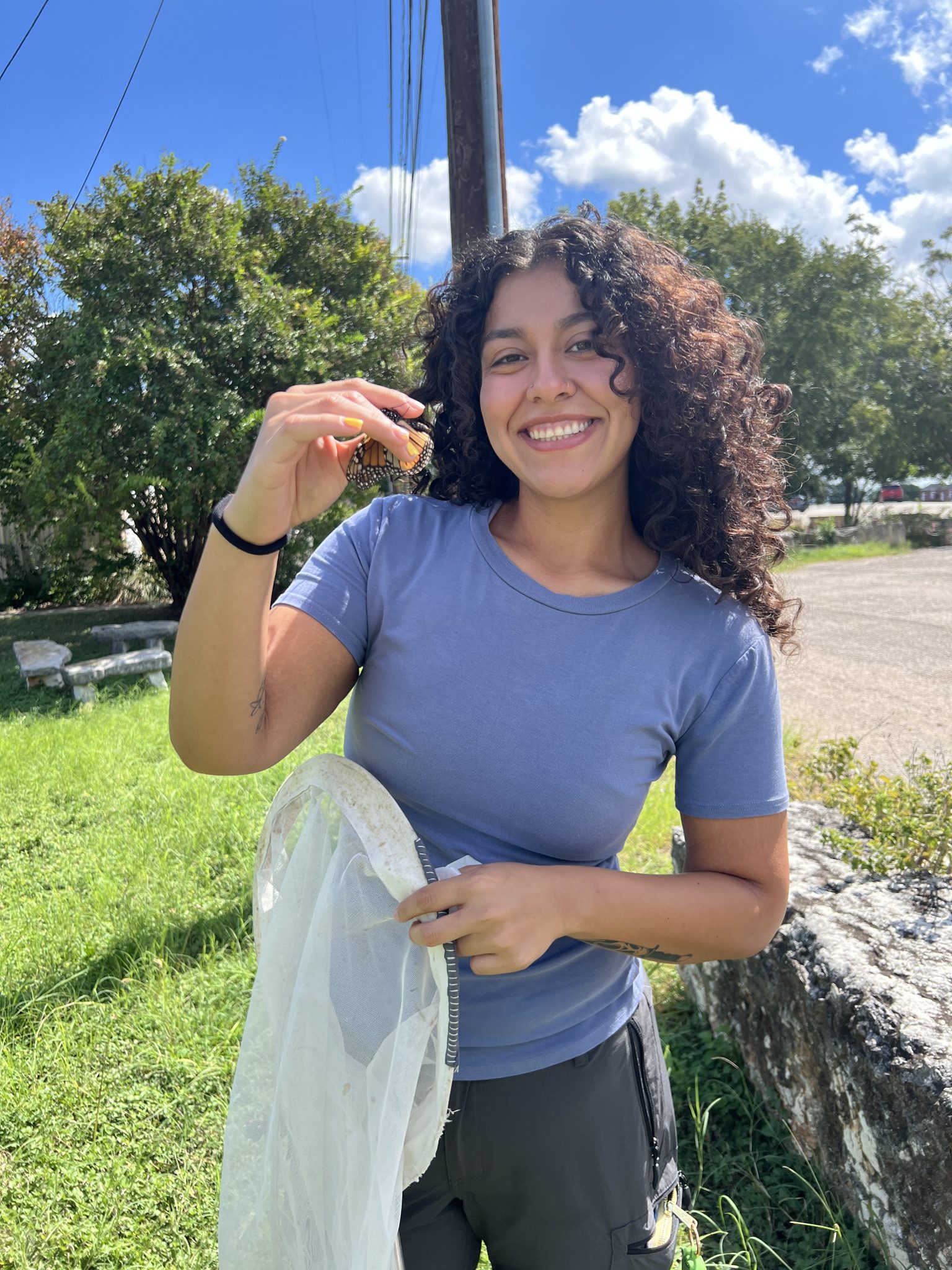
30 Oct A Season with the Monarchs: My Internship Journey with EFTA at Fort Hood
This past year, I interned with Environment for the Americas (EFTA) as a Monarch Research and Education intern, working closely with the Adaptive and Integrative Management (AIM) team at Fort Hood. What started as an opportunity to learn about monarch research turned into a season full of exploration, learning, and growth. My main focus was to monitor monarch habitats, which basically meant spending a lot of time in the field checking milkweed plants, looking for monarch eggs, caterpillars, and butterflies, and keeping track of how the environment changed over time through nectar sources. But that was just the beginning. Working with the AIM team meant I got to experience so much more!
Monarch Surveys: Following the Monarchs
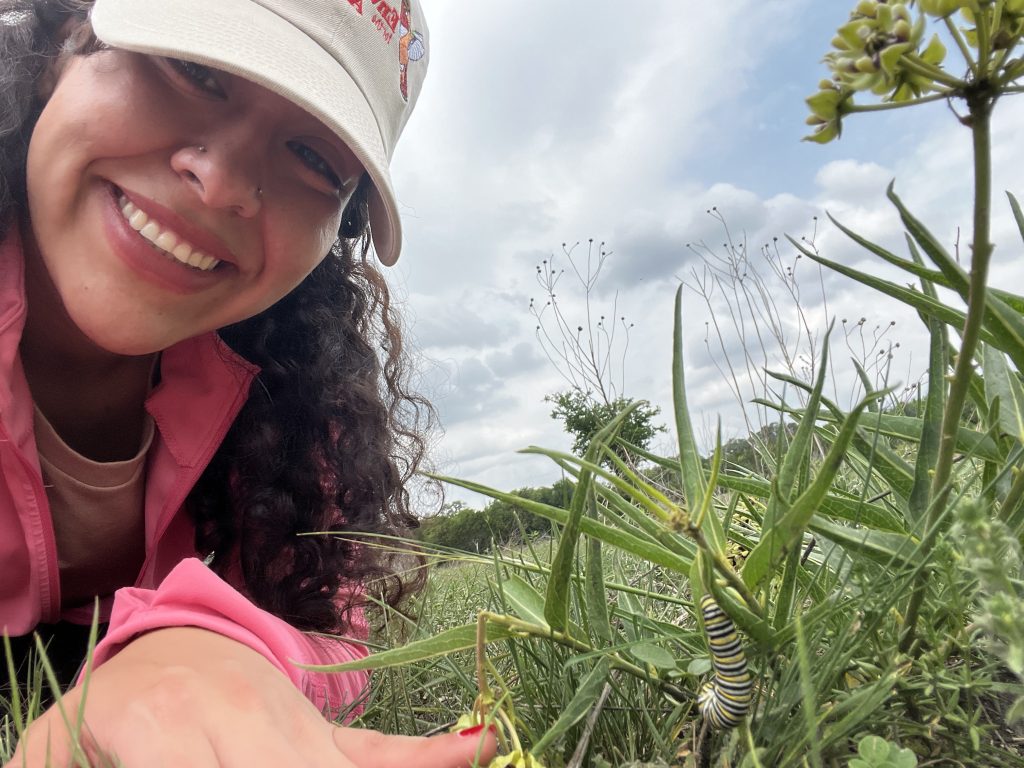
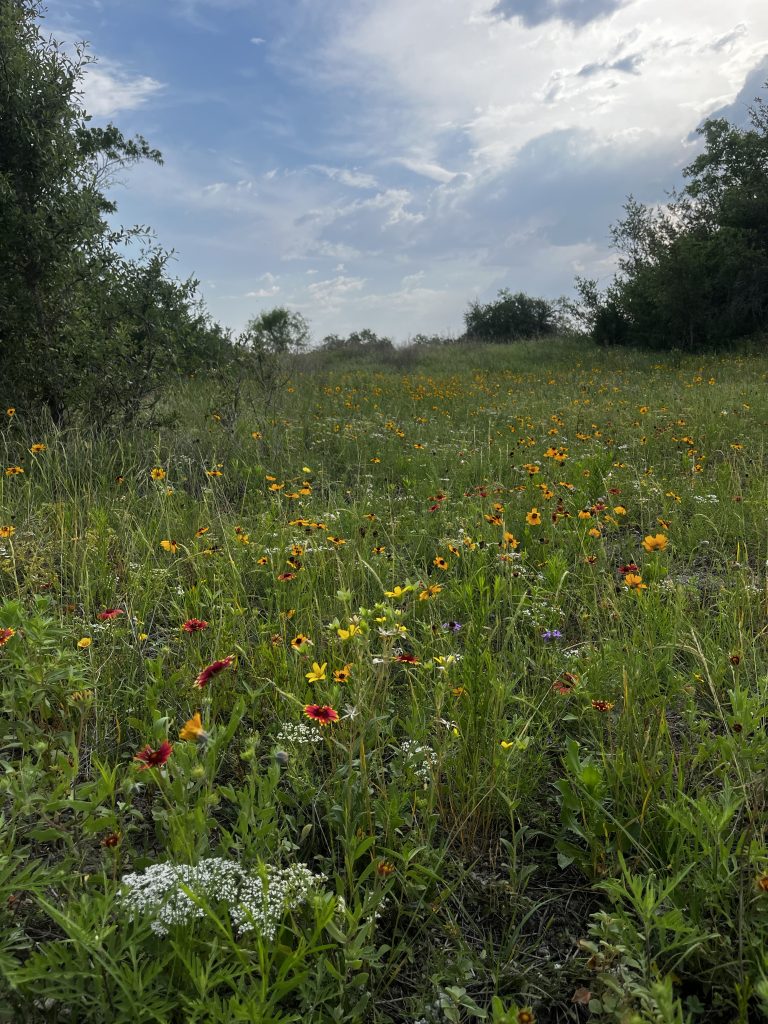
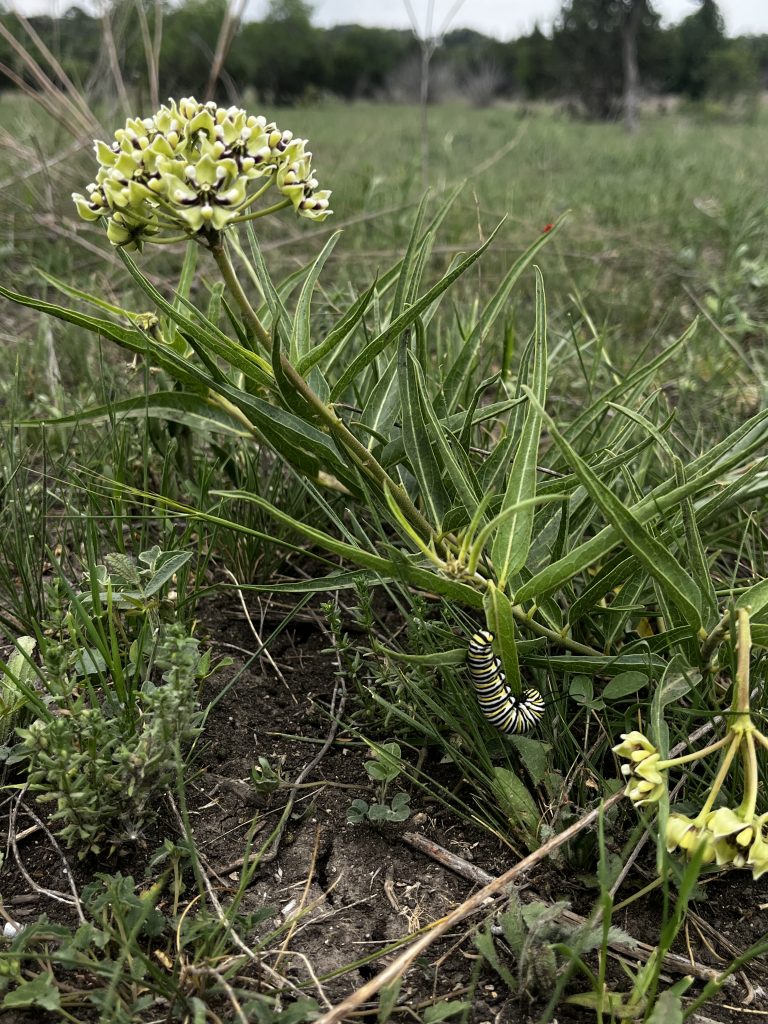
One of the main parts of my internship was conducting monarch surveys in the training fields of Fort Hood. Throughout the Spring, I monitored milkweed and nectar plants, checking each milkweed leaf and flower for monarch eggs, caterpillars, and adult butterflies. Every site visit meant recording data on blooming stages and monarch activity to help track how the habitat supports these migrating beauties.
Fun Fact: Milkweed plants thrive in areas with disturbance! We also document disturbances within the training fields, such as grazing, fires, and the presence of the DOD. Most of the milkweed found in the fields has been in the grooves of tank trails!
Surveying the plots may sound simple, but monarch surveys require patience and a keen eye. Finding a monarch egg or a 1st instar can be tricky, but it’s always exciting! Some days are filled with sightings, while others are long, quiet hours in the field.
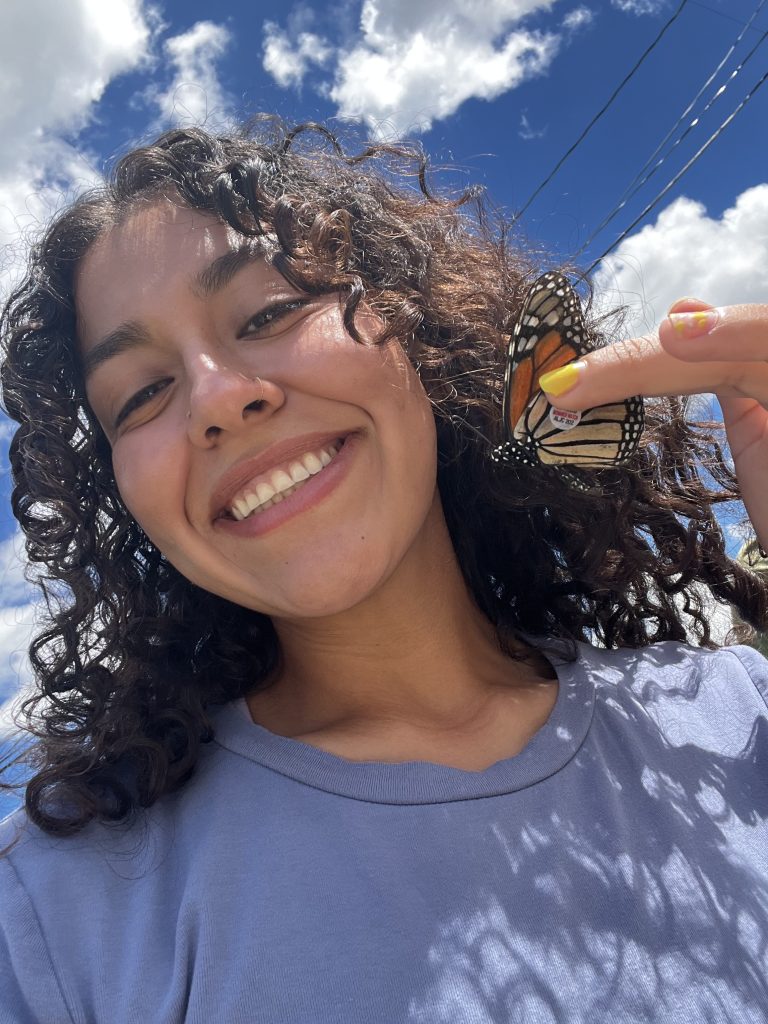
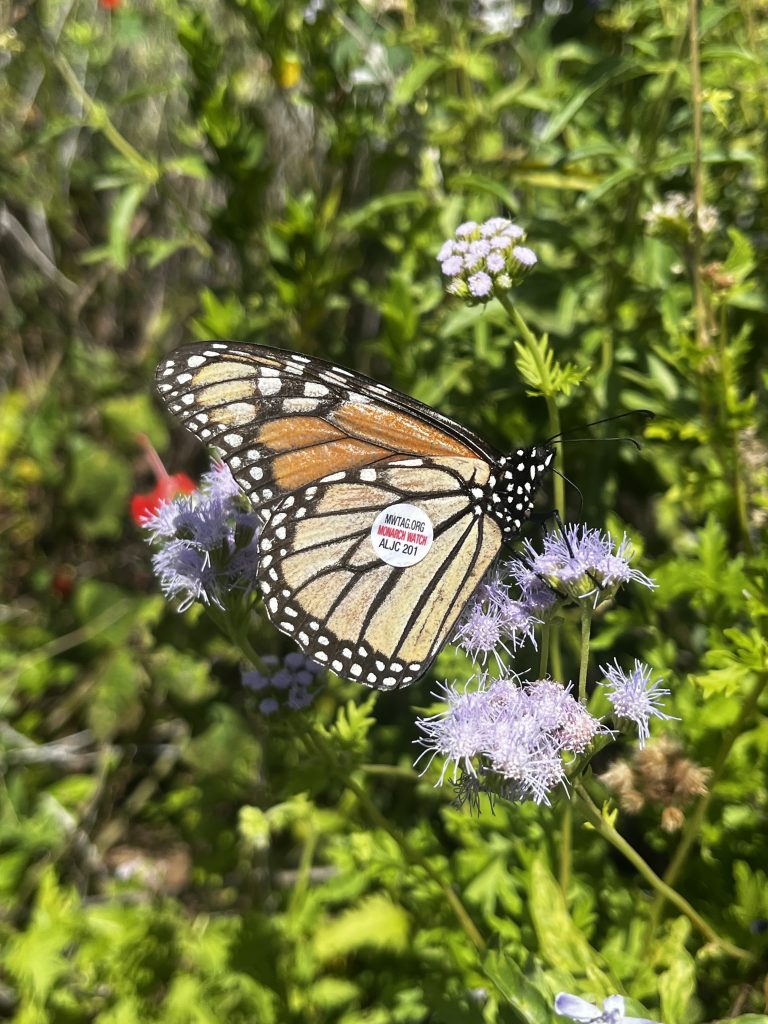
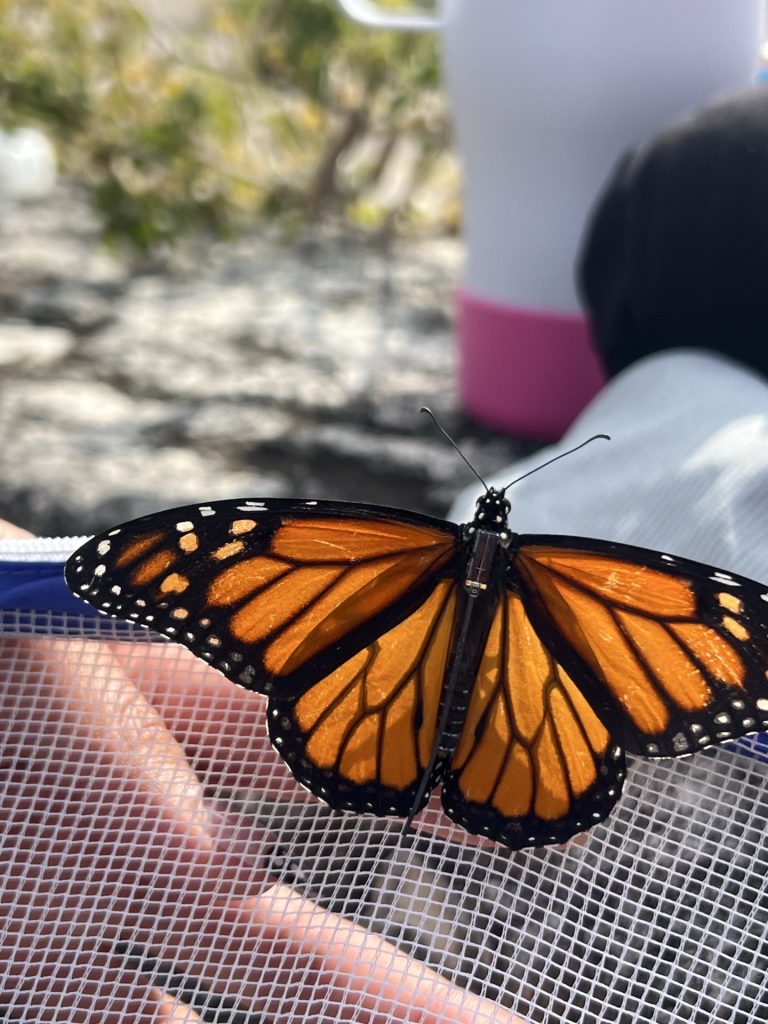
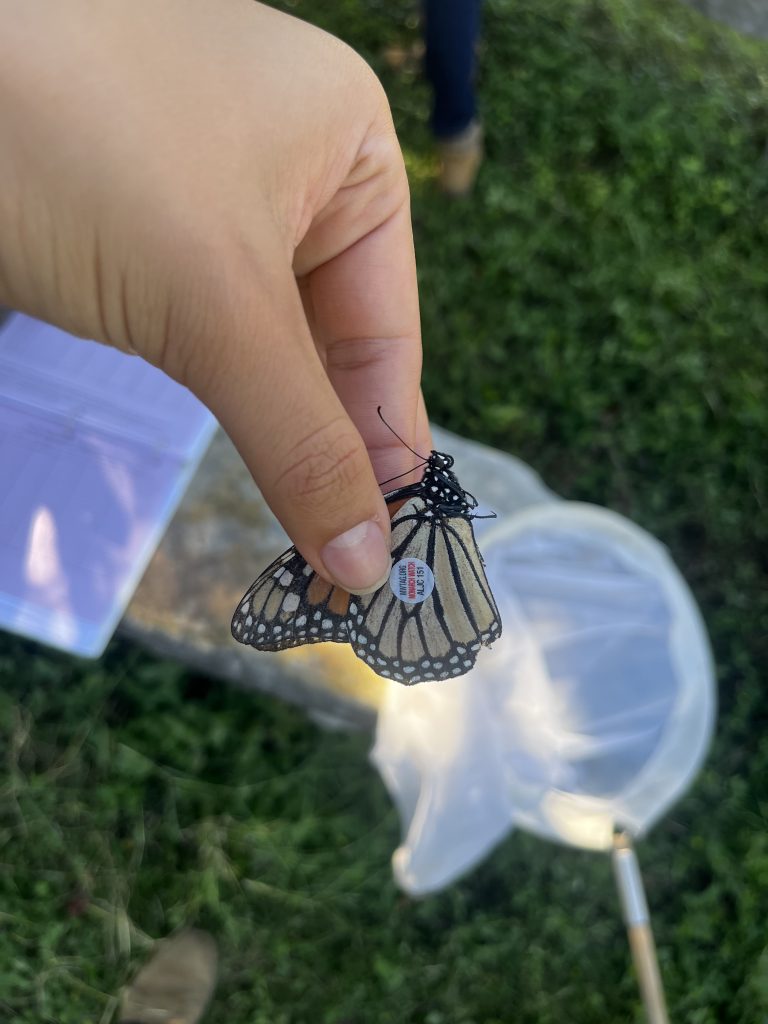
As the fall season rolled in, monarch surveys continue, but monarch tagging just begins!. Two types of tags were placed on the monarchs this season: sticker tags and BluMorpho tags. The sticker tags are placed on the monarch with hopes they will eventually be found and reported in Mexico. The BluMorpho tags are connected to Bluetooth and show active migration of the tagged monarchs. Learning how to attach the tags was tricky, but so amazing once they’re about to be tracked.
Bumblebee Surveys: The Buzz about Pollinators
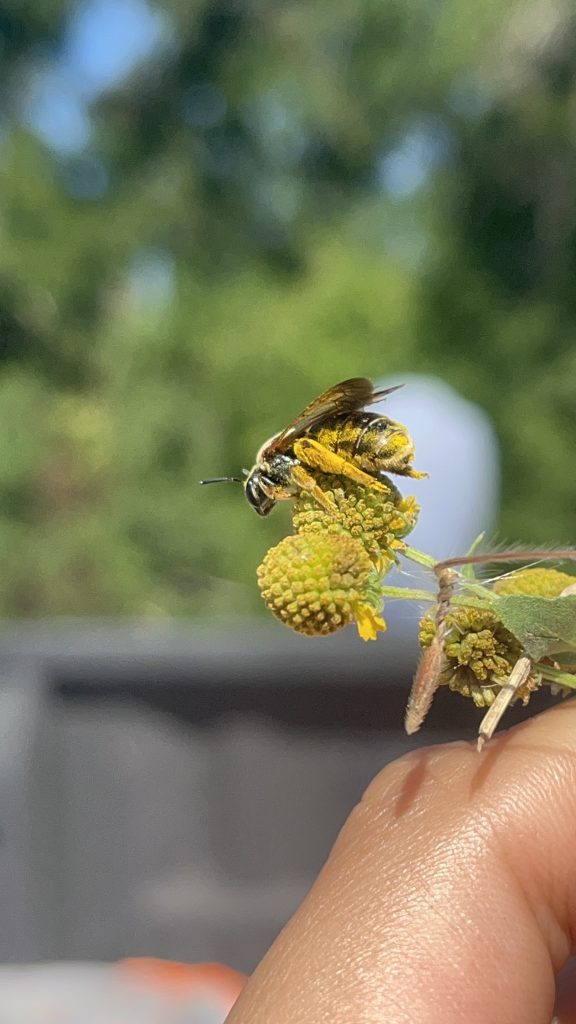
During the summer, the monarch migration is on hold while they spend time in the northern region of the United States. For me, that means no more surveying; instead, I get to tag along with the AIM team on different surveys they are conducting.
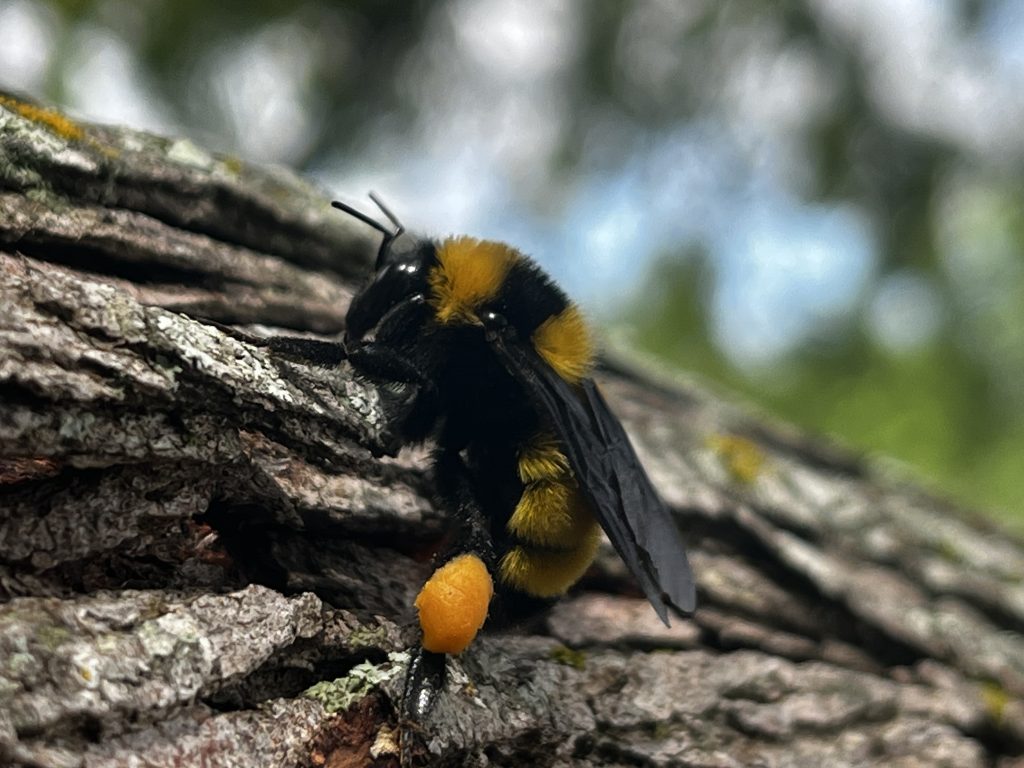
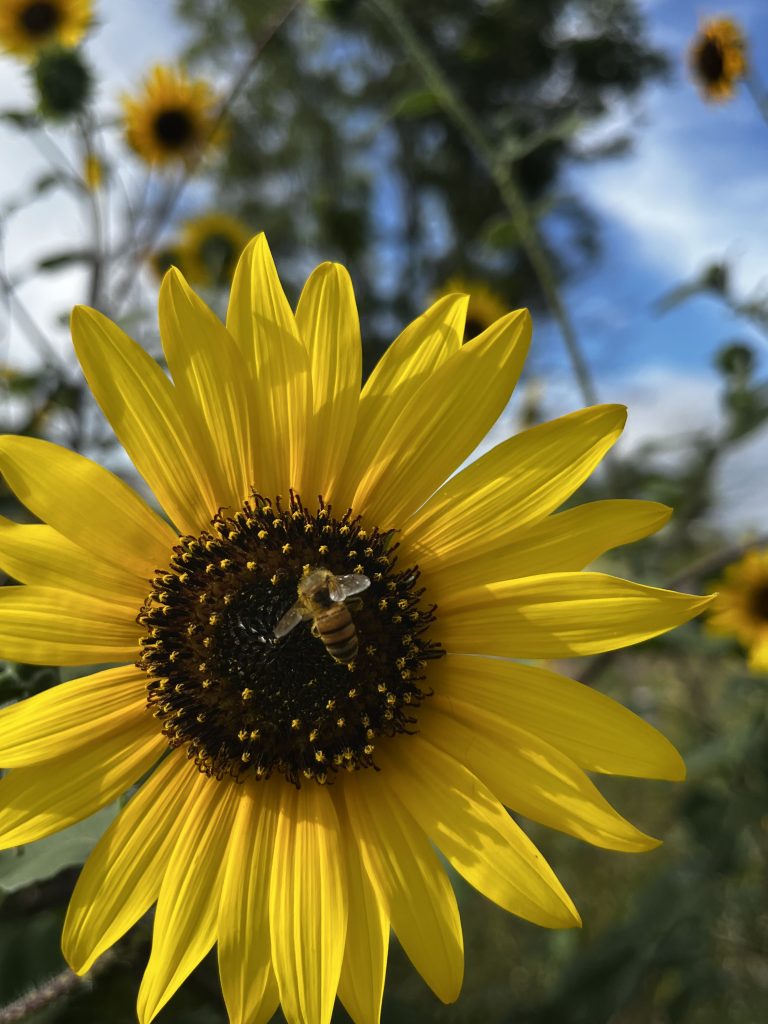
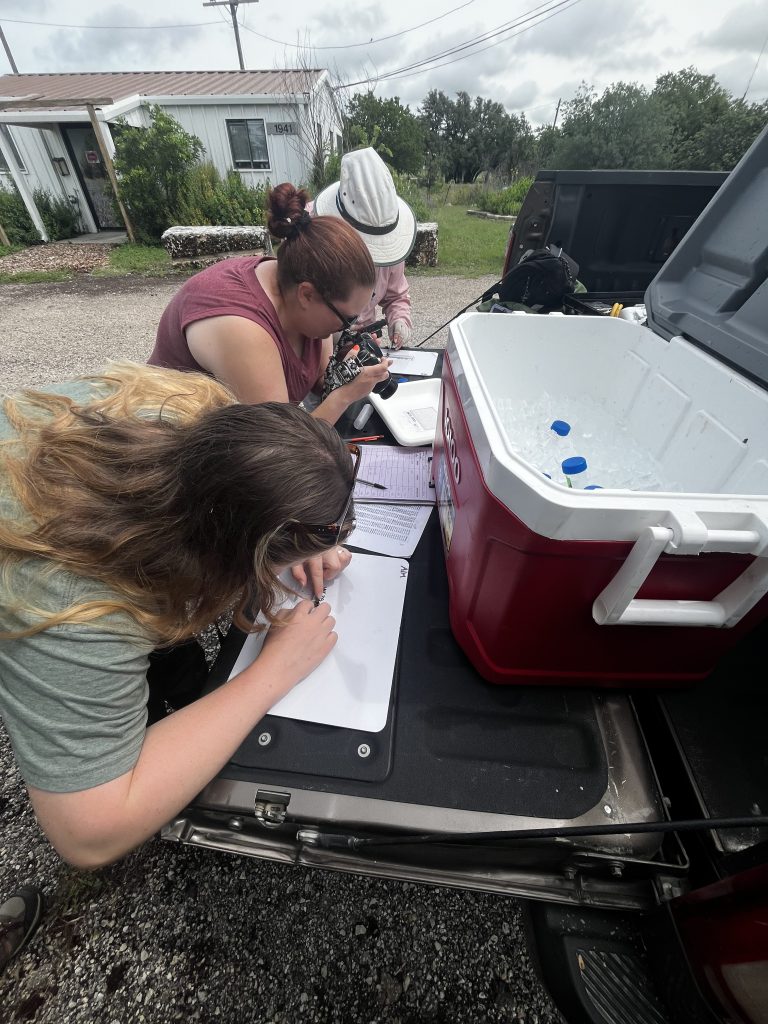
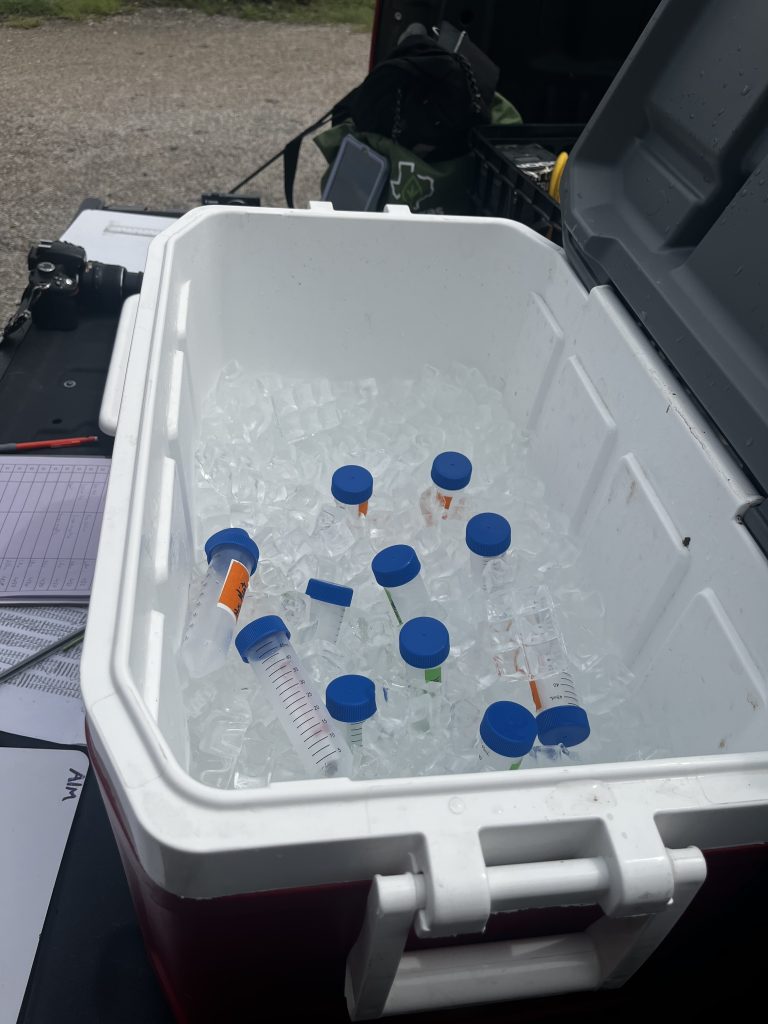
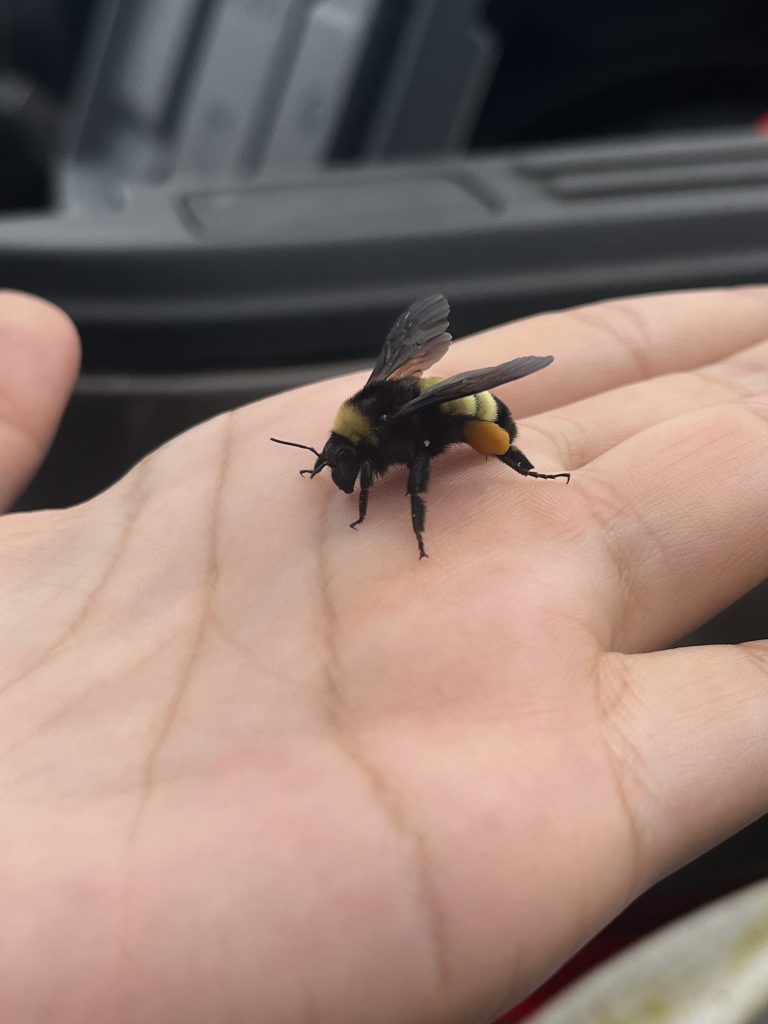
Armed with a butterfly net, we spend many mornings following the buzzing of bees from flower to flower. This was my first time catching anything with a net, and it took lots of patience and observation! I wasn’t the best bee catcher, but I caught a few! After catching the bees, we would observe the AIM team go through the process of cooling them down, identifying them, and handling them to get good pictures. After the data was collected, they would hand the bees off for us to warm up in our hands. This was my favorite part!
Doing these surveys made me appreciate bees. They are always such a feared insect, but taking the time to slow down and observe them shows how important they are to the environment.
Avian Adventures: Bird Banding and Nocturnal Surveys
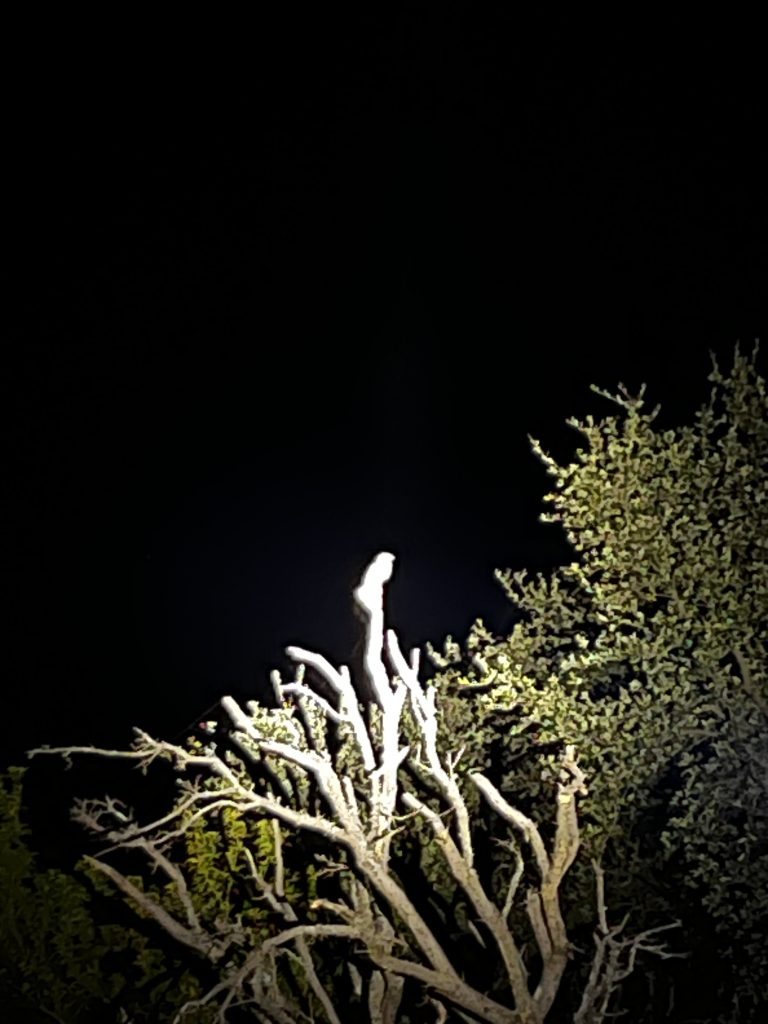
Working with birds was one of the most fascinating parts of my internship. I joined the AIM team for bird surveys two early morning during the summer. We recorded species presence and abundance across a large transect in the training field. Leaving for the field at 3 am was definitely a first for me, but so worth it! During these specific surveys, not many birds were heard, but sitting in the back of the truck and enjoying the surroundings was peaceful. Although the birds weren’t out, the stars definitely were! One of my favorite hobbies is stargazing gazing and going out on the surveys was a perfect opportunity to do that. Those nights we went out, a meteor shower was happening, so I got to watch that as we waited for birds.
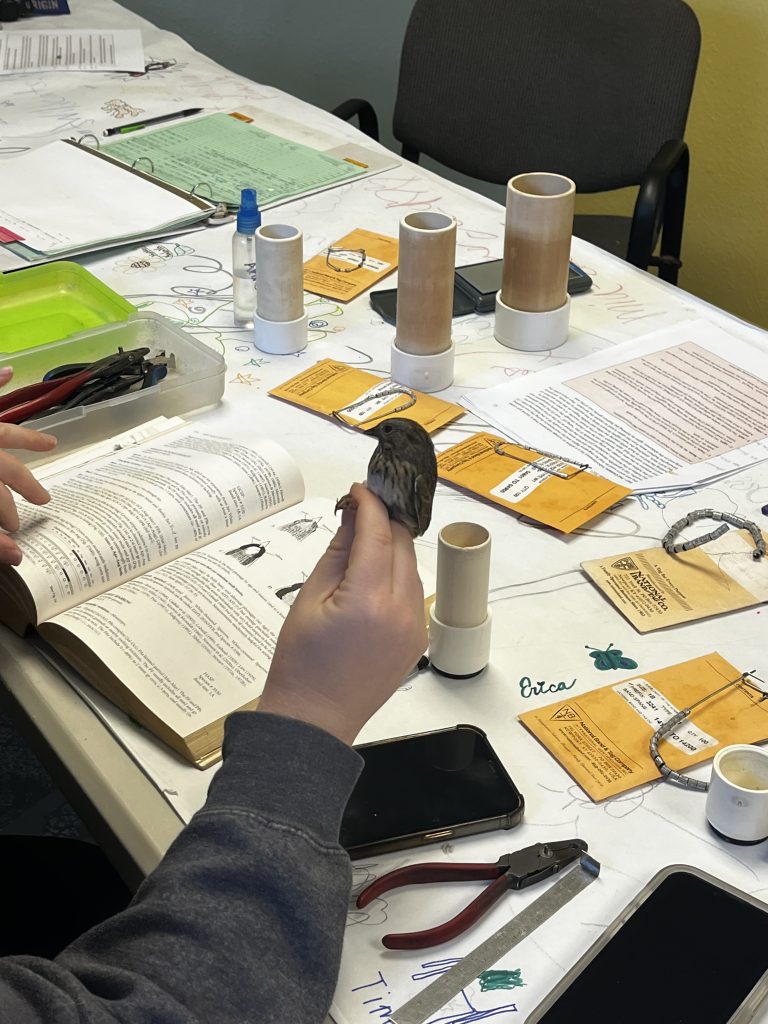
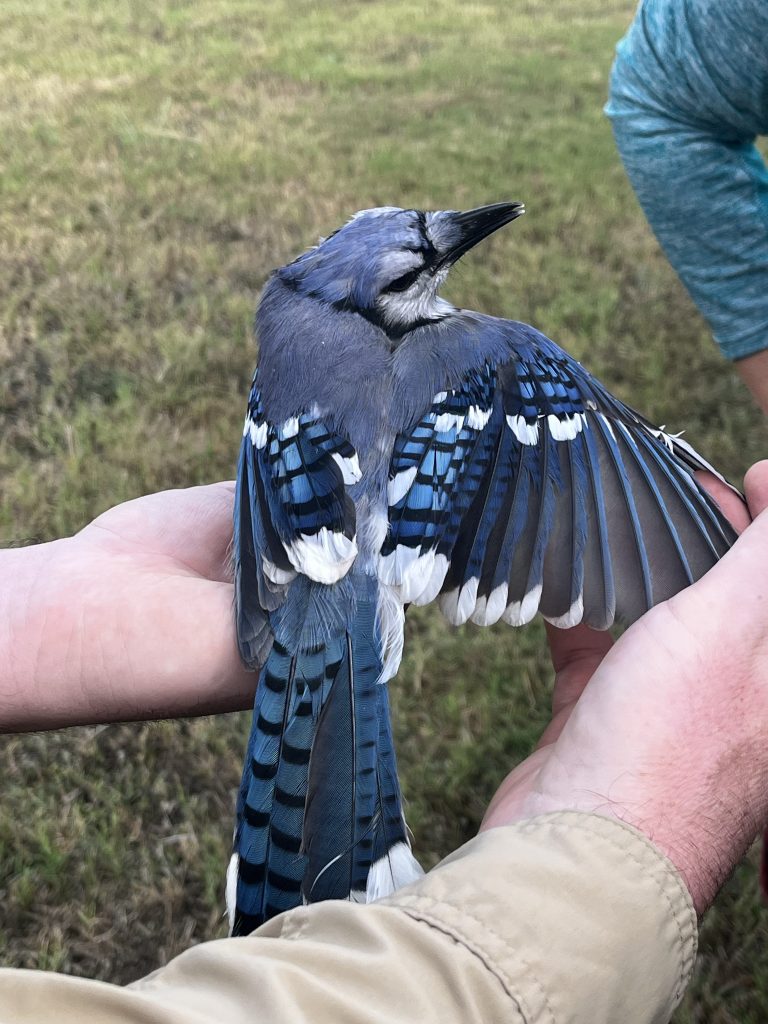
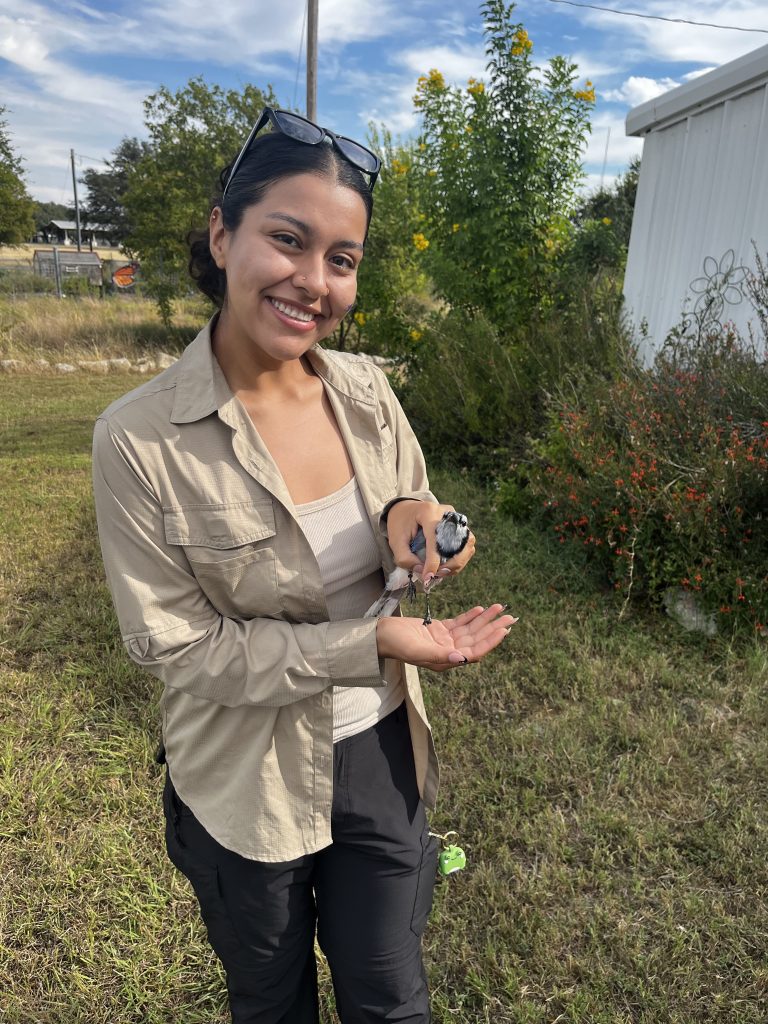
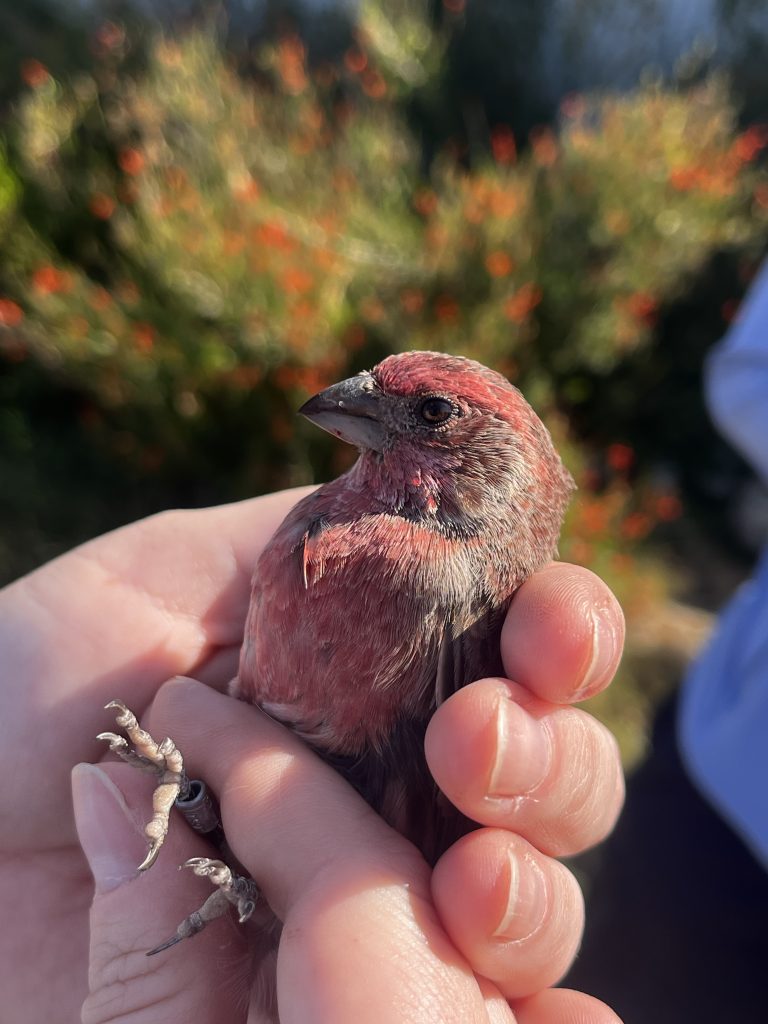
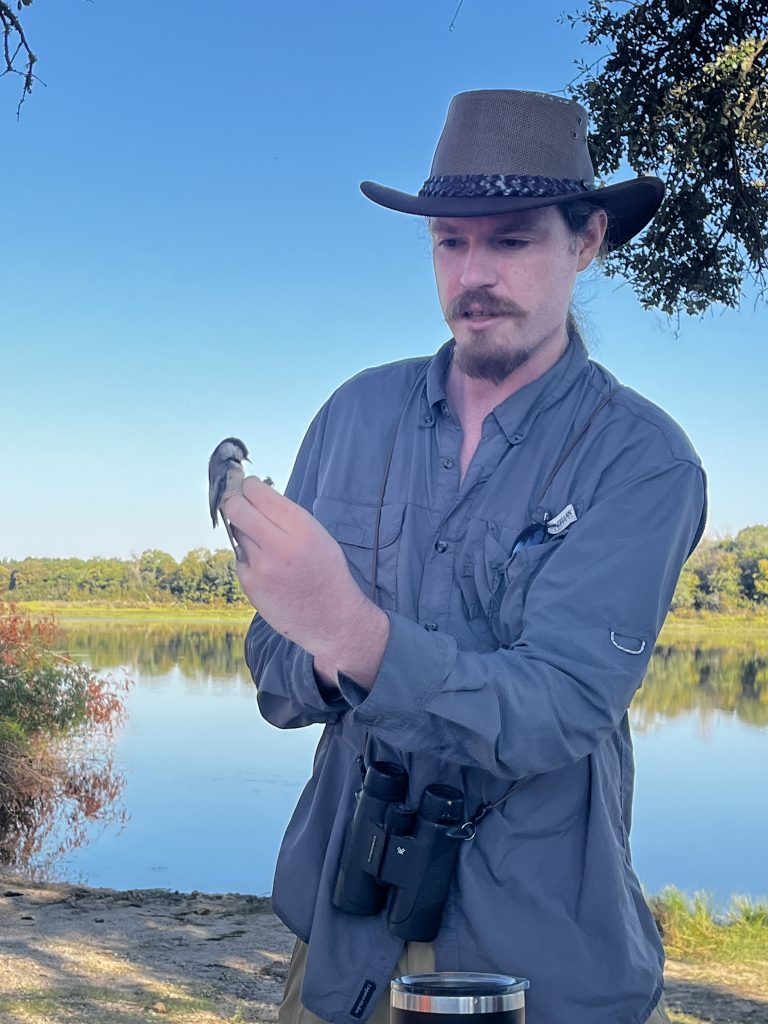
Bird banding was a fall activity! We unexpectedly started observing the AIM team and their avian biologist, Nick, one morning, and just continued participating every time they did banding. Every time I went, I got more and more hands-on experience with the process. The first time I went, I learned how to handle birds and see them up close. Holding a bird and seeing all the patterns on their feathers was an unforgettable moment. Before this, I never had experiences with birds, but learning about the work they do here- tracking migration patterns and population health- was so insightful. It’s truly amazing how much conservation work is being done on this base.
Pollinator Garden: A Getaway for Both Pollinators and Soldiers
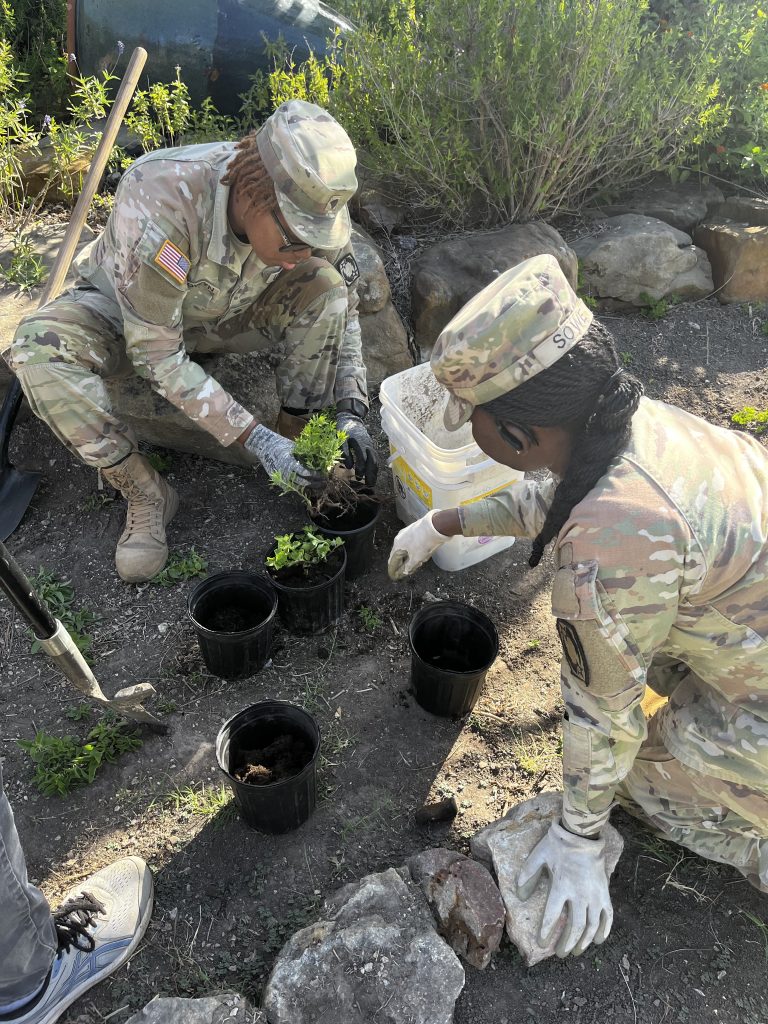
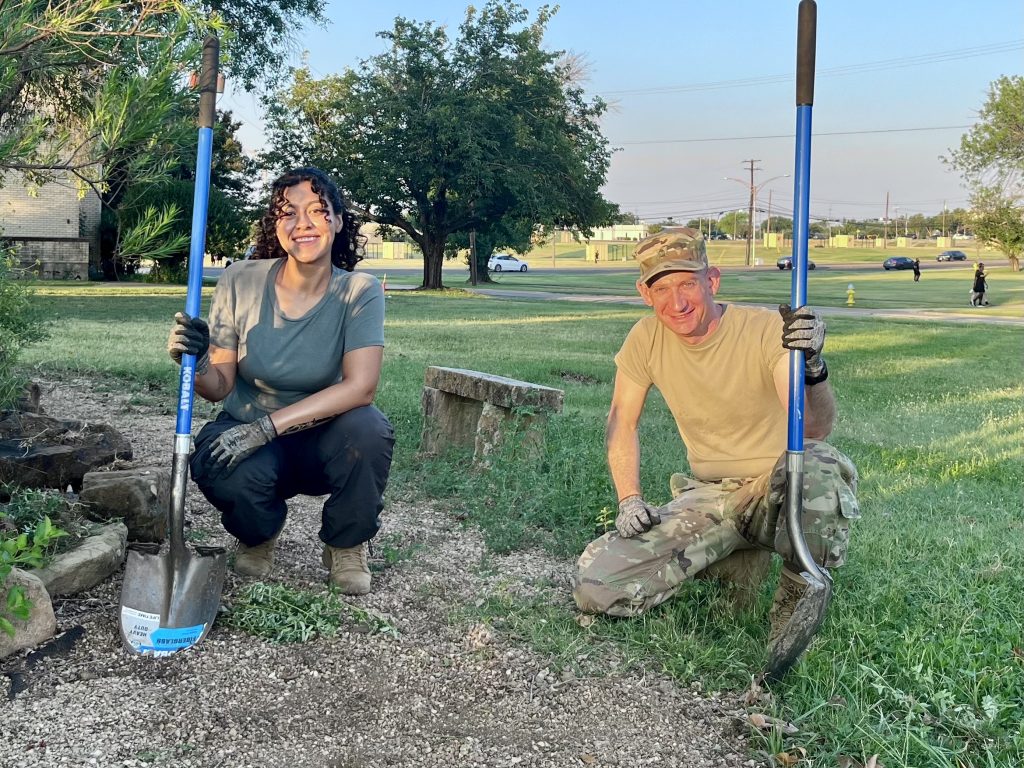
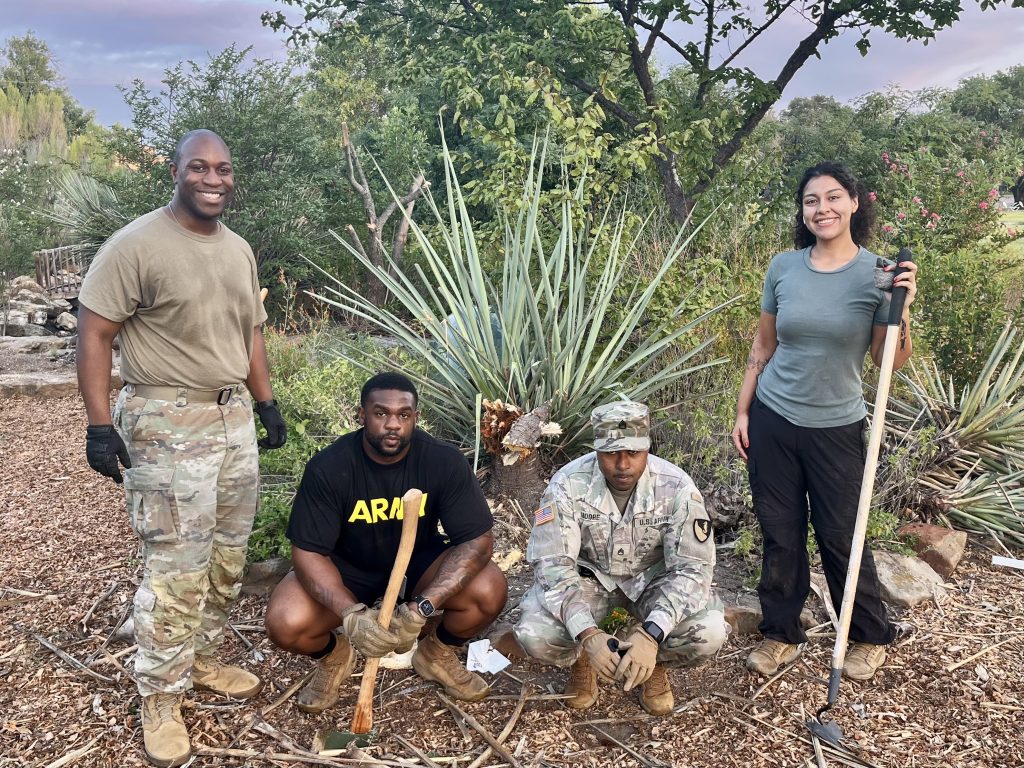
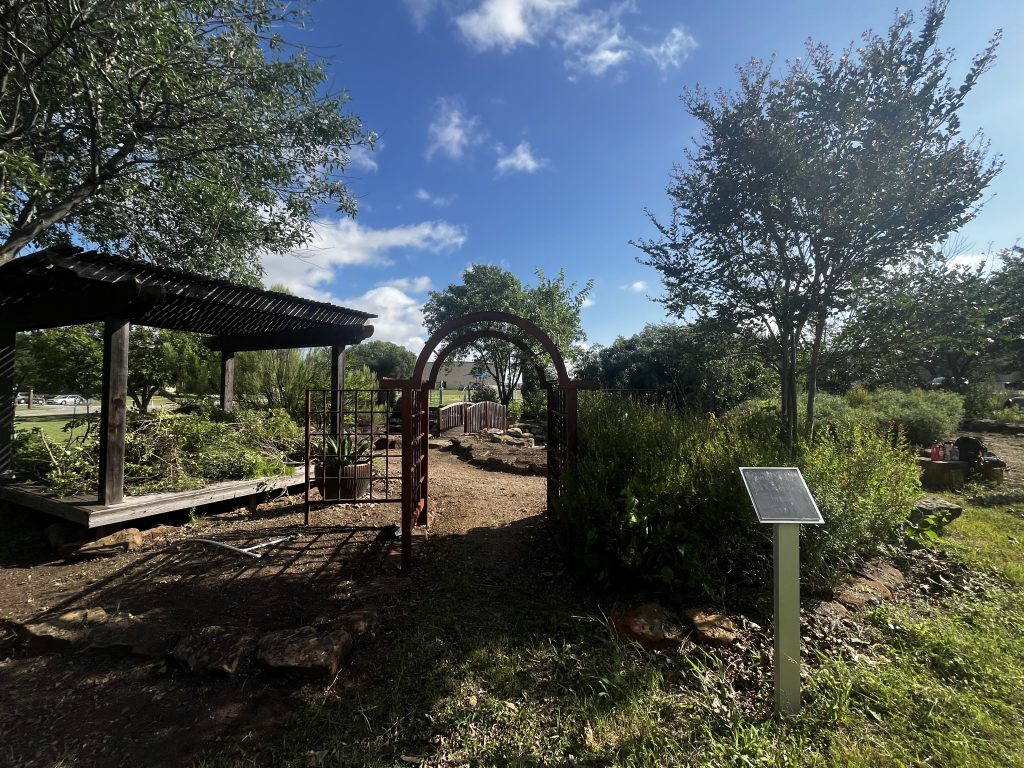
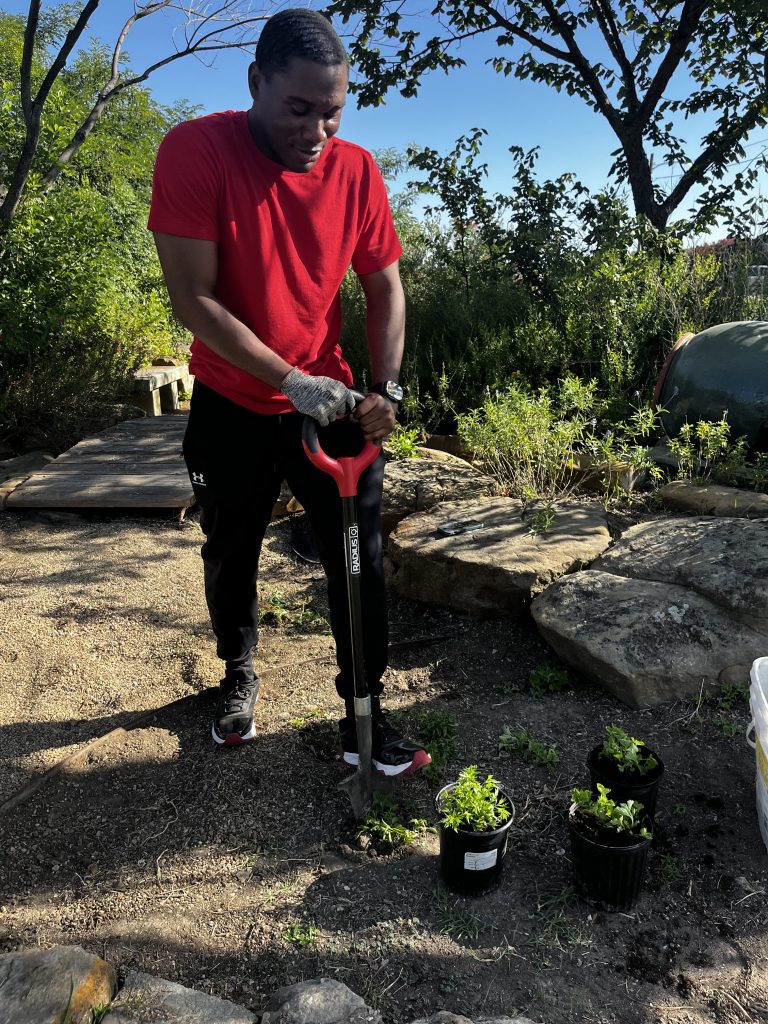
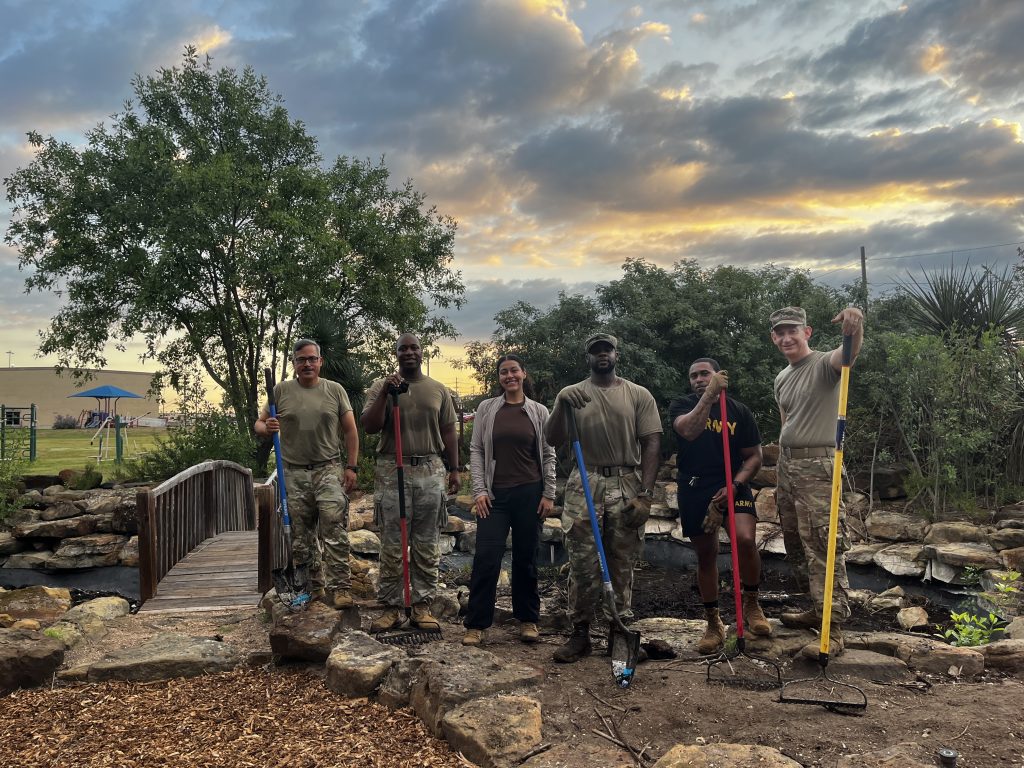
One of my favorite memories during the summer was working on my independent project of building a pollinator garden on base. When we first started, it was just a forgotten, overgrown section behind a chapel, waiting to be restored. With the help of volunteers and the AIM team, we transformed that space into something truly special. Everyone pitched in—digging holes, pulling weeds, spreading mulch, and planting milkweed and native blooms that would attract butterflies, bees, and hummingbirds.
As the weeks went by, the garden came alive. Seeing the first pollinators arrive was exciting, but what made it even more meaningful was watching soldiers stop by to share their gratitude towards me for fixing the garden. It became more than just a habitat for wildlife—it was a peaceful spot for people, too. The garden offered a quiet break from the busy energy of base life, a place to connect with nature, and a reminder of how small actions can have a big impact. Building that garden with others and seeing it thrive was one of the most rewarding parts of my internship. I am so grateful for all of the volunteers; without them, I would not have been able to get all that work done.
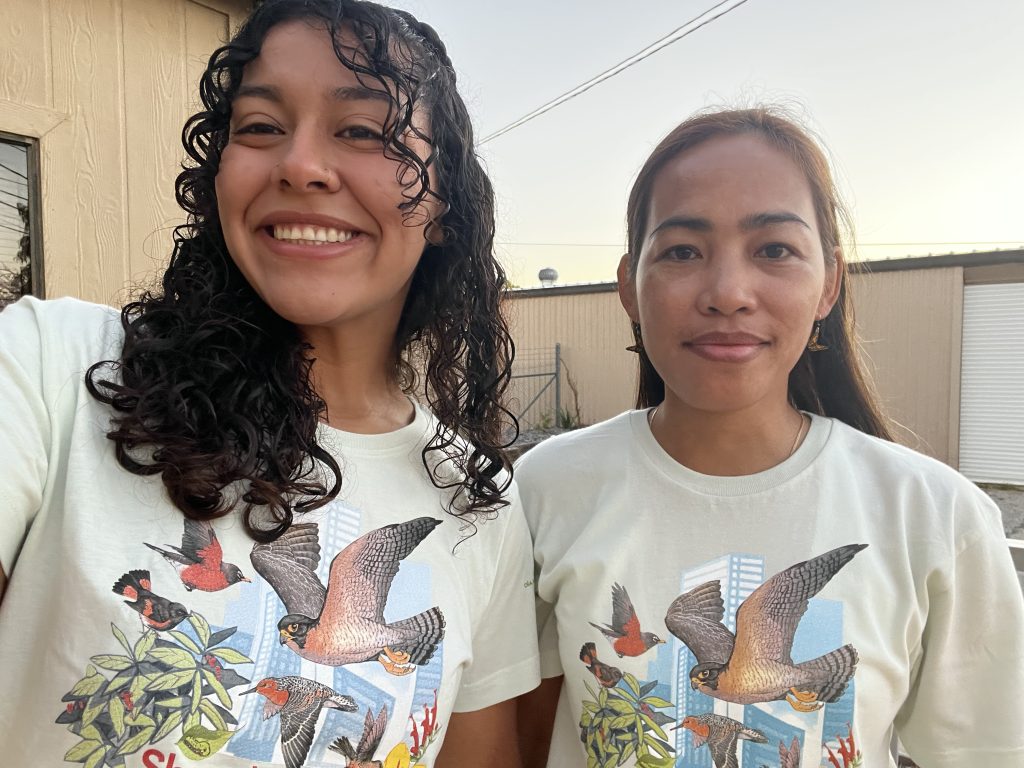
After spending so much time in the field doing surveys and research, I started getting more involved in the outreach and education side of the internship. It was a nice change from the day-to-day fieldwork and gave me the chance to talk with people about what we were doing. I got to help at events, answer questions about monarchs and pollinators, and share why conservation is important. It felt good to see people get interested and want to learn more. That experience helped me realize that research is only part of the work—getting the community involved and spreading awareness matters just as much.
World Migratory Bird Day
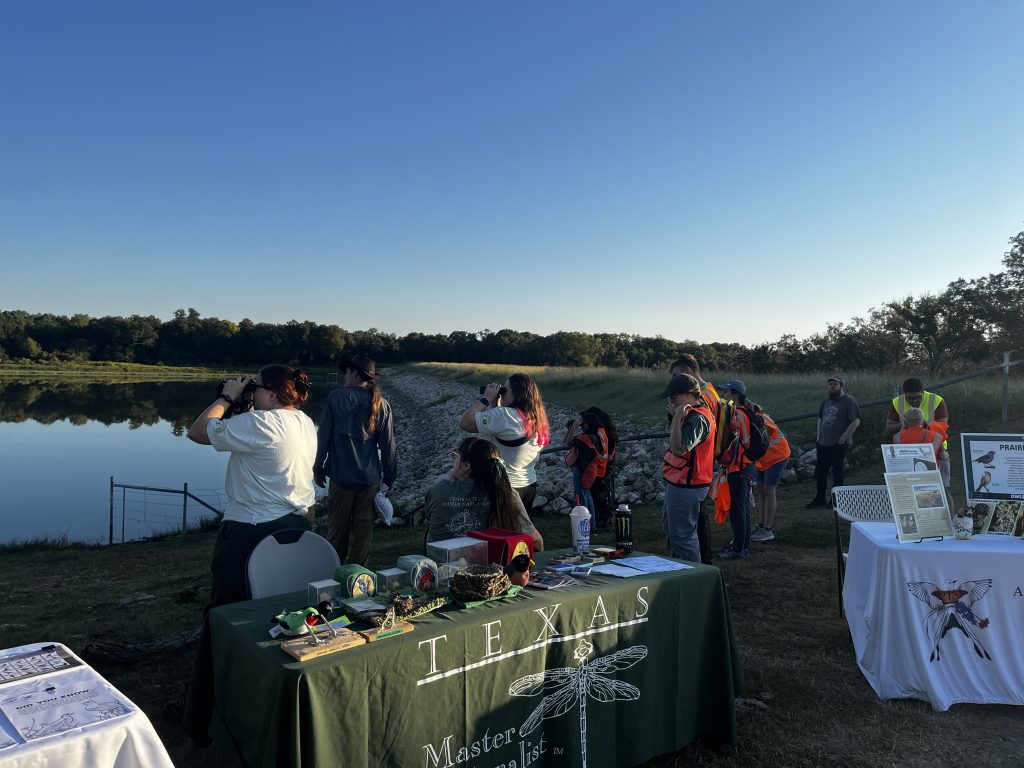
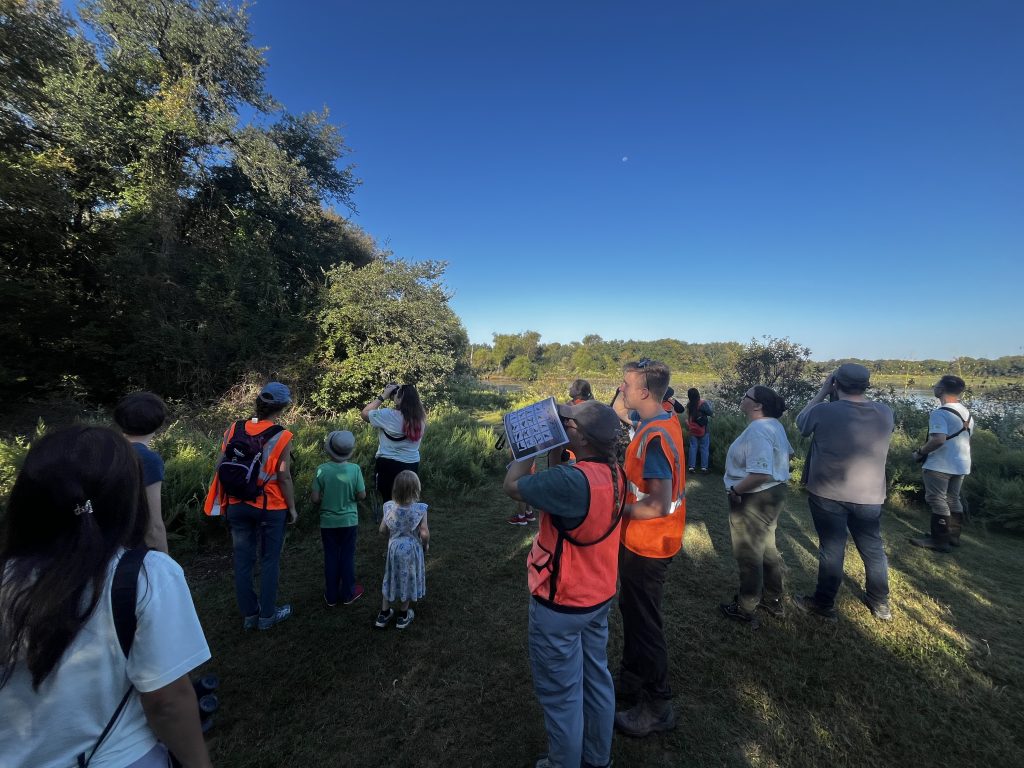
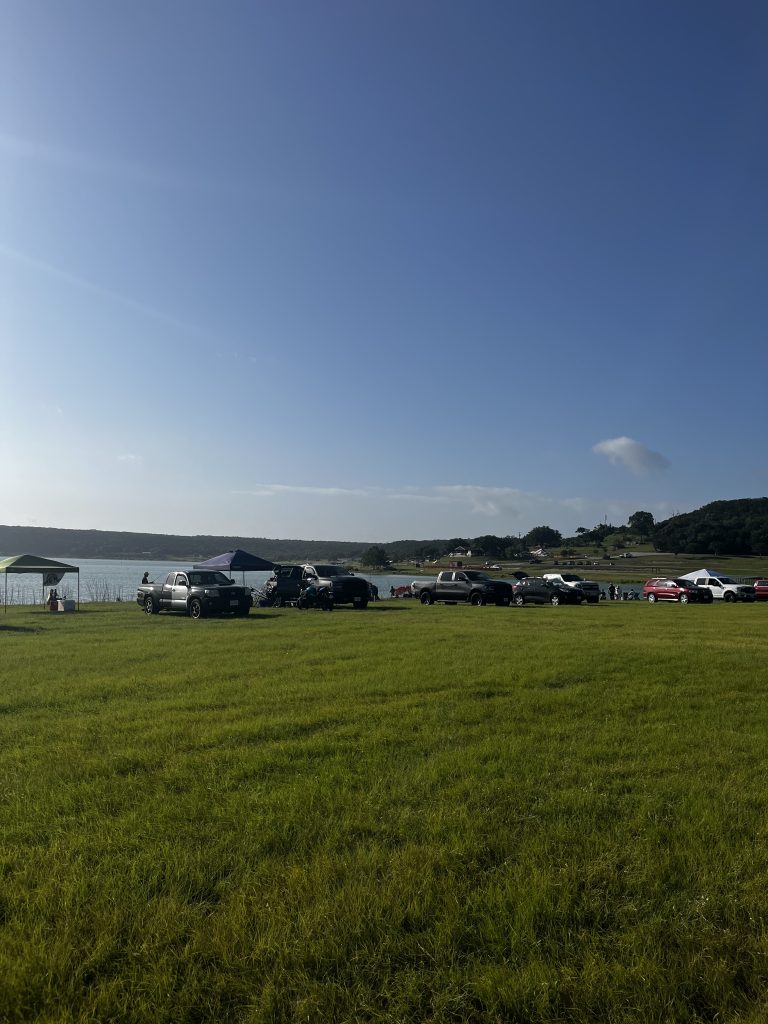
One of the outreach events we hosted was World Migratory Bird Day at a lake on base. EFTA is a bird-focused organization, and it was great to be able to plan and facilitate the event. It was such a fun day that brought together families to celebrate birds and shared spaces. We started with a relaxing bird walk, where everyone got the chance to spot different species and learn how to identify them through their calls. After that, we had educational tables set up with information about birds, pollinators, and local conservation projects. The Texas Master Naturalists also joined us, which made the event even better—they shared tons of knowledge and helped answer questions from visitors. It was a great way to connect with the community, enjoy the outdoors, and spread awareness about why protecting bird habitats matters.
Symbolic Migration Activity
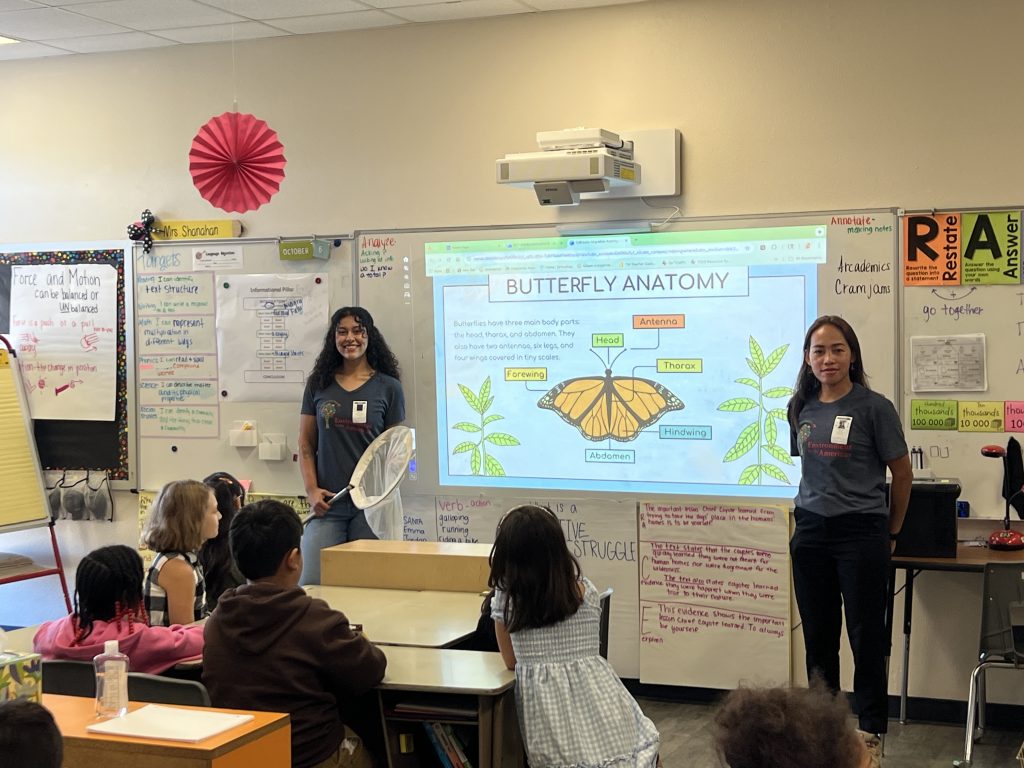
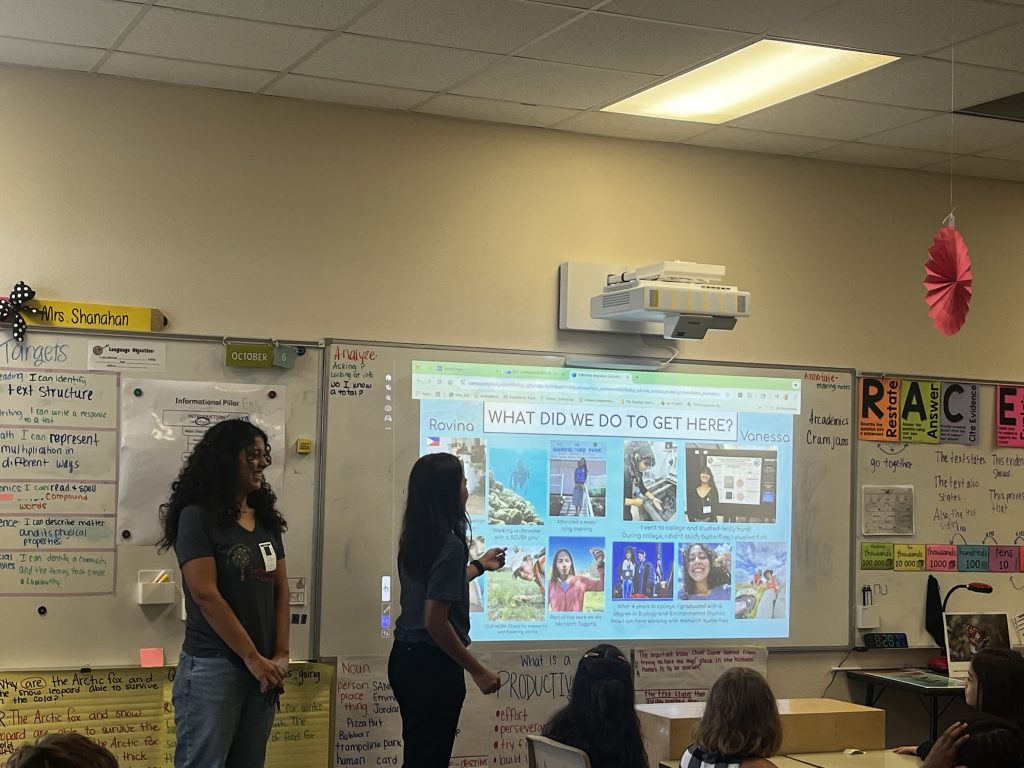
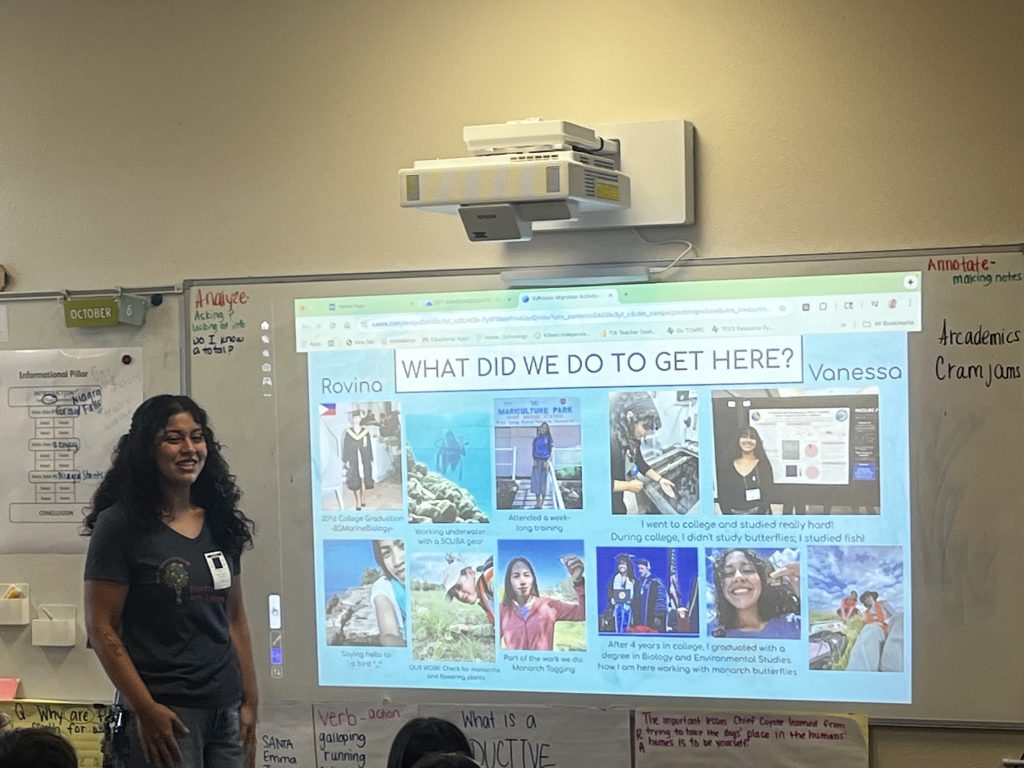
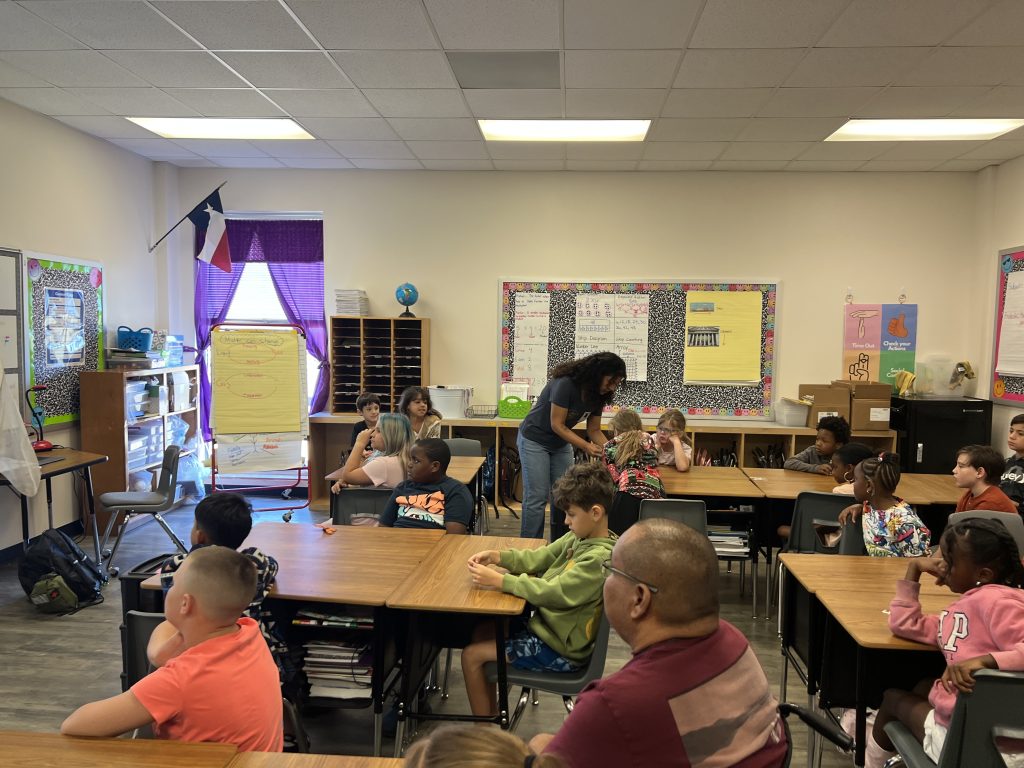
My favorite outreach event to work on was the Symbolic Migration project. It’s this really fun and unique program where students from the U.S., Canada, and Mexico exchange paper butterflies to represent the monarchs’ long migration journey. I got to work with four third-grade classes on base. I created a presentation where I introduced myself, talked about the work I do, and explained what the Symbolic Migration Activity was. I helped the students decorate their own butterflies and write messages to send off. Some of their designs were so creative and full of personality, just like all the kids I met that day. It was honestly one of the cutest parts of my internship. It was really cool to think about how these paper butterflies would “migrate” to another country, just like the real ones do every year. The kids were so excited to be part of it, and it made me realize how projects like this can inspire care for nature in such a simple, fun way.
I was so happy that day, the kids were having fun and were excited about everything. I had moments where I was thinking back to my elementary school days, and it warmed my heart to think that maybe I could influence one of those children to have a future career in conservation. Little Vanessa would have thought I was so cool.
Fishing Derby and Monarch Tagging
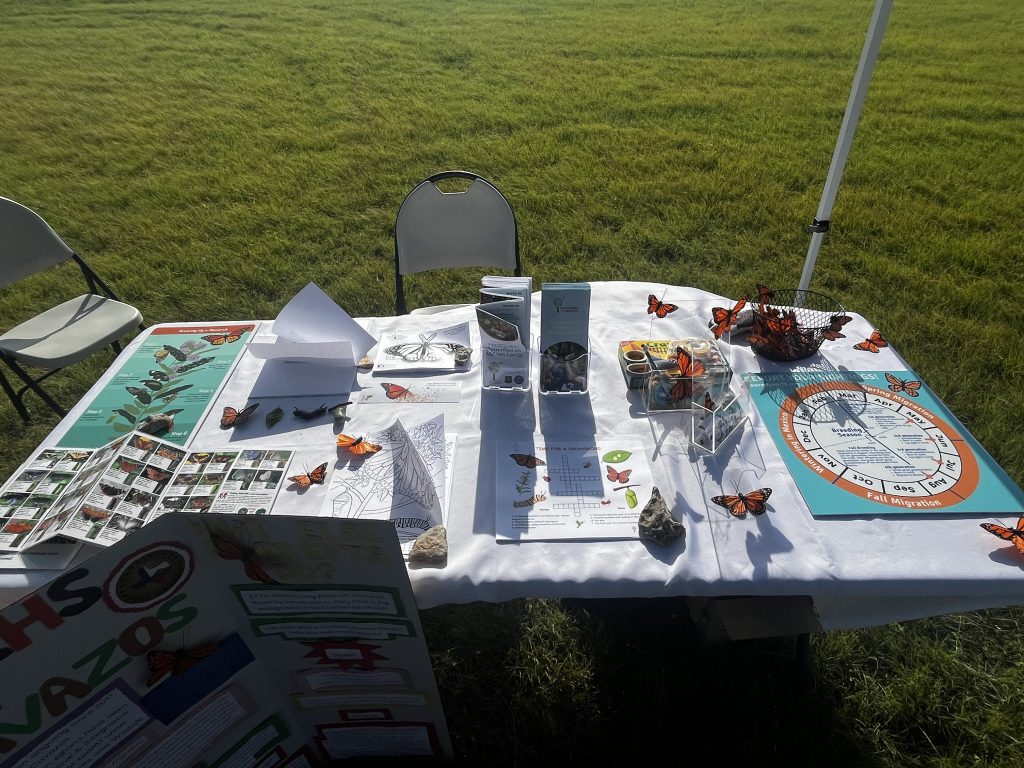
My first real outreach experience was at the Fishing Derby on base. I set up a table with information about monarchs and pollinators, and it was my first time talking to families and kids about the work we do. It was a little nerve-wracking at first, but once people started stopping by and asking questions, it became a lot of fun. Seeing everyone so interested made me realize how much I enjoyed the education side of conservation.
Later in the season, the AIM team hosted a Monarch Tagging Event, which was a fun highlight of my internship. I was a team leader who helped lead the tagging, showing participants how to catch, tag, and release monarchs as they started their migration south. It was so rewarding to teach people hands-on and explain what makes monarchs so special. Both of these events showed me how connecting with the community can make our work feel even more meaningful.
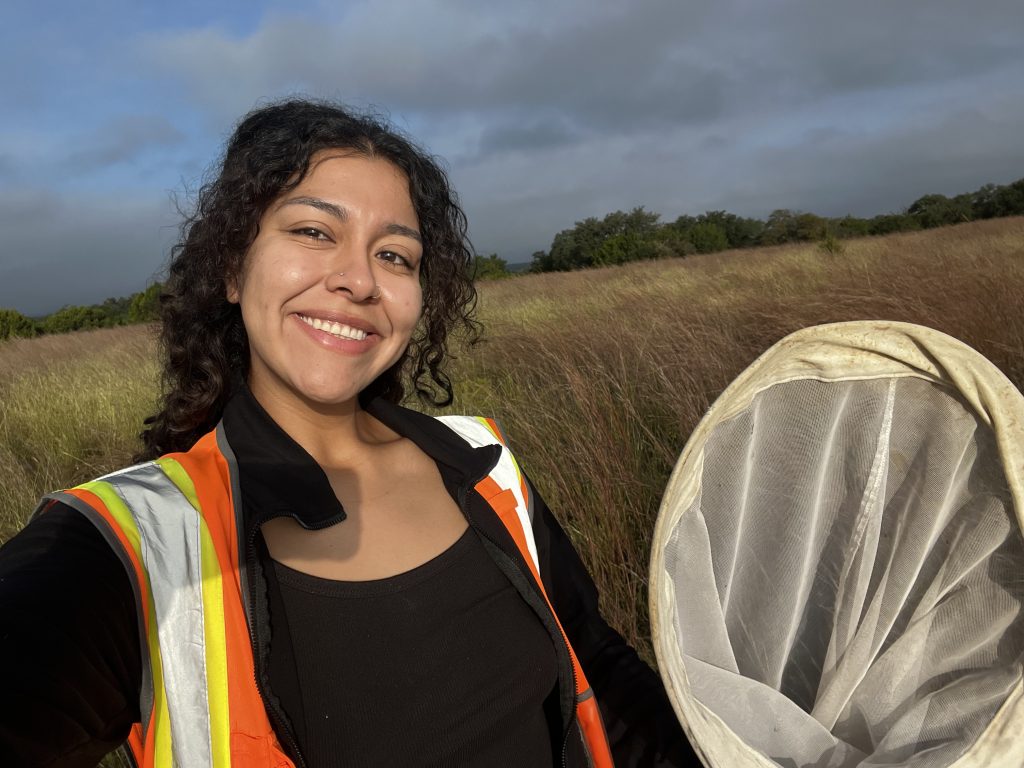
Looking back, this internship was such an incredible experience from start to finish. I got to do so many different things—monitor monarchs, survey birds and bumblebees, build a pollinator garden, and take part in community events. Every week felt a little different, which kept things exciting and taught me how broad the world of conservation really is. I learned that research doesn’t just happen in a lab; it happens out in the field, in classrooms, and at community events where people come together to learn and make a difference.
Working with EFTA and the AIM team at Fort Hood helped me grow both professionally and personally. I built confidence in my fieldwork skills, learned how to communicate science in ways that anyone could understand, and discovered how rewarding it is to share what you’re passionate about with others. Whether it was chatting with families at an outreach table, teaching third graders about monarchs, or helping soldiers connect with nature through volunteering, I saw firsthand how conservation can bring people together.
This internship showed me that protecting wildlife is just as much about people as it is about the species we study. It’s about creating spaces where both can thrive—and inspiring others to care along the way. I’m so thankful for all the experiences, lessons, and friendships that came out of this opportunity. It’s something I’ll carry with me as I continue my journey in research and conservation.
Leaving Fort Hood wasn’t easy, but it feels good knowing that the projects I helped with will continue to grow and inspire others. This experience gave me a strong foundation for wherever I go next, and I’ll always be grateful for the memories, the lessons, and the people who made it all so meaningful.
Sorry, the comment form is closed at this time.