


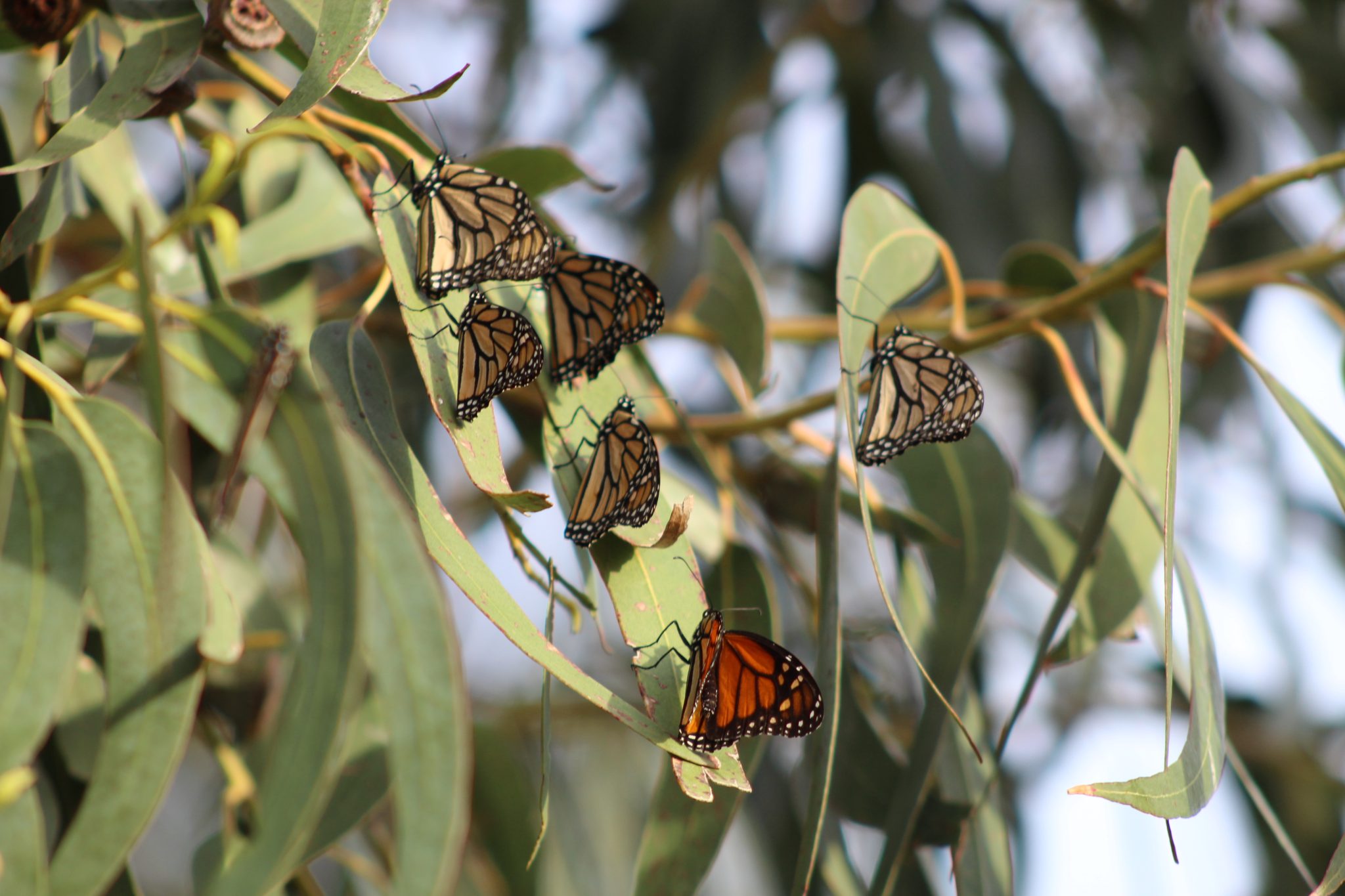
31 Oct Preparing for the Overwintering Surveys
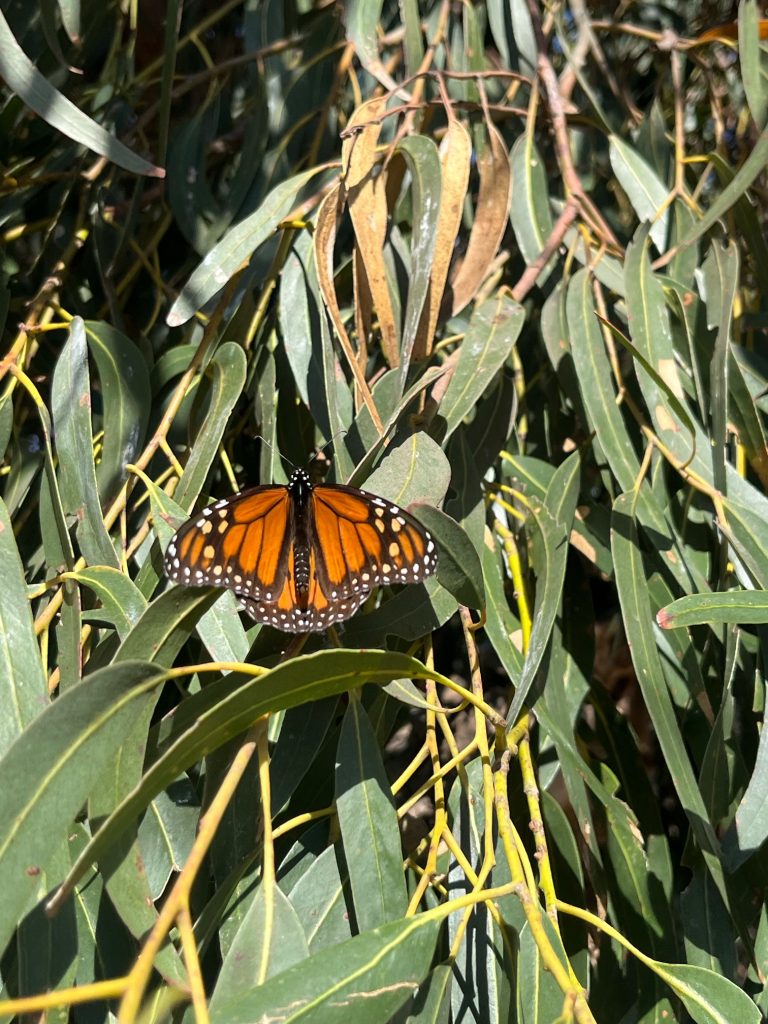
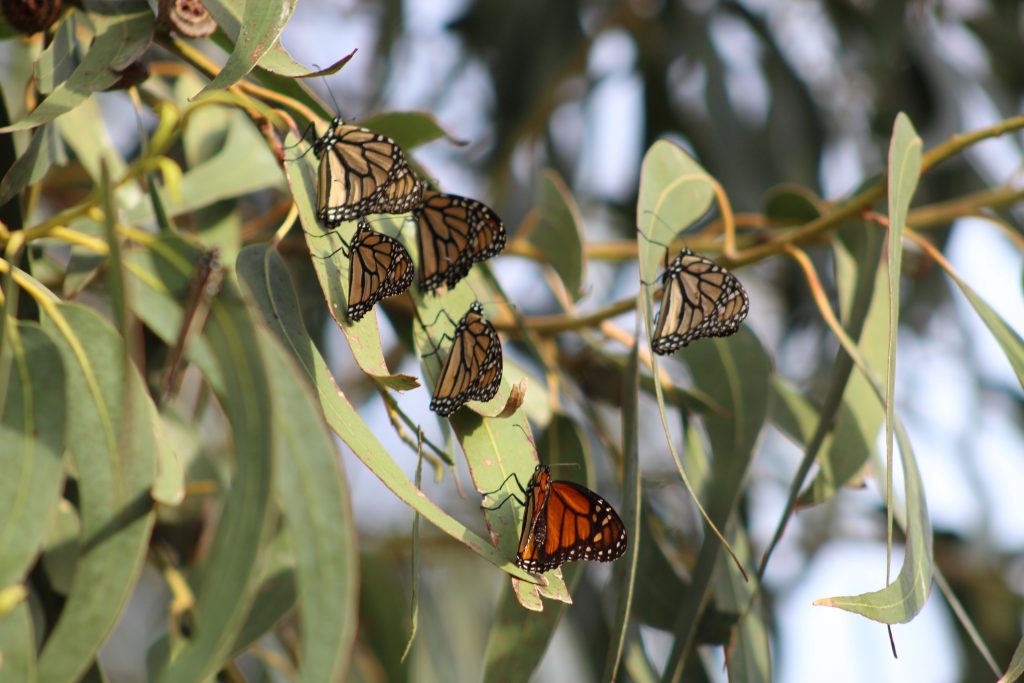
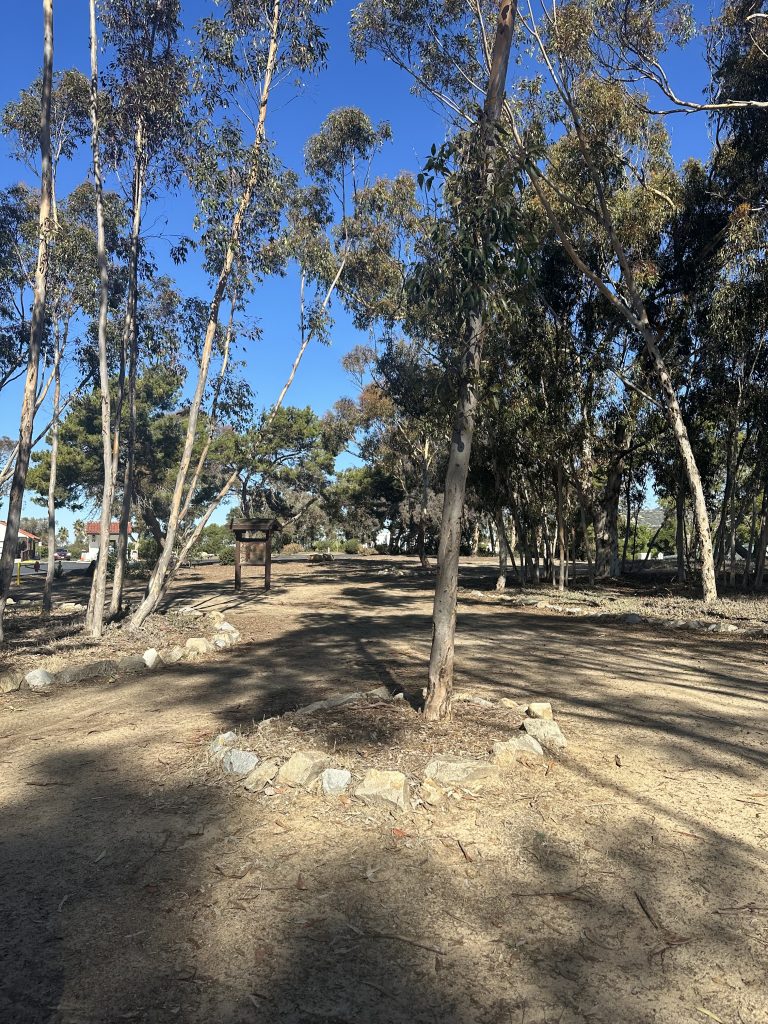
Before my internship with Environment for the Americas (EFTA), I had never heard of monarch overwintering surveys. In California, these are known as Western Monarch Counts, a volunteer community-science effort led by the Xerces Society that involves field visits to coastal overwintering groves to record monarch numbers and assess the condition of these sites. I learned about these surveys during my interview with EFTA, though it wasn’t certain if I’d have the chance to participate. The more I discovered about the monarchs’ incredible migration and the efforts to support their population, the more determined I became to be involved. When my internship was extended to include these surveys, I was thrilled to start preparing for the upcoming training at the San Clemente State Beach.
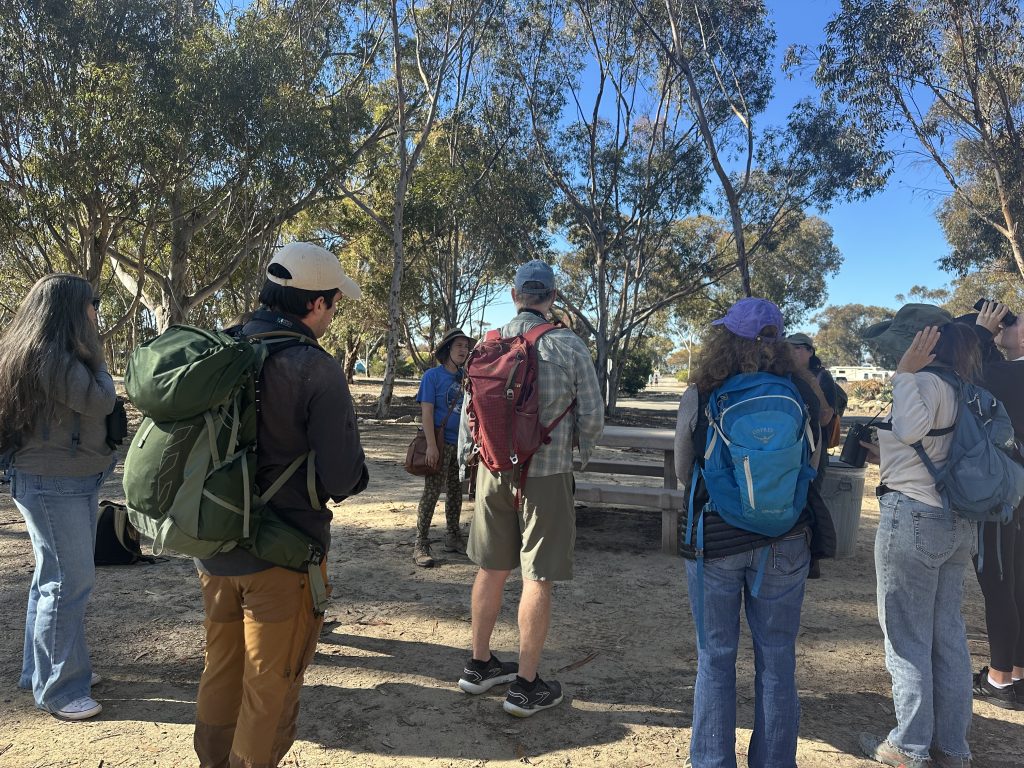
Training for the overwintering surveys was held during mid-October, and started with introductions and a fun icebreaker. I was amazed to learn that many of the participants had extensive backgrounds in wildlife management, including a few who work for the U.S. Fish and Wildlife Service. It felt reassuring to know the surveys would be conducted by professionals. After the introductions, our host, Sara Cuadra-Vargas, a Conservation Biologist with the Xerces Society and our regional Western Monarch Count coordinator, discussed the annual migration of eastern and western monarch butterflies, explaining that they are genetically the same species but with different behavioral traits.
Next, we reviewed items needed for the surveys, including water, snacks, binoculars, a fully charged cell phone, a backup battery, and a camera. Recommended apps included a compass app, Survey123, iNaturalist or Seek, and Wunderground, a weather app that shows temperature, wind direction, and wind speed of any given location. After confirming that everyone downloaded Survey123, the app used to record survey data, we were ready to go.
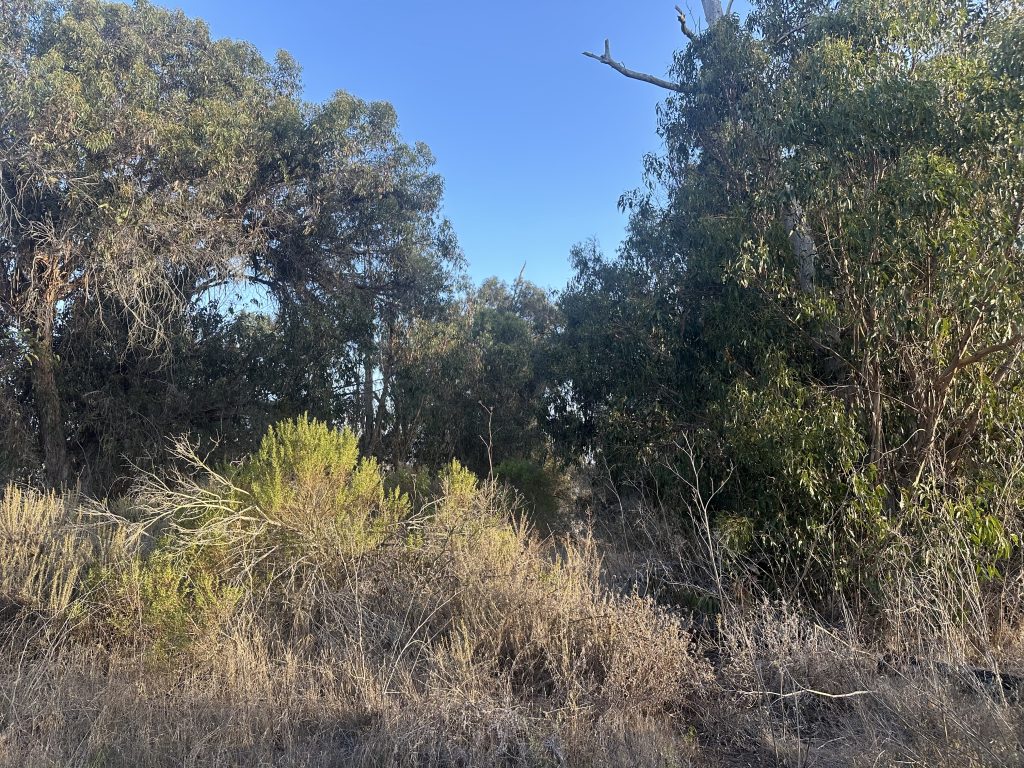
Sara led us to an overwintering site to practice counting monarchs and identifying their behaviors. She guided us on where to look for monarchs and explained that monarchs at San Clemente tend to overwinter in red river gum eucalyptus and rounded-leaved eucalyptus trees, often seen basking in the sun about halfway up the tree.
We learned the four main behavioral classifications of monarchs:
- Clusters – three or more butterflies huddled together
- Sunners – butterflies perched in sunny locations, basking in the sun
- Grounders – butterflies resting near or on the ground
- Loners – butterflies that are separated from the others and resting alone
We divided into groups of three to practice counting monarch butterflies from a photo of a tightly clustered group of monarch butterflies on tree branches and entered our totals into Survey123.
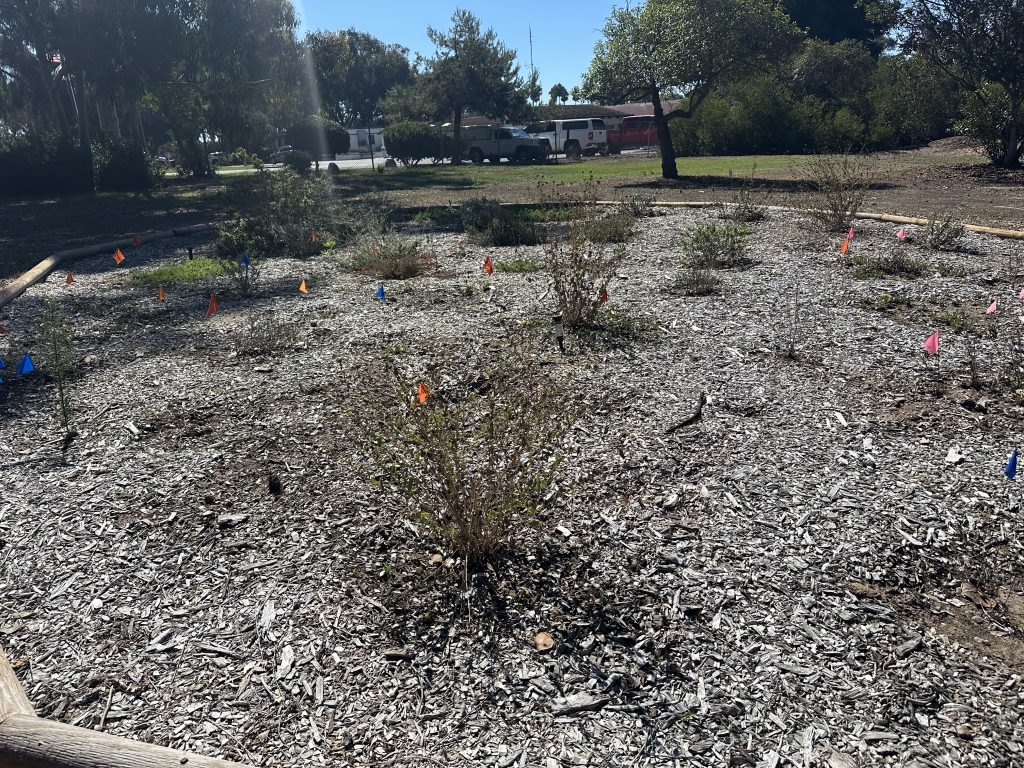
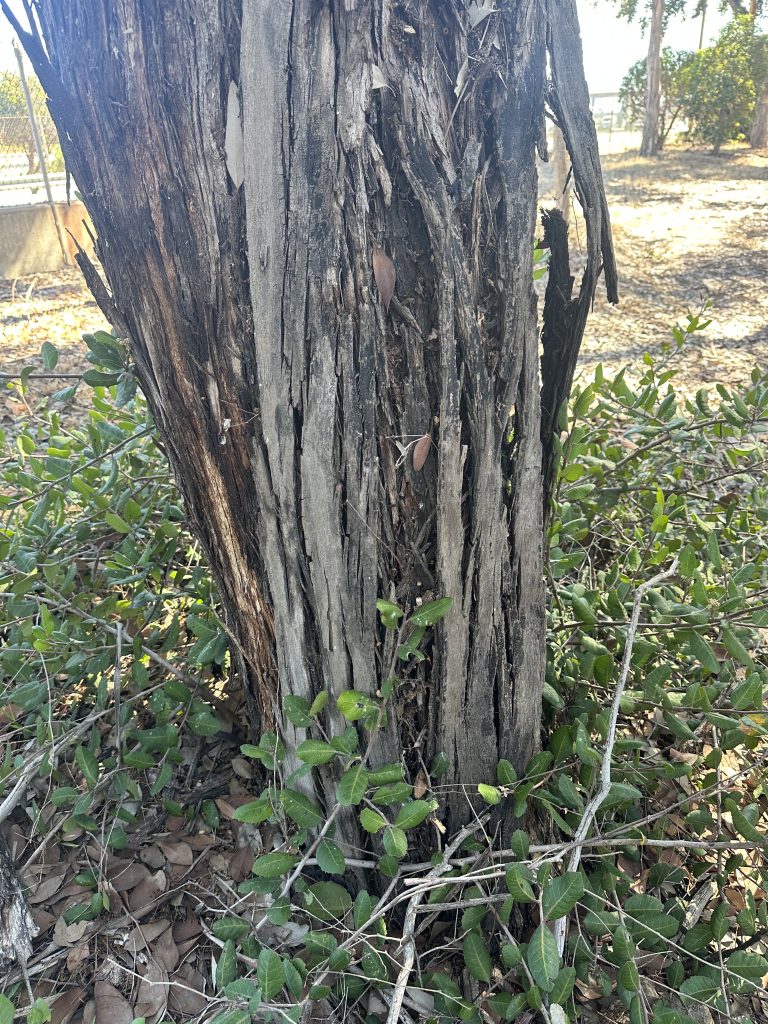
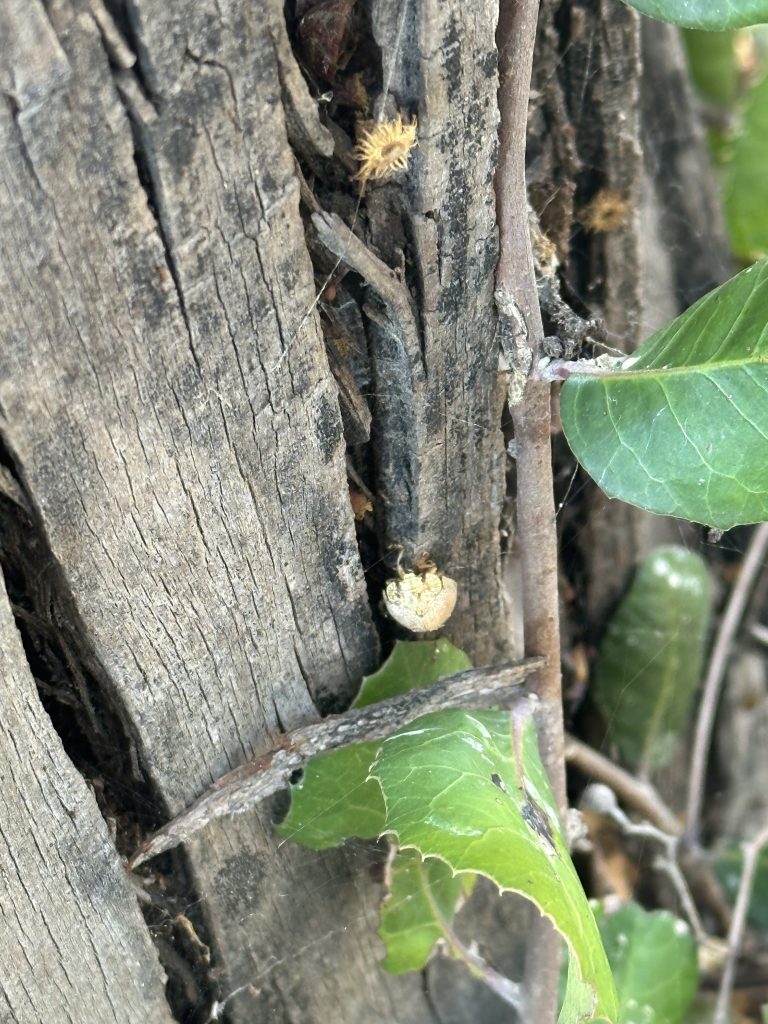
Sara took us over to a native plant garden specifically designed for monarch butterflies, where she explained the threats at San Clemente State Beach that monarch butterflies face, such as climate change, illegal tree trimming, pesticide use, and illegal monarch rearing. We discussed what could be done to reverse those threats, such as planting native milkweed. Sara introduced the dotted paropsine leaf beetle, an invasive insect capable of devastating the eucalyptus groves monarchs rely on for overwintering. We were tasked with searching for the beetles within the site. Unfortunately, we found two dead specimens hidden in leaf litter near one eucalyptus tree and three more nestled against the trunks of several others, underscoring the very real challenges these butterflies face.
Before my internship, I had no idea what overwintering surveys were or how to conduct them. Thanks to Sara’s training, I now feel confident completing a survey on my own. I especially appreciated practicing a mock survey, which gave me a real feel for fieldwork. Interestingly, the methodology closely resembled a shorebird survey I completed last year with Point Blue. I hope this preparation helps all of us conduct surveys accurately and make a positive impact on monarch conservation.
Sorry, the comment form is closed at this time.