


30 Apr Getting the Perfect Shot
Getting the PErfect Shot
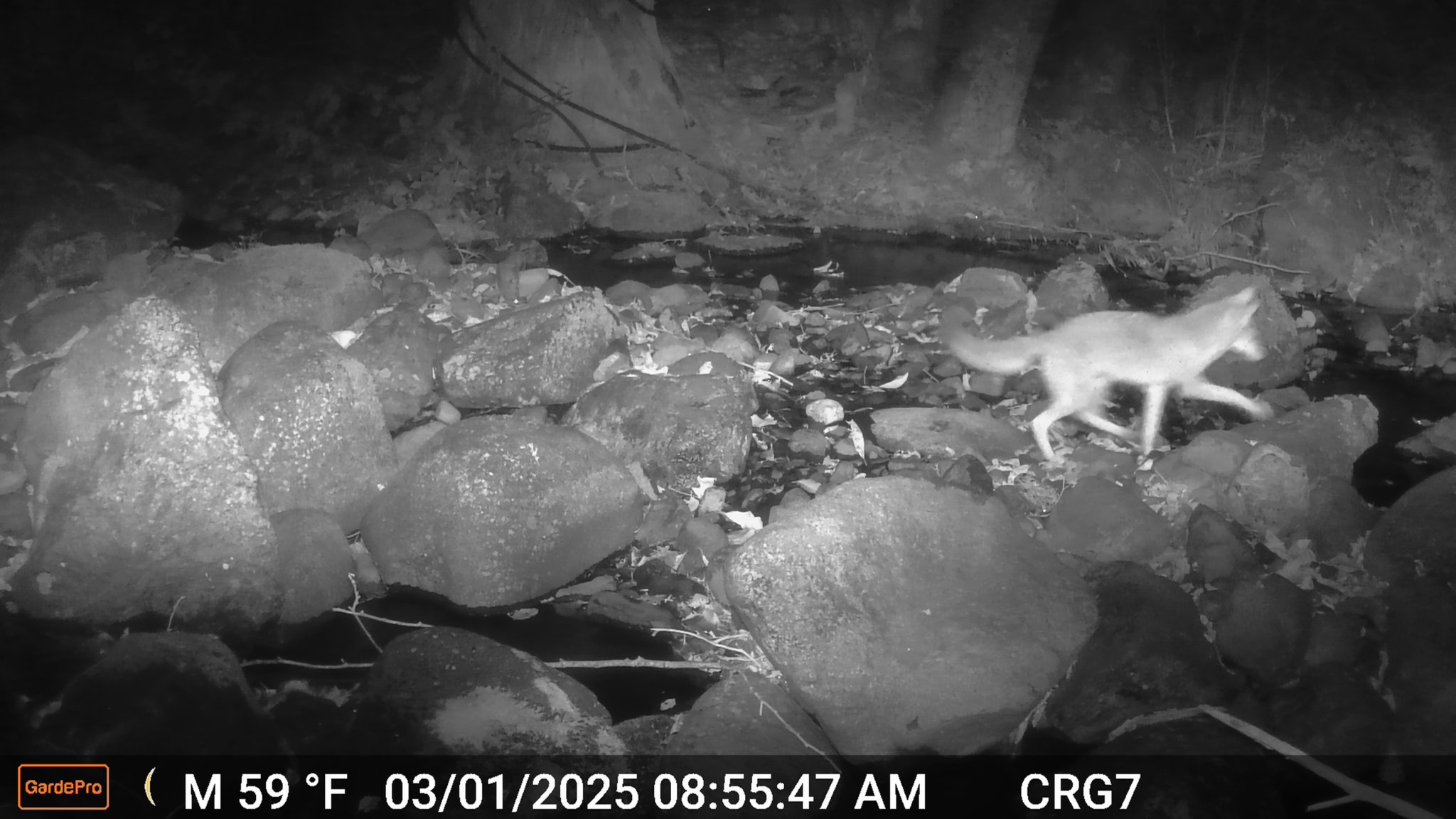
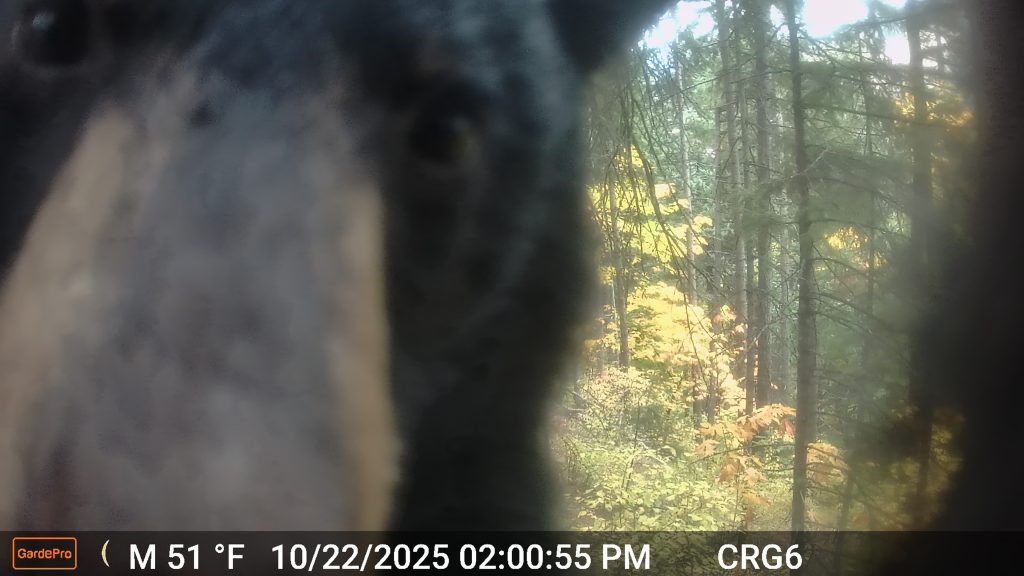
Camera trapping is the method of using automated motion-triggered cameras to capture a photograph of wildlife, AKA “trap” the animal. Scientists use camera traps to gather data on species composition, distribution, movement, conservation efforts, and related topics. At my unit, we use camera traps to better understand the species composition of the Columbia River Gorge National Scenic Area. We want to know which species are in the different areas of the gorge, so when we have projects in those areas in the future, we’ll have some baseline data to work from. For example, if we wanted to thin Douglas-fir at a restoration site, we would consult our existing camera-trap data before proceeding with the treatments. Let’s say, for the purpose of this example, that the camera trap data showed the presence of Western Gray Squirrels – then we would know to survey the project area for squirrel nests prior to treating the area, so that when we conduct the thinning project, we could avoid trees with squirrel nests and minimize impact to the species. This is just one example of many ways in which knowledge of species composition could support management efforts within the gorge.
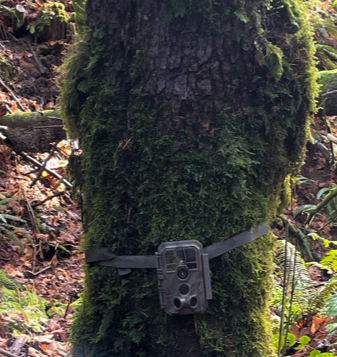
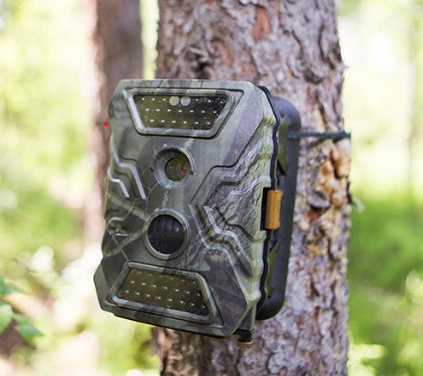
Earlier this fall, we set out several camera traps as part of our efforts to better understand species composition in the gorge. The process to set up camera traps went like this:
The natural resources team met to identify places where camera traps would be useful. These were either areas that have unique features which might attract diverse species or areas where we expect to implement projects in the near future
We primed the cameras to take two photos every time the motion sensor was triggered, with a 20 second wait time between photo bursts.
We set out to the sites that we identified and looked for signs of wildlife (e.g. tracks, trails, scat).
We set up the camera and tested it to make sure it was angled the right way and that the motion sensor was working properly.
We came back to each site every three weeks to change the battery, download the photos, and wipe the SD card. The cameras were out for about 12 weeks total.
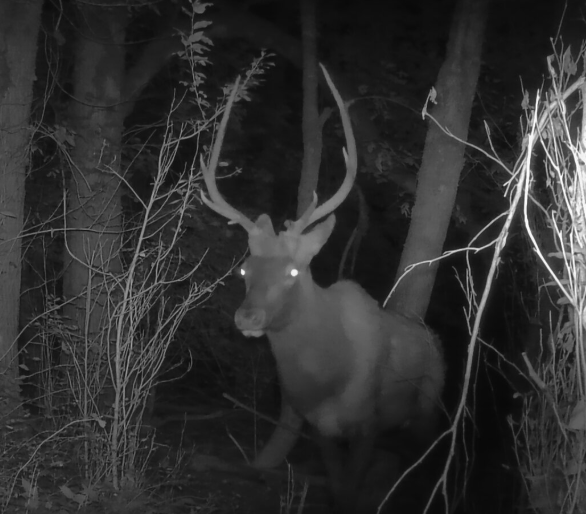
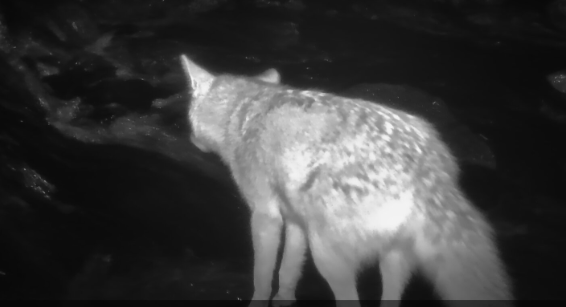
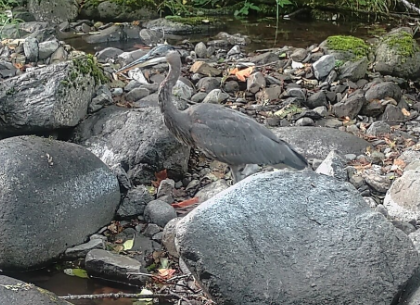
Back in the office, I looked through the photos and only kept one of each species from each day. So if there were five pictures of a black bear from September 6th, I would keep the best one and delete the rest. I do this because we’re only interested in species presence/composition, and we’re not trying to estimate population. We’ve captured some really cool pictures of wildlife using camera traps and I’m excited to see what else we find this season.
Sorry, the comment form is closed at this time.