


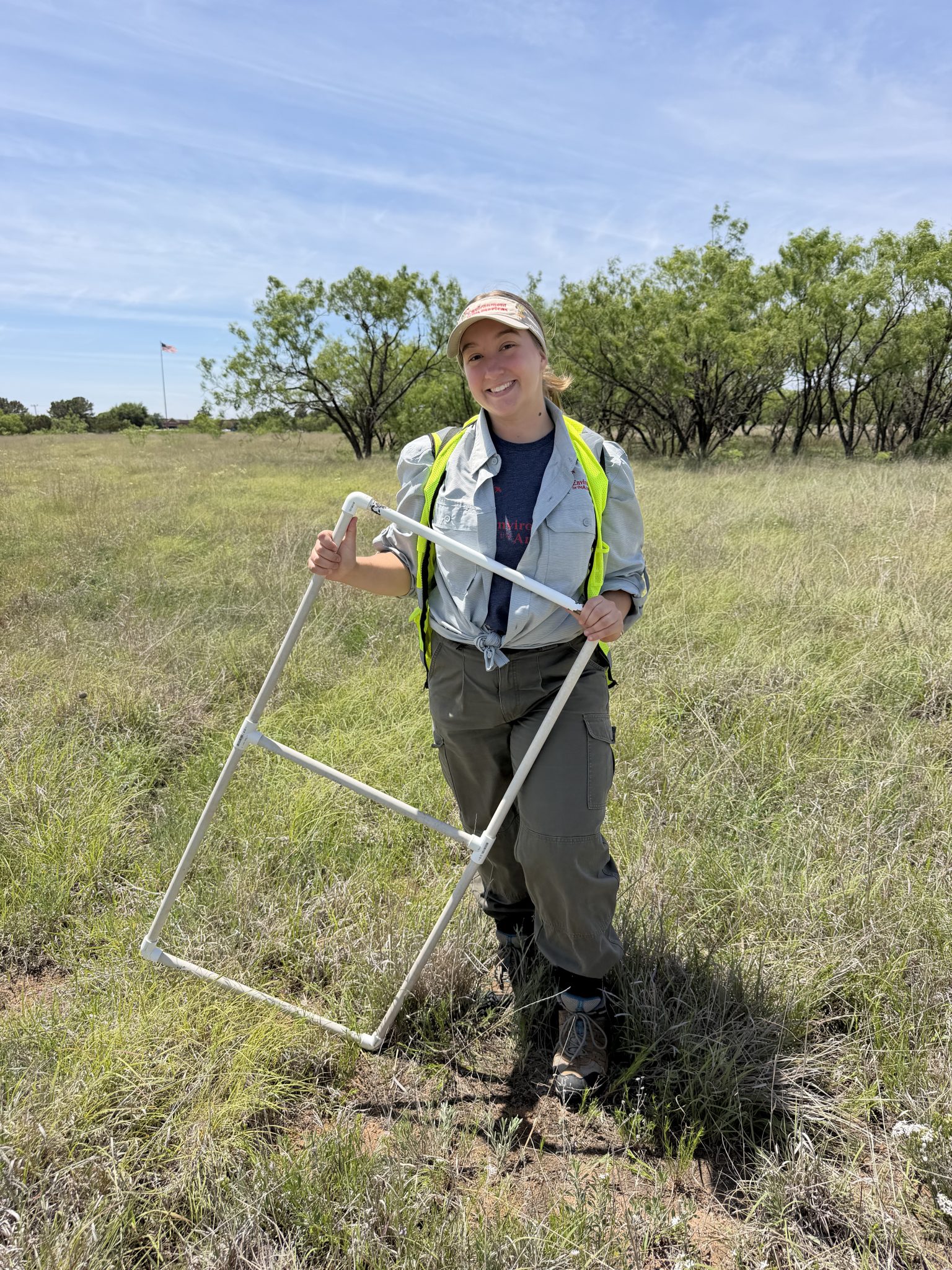
01 May The Start of My Third Year!
Hi everyone, I’m back! It is officially my third year as a Monarch and Milkweed Field Technician at Dyess AFB in Texas. We have been running the Integrated Monarch and Milkweed Protocol since Spring of 2024- covering now 13 plots across the installation! Through the process, we have documented approximately 100 different blooming plant species as well as 5 species of milkweed in our plots alone!
This season, we are visiting each plot with the same desire to find immature monarchs among the milkweed, and fields full of nectaring resources for the monarchs to utilize as they make their way through Texas. It has been super interesting to notice firsthand the importance Texas plays in the monarch migration as I have spent time out in the field. When I first started this internship, I had just moved to Texas from Pennsylvania, so a lot of the flora have been brand new to me. With most of our flowering plants being the color yellow, identifying them was confusing at first. With much practice, I have become more proficient in identifying flora, allowing surveys to go much quicker. This season, our goal is to complete Activity 1 surveys once a month and Activity 2 surveys twice a month. If you are unfamiliar, activity 1 surveys focus on blooming plant species, while activity 2 surveys observe immature monarchs on milkweed plants. With this goal, we can track the progression of the blooming plants in the field as the seasons transition from spring to summer. We can also track the transition of monarch larvae with frequent revisits, to determine how recent an adult monarch had visited that plant!
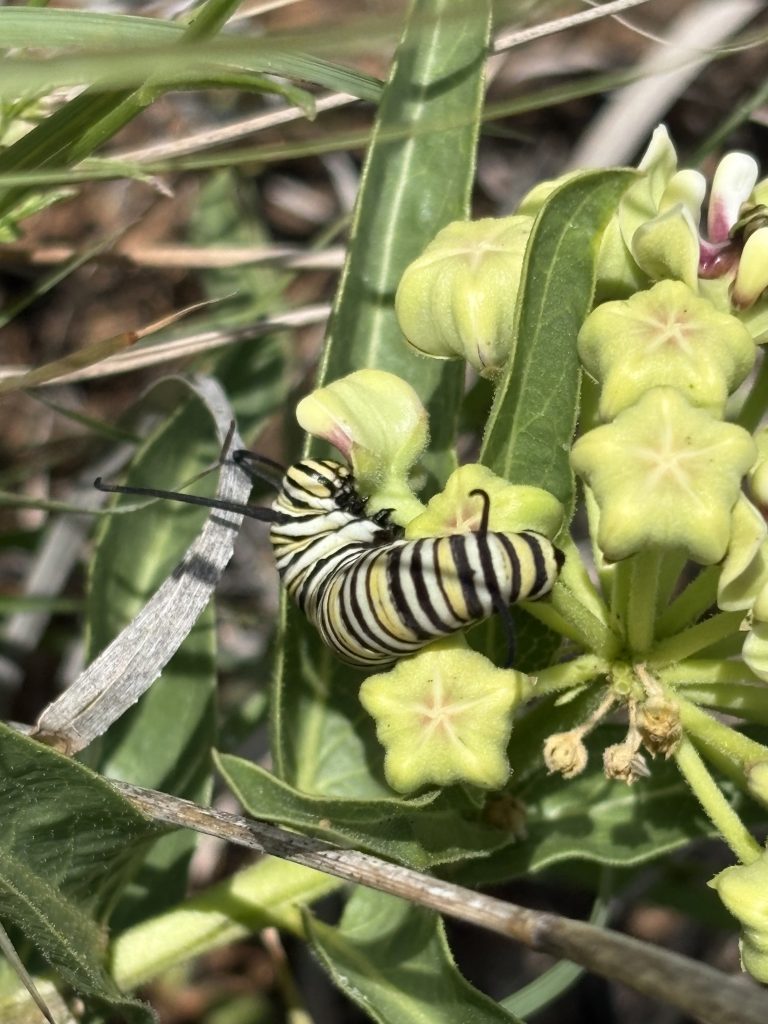
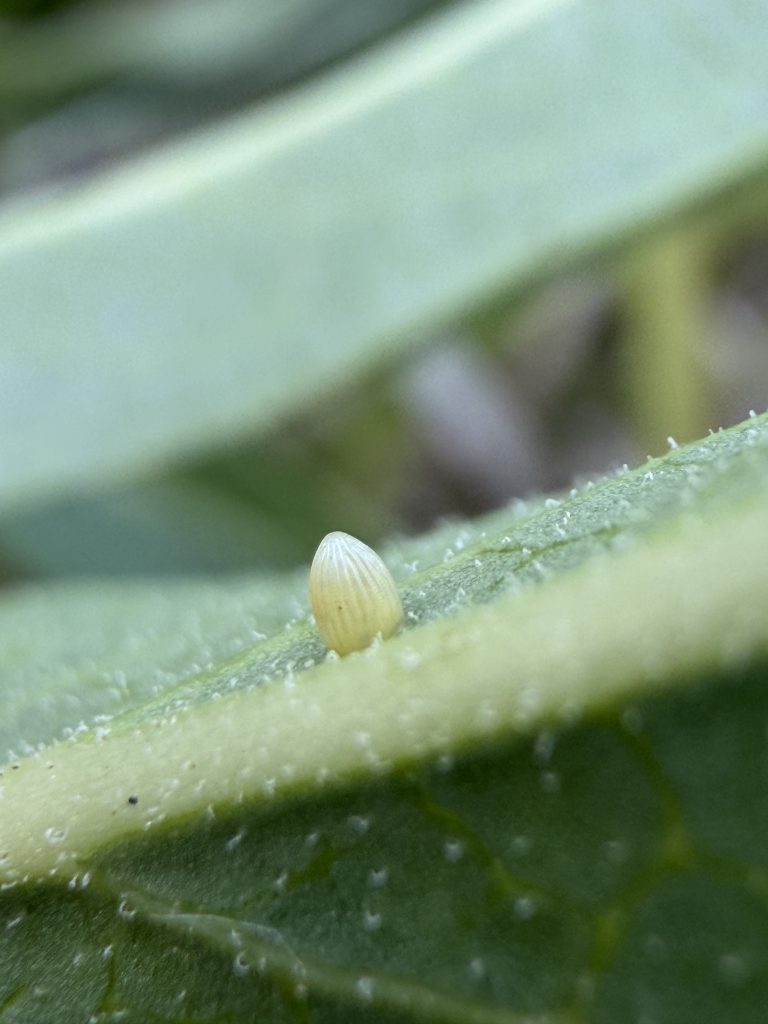
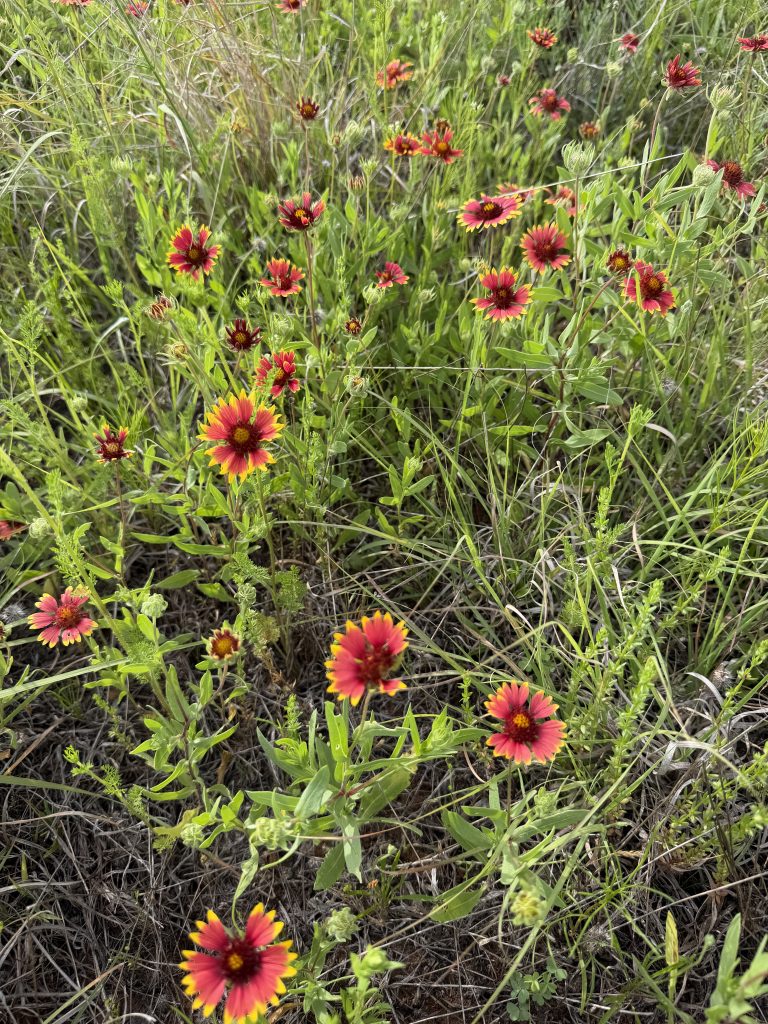
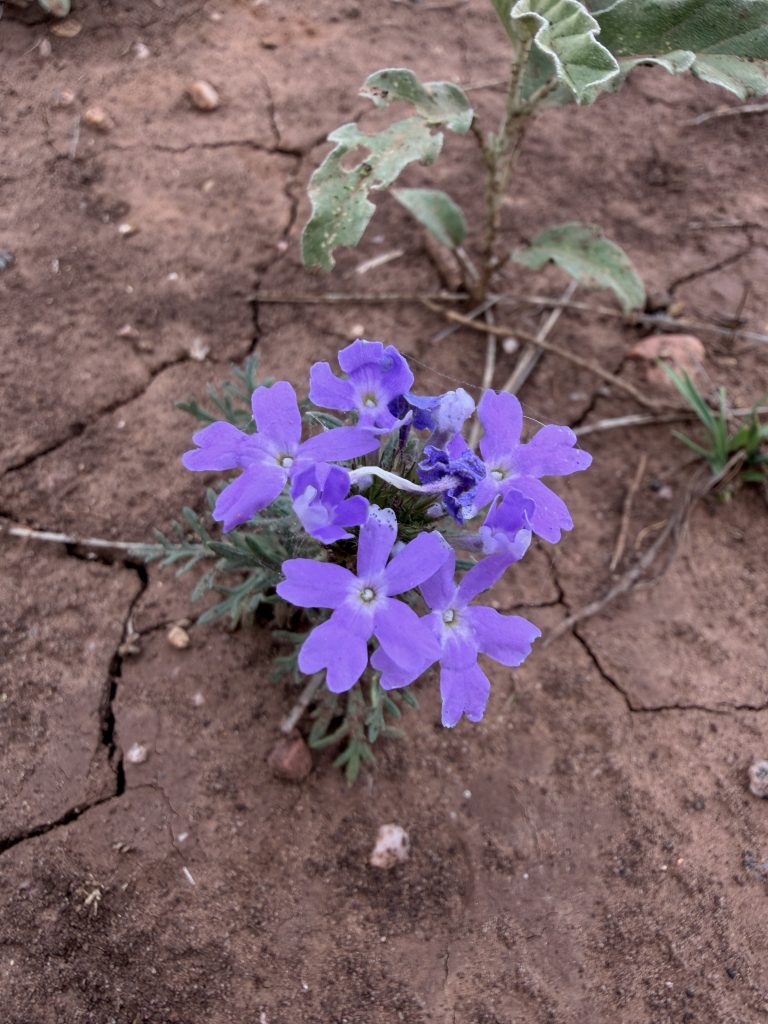
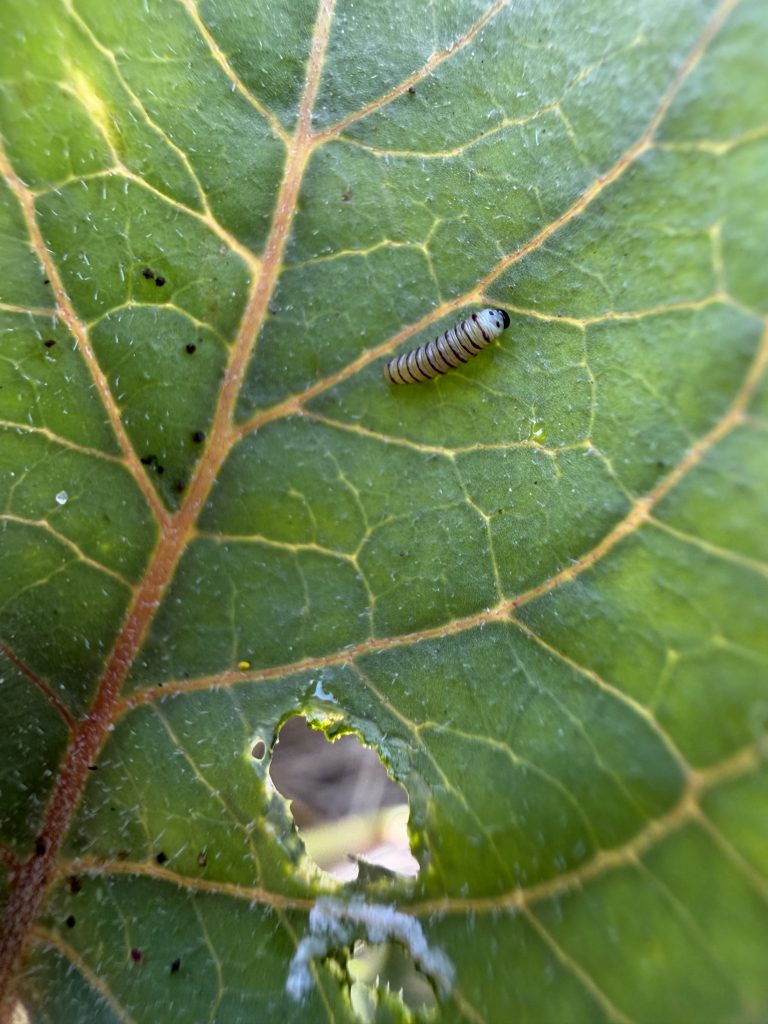
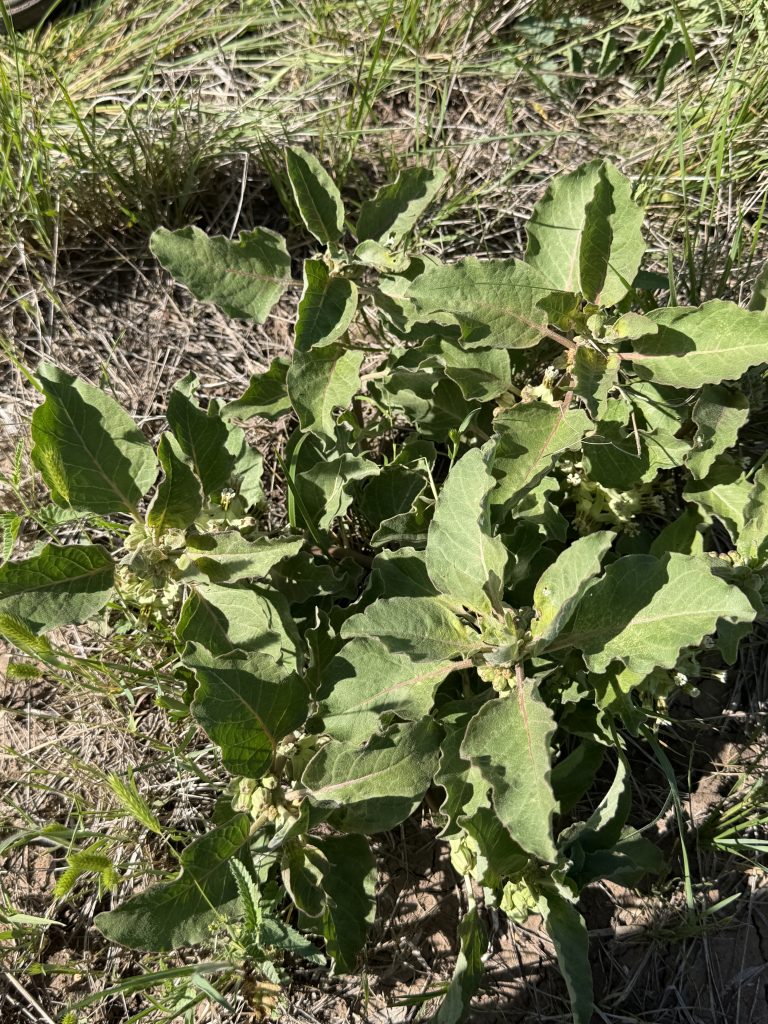
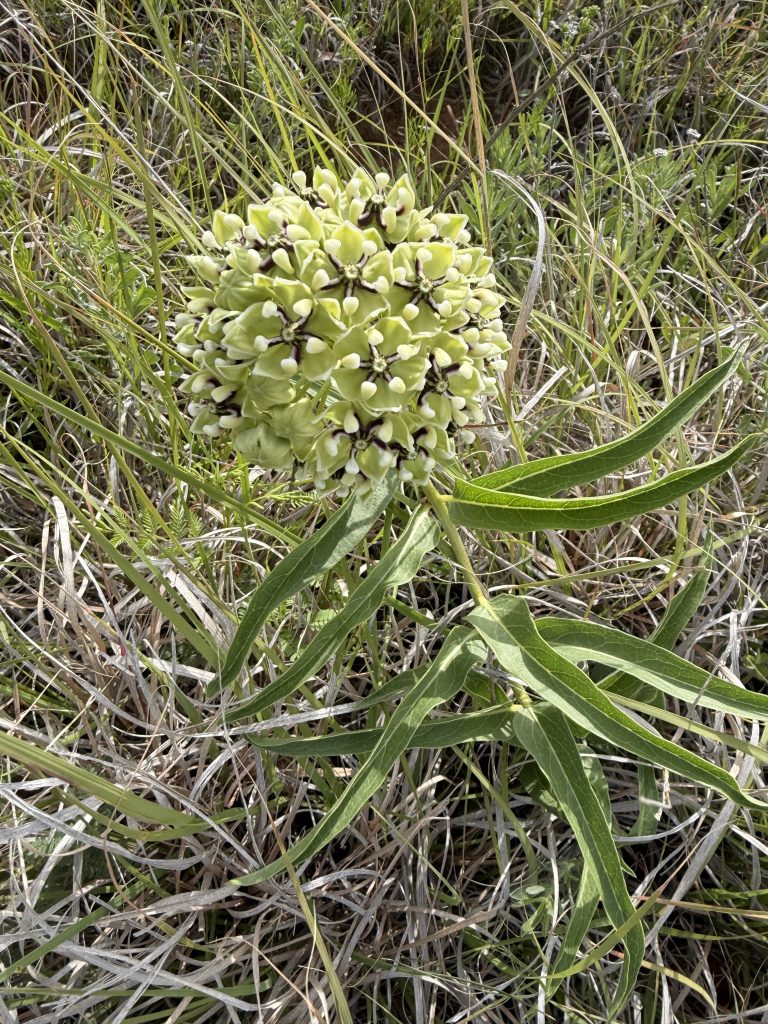
So far, we have already visited just about each plot once for activity 1 and 2. Some of the blooming plants we have observed the most have been Indian Blanket, Meadow Flax, Texas Yellow-star, and Dakota Mock Vervain. For milkweed, we are finding mostly Antelopehorn and Zizotes, but have seen a few patches of Engelmann’s and Green Comet as well! During surveys, we have a total egg count of 10 and have seen two 1st instar larvae so far- it almost feels as if we are seeing the stages in order as the monarchs grow! As we get further into the season, we have experienced more and more rain here on base. While it brings challenges with traveling to our plots, it has allowed the diversity of our fields to flourish!
As we move further into peak season, I’m especially excited to see how monarch activity increases alongside the blooming plants. It has already been incredibly rewarding to return for a third year and see how much both the landscapes and my own skills have grown. Every survey feels a bit more familiar, yet still full of surprises! I am excited to keep learning and update you on what the rest of the season has in store!
Sorry, the comment form is closed at this time.