


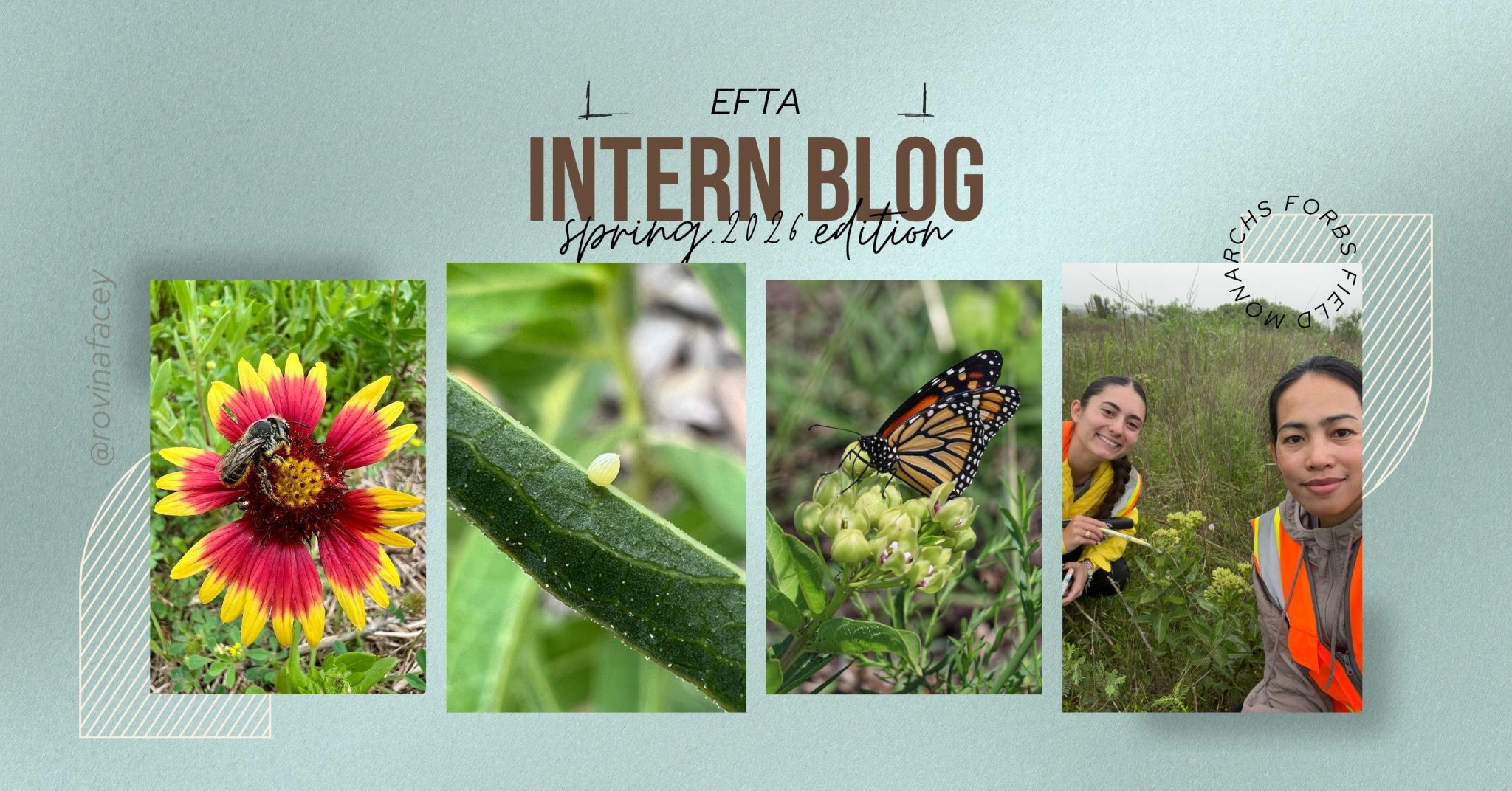
05 May Hello EFTA, it’s good to be back!
my Second Season with EFTA
I am officially back! This is my second stint with Environment for the Americas (EFTA), and it just feels like the first. And speaking of the ‘firsts’, I will highlight some of the random things I experienced in my first two weeks as a returning intern.
Our training at Joint Base San Antonio – Camp Bullis two weeks ago was not just about what we have learned from the training but also seeing the fun side while being there. One of my impressions was “wow!”, this is Camp Bullis. It changed my perspective, from Camp Bullis being known for ticks waiting around you to have and suffer, which I am relieved I did not get it, and then to having seen those beautiful, fully grown, green trees in the field. And I will not forget to mention their well-maintained wide green fields that look like a golf course (in my opinion). Yes, the base has absolutely captivated my eyes, and I appreciated it to have been there.
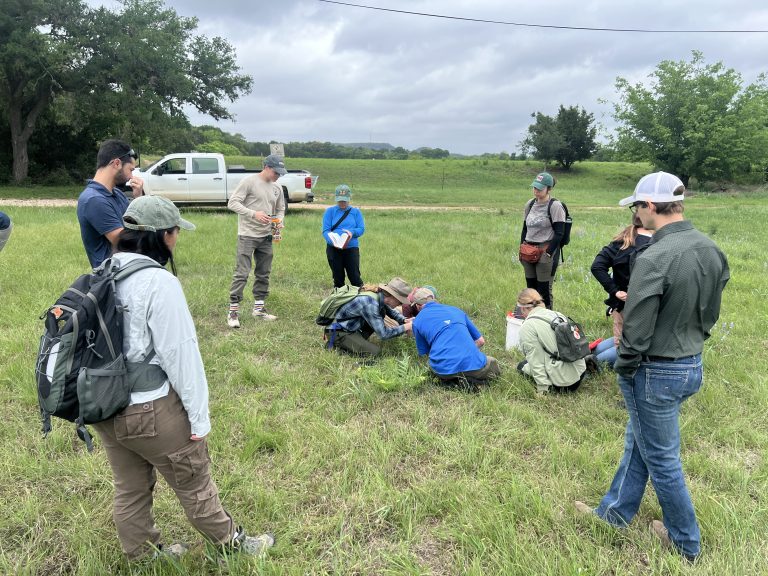
FIELD DAY: Interns with experts explaining the use of dichotomous key in identifying forbs or organisms. The use of iNaturalist has been the go-to app and has given everyone the convenience in the field but just have to verify as always that you get the correct identification in the end.
This is so important to interns like me especially when I encounter forb species that are almost identical and the only way to ID them is going back to the comparative analysis using this key. But really, the book is too heavy to bring to the field and time consuming. So, whatever initiative works best, just use one way or another.
QUICK trip to SAN ANTONIO'S TOURIST SPOTS
San Antonio River Walk and Botanical Garden
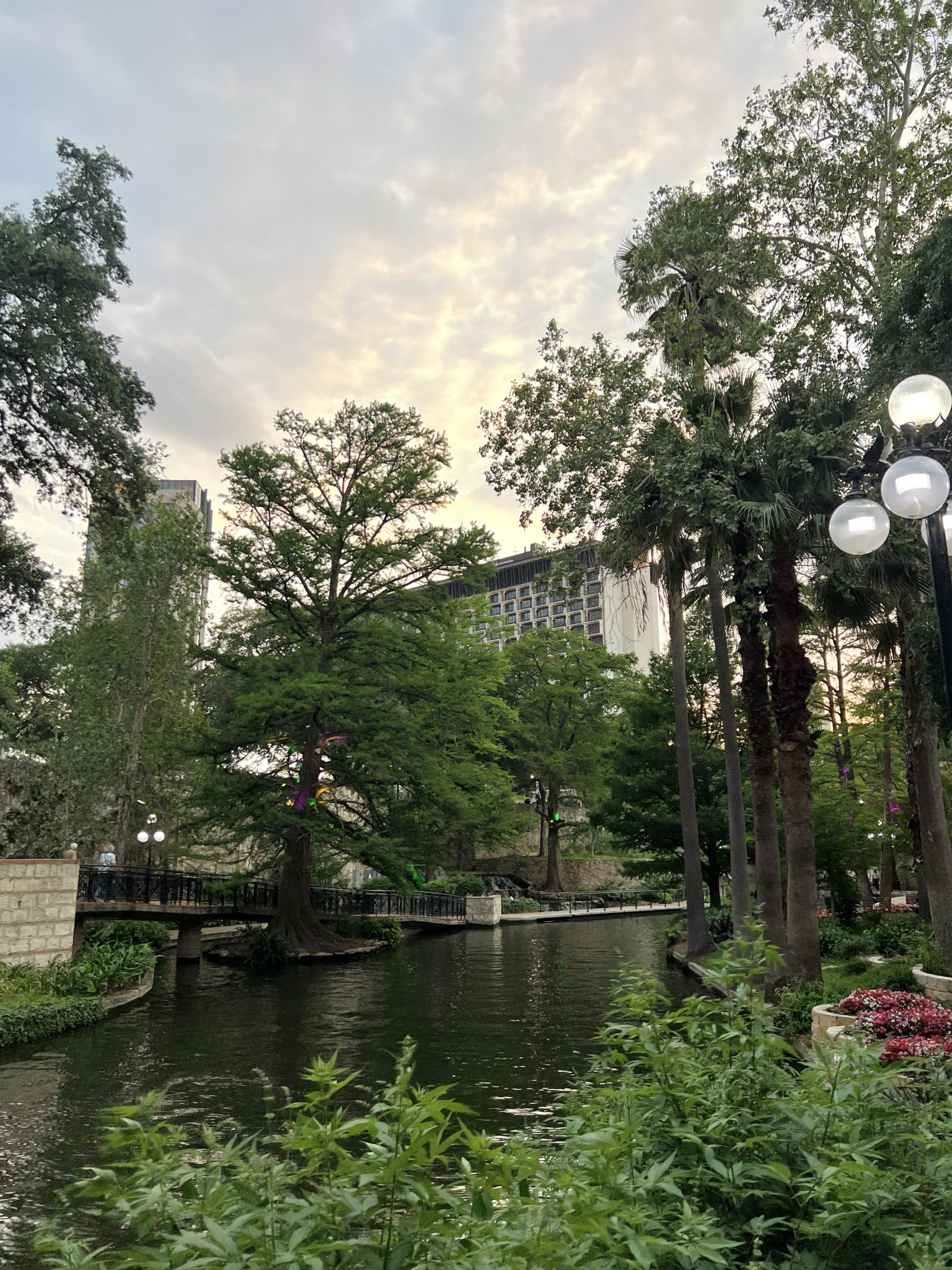
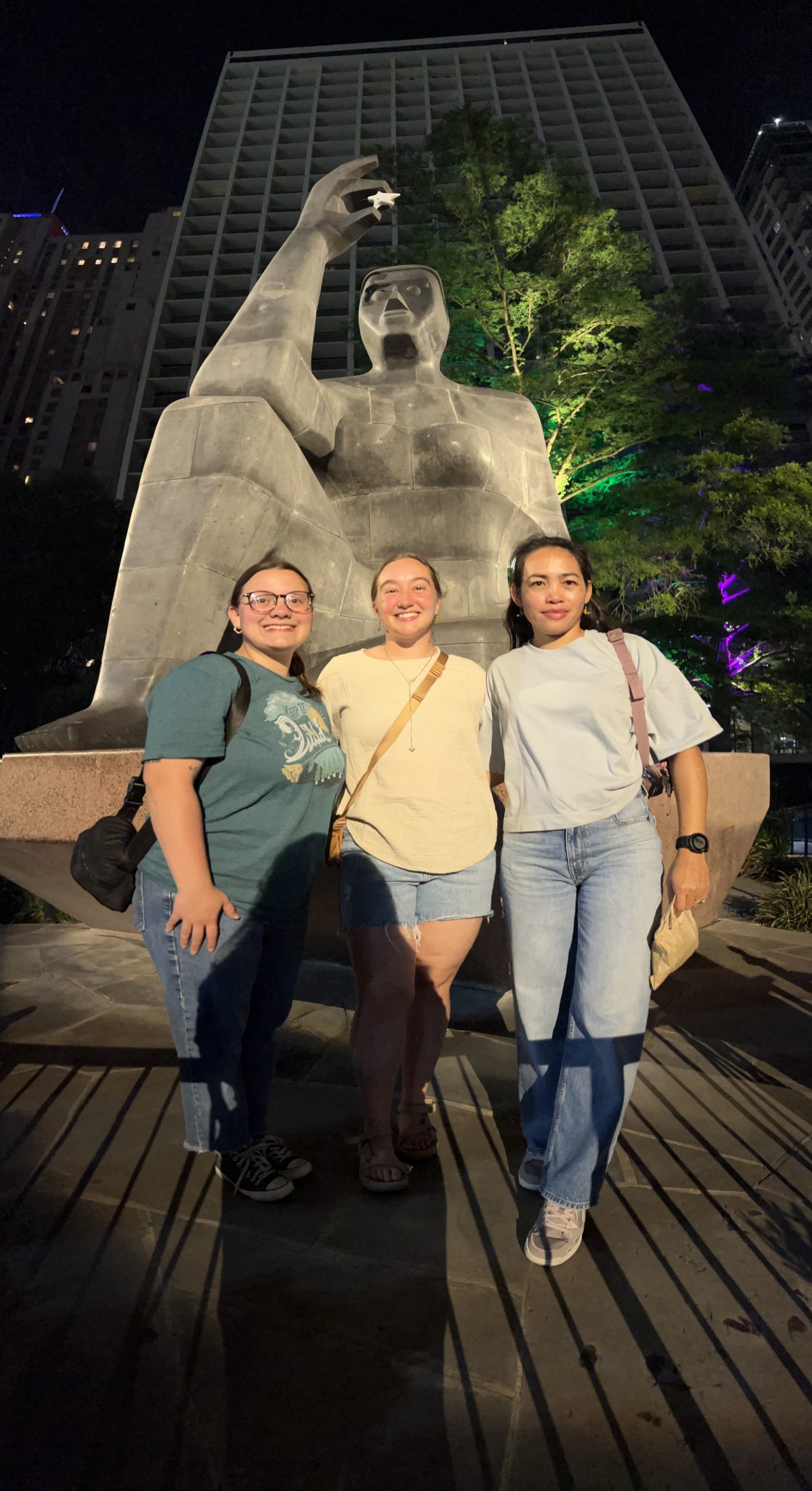
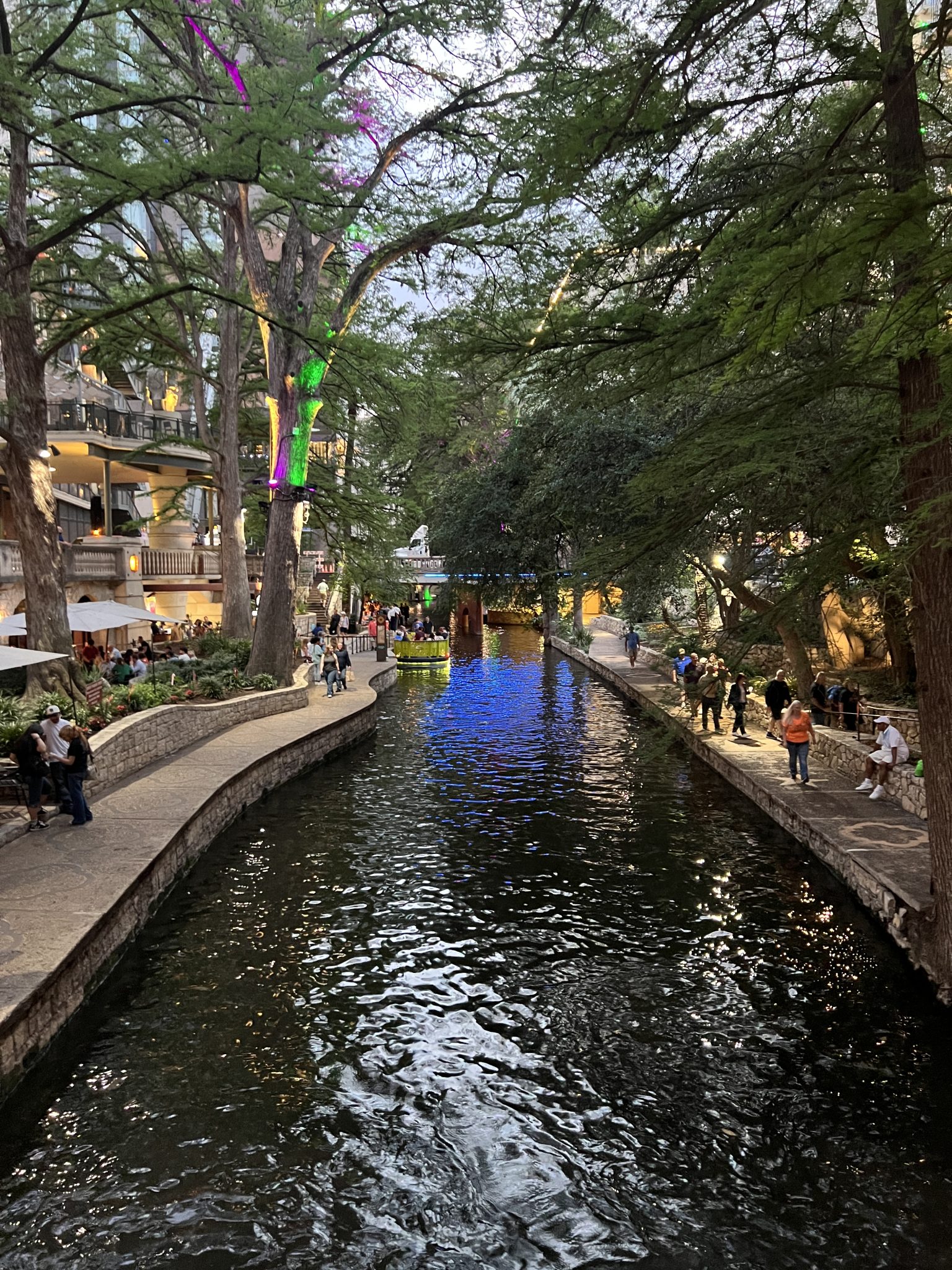
While training was the main goal, me and other EFTA interns did not miss the fun of having short city trips. We explored around the busy and dazzling San Antonio River Walk. It was my first time visiting and viewing amazing spots during the night. Thanks to cool interns I was with whom added the hype that day. Never mind the casual encounter with different strangers asking for money and the whereabouts of his family. At least, we got entertained and nervous even with detours.
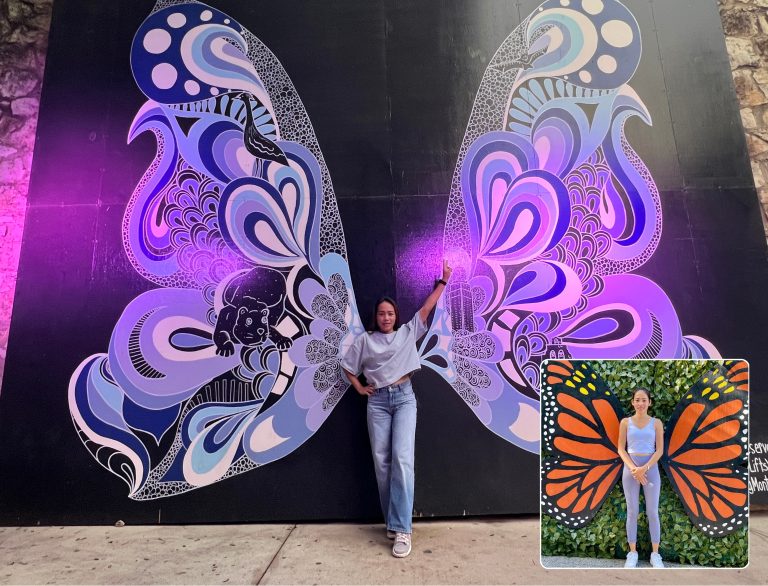
SERENDIPITY: A recent picture of me with butterfly mural background at San Antonio Riverwalk and a monarch background at San Antonio Zoo in 2021. Back then, I did not even realize it was a monarch until I got to know them a few days after and now working on them.
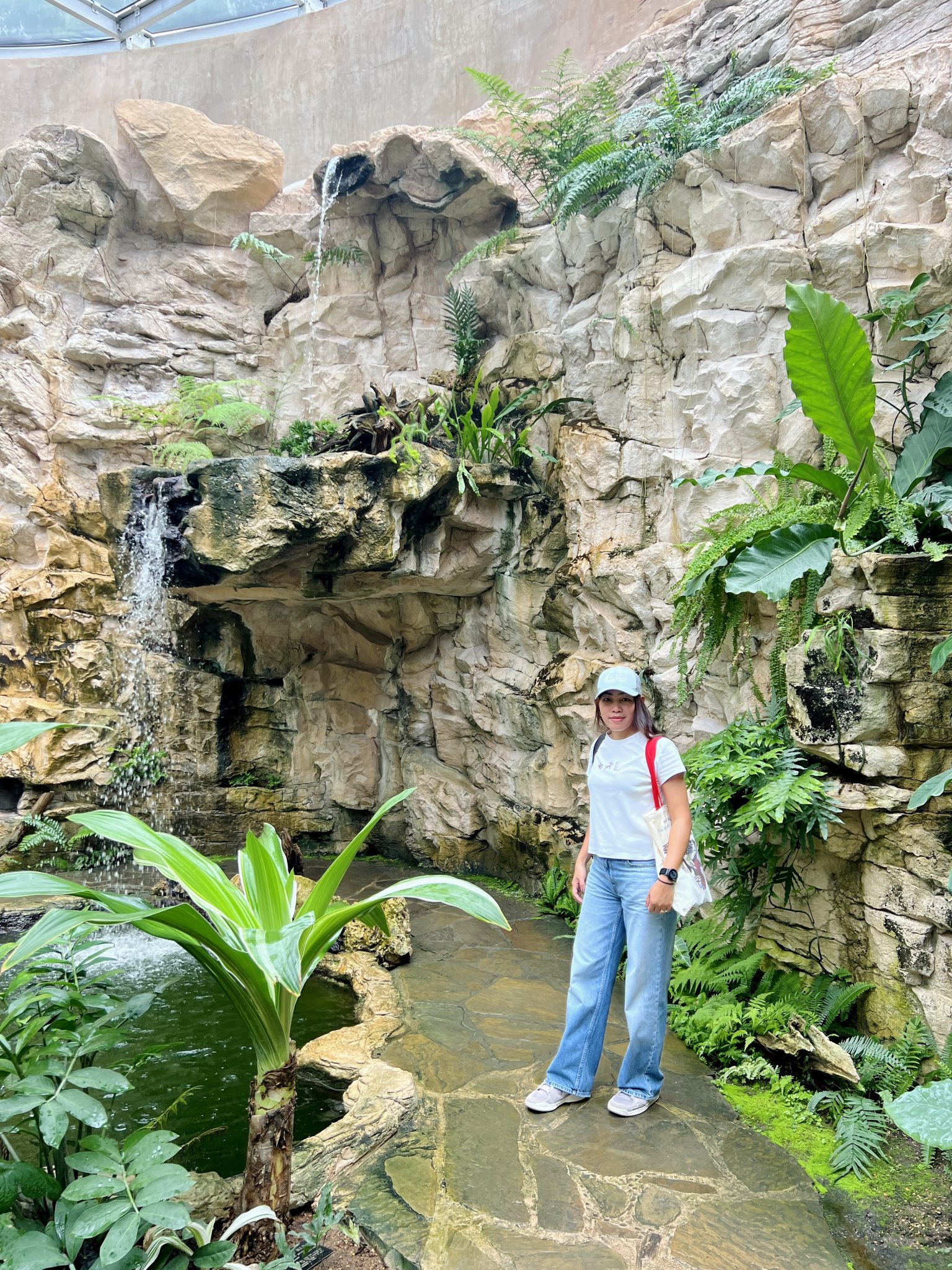
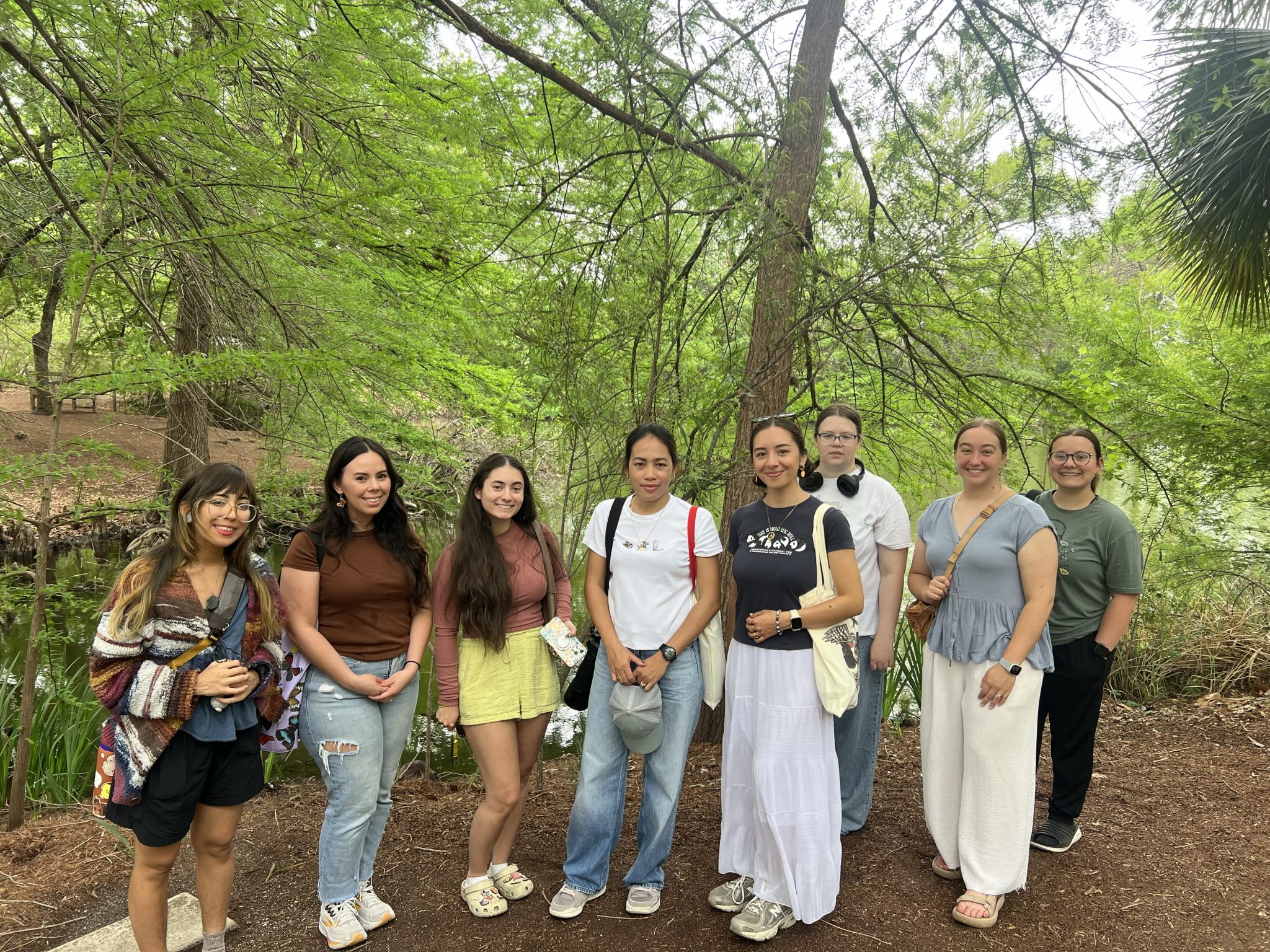
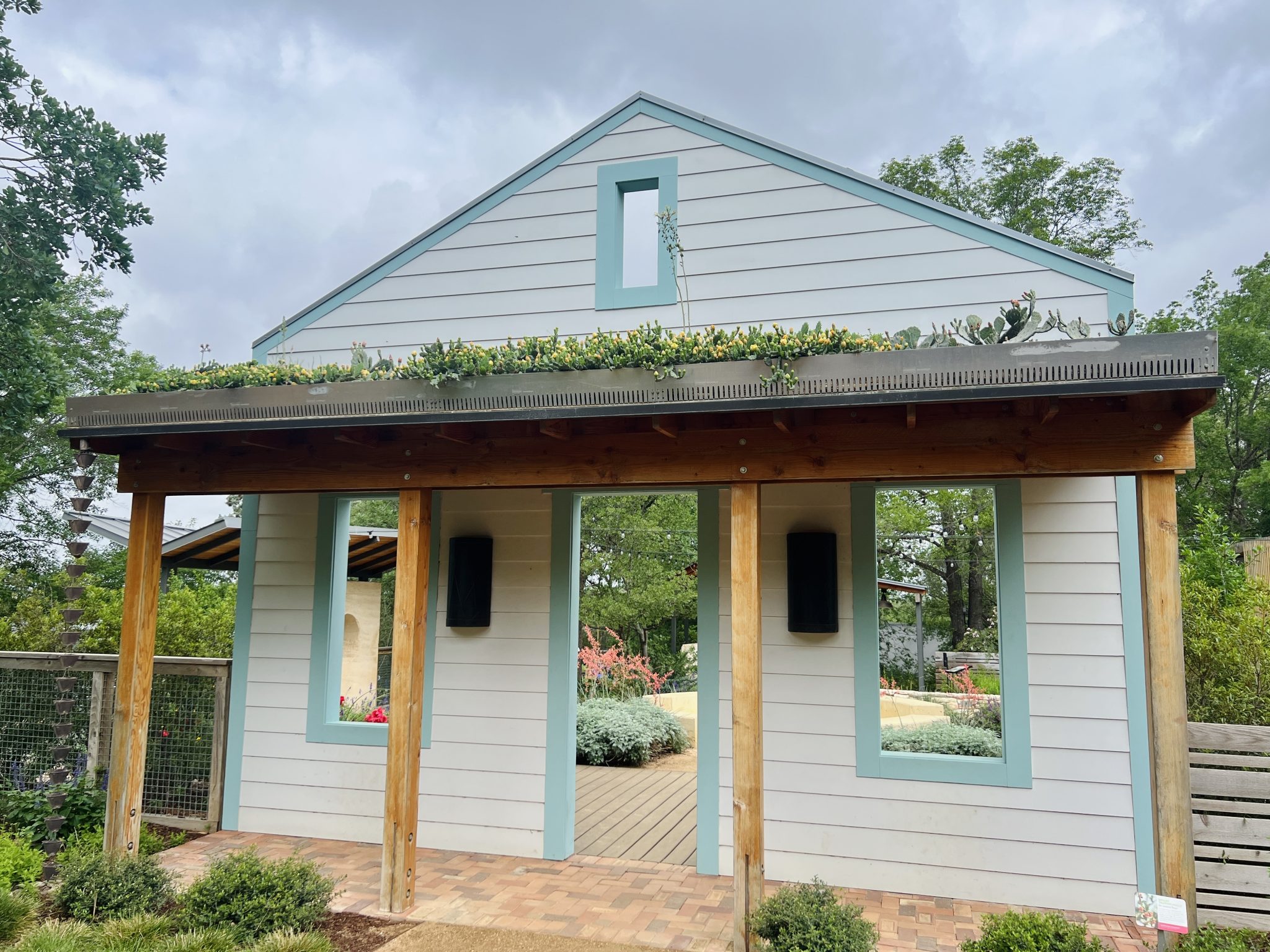
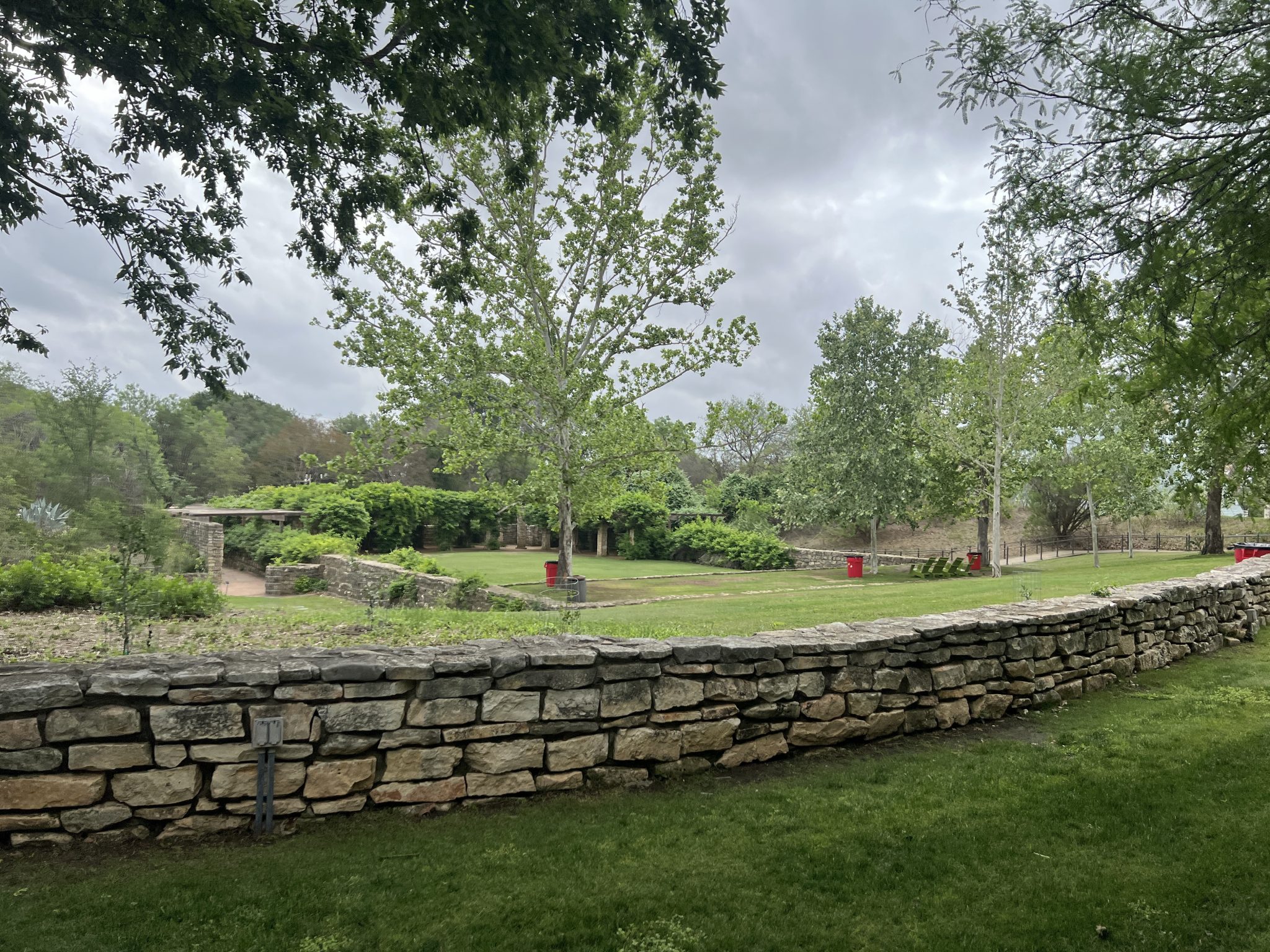
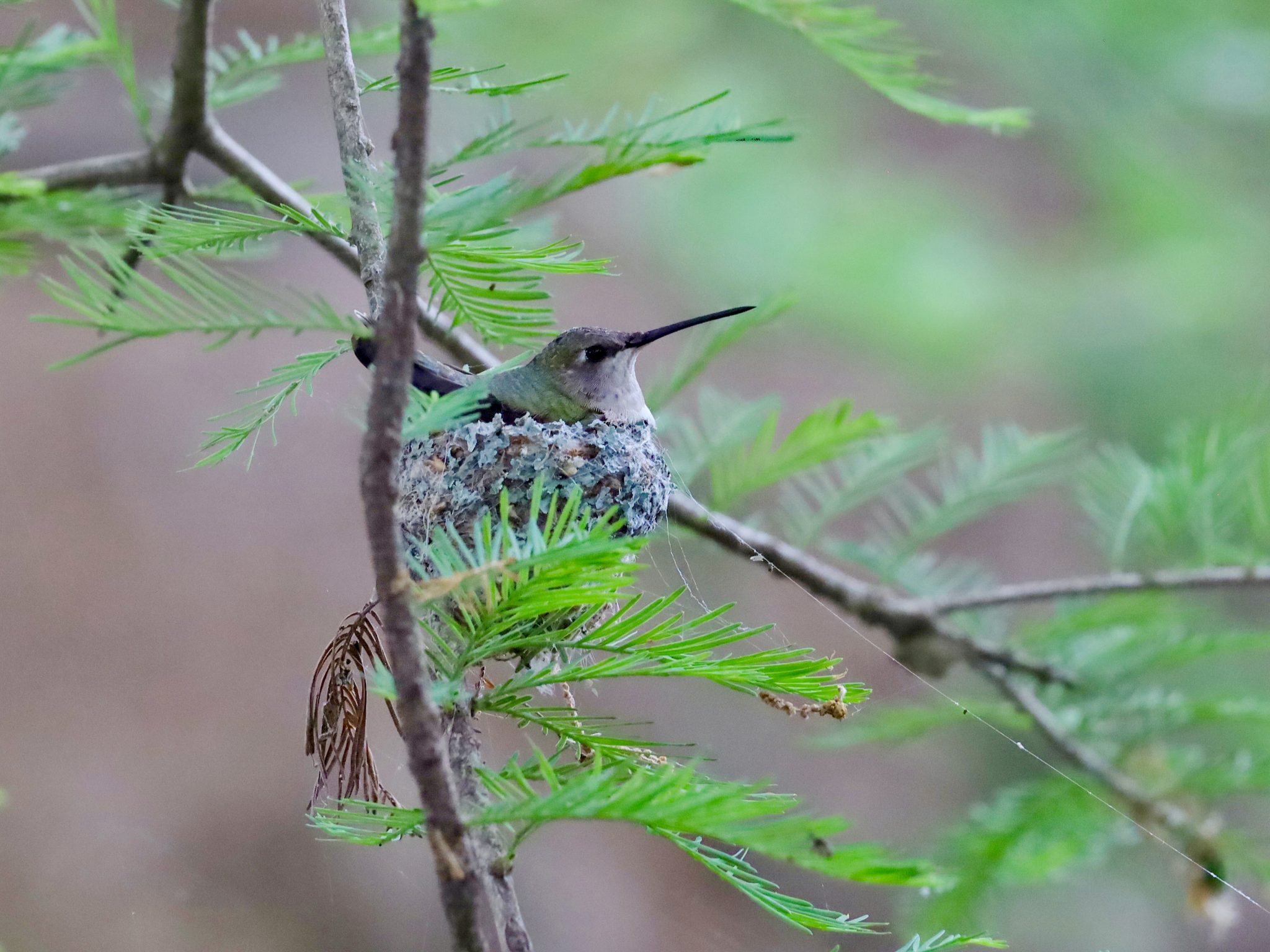
I have been here in Texas for quiete some time, but I have never been to this big garden. When I heard that we were all going there after the training, I was super excited and that day we were there, it did not disappoint my expectation. I love how the setup of the garden, especially those people, mostly elders sitting on a bench. They were sketching, drawing, and painting whatever their subject was that day. I noticed it was mostly flowers. It was huge to roam around for a short period of time, but I got I glimpse of its beauty. The best part was seeing a hummingbird on its nest for the first time and being able to photograph another LIFER- Long-billed Thrasher.
back to fort hood | field work
After a week of training, I finally got back to Fort Hood and started our plot survey in the field. Fortunately, my field days were eventful and productive. I can say that the only missing piece in the picture below is the Chrysalis that I have been longing to see but it will be a grueling effort before I can find one. Hope is still on and waiting for that day to come.
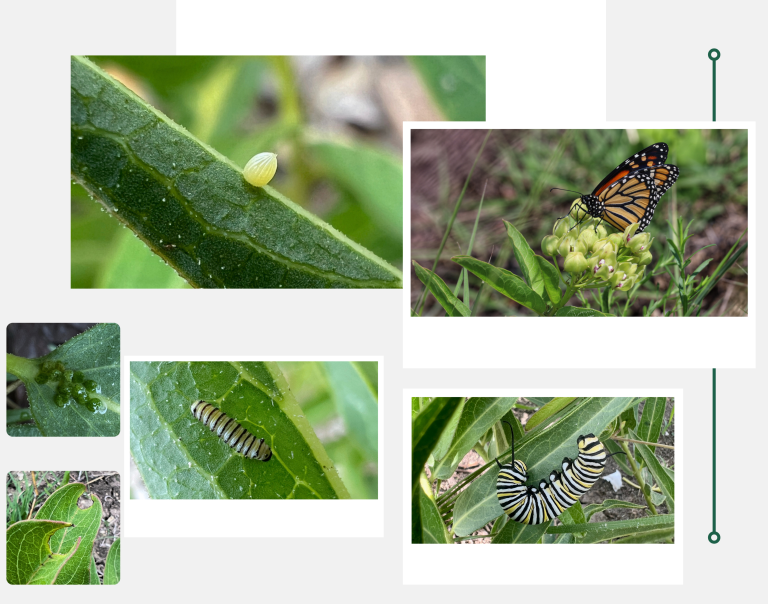
Apart from that, I can say that this is a good year of seeing hundreds of milkweeds growing in most of the plots I surveyed, with Antelopehorns and Green Milkweed as dominant species that have been recorded so far. I am also happy that it is this year I first spotted monarch instars on Green Milkweed. I always find them on Antelopehorns. Thanks to the massive caterpillar droppings or poop called frass present on those leaves. That was a lot of chomping on that rainy day. In addition, not all leaves with bite markings have instars on them. So, that was another hint to look for instars.
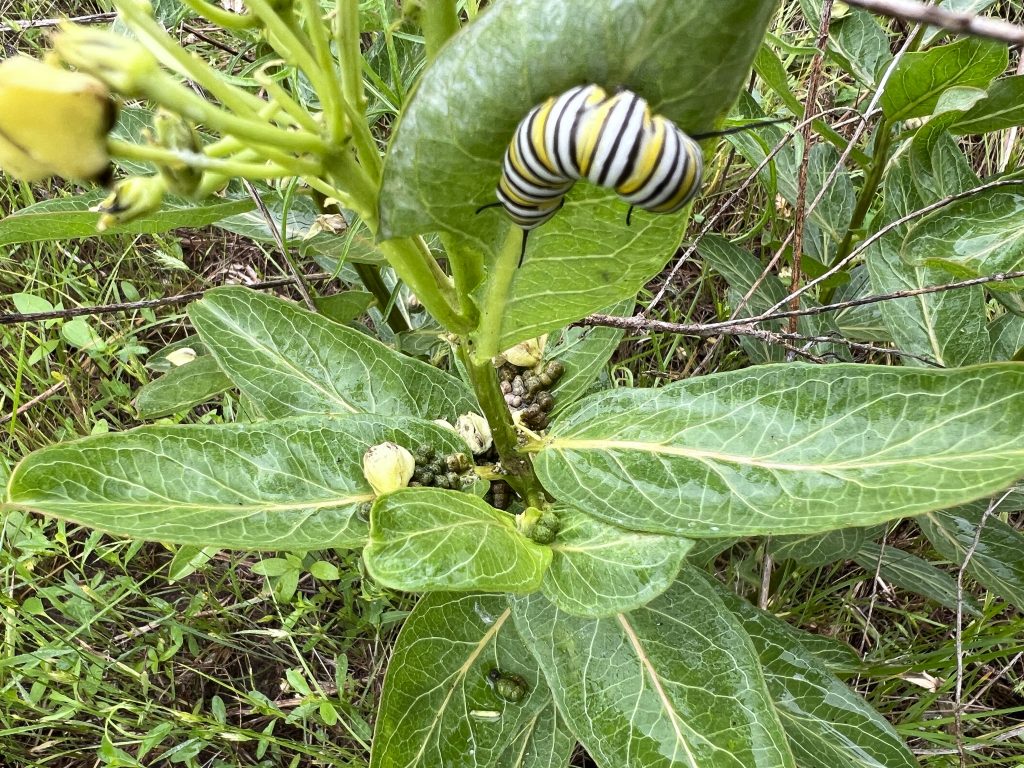
Picture of an instar and its frass on Green milkweed leaves. I read an article about these pellets (frass) and I learned that it can be used as fertilizer.
I will leave my writeup here and see you in my blog :)
Sorry, the comment form is closed at this time.