


18 May In the Field with Cattle and Other Things
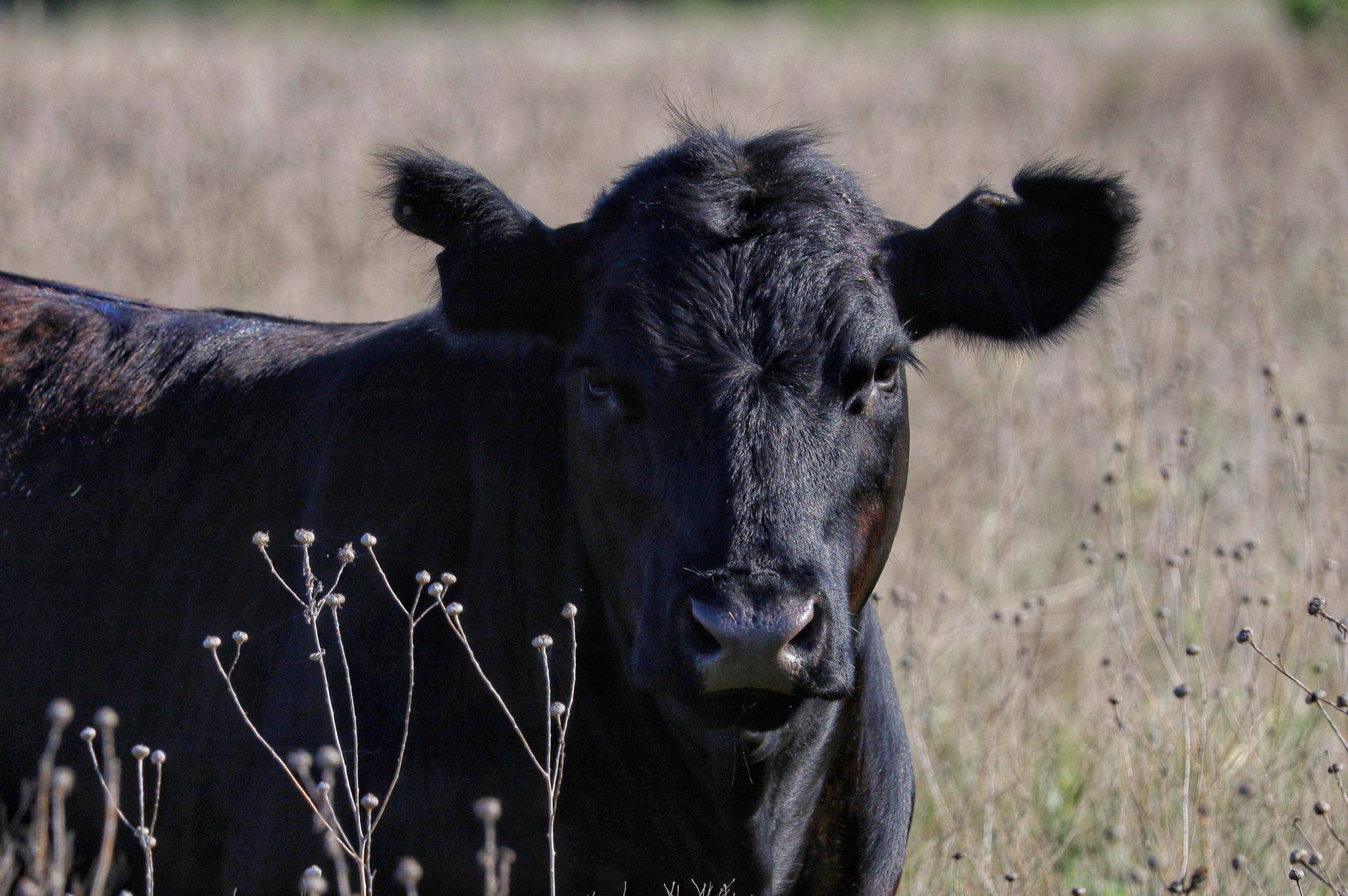
You heard me right, cattle. Following our daily survey routine in the field, I always see them and majority of the time, grazing within our plot we intend to survey. Sometimes, it gets scared away from me or the other way around. Here is my story.
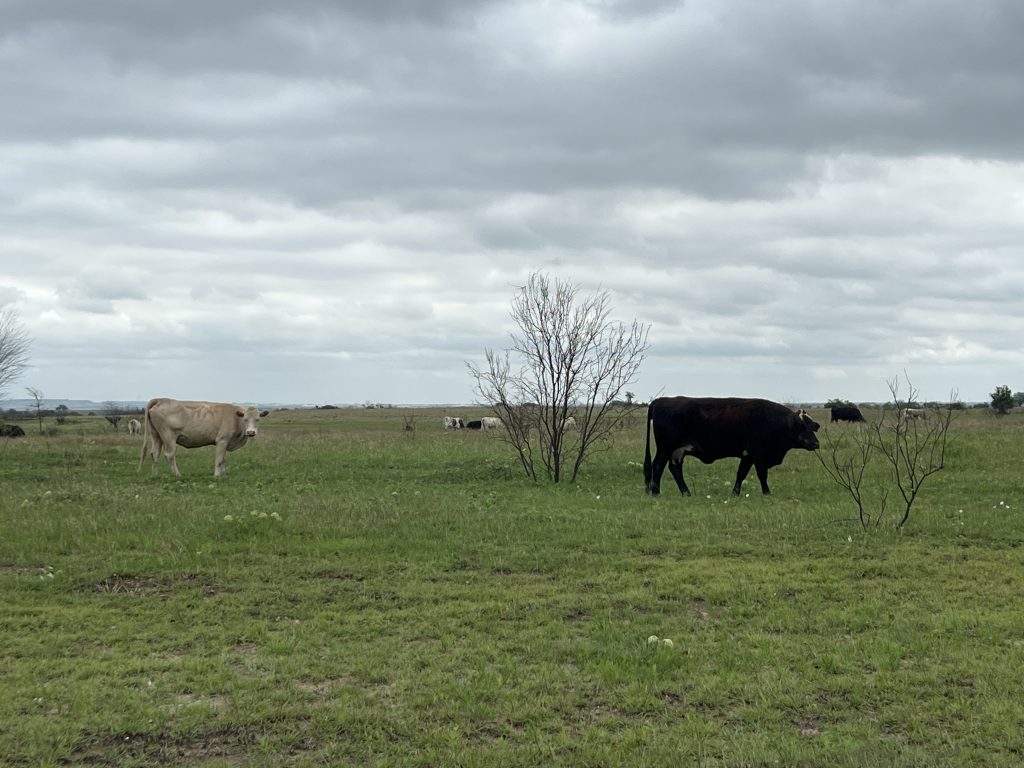
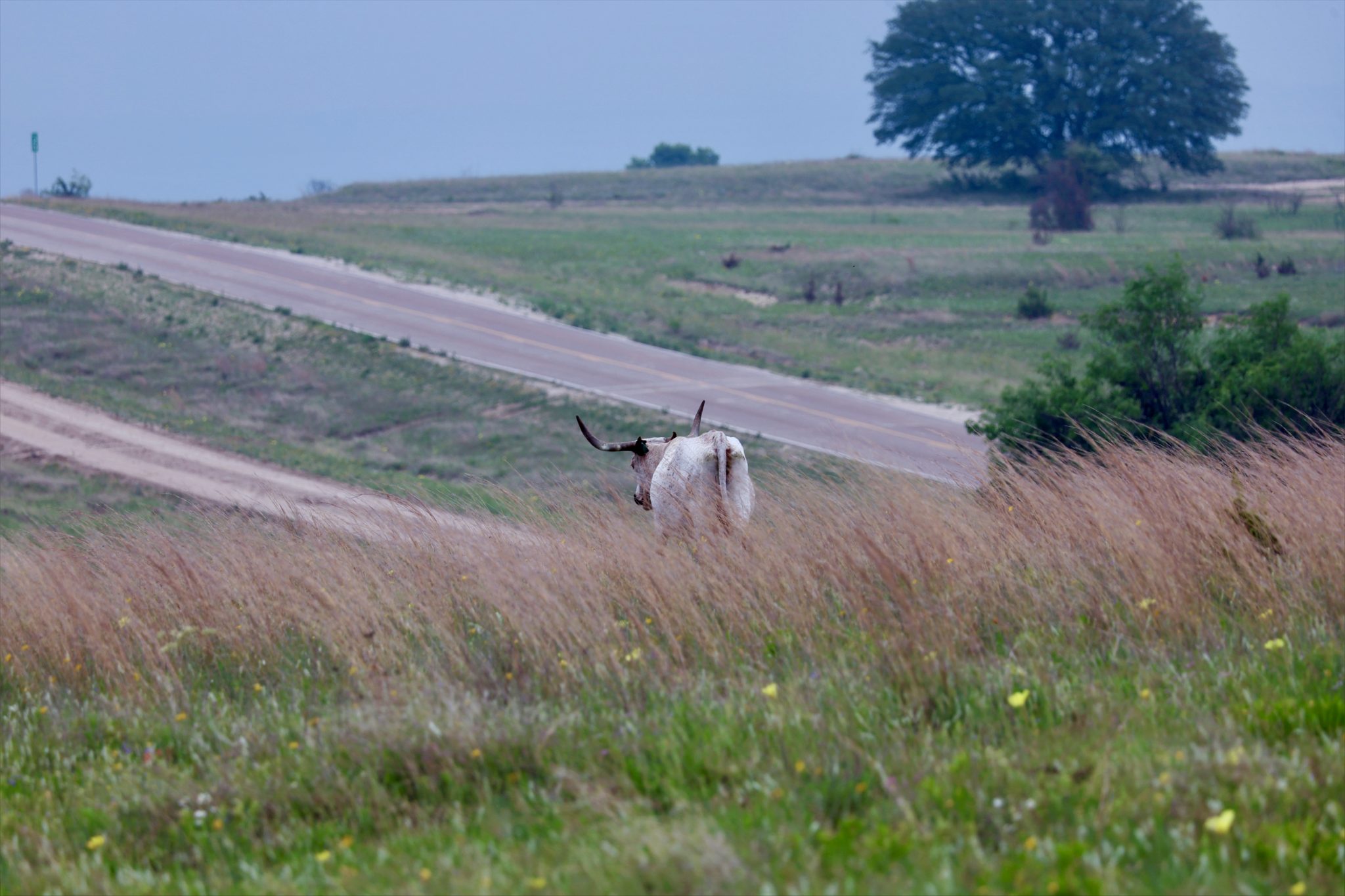
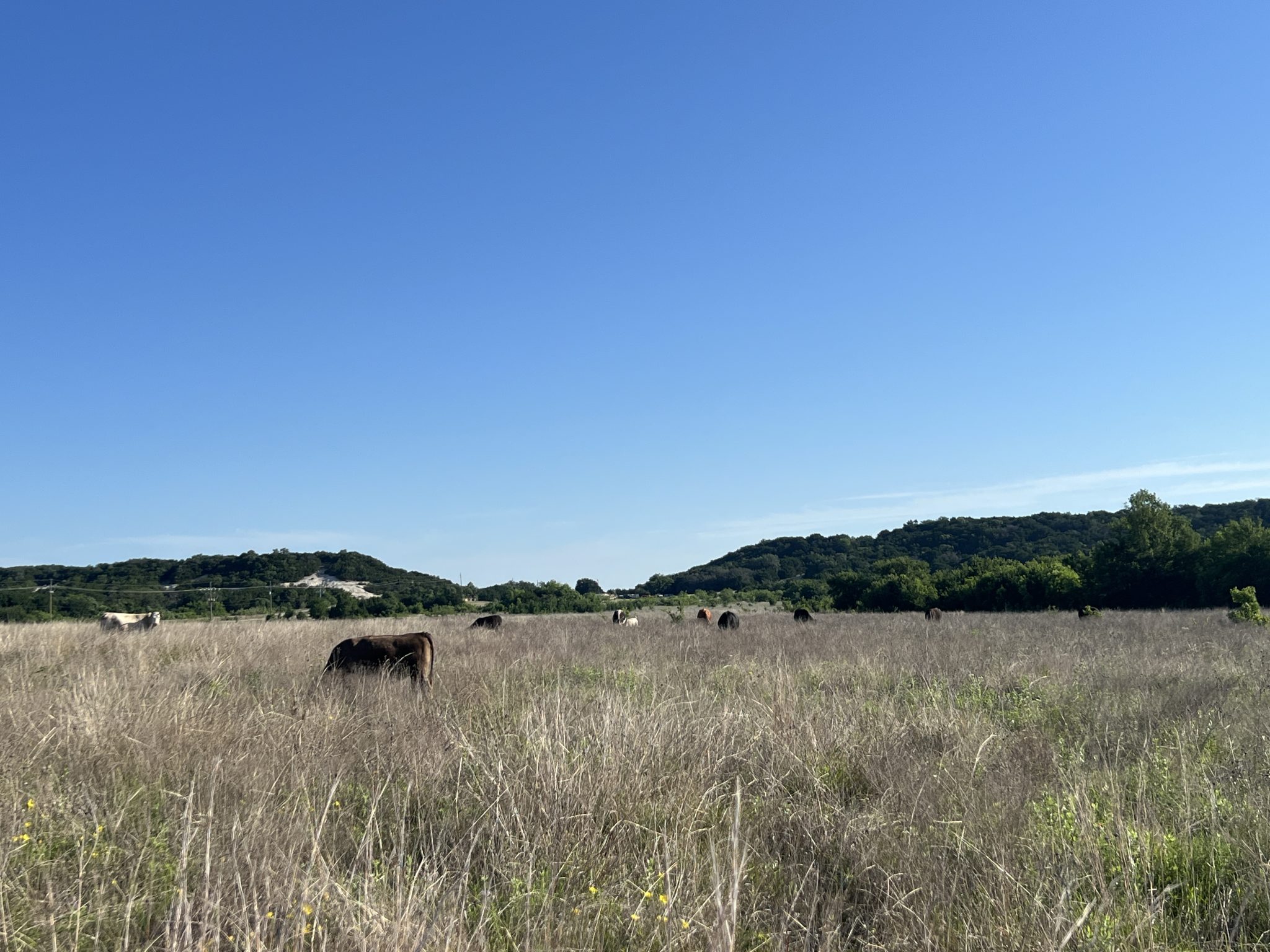
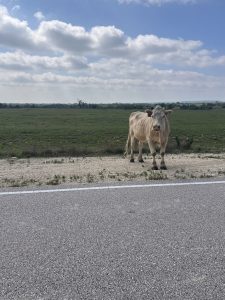
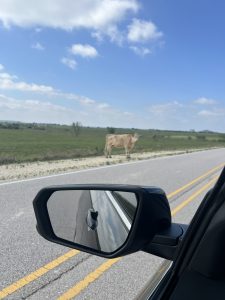
In the IMMP survey Site Description part, cattle grazing is categorized as disturbance. It is a mix of functions why it is there. The good thing is they by some means help reduce taller grass that compete for the growth of forbs and milkweeds. The other part is they can press hard any milkweed with or without monarch eggs or instars to the ground. I take observation for this bent or hard-pressed milkweed in the notes section whenever I come across them.
Technically, cattle at Fort Hood are protected by specific protections and regulations. You are liable to pay the actual value of the cow hit and killed, unless granted general immunity if it was not caused by your reckless driving. There goes the cattle freely roaming the wide field and crossing roads at Fort Hood. Remember to yield at all times.
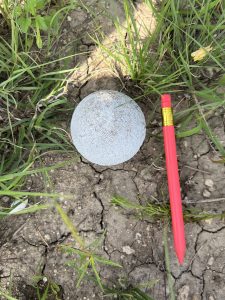
I recently found a couple of interesting stuffs in the field, except UXOs. These are not new species of milkweeds or forbs. It was just pencils and pens. Another one is a mystery that looks like a tennis ball because of its shape, and accumulated sediment, dirt and other particles. Not even UXOs or mushroom puffballs. I had no clue what that was.
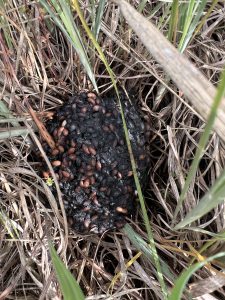
Last one is this animal scat. Does it belong to a raccoon or black bear? It depends on what its form, size, and what stays in it. This just interests me because most of the time I only see cattle, rabbits, or deer droppings. Nothing like this. So, if it is a black bear which is possible in the area, that would be cool and if it is not, just don’t touch the raccoon poop because it contains a parasitic roundworm like Baylisascaris procyonis and harmful to humans.
A picture of a raccoon feces in one of the plots I surveyed.
Sorry, the comment form is closed at this time.