


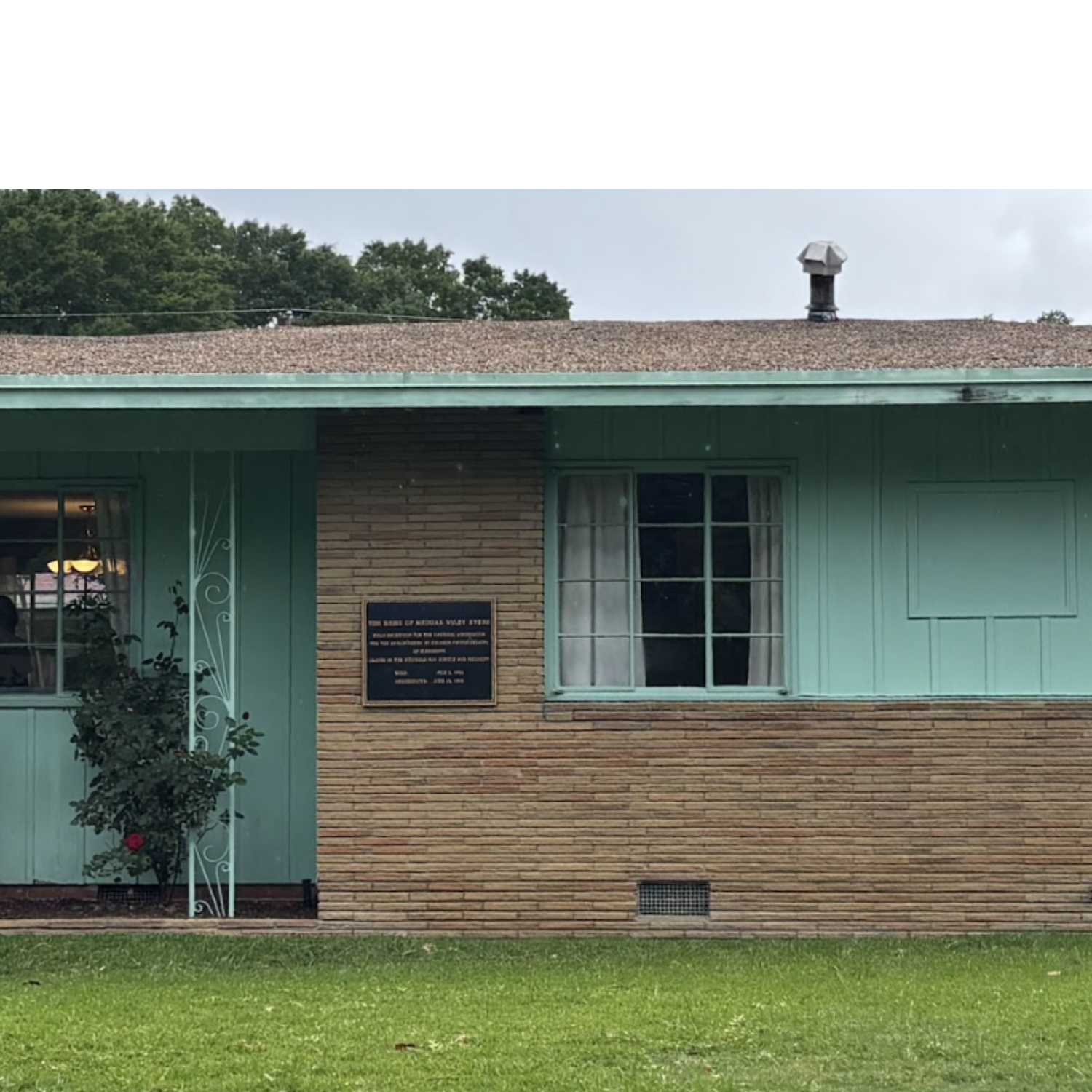
09 Jun More About the Site: How the Medgar & Myrlie Evers Home National Monument Connects with Birding
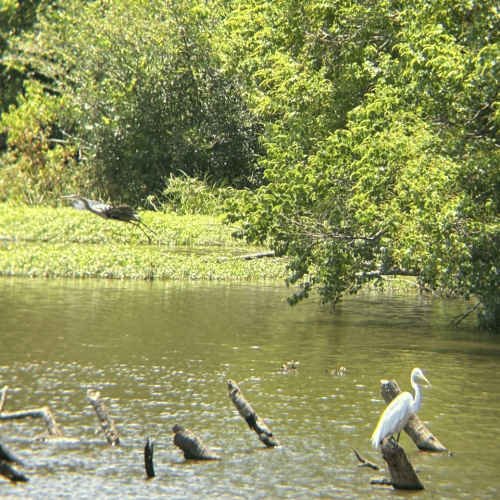
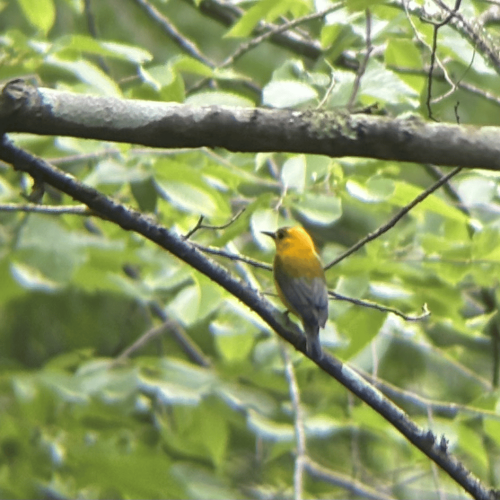
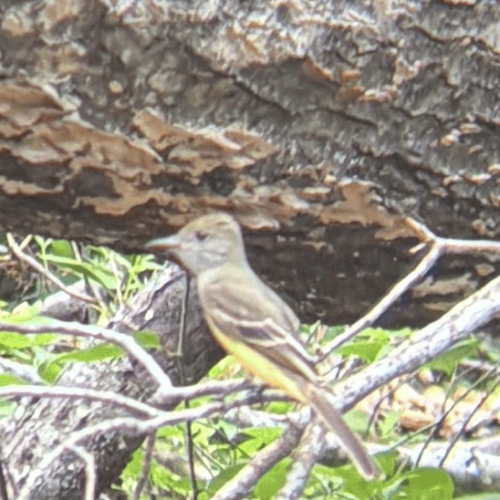
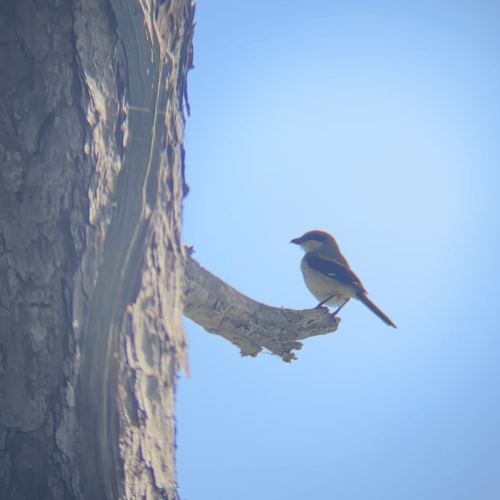
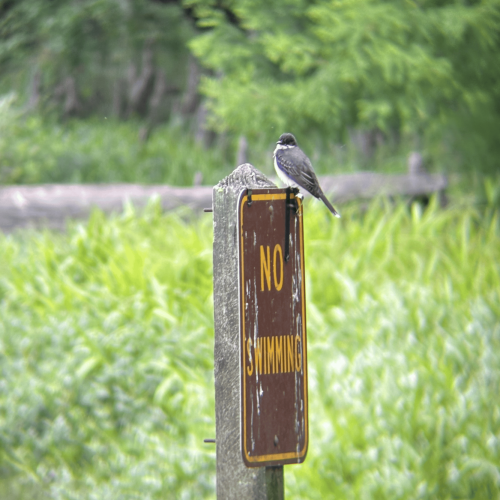
First, a Birding Update!
My Site: the Medgar & Mylie Evers Home National Monument
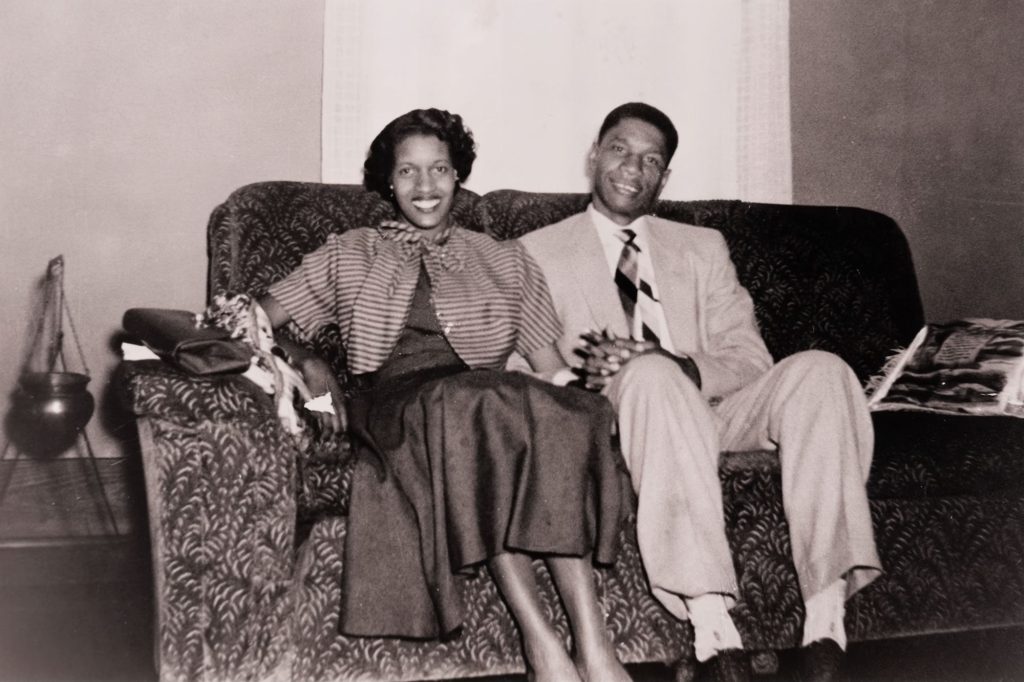
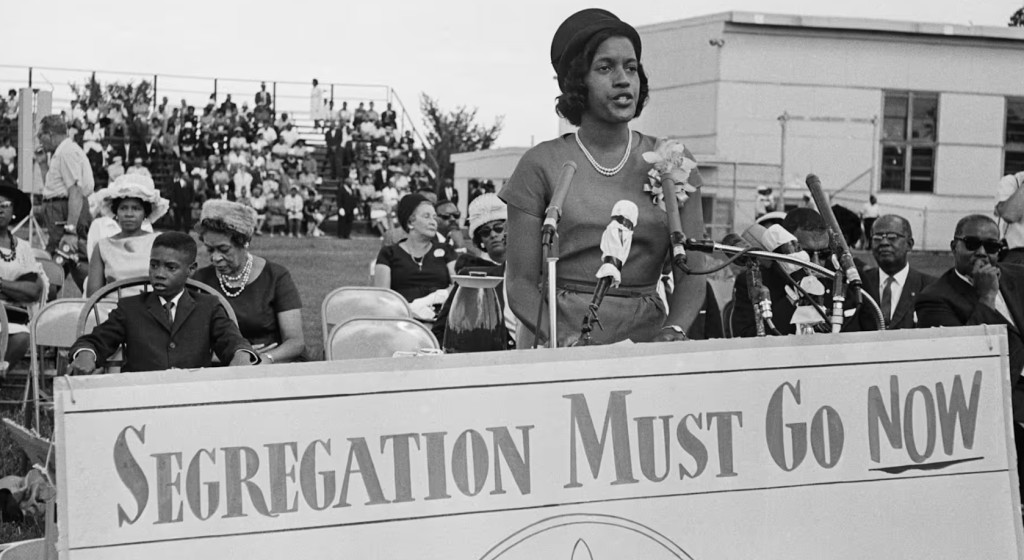
An Introduction to Medgar & Myrlie Evers
Medgar Evers was a prominent civil rights activist who established the NAACP office in Jackson, Mississippi alongside his wife, Myrlie Evers. Evers served as the first Mississippi field secretary for the NAACP, where he organized boycotts and voter registration drives, led demonstrations, formed alliances with other civil rights groups in Mississippi, and investigated cases of anti-black violence and discrimination.
In 1963, Mr. Evers was shot and killed by a white supremacist in his own driveway after returning home from a meeting. After this assassination, Ms. Myrlie Evers brought national awareness to the murder while continuing to fight for the civil rights causes she and her husband had worked together to support. The attention that Ms. Evers helped bring to the Civil Rights movement helped increase public support for the Civil Rights Act, which was signed into law in 1964. Ms. Evers later became active in politics, founded the Medgar and Myrlie Evers Institute to promote activism and community engagement, and served on the NAACP National Board of Directors before later becoming its chairperson in 1995.
What is the Medgar & Myrlie Evers Home National Monument?
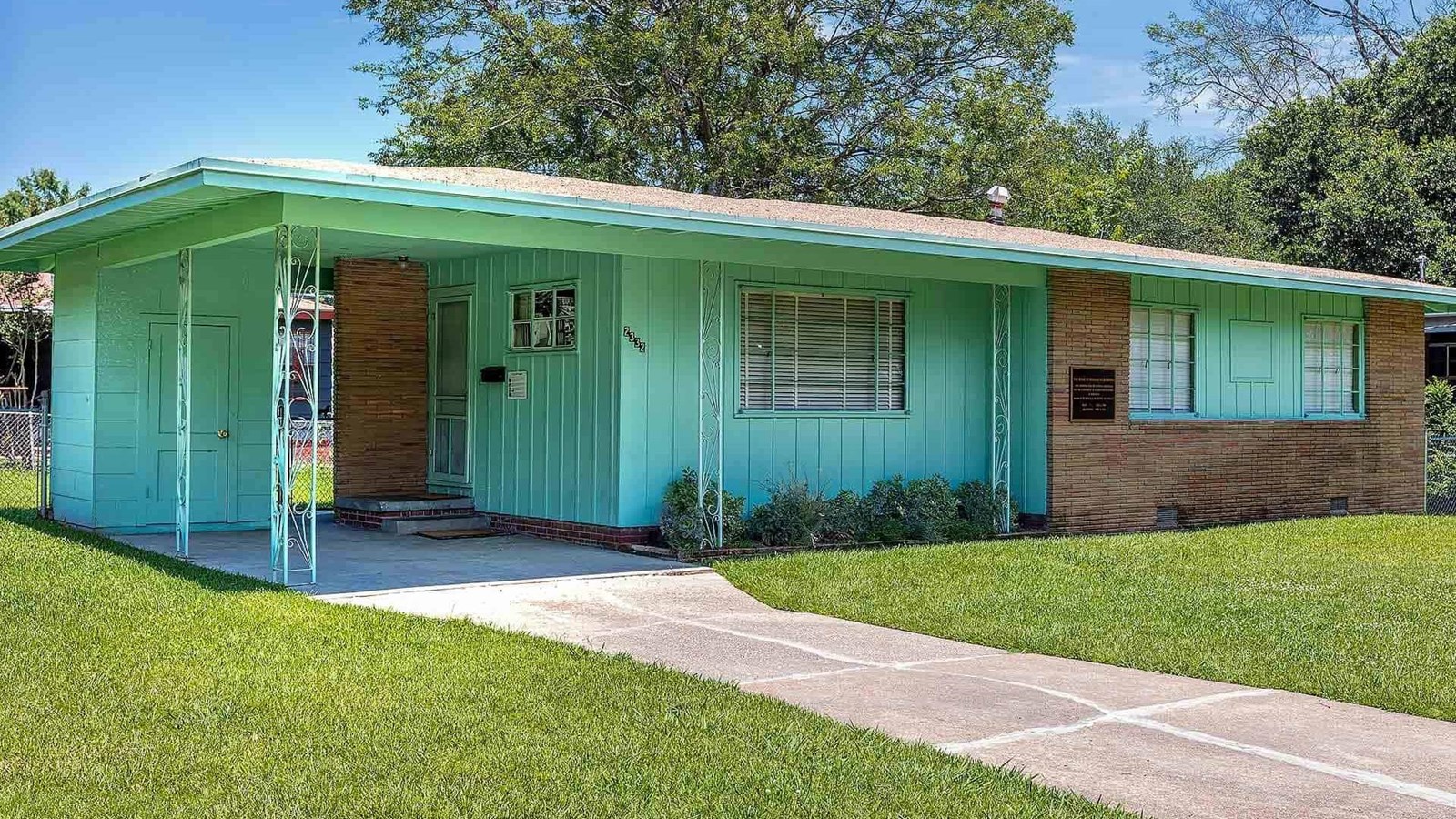
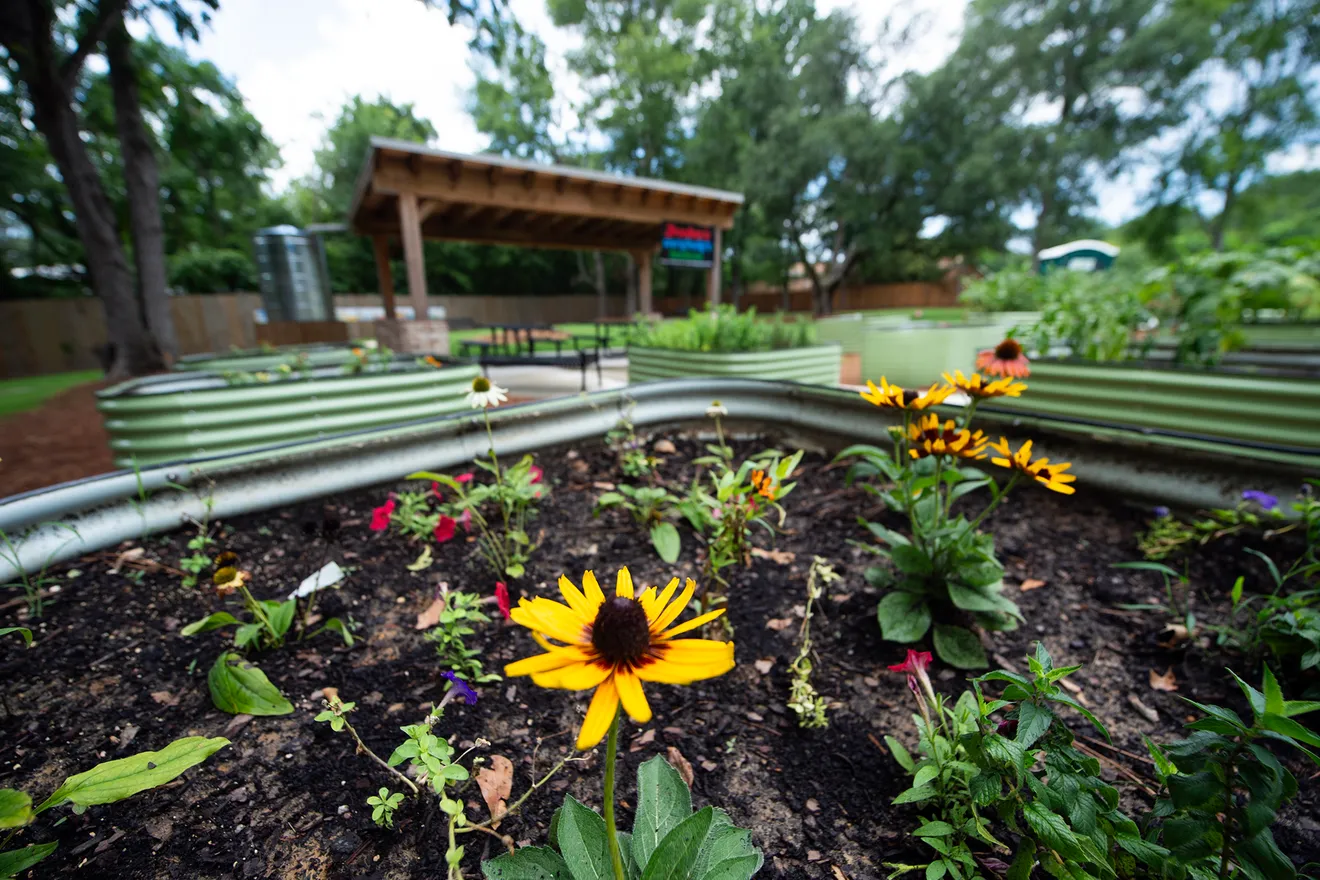
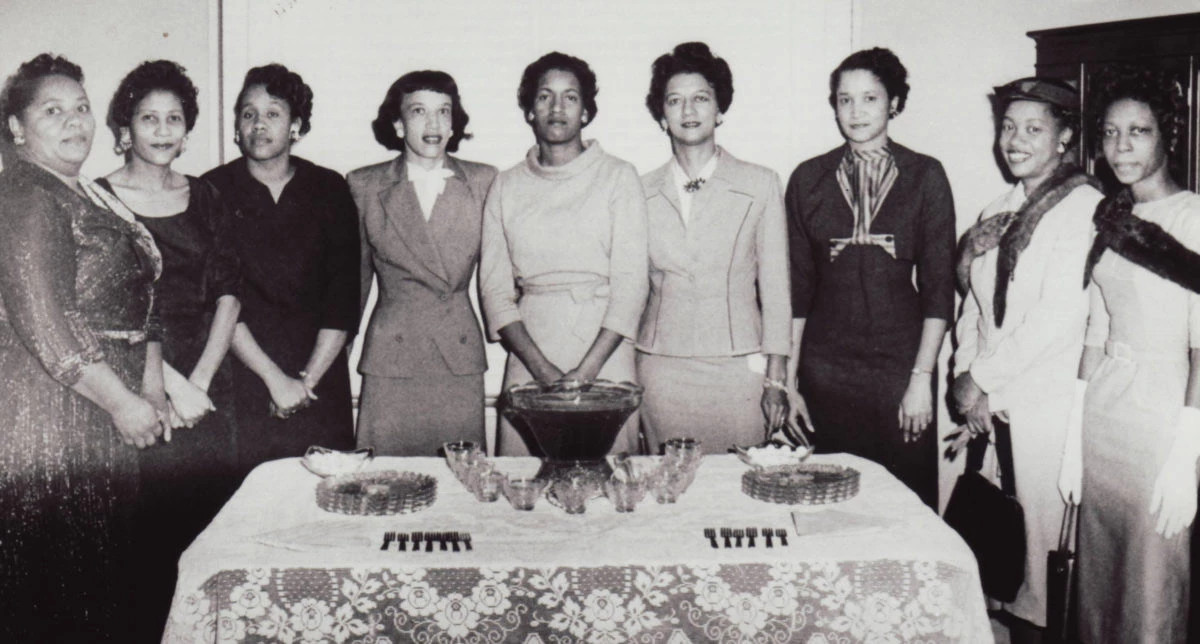
The Medgar & Myrlie Evers Home National Monument commemorates the activism of the Evers family by preserving the home they bought in 1956, along with the garden across the street where Myrlie Evers hosted her own gardening club. Black Americans were not allowed to join existing garden clubs, so Ms. Evers’ garden and its associated club became a crucial space for the Black community to connect with nature and one another. The family home was also essential to the Evers’ activist work. Ms. Evers frequently worked out of the family home to support the NAACP field office, drafting speeches and doing secretarial work for her husband and other activists. The Evers family also used their house to host civil rights activists and African Americans threatened by white supremacist violence, while enduring numerous threats and acts of violence themselves, including a 1963 firebombing. In order to help protect the family from potential attacks, the Evers had no front door to their home, put their children’s beds on the floor, and placed furniture in front of the windows to block potential gunshots. The preservation of the home as a monument highlights the sacrifices and risks that the Evers family and many other civil rights activists took on in support of equality, while emphasizing the continued importance of this cause.
Where Do Nature & Conservation Come In?
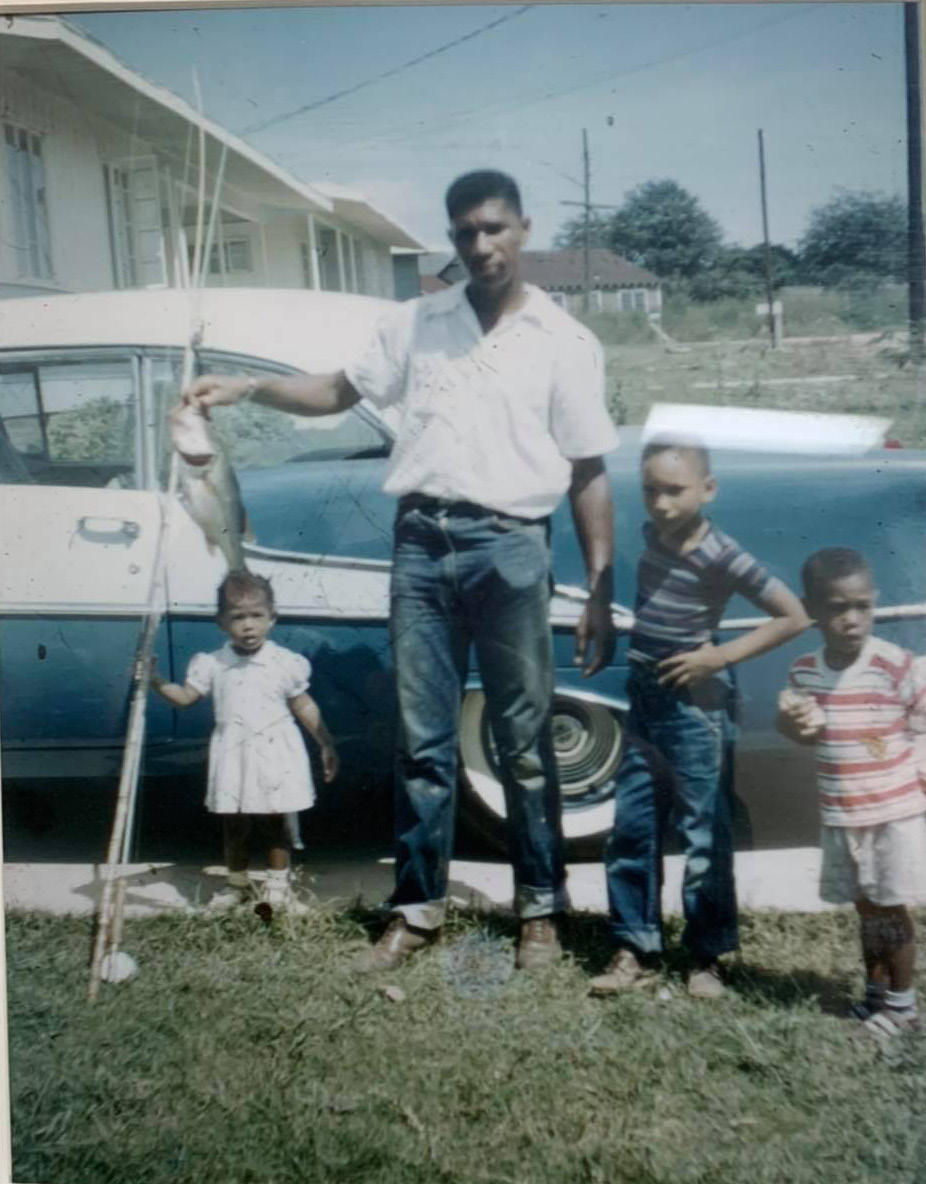
During the civil rights movement, many activists prioritized financial freedom from whites in order to more effectively continue their activism without the threat of economic retribution. The Evers family accomplished this through Myrlie Evers’ garden, where she grew food for her family and neighbors, and Medgar Evers’ hunting and fishing hobbies. In addition to the support these activities provided for their family, Ms. Evers could connect to nature through her garden because she grew up in a family of horticulturists, and Mr. Evers’ hunting and fishing served as a respite from the stress of his life as an activist. The Evers’ connection to nature serves as a reminder of how outdoor recreation and connecting with nature helps improve mental well-being and supports people through times of hardship and difficulty. By discussing the Evers family’s relationship with nature, I hope to inspire visitors to use their connection with nature in their own lives to practice mindfulness and resilience amidst times of stress.
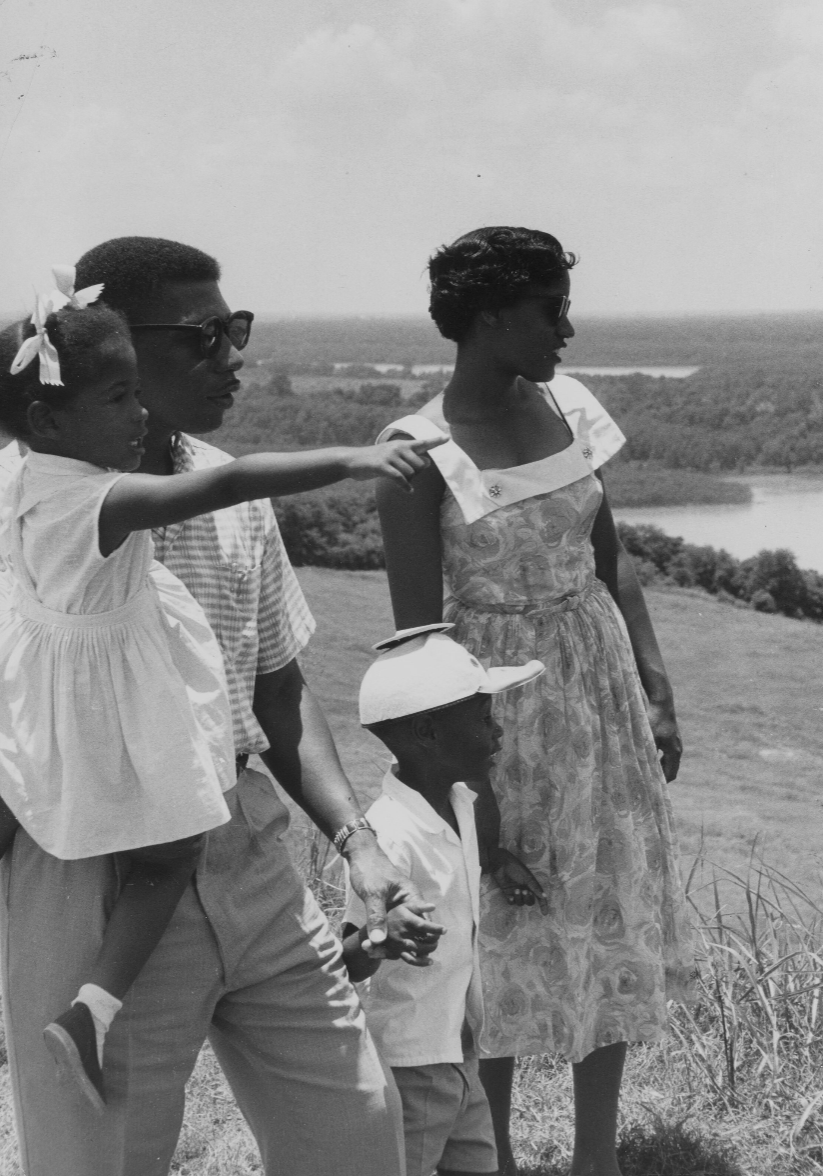
In addition, the Evers found solace and connection to nature by visiting public lands and local waterways with their children. In an increasingly urbanizing world, it’s crucial to find connection to nature in rural, suburban, and urban areas alike, just like how the Evers family found connection to nature in the suburbs around their own home. This is important because finding meaning in the nature around us helps us appreciate the natural beauty we experience in our everyday lives, instead of just connecting the idea of natural beauty to more distant or secluded places that may feel disconnected from daily life. Hunting, fishing, birding, and other forms of outdoor recreation also all serve to strengthen this connection between nature and communities. This is relevant to the Evers’ cause because communities connected to nature are also more connected with each other, and strong community networks were essential for the Evers family, who both supported and received support from their friends and neighbors throughout their time with the NAACP in Jackson.
Why Birding?
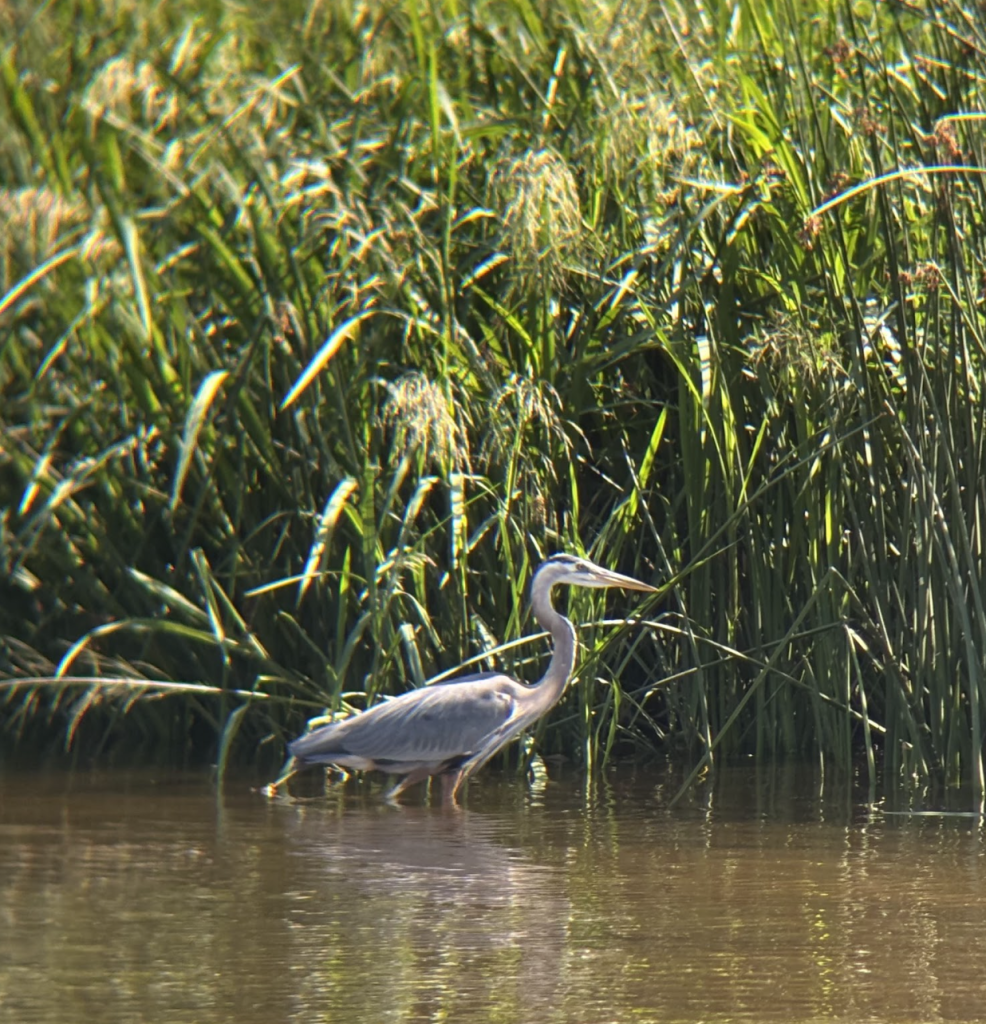
Birding in particular serves as a great and accessible way for individuals to connect with the nature around them because it can be done in so many different ways that can be incorporated into daily life. Many times, when someone thinks of birding, they might imagine a person taking expensive equipment to a remote natural area and navigating challenging terrain for hours to find the rarest species possible. However, birding is an extremely varied activity that everyone can do in whichever way works best for them. Birding can also look like watching birds from a porch or window, listening to birds while walking or sitting in a park, or even viewing a livestream of birds in another area. Some birders like to use binoculars and learn identification, but others don’t. Appreciating the nature around us without analyzing or identifying it is an equally valuable aspect of birding. Expanding the perception of birding is an essential way to make sure everyone knows they are welcome in the birding community, no matter their background, while also making it easier for people to incorporate birding into their existing lifestyles.
Birding also encourages mindfulness due to the focus it requires— concentrating on the sound, shape, and movement of a bird helps create an undistracted connection with the natural world that requires full presence in the moment. By using birding to improve mental health and individual connections with nature, we can help foster meaningful growth for communities.
Final Reflections
My time working with the Medgar and Myrlie Evers Home National Monument has allowed me to deeply reflect on how activism, equality, community, nature, and conservation are all so closely intertwined. I hope to highlight the connections between these things while I create accessible birding programs by focusing on building community among the people I work with and by prioritizing the needs of underprivileged groups. Birding brings me so much joy, and I’m thrilled to continue sharing it with others!
Sources:
- National Park Service. “Medgar Evers – Medgar and Myrlie Evers Home National Monument.” United States National Park Service, 19 Nov. 2022, https://www.nps.gov/memy/learn/historyculture/medgar-evers.htm.
- National Park Service. “Myrlie’s Garden – Medgar and Myrlie Evers Home National Monument.” United States National Park Service, https://www.nps.gov/places/myrlie-s-garden.htm.
- National Park Service. “Evers House- Medgar and Myrlie Evers Home National Monument.” United States National Park Service, 13 June 2022, https://www.nps.gov/memy/learn/historyculture/evers-house.htm
Zack Benz
Posted at 12:44h, 09 JuneThis is so in-depth and well-written! I’ve heard a lot about Medgar Evers, but most discussion nowadays revolves around his death and typically does not mention his wife at all. This is such a cool site to be working at!