


18 Jul Timberdoodles and Teaching: Final Blog Post
Welcome to my blog!
Hello and welcome to my final blog post of my internship. While I’m sad to say that this will be the last, I am incredibly grateful for the opportunities that have been presented to me and all the wonderful work I’ve gotten to do in my time here at Cuyahoga Valley National Park. In a world so hostile to people with disabilities, focusing on helping those around me and creating positive memories in nature is the single most impactful thing I can do with my time. Not only have I gotten so much experience with environmental education that I did not have going into this internship, but I have met many amazing people and learned so much about how the outdoors can be made accessible to all. I hope my work here can contribute to increased partnership between local disability organizations and the NPS, and that more people are able to enjoy the outdoors and enjoy birding. After all, birding is for every body!
Internship highlights
Boston Store program(s)
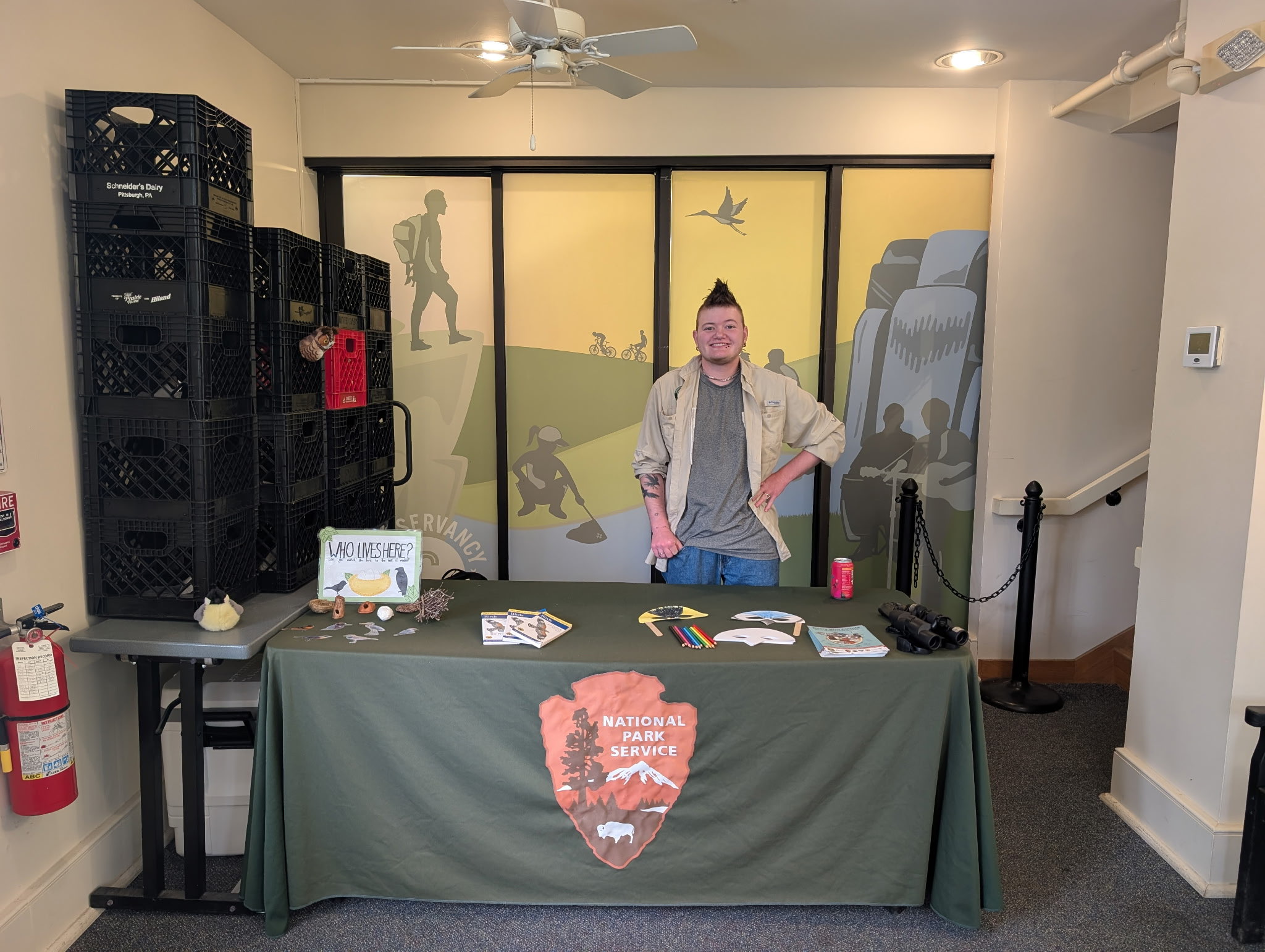
Amanda and I have done two programs out at the Boston Store! They are a combination of tabling activities and short guided bird walks. For the activities, we have a board of fun facts about common birds! You can lift the flaps, and each photo has a few fun facts about that particular bird species underneath it. There are also QR codes that link to the bird’s sounds, to help increase accessibility and engage visitor’s senses in multiple ways. We also have a nest matching game that Amanda made, which is a really great tactile learning experience. There are miniature models of each nest that she created from air-dry clay. The nest game has especially been a big hit with visitors.
We had to do the second program indoors due to air quality concerns. However, we did get to see a hummingbird fly right up to the window! Unfortunately we couldn’t get a photo in time, so Amanda helped re-enact it.
train day
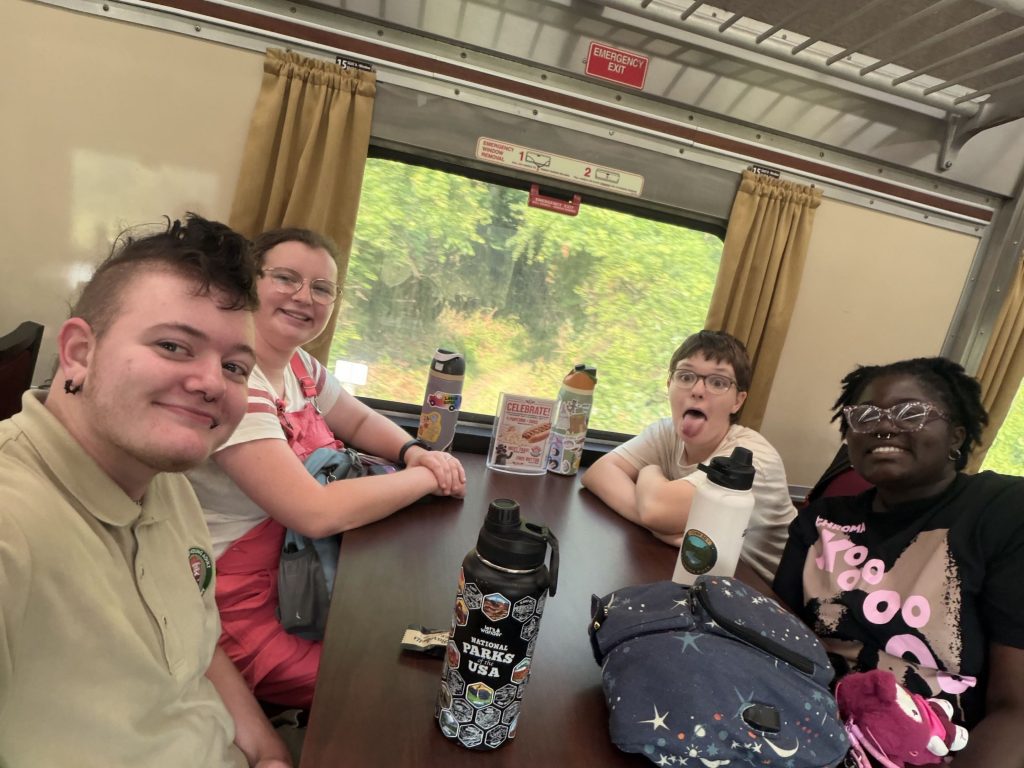
On the 15th, all of the seasonal employees got to go on a train ride on the Cuyahoga Valley Historic Railroad. We all got to do activities like crafts, bingo, and we also had good conversations over how our internships are going and any recommendations on what to change for next year’s interns. It was nice to finally be the person on the train for once, instead of just hearing it outside my house all the time. This railroad has been in operation since 1880, and the park took over operations in 1989. Since then, it has served as a major attraction for park visitors and provides a more accessible way for visitors to explore the park, engage in educational programs, and learn about the history of Cuyahoga Valley.
Gigi's playhouse
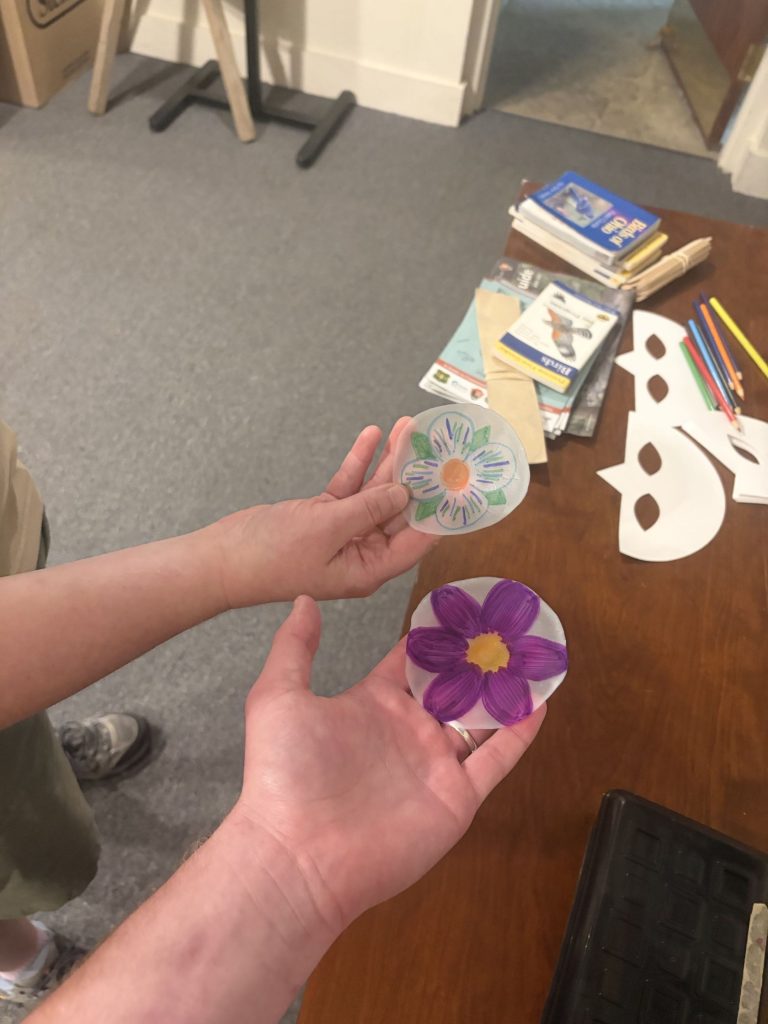
We have several programs planned with GiGi’s playhouse, but the one this week was almost canceled due to extremely poor air quality thanks to the weather. However, a handful of people still showed up, so we did a smaller version of the program with just the craft activities indoors. We made window clings and talked about preventing bird strikes. It was really enjoyable and everyone who showed up was so nice and pleasant to interact with.
Snapshots
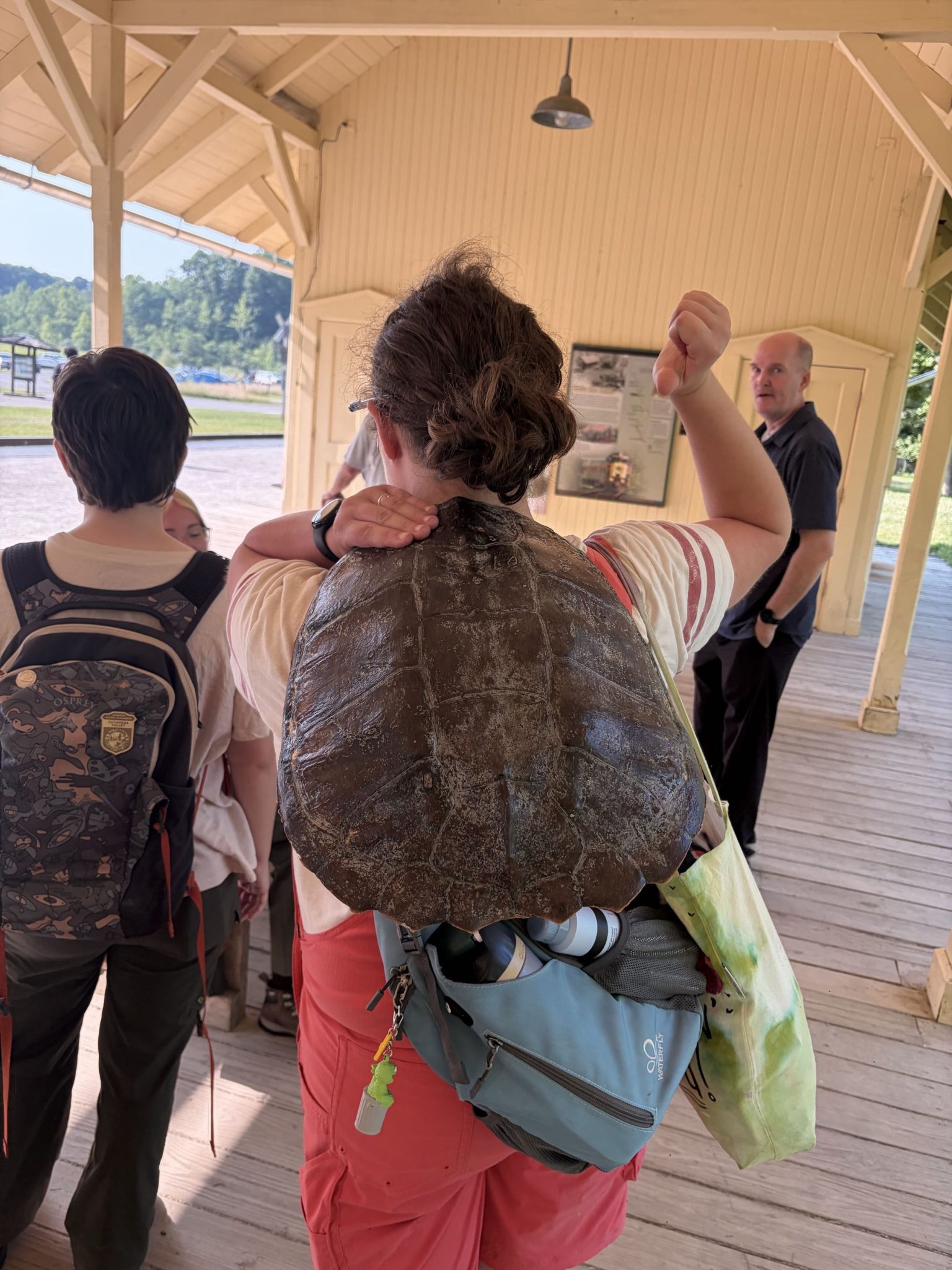
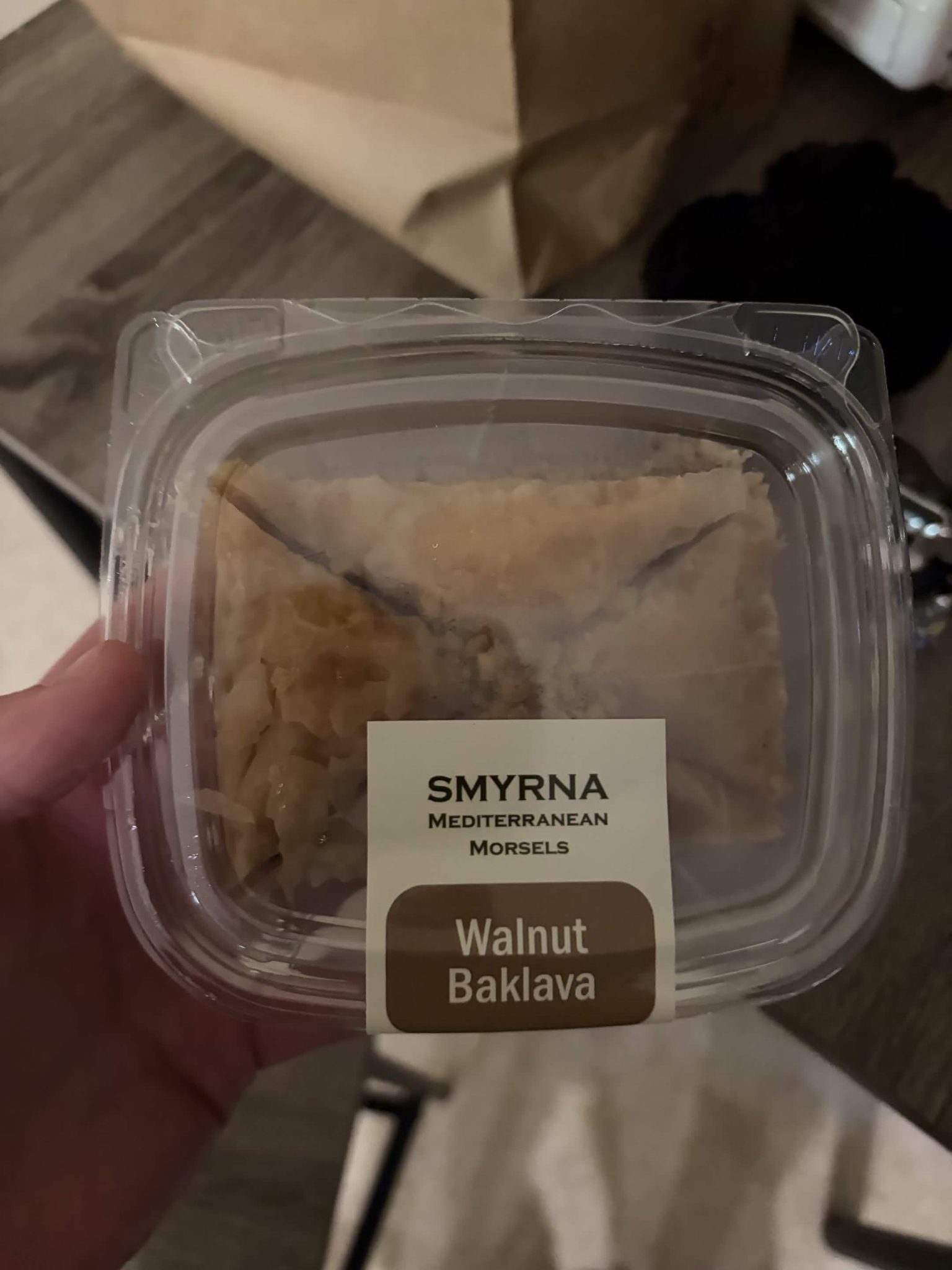
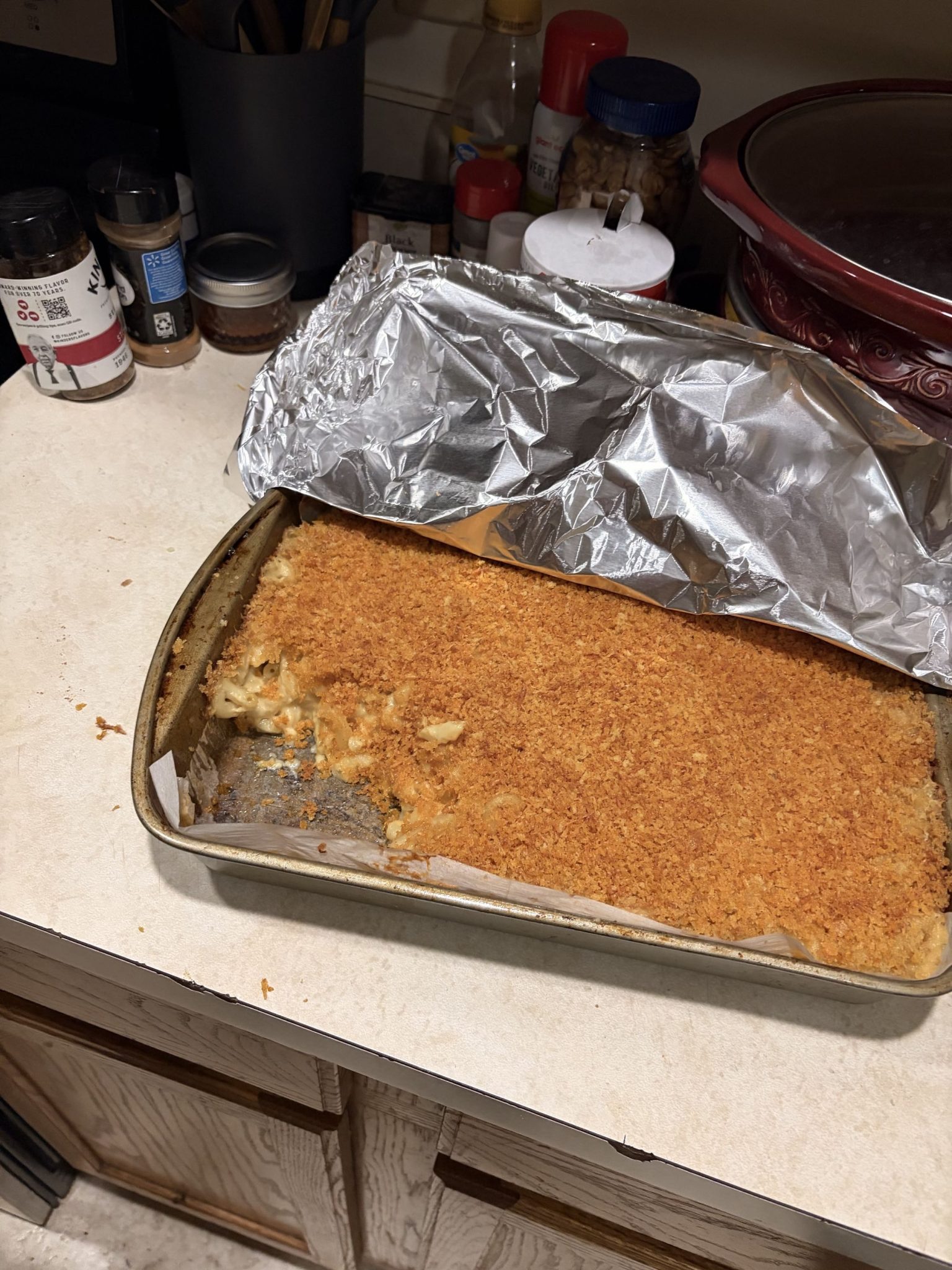
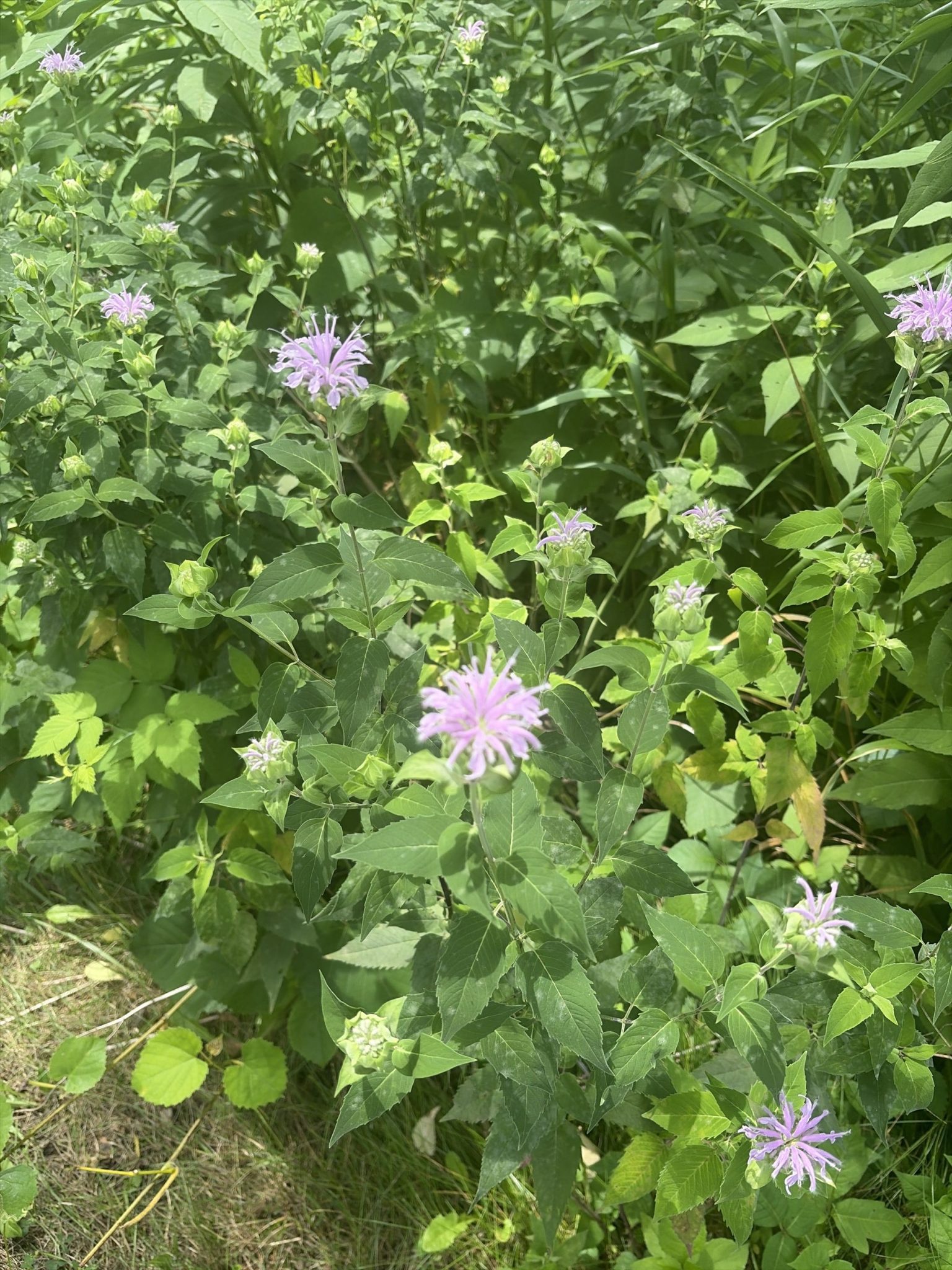
Feature: Nature's Funkiest Fella- the american woodcock

While crows may be my all-time favorite, that doesn’t mean I don’t have other birds I appreciate. One of those birds is the American Woodcock (also known as the timberdoodle, hokumpoke, trainanator, bogsucker, and many other equally goofy names). This rotund creature is technically classified as a shorebird, but they typically live in forested areas in the eastern half of North America. Their diet consists mainly of invertebrates, particularly earthworms, and their long beak is a useful adaptation for catching this type of prey as they use it to probe into soft soil in search of food. The American Woodcock is crepuscular, meaning it is most active at dawn and dusk, and can be somewhat difficult to spot due to their excellent camouflage.
Especially Awesome Things About the American Woodcock
Sky dance
The American Woodcock has a very special mating ritual known as the “sky dance” or “air dance.” In the spring, males will occupy singing grounds, performing their mating dance at dawn or dusk. After he makes a series of ground calls, the male woodcock will take flight 50-100 yards into the air, and descends, zigzagging through the air while singing a chirping song. This spiral descent produces a twittering sound as air rushes through the male’s outer primary feathers. Once a female has arrived, the male will approach her by walking stiff-legged with his wings stretched vertically and bobbing and bowing. (Warning: this method does NOT WORK on human women.)
Their walk
One of the great mysteries of the American Woodcock is their goofy rocking walk. Scientists have been theorizing for ages as to why these birds walk like they’re hitting the dance floor, but no conclusive evidence has been found. There are two main theories as to why they do this. The first and oldest theory is that this walk is some form of worm charming. Basically, scientists theorize that the vibrations from their body movements attract worms to the surface, thus making it easier for the woodcock to hunt. However, they have been observed to be performing this walk even when traversing surfaces such as pavement that are not suitable for hunting, which brings this theory into question. The second theory scientists have come up with is that this funky walk is that it may be a way for them to signal to predators that the bird is aware of them. Some field observations show that woodcocks will sometimes flash their tail feathers while walking, drawing attention to themselves. This is possibly some kind of aposematism (when an animal advertises that it is not worth eating to potential predators.)
Their sound
Sometimes described as a “peent” or (the more correct option in my opinion) “meep,” the sound of the American Woodcock may not be the most melodic, but it has a special place in my heart.
Speed (or lack thereof):
The lowest recorded flight speed of any bird belongs to the American Woodcock, clocking in at just 5 miles per hour. While they are capable of flying faster, their flight speeds are still rather low, with their maximum speed landing somewhere between 16 to 28 miles per hour.

I have learned you are never too small to make a difference.
Greta Thunberg
Sorry, the comment form is closed at this time.