


06 Aug Boats and Foes- Cleaning Up the River and Community Rivalry
Buffalo national river clean up
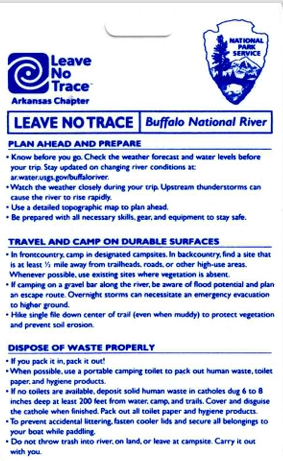
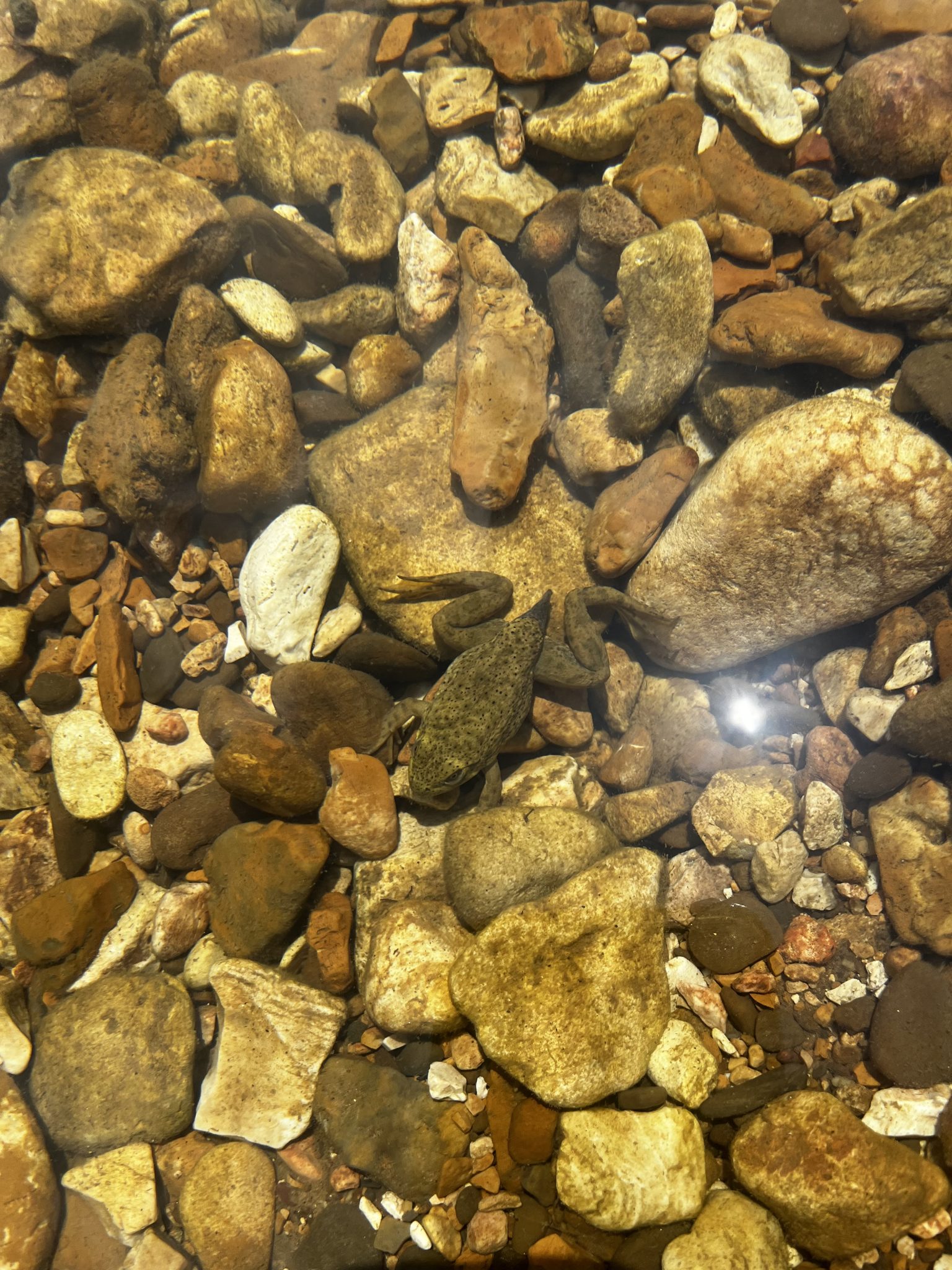
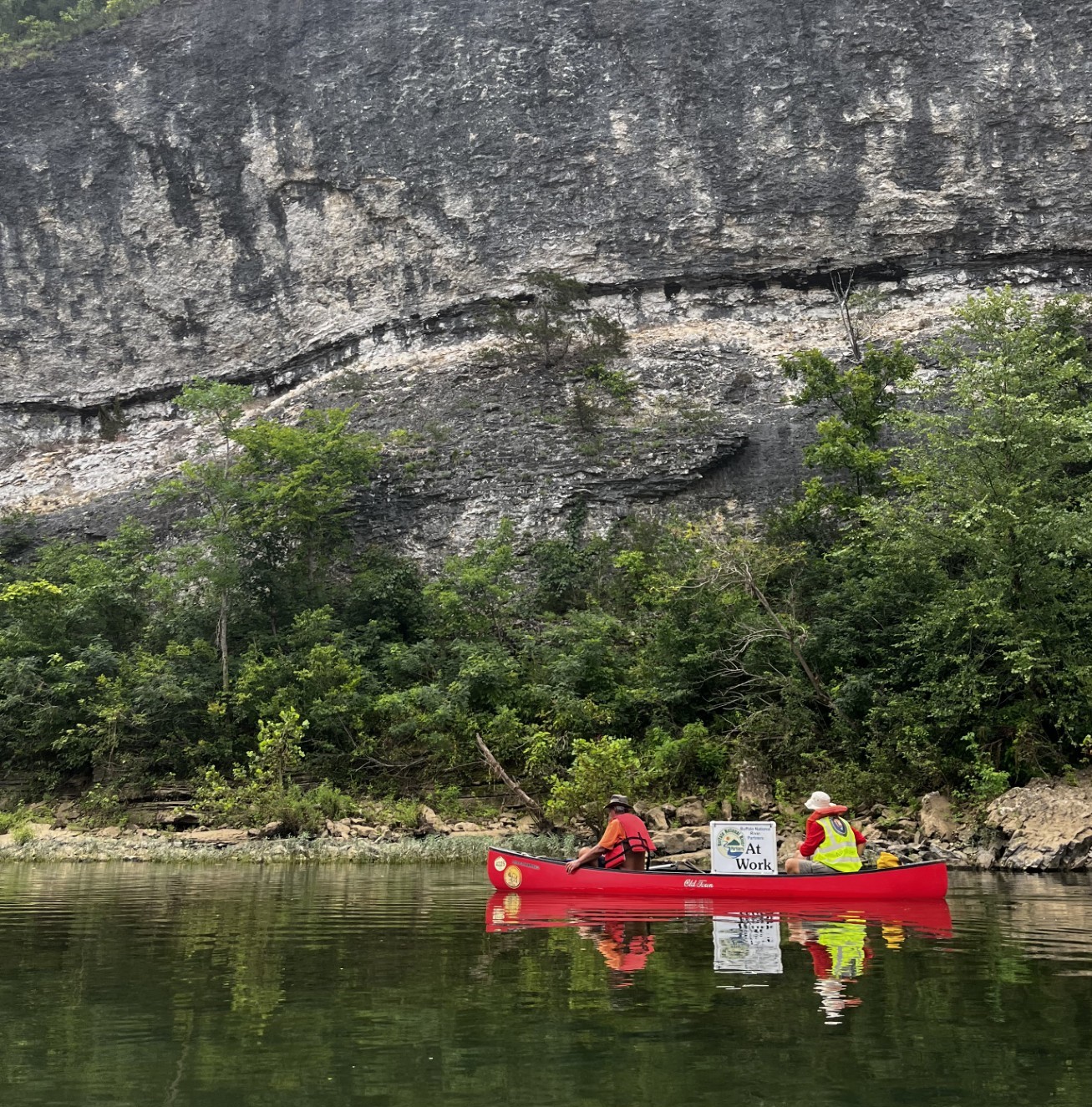
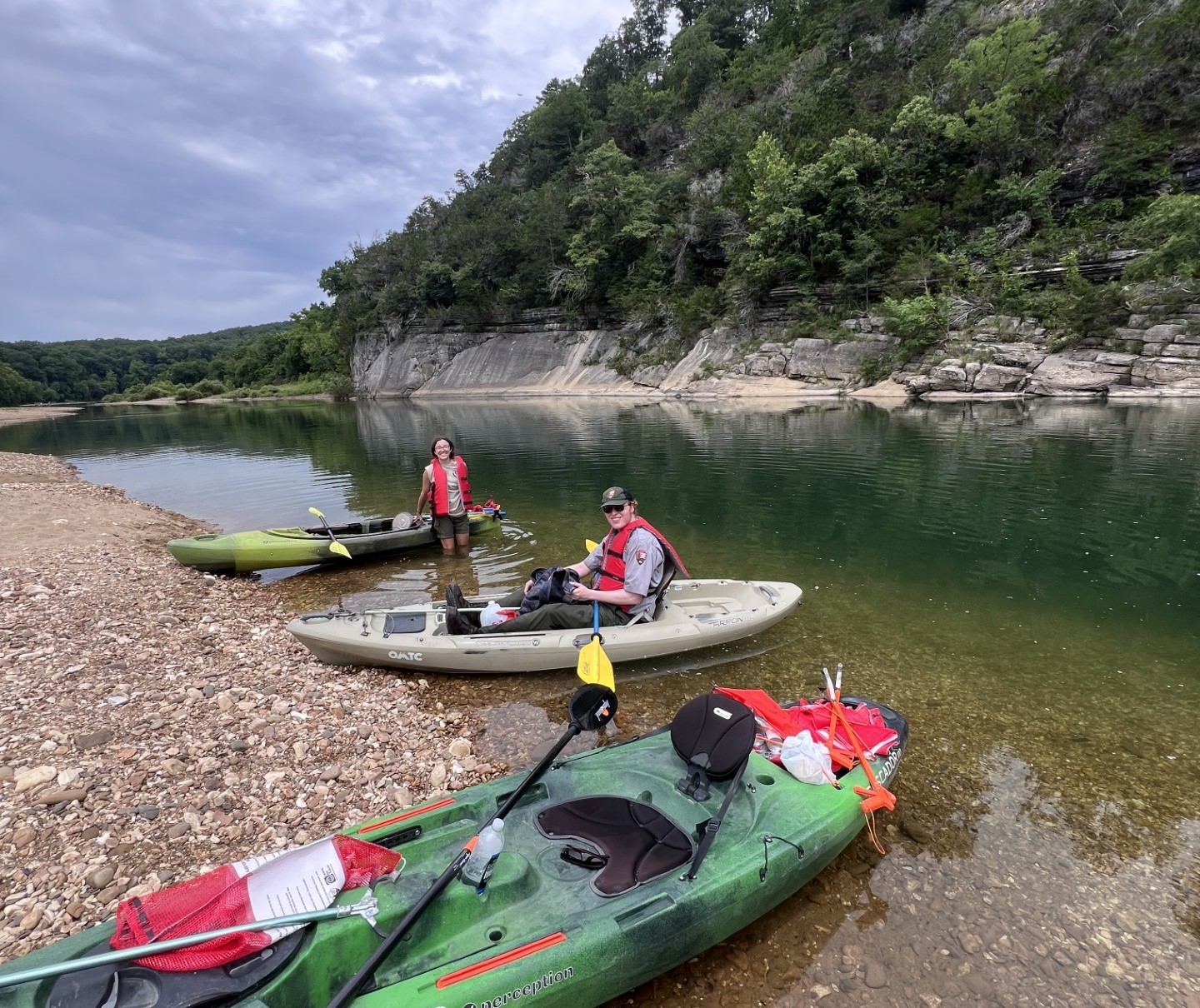
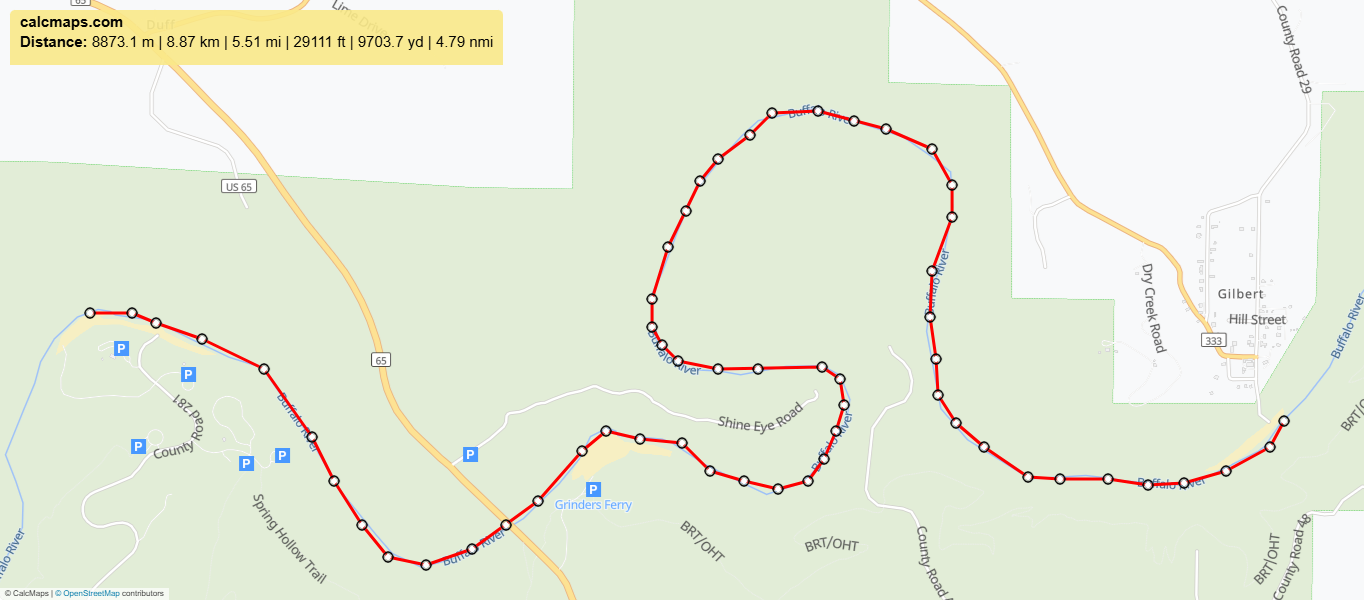
I got to experience my first float of the Buffalo during a volunteer trash clean up. It was so beautiful to just see the parts that not many people get to. There was a giant beaver, some snakes, and the entire river is so clear you can see the bottom- so I got to see plenty of fish and gars swimming by us as we floated on. I think this trip was 90% float and 10% picking up trash because we were at the back, and everyone had mostly gotten everything, plus the Buffalo is already very clean. We did find 3 tires do that is pretty cool to get those out of the water. I think it is so important to open these clean-ups to the community because they not only get a free float in exchange for picking up trash, but it also makes an impact on them and makes them more weary of littering or being around people who are littering. Leave No trace has been a part of every single event and program that I have done- always offering cards or talking about picking up fishing line or handing out extra trash bags because it never hurts to remind people.
World Migratory Bird Day
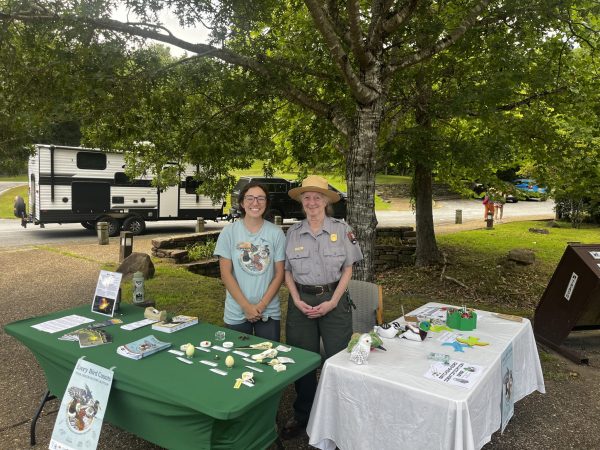
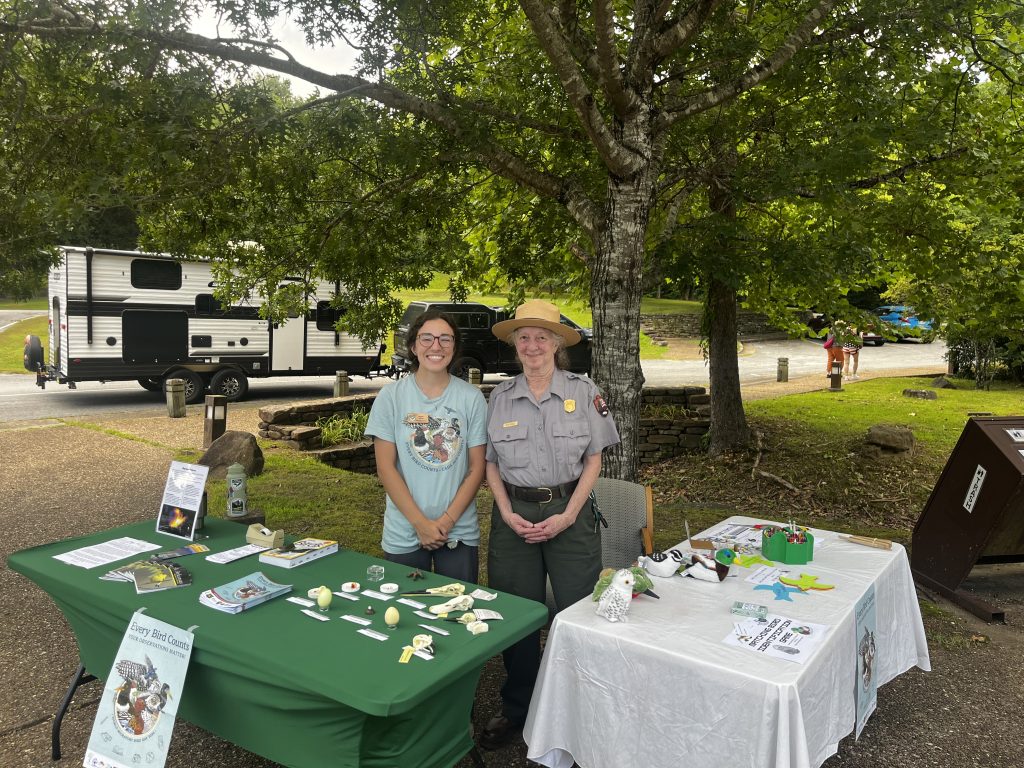
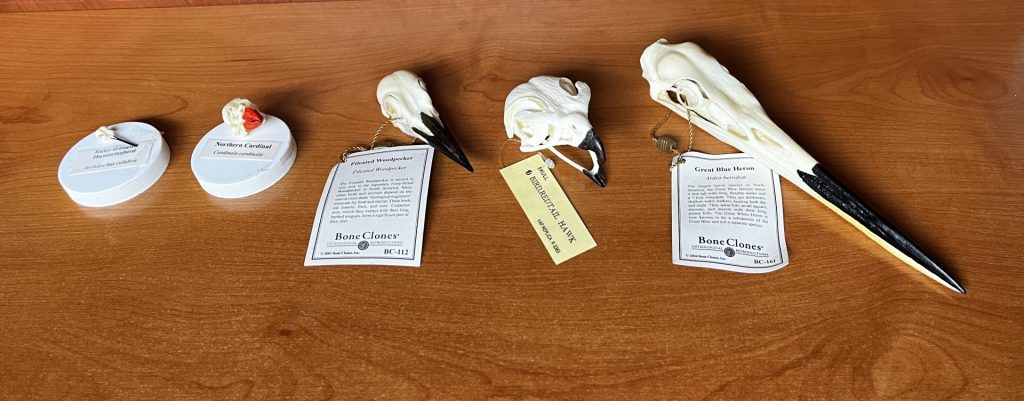
On July 4th, I hosted the first ever World Migratory Bird Day at Tyler Bend Visitor Center. I reached out to about 7 other organizations, but it just didn’t work out with it being the 4th and/or being too far away from us, which is completely understandable, so I hosted it by myself with cornering into two tables! It worked out great, I snagged people as they were entering into the visitor center and showed the resin skulls of various birds like a great blue heron, cardinal, hummingbird, and red-tailed hawk! I also did the mask coloring, plush animal bird identification, and ways that you can help migrating birds and their nocturnal patterns. I also put up information about how fireworks can be very harmful for birds, especially when they are trying to roost at night, which is the only thing I thought about all of Fourth of July. I had 26 people stop by to talk about how they have feeders up, what their favorite birds are, how to break up big glass windows, keeping cats inside, and common birds of the Buffalo. It is so important for me to be here to talk about bird/birding because most people are focused on the river and not about the birds that live off of the river.
Lower Buffalo Point Fishing Clinic
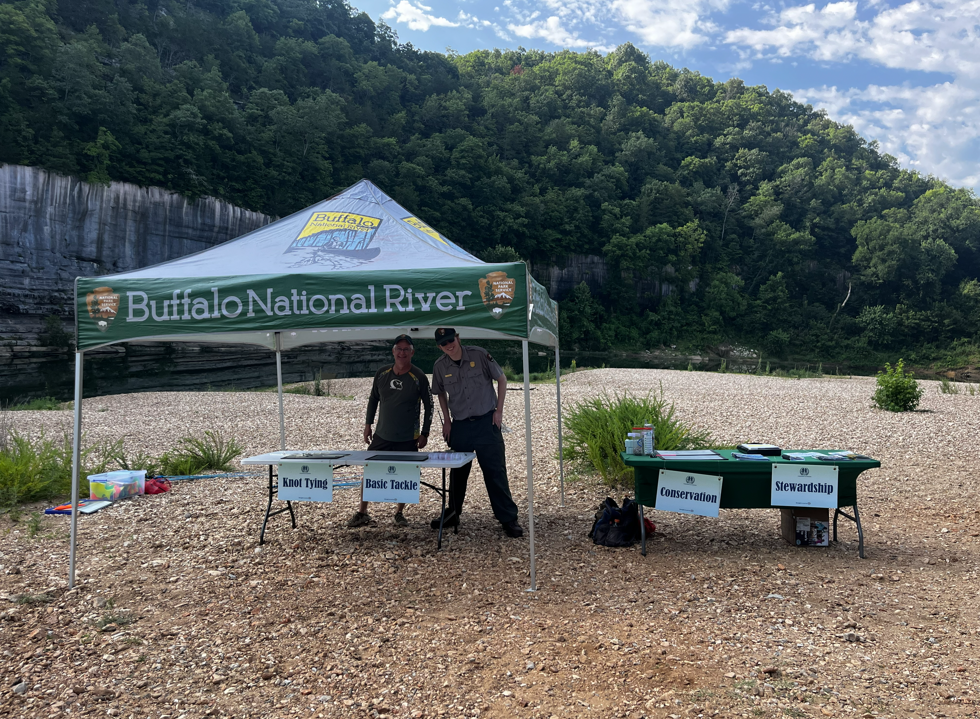
Ranger Joe, Louie and I sweated out all of our life problems at the fishing clinic I hosted on Saturday. We had about 30 people stop by, mostly asking about regulations and local fishing holes, but my favorite was a little girl who came up who never learned how to fish. She was a little six year old who came up to use carrying a little red string that she did not let go the entire time we taught her how to fish. It is so fun watching the little minds try and grasp how to push the button and then let go when they throw the line- she about took my eye out a few times.
Battle For The Buffalo
Some history that has been swept away with the wind
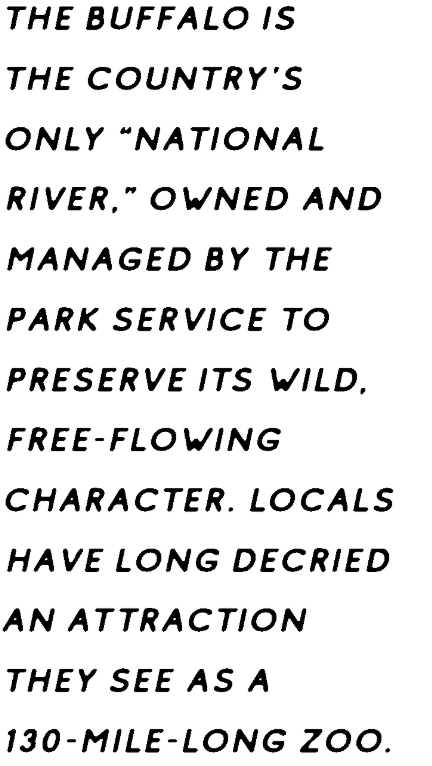
Since I have been here, there has always been a known quiet dispute between the Buffalo National River and the locals that makes our community outreach that much more important. As I am not a local, I will quote the story from The Bitter Southern, by Boyce Upholt. “When the National Park Service seized land alongside a river here, several hundred people were evicted, some ushered out by armed federal marshals. This was the culmination of what has become known as the Battle for the Buffalo River. Locals have long decried an attraction they see as a 130-mile-long zoo. On March 1, 1972 — the hundredth anniversary of the day Yellowstone was declared the nation’s first official national park — President Richard Nixon signed the law that formed the country’s first national river. That designation narrowed the scale of the land involved; this would be a thin ribbon of a park, 95,000 acres strung across 135 miles of river. Still, the Buffalo River presented complex questions for the Park Service. “This wasn’t a big, gigantic, mountainous Western national park,” notes Brooks Blevins, one of the foremost historians of the Ozarks. Most of those parks had been built on land that had never been removed from the federal domain; the Buffalo had turned to private property and now had to be bought back. Locals sued, calling the use of eminent domain unconstitutional, which slowed down the process — but failed to stop the park. Many landowners felt swallowed by empire. Agents arrived to acquire their property — “backslappers” and “wheeler-dealers,” as one contemporary local calls them, given their manipulative practices. “It’s just so doggone big you can’t see the head of it,” another local told an oral historian, dispatched a few years later by the Park Service to document the quickly disappearing human communities — whose stories, if not their presence, seemed to be of value. “It’s a whole herd of ’em, a whole herd of congressmen and things like that appropriated the money for this.” Soon, the human population of the Buffalo River Valley dropped to just 40, Blevin says. Eventually, the park earned a grudging local acceptance. After all, even residents liked to float the channel; backcountry horseback riding through the wilderness grew popular, too. As one old-timer told the Northwest Arkansas Democrat-Gazette in 2012, “They took our land away, but it’s still there, and it’s not covered up by water.” That year, though, the old troubles resurfaced: The state issued a permit to a local landowner who wanted to open a sprawling hog farm on a tributary near the Buffalo River. Watkins, worried that the waste would taint the river, formed a group called the Buffalo River Watershed Alliance. That launched a new battle: What mattered more, private property rights or the health of the river? Eventually, Gov. Asa Hutchinson, a Republican, intervened to buy the land; he convened a new committee of officials to oversee the watershed. ” As the years have passed, there is now less tension and it is falling back into normalcy, as it has been over 50 years since the park was established, but people don’t just forget these types of things, so it most likely that will be some time before there is complete peace.
Long story short: locals in the Buffalo National River region have had a long-expressed skepticism or outright opposition to the park’s existence and any proposed changes, rooted in historical displacement, cultural loss, and fears over land rights and economic fairness.
Ending on a positive note..
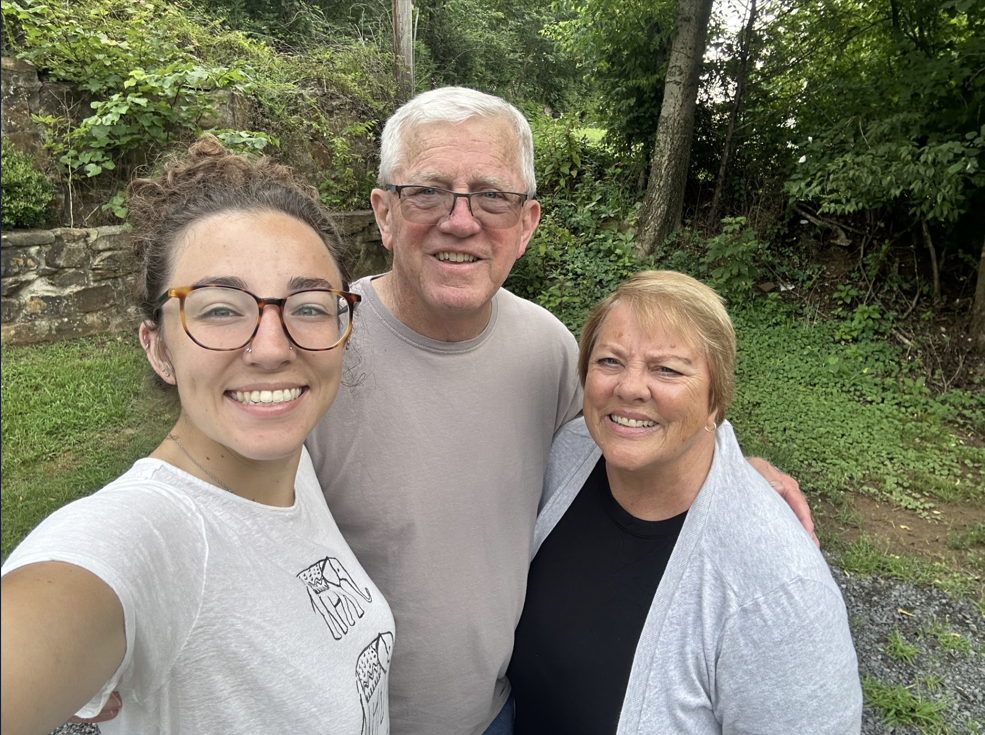
My Nannie and Papal stopped by for a visit this weekend which was awesome because I have not seen them in about 4 months. I was able to show them where I work, what I do, the beautiful river, take them on a small hike and just enjoy the slow life here.
Sorry, the comment form is closed at this time.