


24 Aug Fish and Wildlife Communications Intern Update
Learning conservation by telling its story
Nearly three months into my placement as a conservation communications intern with the U.S. Fish and Wildlife Service, I’ve had the privilege of working alongside people dedicated to ecological restoration and the recovery of some of our nation’s most vulnerable fish, wildlife and plants.
My internship is with the Service’s Ecological Services program in the Midwest, where I’ve been learning how field offices across the region organize resources, build partnerships and apply science to conserve and restore habitat and recover threatened and endangered species. Just as important, I’ve been learning how to communicate that work to the public.
As a conservation communicator, much of my job involves taking complex science and translating it into stories that help people understand not only what the Service and its partners are doing, but why it matters.
I’ve learned that one of the best ways to tell those stories is to get out into the field and see the work for myself.
Late night discoveries
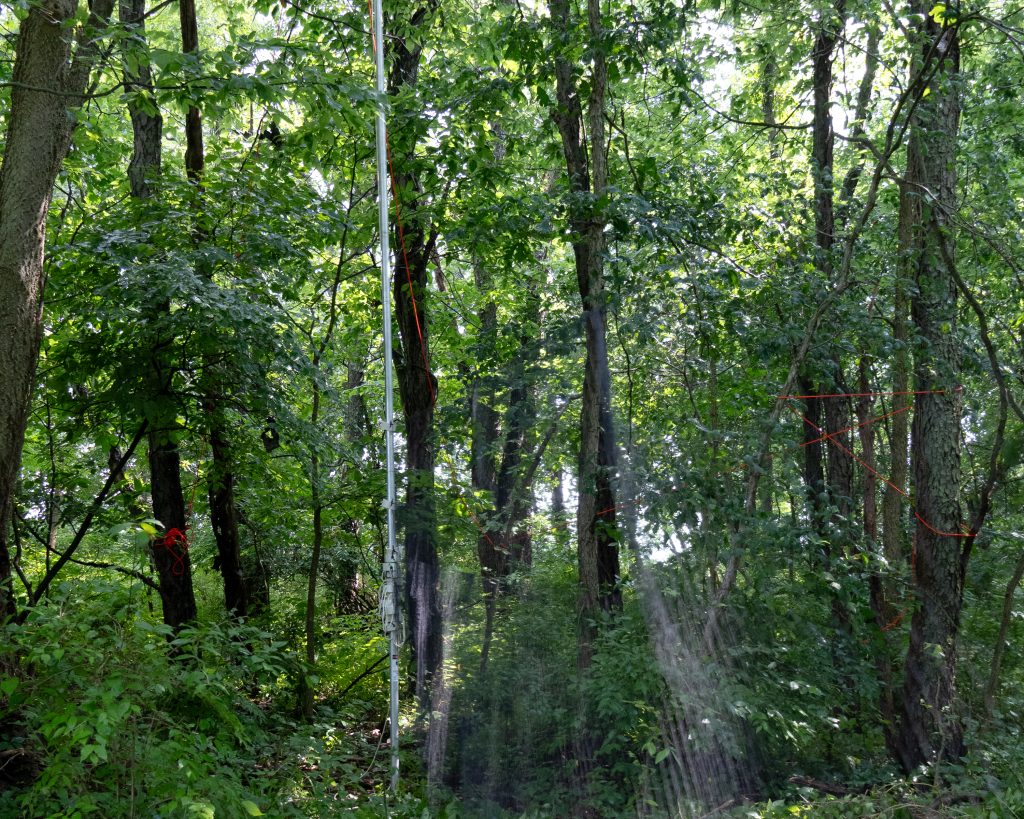
One of the highlights of my internship so far has been joining biologists for bat mist-netting surveys.
Bat surveys are a late-night and delicate process, often stretching into the early morning hours while everyone fights off hordes of mosquitoes. Before sunset, we set up tall mist nets along corridors where bats are likely to travel through forested habitat. Once darkness falls, we regularly check the nets and, when a bat is captured, trained biologists carefully remove it and collect information used to identify and study the species.
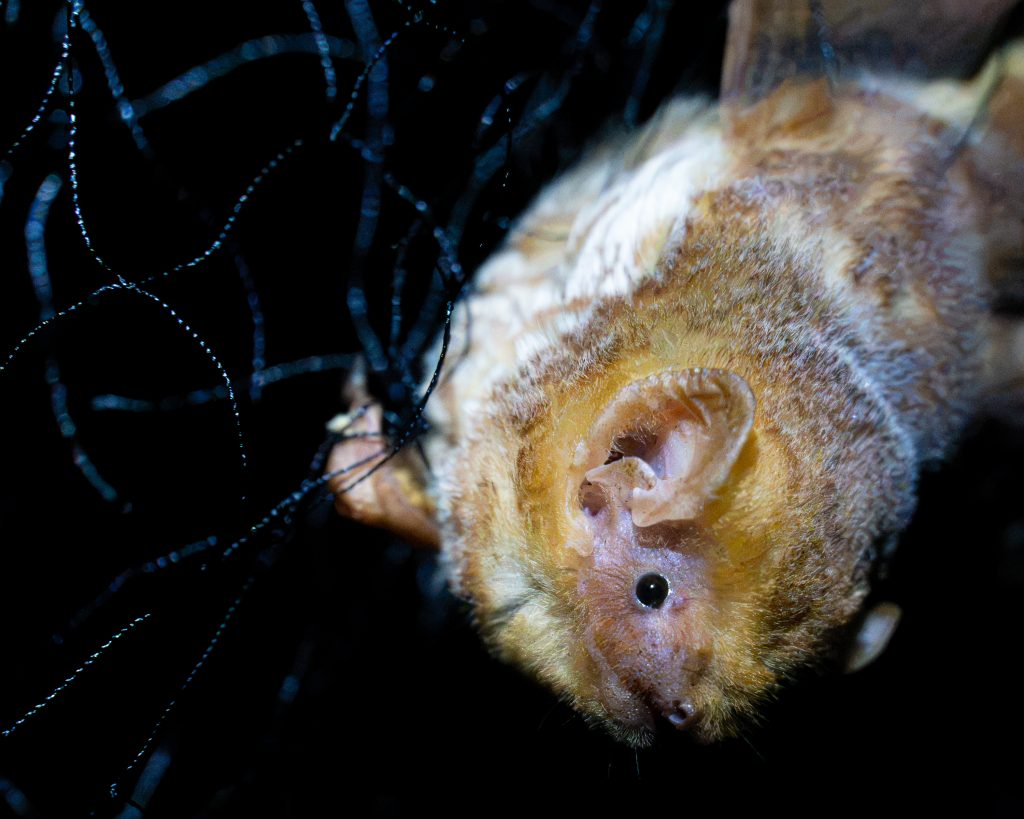
The payoff, for me, comes when you walk up to a net in the darkness and discover that you’ve caught a bat.
During the surveys I’ve attended, biologists have captured eastern red bats, big brown bats, little brown bats, and the federally endangered Indiana bat. I’ve helped set up and take down nets and conduct net checks, while trained biologists handle and process them.
Some of these surveys have also given me the opportunity to spend time in the field with Tribal partners in the region, adding another dimension of what I’ve learned about the partnerships that make conservation possible.
Finding recovery beneath the surface
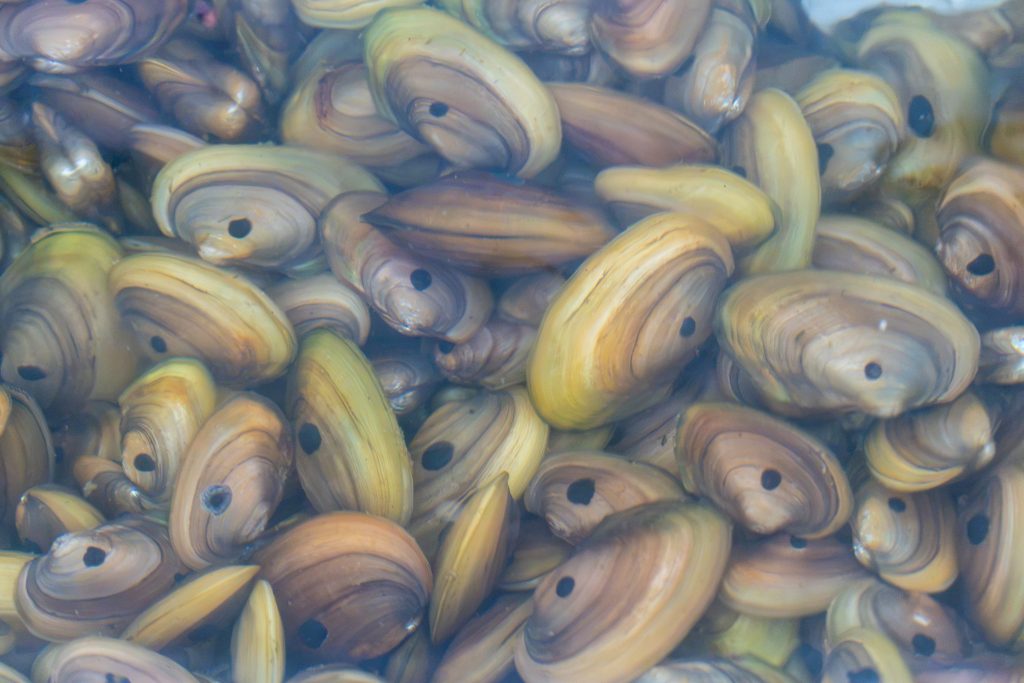
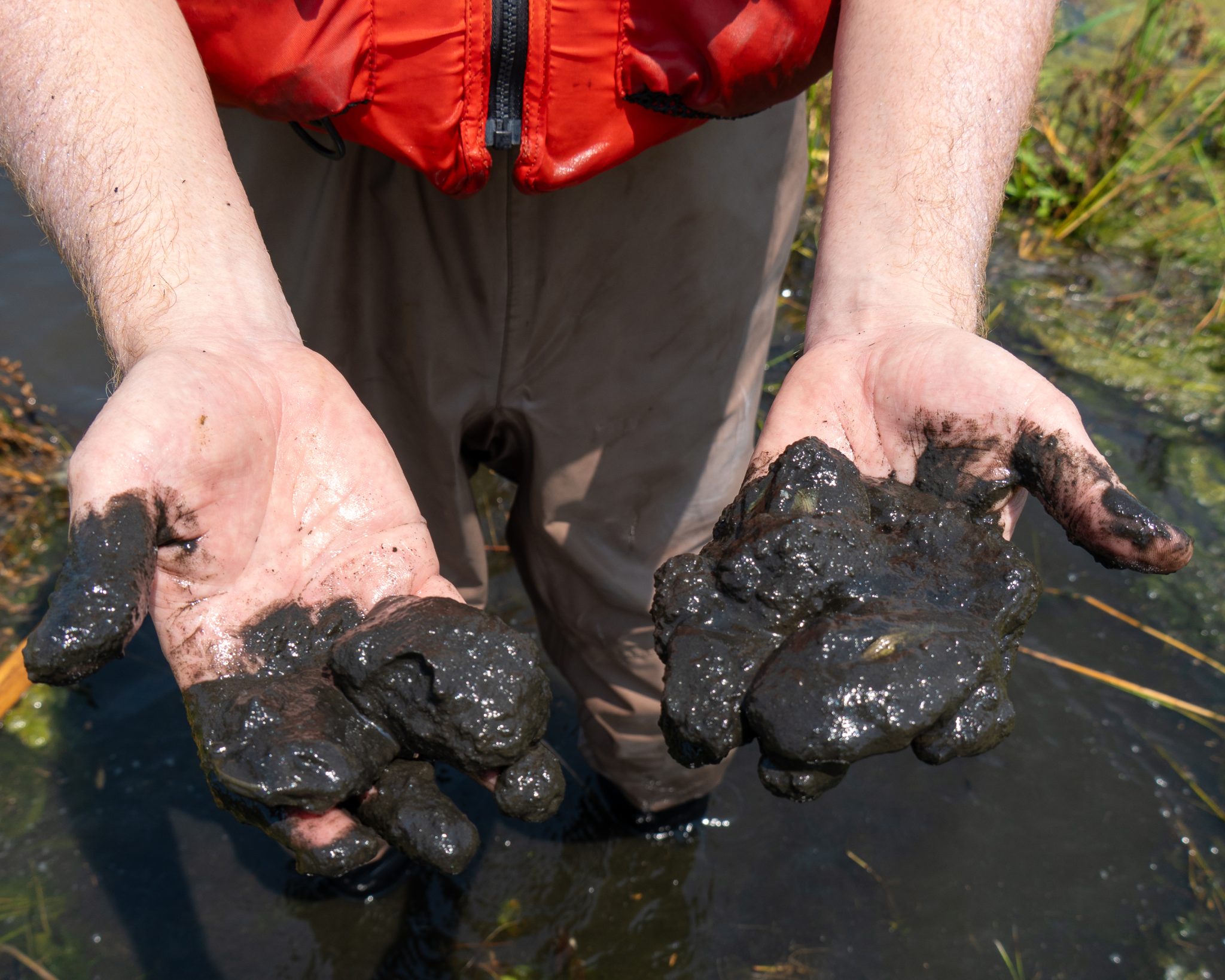
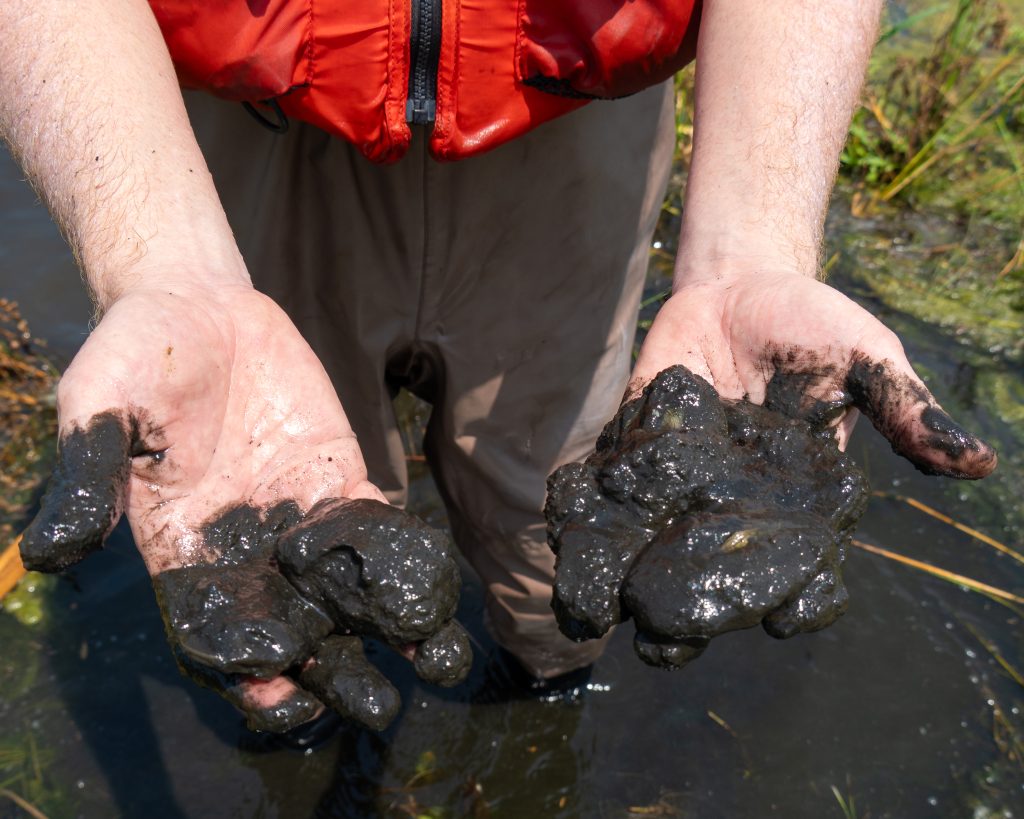
I’ve also had the opportunity to cover freshwater mussel surveys in rivers with a long history of pollution.
Before this internship, I knew relatively little about just how important mussels are to freshwater ecosystems. Seeing the work firsthand has given me a new appreciation for these often-overlooked animals and the role they play in healthy rivers.
Mussels spend much of their lives partially buried in the riverbed, filtering water as they feed. healthy mussel communities contribute to nutrient cycling and other ecological processes within river systems, while their presence and biodiversity can also provide information about environmental conditions.
building connections beyond the field
I recently had the opportunity to visit the Service’s Midwest Regional Office in Minneapolis, Minnesota, where I met with regional staff including public affairs specialists, biologists and interpretive professionals.
The visit gave me a better understanding of how different pieces of the Service fit together and how work happening at individual field offices connects to broader regional conservation and communication priorities.
The most valuable part of the trip was simply getting to know the people behind all that work.
In a working environment and society increasingly shaped by Teams calls, chats and emails, I believe there is still tremendous value sitting down with someone face-to-face, learning what they do and understanding the challenges and opportunities they see in their work. Being in Minneapolis helped me build relationships, trust and credibility with the people I’ll continue working with throughout my internship and, hopefully, my career.
Coming up next is my coverage of recovery program for the northern copperbelly watersnake, new technology being deployed to study pollinators and more.
Sorry, the comment form is closed at this time.