


10 Sep Monarch Monday, Water Beetle Wednesday, and other awesome things with non-alliterative names
My first three weeks as an EFTA intern at the U.S. Fish and Wildlife Service Michigan Field Office were very eventful and exciting! My position is outreach and engagement, so one of my first-month tasks was learning about the outreach programs past interns developed. I will be doing imperiled species outreach, which means I give programs about federally threatened and endangered species in Michigan. My first few weeks have involved getting to know the programs and the species they cover! Some of the programs include the Mussel Outreach Program that teaches people about native freshwater mussels, the Pollinator Outreach Program that teaches people about pollinators in general as well as the three species of endangered butterflies in Michigan, and the Bat Outreach Program that teaches about the two species of endangered bats in Michigan and about the awesomeness of bats in general (did you know bats save farmers billions of dollars a year in pest control?). I have also started reaching out to community members to schedule outreach events. Right now, I am focusing on contacting libraries, nature centers, and 4-H clubs, but once the school year starts, I will also start reaching out to schools.
Since I am just starting to schedule outreach events, I have had time to go out in the field and learn more about some of the Fish and Wildlife Service’s work. Going into the field helps me learn more about the imperiled species I will be doing outreach for and understand the Fish and Wildlife Service’s role more broadly. It is also tons of fun!
Monarch Monday
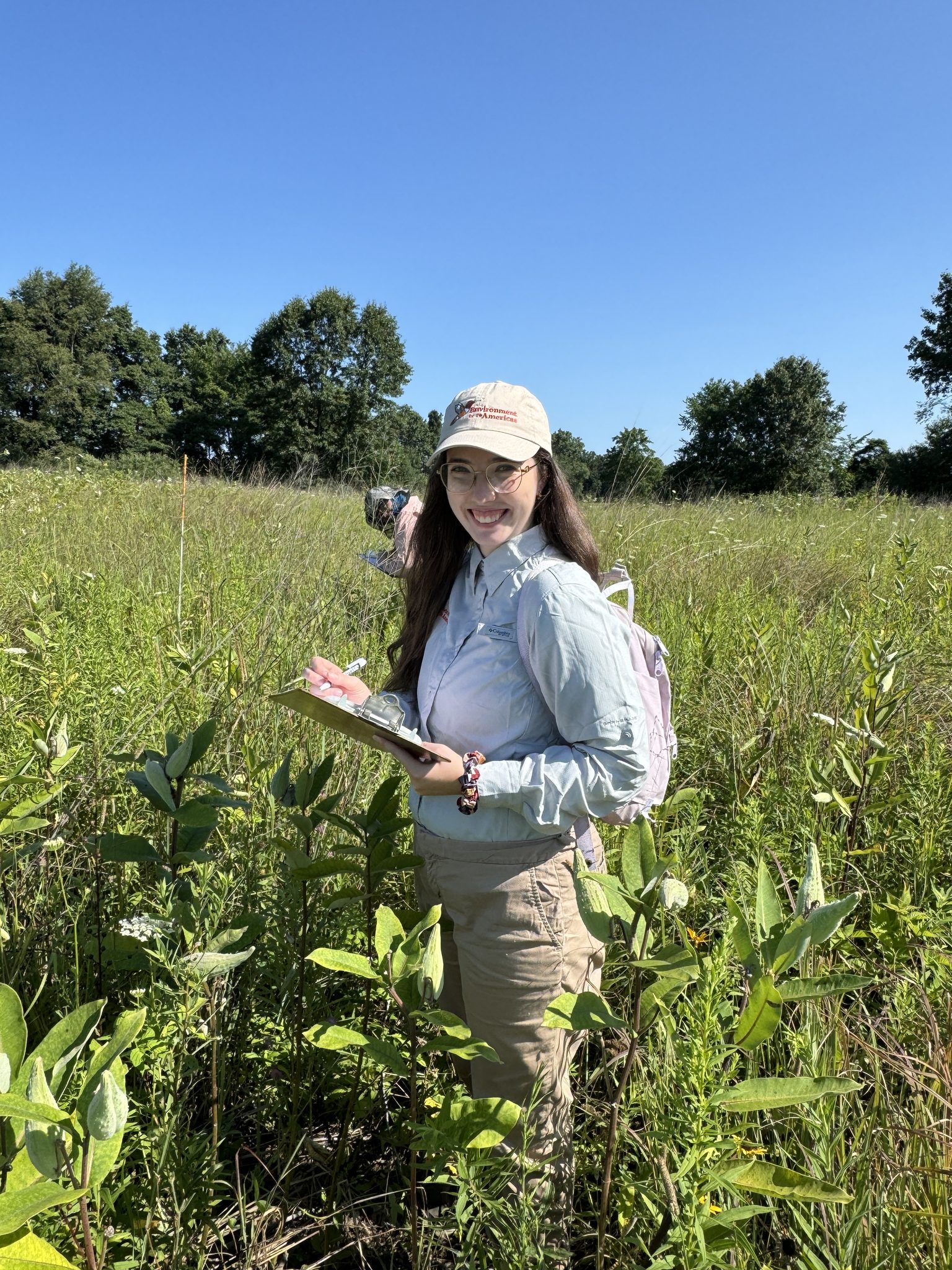
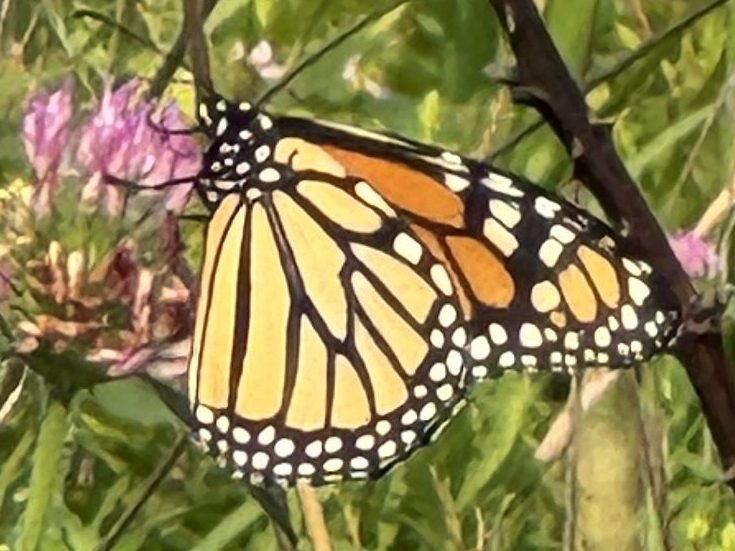
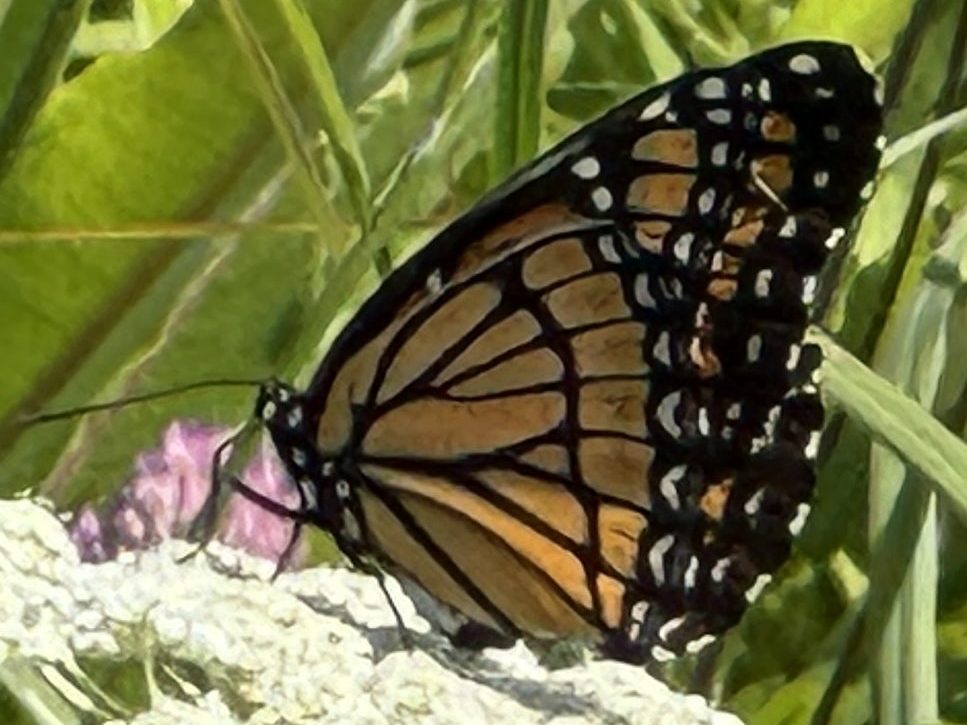
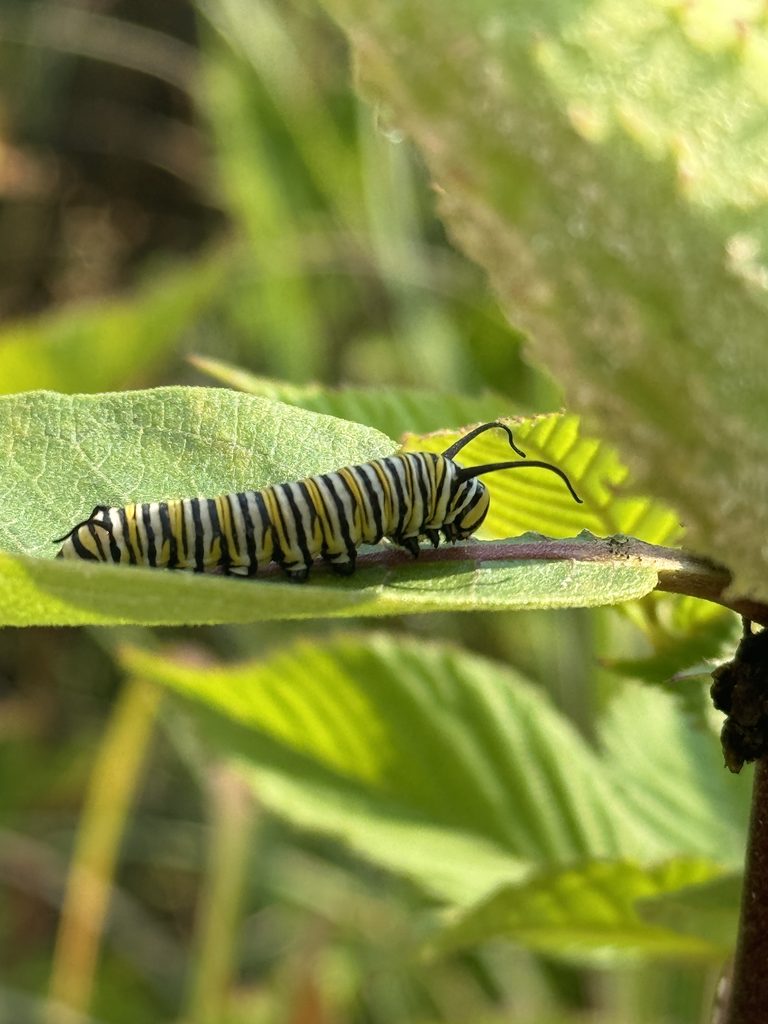
On Monday, I had the opportunity to participate in monarch butterfly surveys. Monarch butterflies are not currently listed as threatened or endangered, but they are proposed for listing as threatened. This means that they could be listed sometime in the future. We followed the different protocols from the Integrated Monarch Monitoring Program, which included surveying the blooming plants in the area to get an idea of the different food sources that might be available to monarchs, doing an adult monarch survey to observe butterflies in the area, and doing a larva and egg survey to look for monarchs on milkweed plants. We saw many flying monarchs in the area, as well as one caterpillar. It was later in the season, so it made sense that we did not see as many eggs or larvae. We also saw an indigo bunting and a common yellowthroat, as well as hearing some sandhill cranes. It was really fun to be out in the field for the day and learn more about the monarch and the native plants in the area!
Water Beetle Wednesday
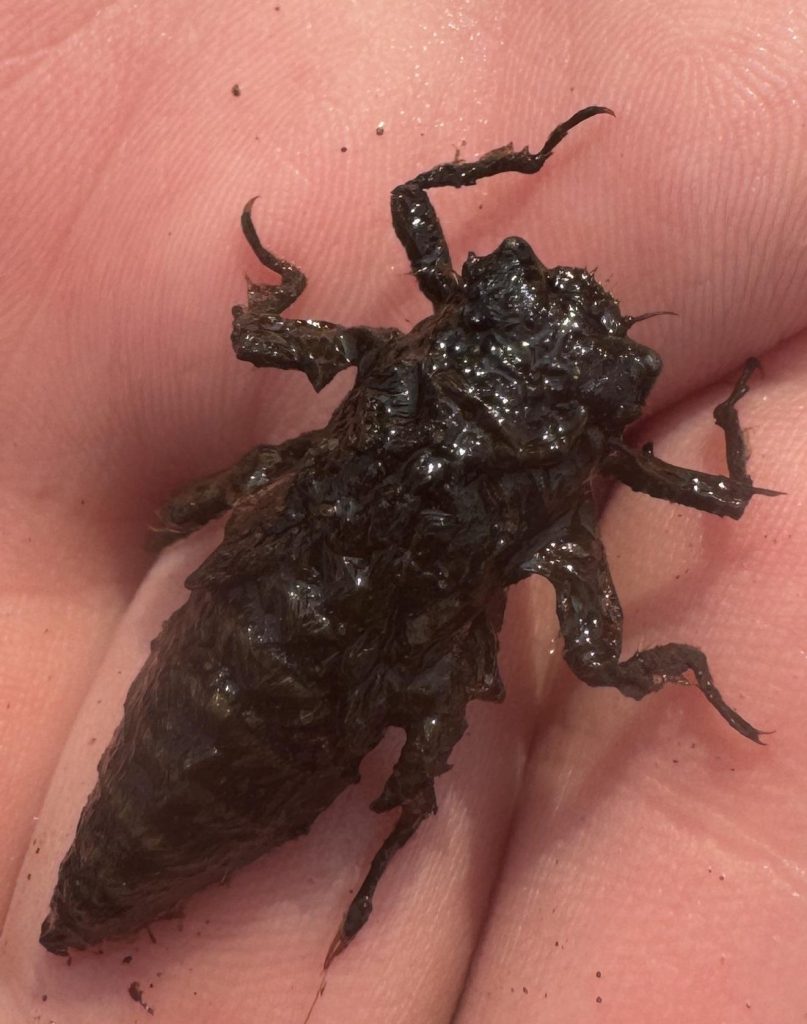
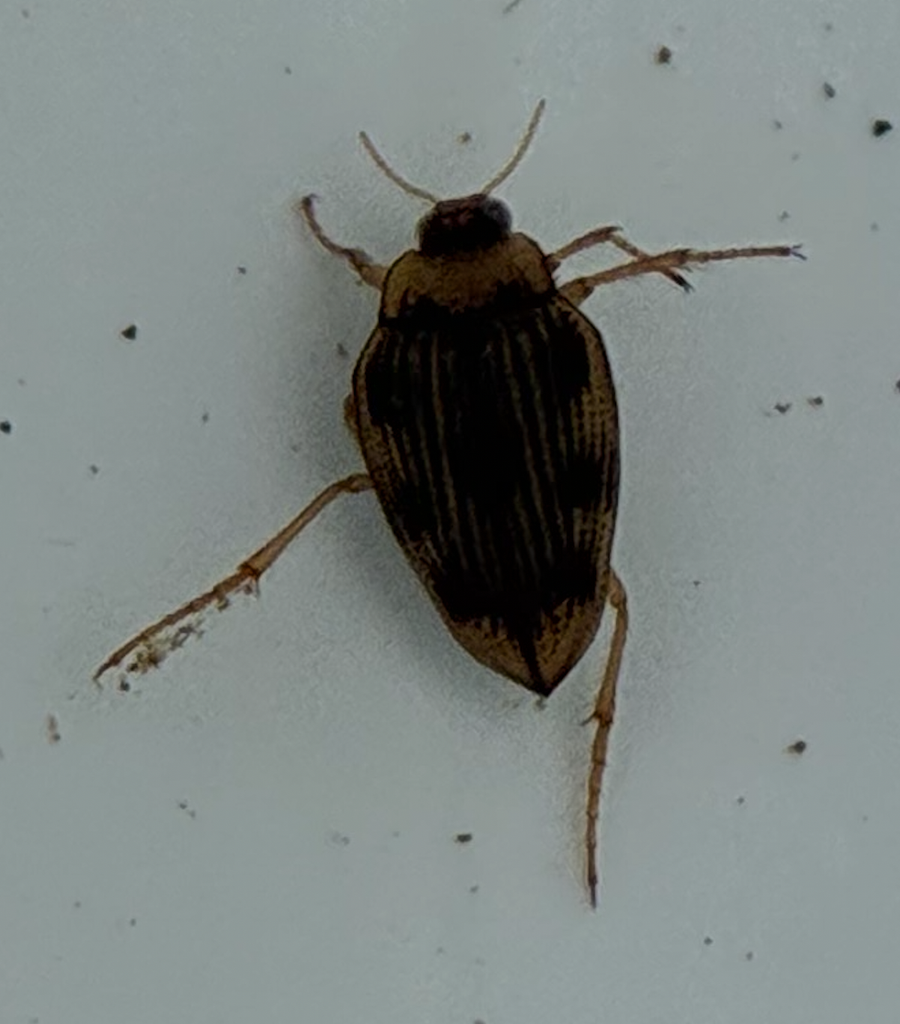
On Wednesday, I got to go out in search of a federally listed endangered species: the Hungerford’s Crawling Water Beetle. Hungerford’s is a really cool species because they have only been found in Michigan and Ontario. They are little beetles that spend most of their lives crawling around the bottom of fast-flowing streams and eating algae. They were first listed as endangered in 1994.
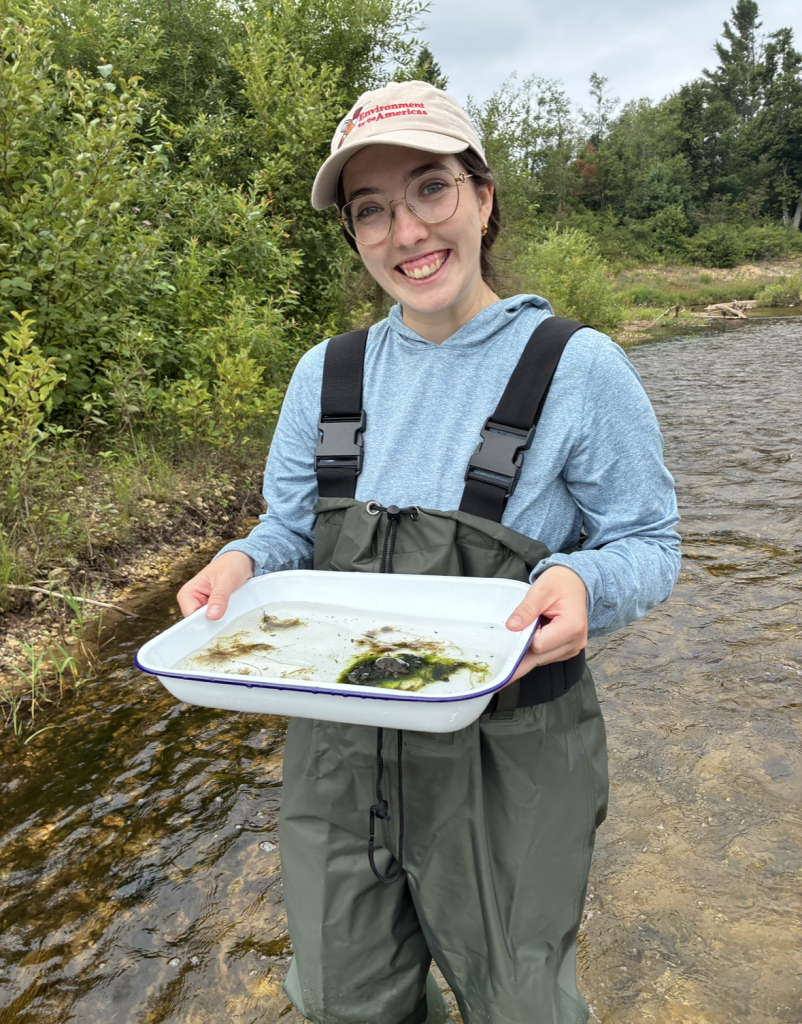
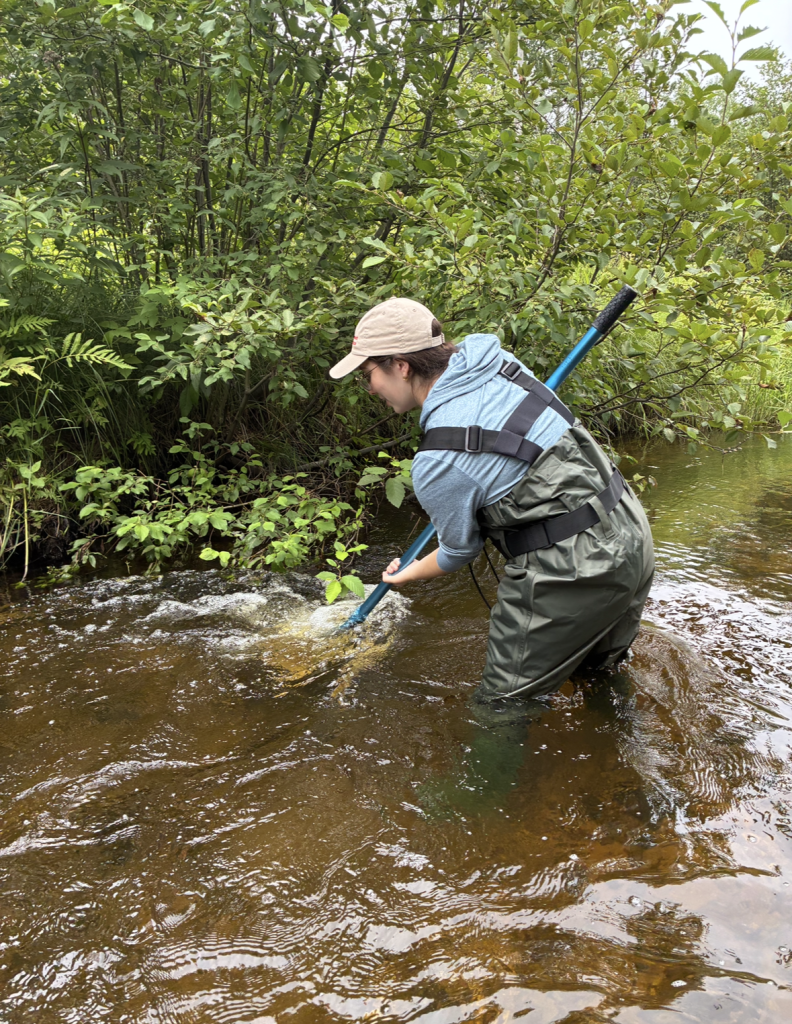
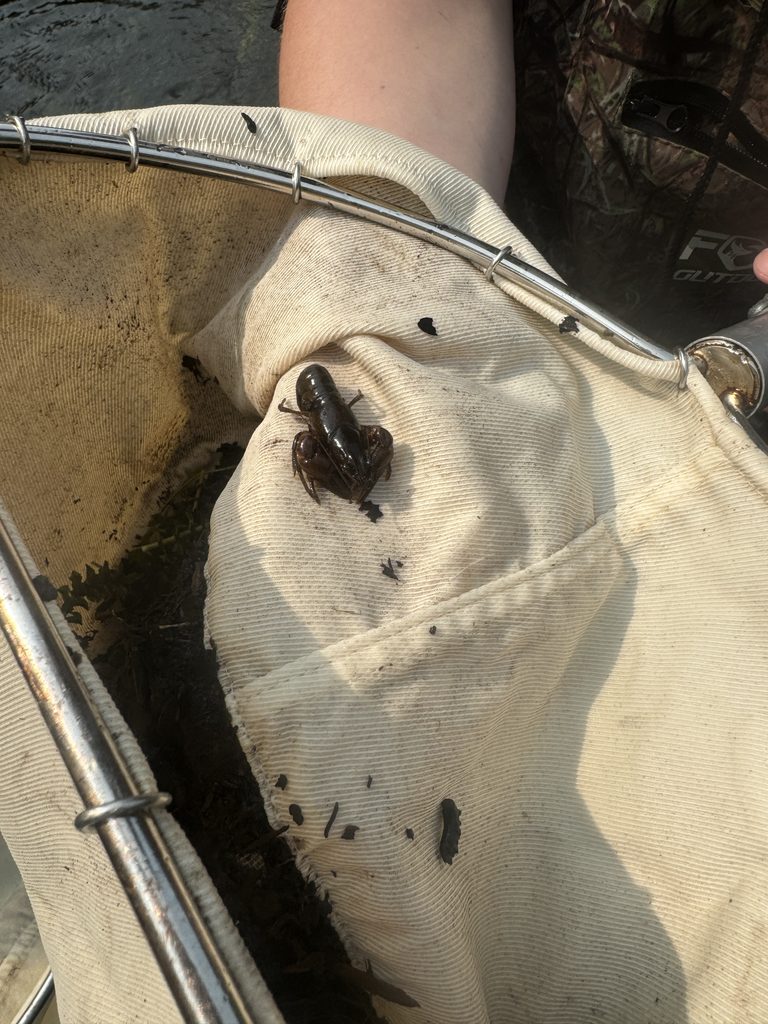
First, we deployed a water quality monitoring silo in one of the streams known to have Hungerfords. This silo will measure temperature, connectivity, depth, and other water quality indicators so we can better understand the Hungerford’s habitat. We then did aquatic macroinvertebrate sampling to look for Hungerford’s and other species that are living in the area. We found so many cool animals, including mayfly larvae, caddisfly larvae, stonefly larvae, damselfly larvae, dragonfly larvae, crayfish, blackfly larvae, and even some small fish. We were also super lucky to find three Hungerford’s Crawling Water Beetles!! That was very exciting for me because it was the first time that I got to see an endangered species in the wild!
Bats!
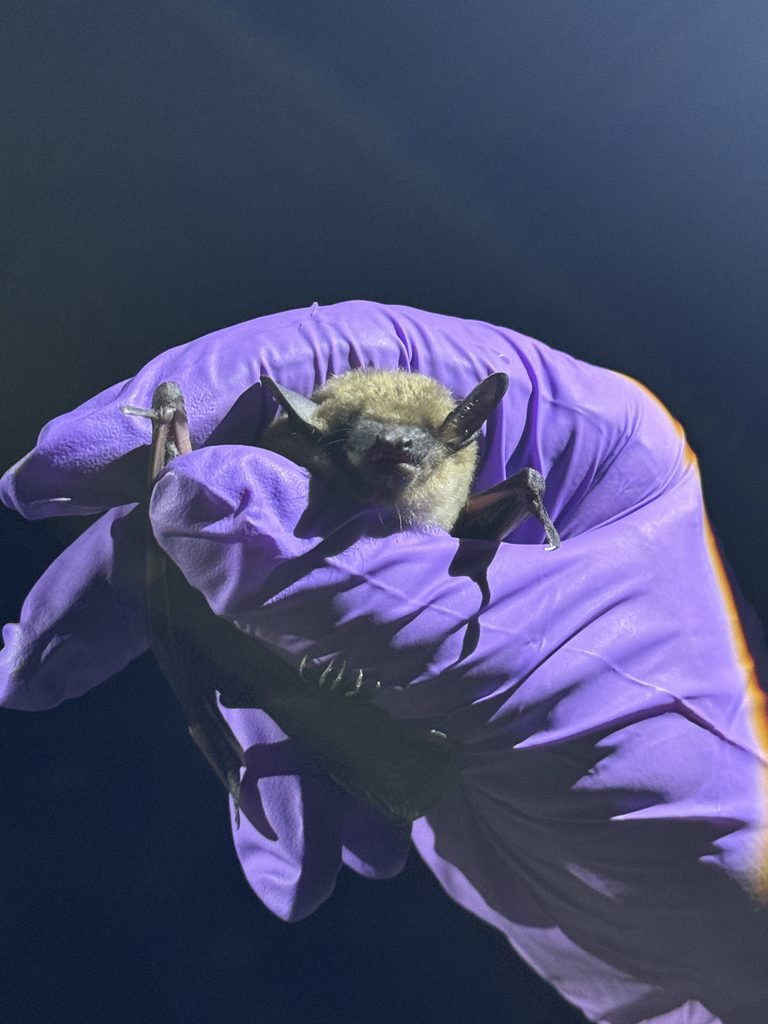
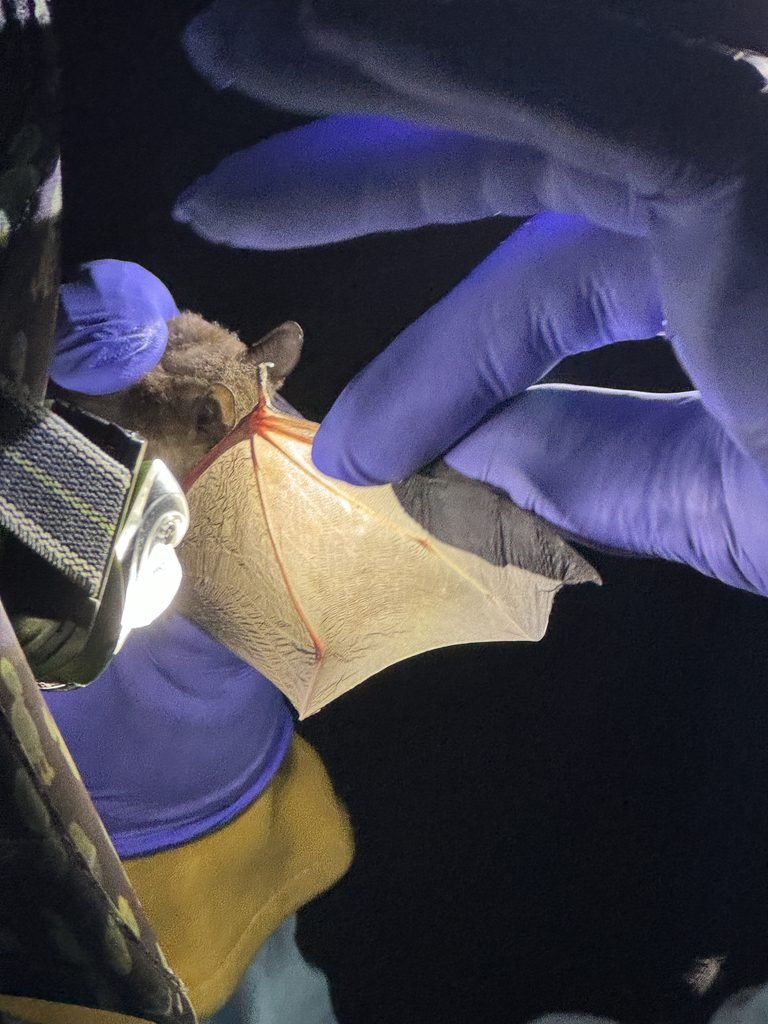
On Thursday and Friday night, I got to see bat surveys. On Thursday, I did an emergence survey at a barn with a Big Brown Bat colony. For the emergence survey, we sat next to the barn from about 30 minutes before sunset to an hour after sunset and counted all of the bats that we could see leaving. We counted over 120 bats leaving the barn. The team set up mist nets in an area where bats tend to fly through. The mist nets are made of very thin nylon or polyester mesh. They need to be thin enough that bats can’t detect them using echolocation. This makes them very difficult to see, especially at night, and I almost walked into one a couple of times. The nets form pockets that the bats fall into when they hit the net. It is super important to check the nets every 10 minutes to make sure that the bats do not get too stressed or tangled up when they end up in the net. When a bat gets caught in one of the nets, the team carefully lowers the net and brings the bat to “base camp” so that they can get measurements and data about the bat before releasing it.
I did not touch or hold any of the bats because I am not vaccinated against rabies. Most bats do not have rabies, but because it is such a dangerous, life-threatening condition, people who handle bats need pre-exposure vaccines and proper protective equipment, like thick gloves. Since I am not vaccinated, I watched and helped record data such as weight, sex, life stage, reproductive status, and forearm length. It was super cool to see the bats up close. They were much smaller than what they look like when they are flying around! There were also a couple of other animals that got caught in the mist nets: a couple of eastern bluebirds near dusk, a flying squirrel, and a screech owl.
There are ten species of bats that live in Michigan, including two endangered species: the Indiana Bat and the Northern Long-Eared Bat. We ended up catching only Big Brown Bats, the most common bat species in Michigan. I have a few Bat Outreach Programs scheduled for October, so it was great to gain more experience and learn what the Fish and Wildlife Service does to help bats.
I had an amazing time during the last few weeks, both in the field and getting to know the people in my office! I am looking forward to the next few weeks and hopefully getting some outreach events underway soon!
Sorry, the comment form is closed at this time.