


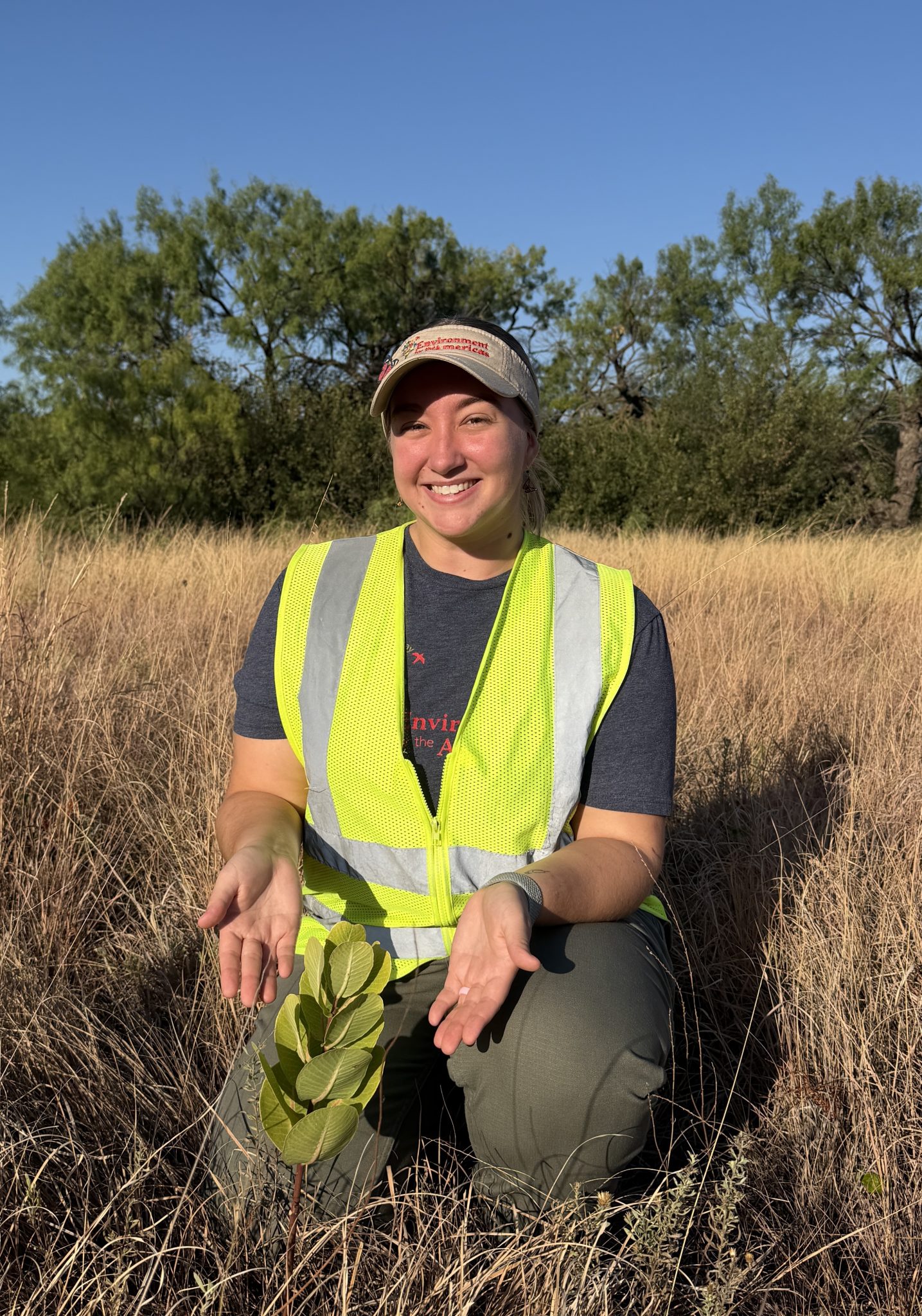
18 Sep The Impact of Texas Drought and Heat on the Fields
To live in Texas, you have to be able to withstand periods of intense heat and no rain. For humans, that is not impossible since we have swimming pools and other ways to cool off- but for everyone else, it can be a bit of a challenge. Texas species are typically adapted to the heat, but when they experience continuous periods of drought with no break, it can start to make an impact on them and their environment. Over the summer, the average temperature here in Abilene was 95 F, with a record-breaking streak of 33 consecutive days of 100+ temperatures. On top of that, we haven’t seen much rain since July, leaving August with measurements around 0.0 to 0.1 inches of rain. Yes, it was hard to get through, especially as a native northerner, but it was even harder for our prairies and fields that we survey each season!
Now that is is September, the monarchs are making their way back through Texas. We began our fall field season on September 7th, making it out to the field for the first time that weekend. From surveying previous seasons, I had an idea on what to expect. On the other hand, this is my field partner’s first year, so she is getting to experience the comparison between spring and fall for the first time! With little rain and intense heat, it is easy to expect little growth in the field. It wasn’t until we got out there that we then knew what we’d be dealing with this season!
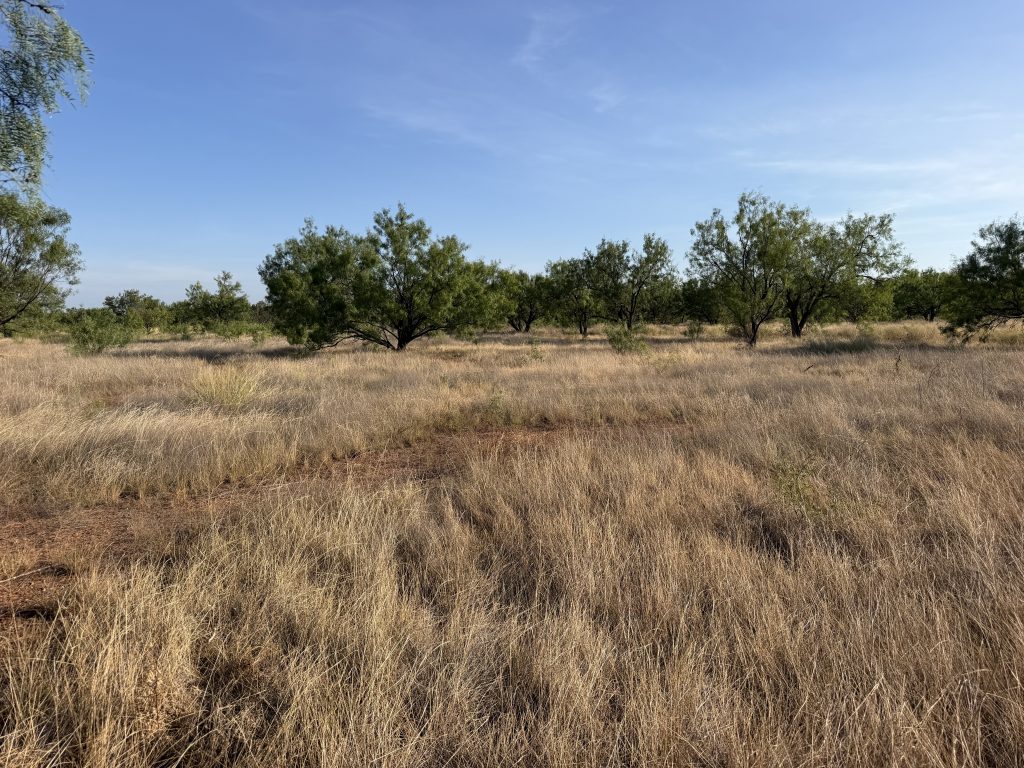
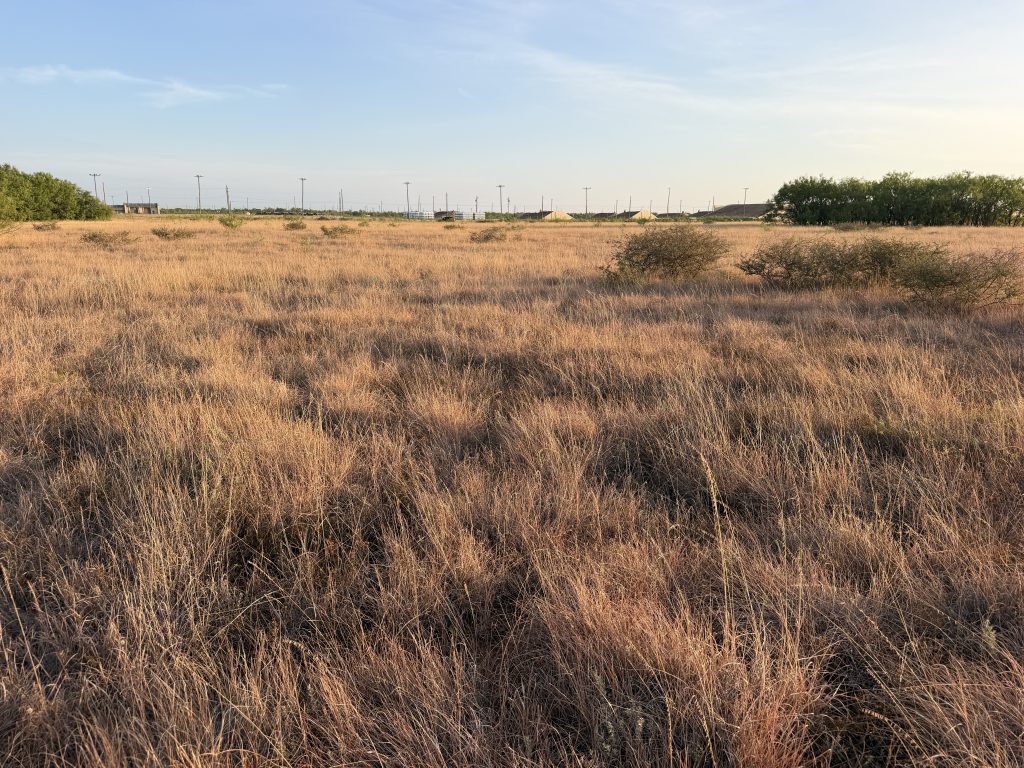
Each and every plot we have visited to has been dead, dry, and brown. There has been no milkweed found in our standard rectangle plots, with very sparse milkweed found in our smaller census surveys. In the previous seasons, it was common to not find milkweed in our main rectangle plots, which is why we added on our census surveys where we were seeing some milkweed. But now, we aren’t even seeing milkweed in all of our census plots that we once did before!
In addition to limited milkweed, there aren’t many blooming plant species nearby. The only documented species so far have been Texas Snakeweed and Hoary False Golden aster. The sparsity in blooming plants alone isn’t going to help draw monarchs to our area- let alone the small amounts of milkweed for reproduction. It is crucial for monarchs to have nectaring resources in the fall as they make their 3,000 mile journey back to Mexico. Texas is one of the last stops before they begin their overwintering season, so without the blooming plants to feed on, they will not gain as much energy to sustain themselves during the off season.
Well, why has the weather been so different? The quickest answer is climate change, but it isn’t a simple one. Climate change has impacts on species of all kinds, even us humans who are speeding up the outcomes of it. It is crucial that we educate others on the topic and take acts to slow and reverse the damages we have already caused. Until then, we can help the monarchs one step a time in our own backyards. Planting native wildflower species, and leaving them around until late in the season can help even one monarch get enough fuel to continue its journey. You can also plant native milkweed species to aid in their reproduction and keep the migration alive!
Take a look at Our Plots:
Sorry, the comment form is closed at this time.