


21 Sep Monarchs South, West, and Midwest!
This summer, I got the wonderful opportunity to travel from Abilene, Texas, to Colorado, Iowa, and South Dakota! During this trip, I saw Monarchs and milkweed galore and got to identify milkweed species I hadn’t yet seen at Dyess AFB. From ditches and roadsides to fields and national parks, the amount of thriving milkweed plants I saw made me as happy as could be.
In Colorado, my husband and I had the opportunity to camp out at Buckley SFB, where the grass was green, the forbs were thriving, and I got to see three species of milkweed, one of which is found in our plots here at Dyess AFB. The milkweed I had the pleasure of looking over included swamp milkweed and showy milkweed, both species that were new to me, as well as green comet milkweed, which is found here at Dyess!
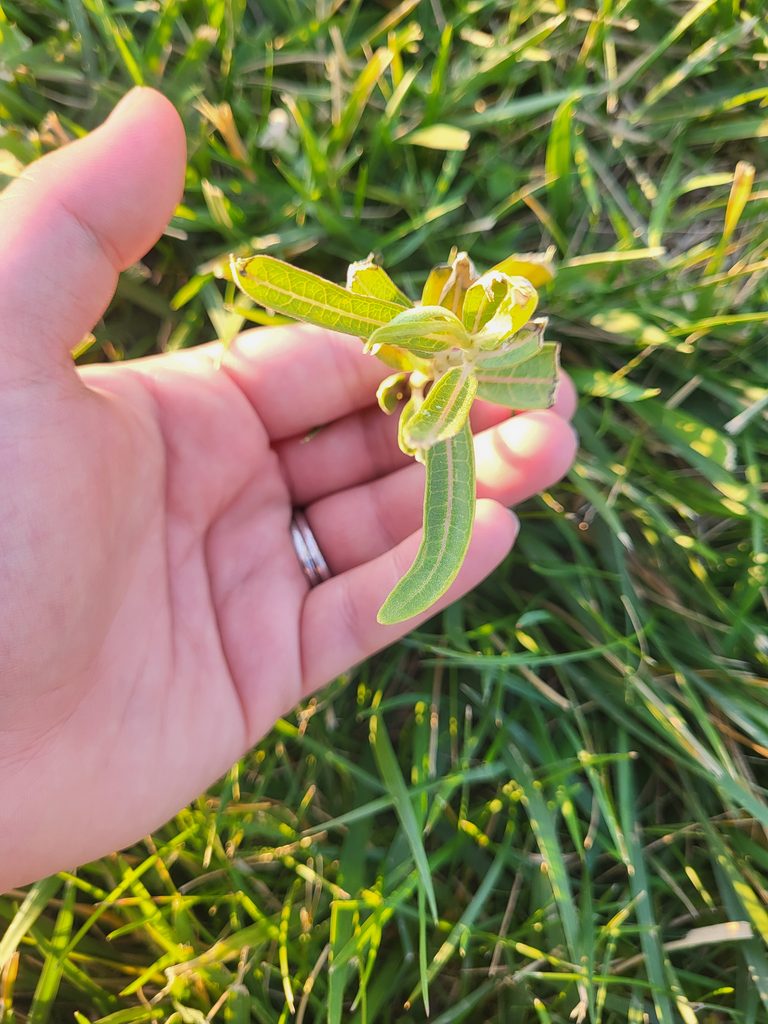
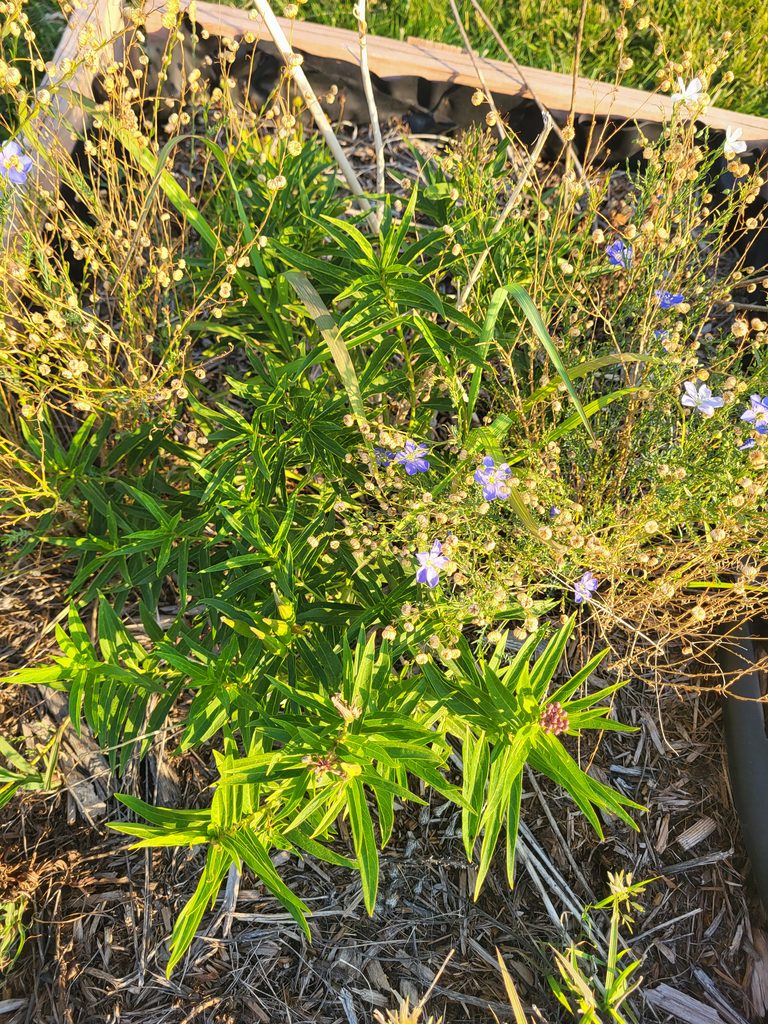
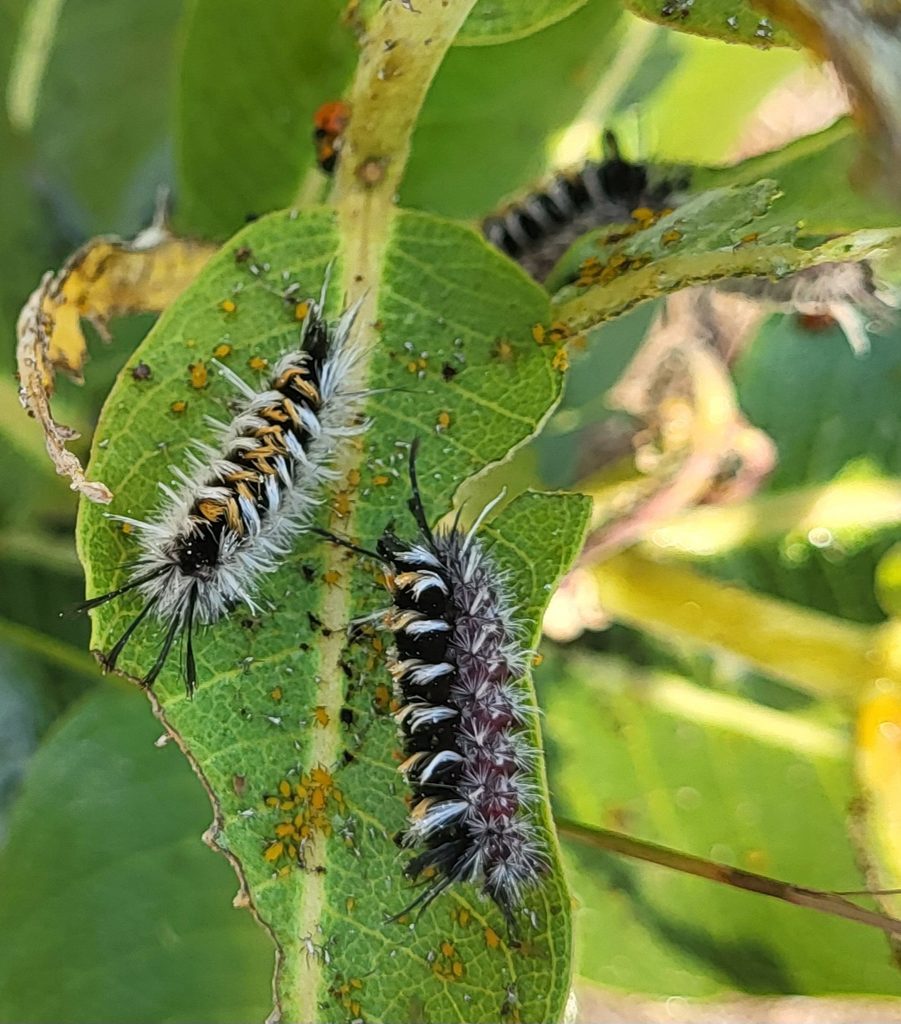
Aside from our stay on base, we did some driving to Pikes Peak, Colorado. On the way there, I was surprised to see so much showy milkweed thriving alongside the highway in the ditches. Everywhere we drove, there seemed to be milkweed in bloom for miles. Another destination that yielded lots of showy milkweed was Rocky Mountain National Park and the town of Estes right outside of it. While I didn’t observe any Monarch caterpillars or eggs there, I did find lots of other organisms using the showy milkweed as a host, such as aphids and hundreds of tussock moths.
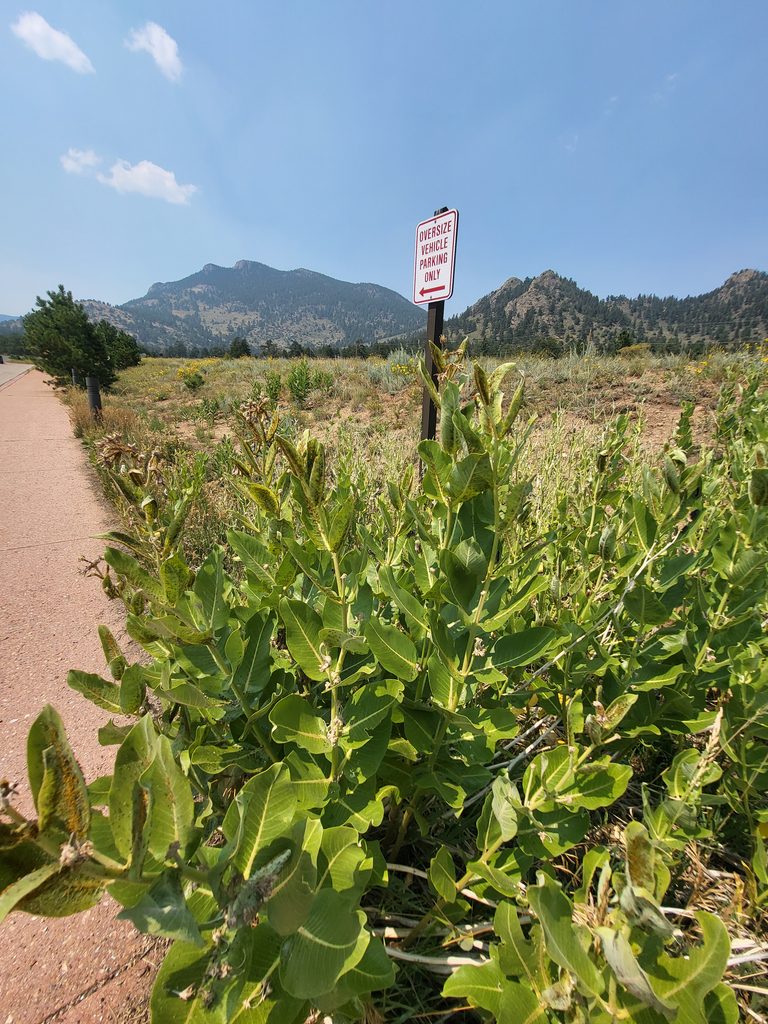
After leaving Colorado, my husband and I made our way to Sturgis, South Dakota. On the way there, we saw common milkweed covering the ditches, another species I was not used to seeing. This became a familiar sight throughout the Sturgis Motorcycle Rally that my husband and I attend every year, but this year, my eyes weren’t on the motorcycles. This year, my eyes were on the ditches!
Seeing so many milkweed plants lining the ditches, just as the showy milkweed had in Colorado, caught my attention. The showy and common milkweed seemed to line the roads for miles and miles, and I couldn’t stop looking. Although I am certain these plants have been there year after year, I had never really noticed them before. Getting to actually spot them thanks to my training and the further love and understanding for Monarchs I have gained through this internship has greatly widened my horizons!
After Sturgis, I made my way home to visit family in Iowa, where I quickly noticed that the cornfields were surrounded by common milkweed growing in the ditches just outside of the fields. Here, we found every life-cycle stage of the Monarch! My husband and I each took turns looking over the milkweed, searching for eggs, instars, and more. We were very pleased to find an abundance of eggs, caterpillars, and Monarchs themselves!
In a field of wildflowers, we counted approximately 32 Monarchs flying overhead in one day! Even more exciting, my mother-in-law and sister-in-law each had common milkweed growing in their yards that they had no idea they had. While looking over my sister-in-law’s milkweed, I found two eggs and was able to teach her how to identify a Monarch egg and what they look like. On my mother-in-law’s milkweed, I was able to find five instars on one milkweed plant, as well as multiple eggs. I showed her what they looked like and how to identify them, and she quickly became excited about the Monarch caterpillars. She began going out daily to check on them and even sent me updated photos of the instars as they got bigger, showing just how excited she had become about Monarchs!


I was happy to be able to find so many eggs, instars, and adult Monarchs, totaling 34 adult Monarchs, 17 instars of varying stages, and 11 eggs. I was happy not only to see an abundance of Monarchs thriving in multiple states, but also to teach those I love something new about what I love doing!
Coming from Dyess AFB, where we have different species of milkweed, including antelope horn, zizotes, broadleaf, green comet, Engelmann’s, etc., it was more than rewarding to learn about other species of milkweed during my internship experiences! I also got to experience what it’s like for Monarch breeding before they move north, what it’s like up north before they make their migration down to Mexico, and now, this fall, I will get to see them again as they make their journey south!
This has been a full-circle moment for me as a Monarch and milkweed field tech, and it is an experience I will keep close to me!
Sorry, the comment form is closed at this time.