


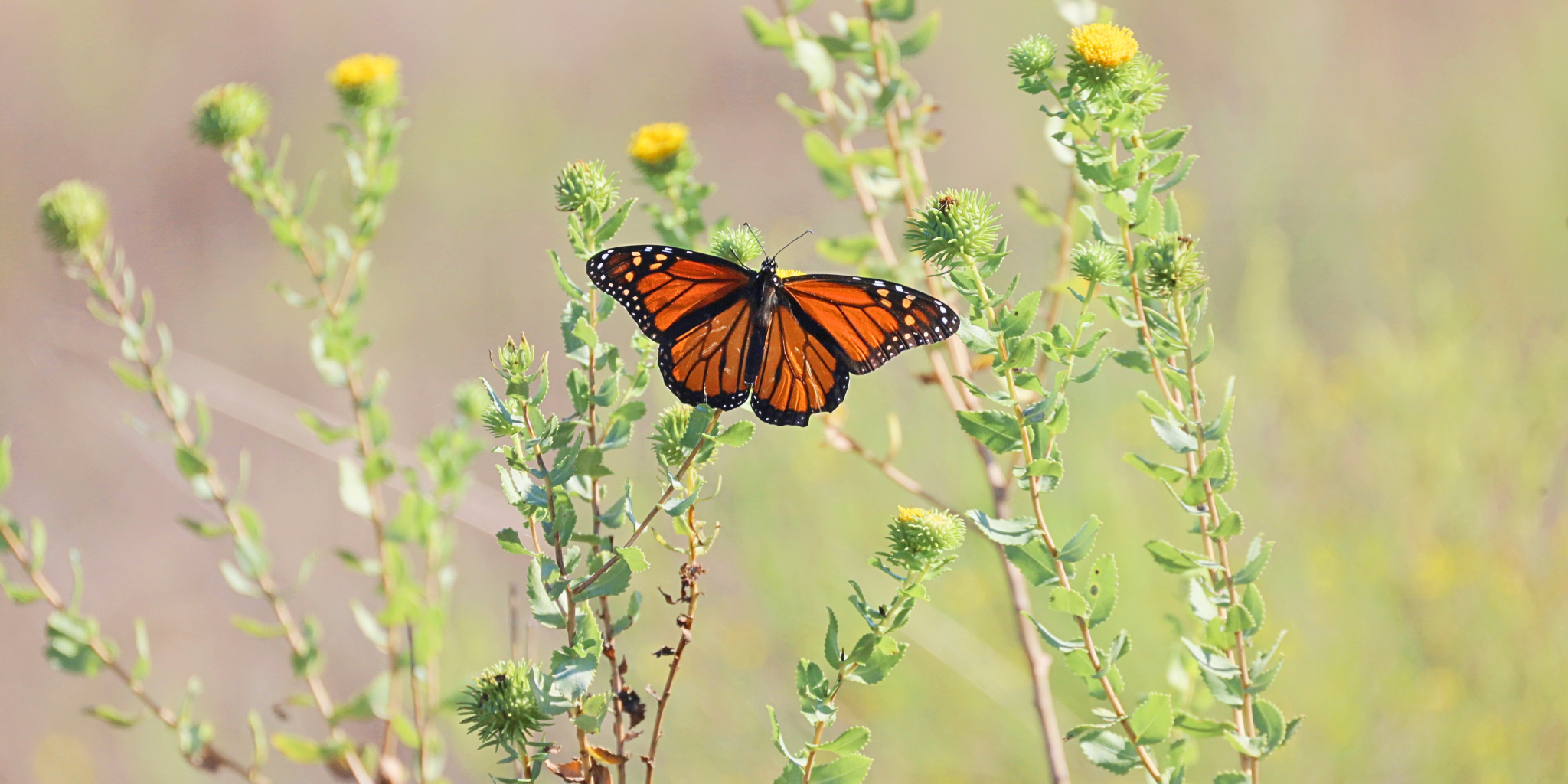
19 Oct Monarch Butterflies – They’re back!
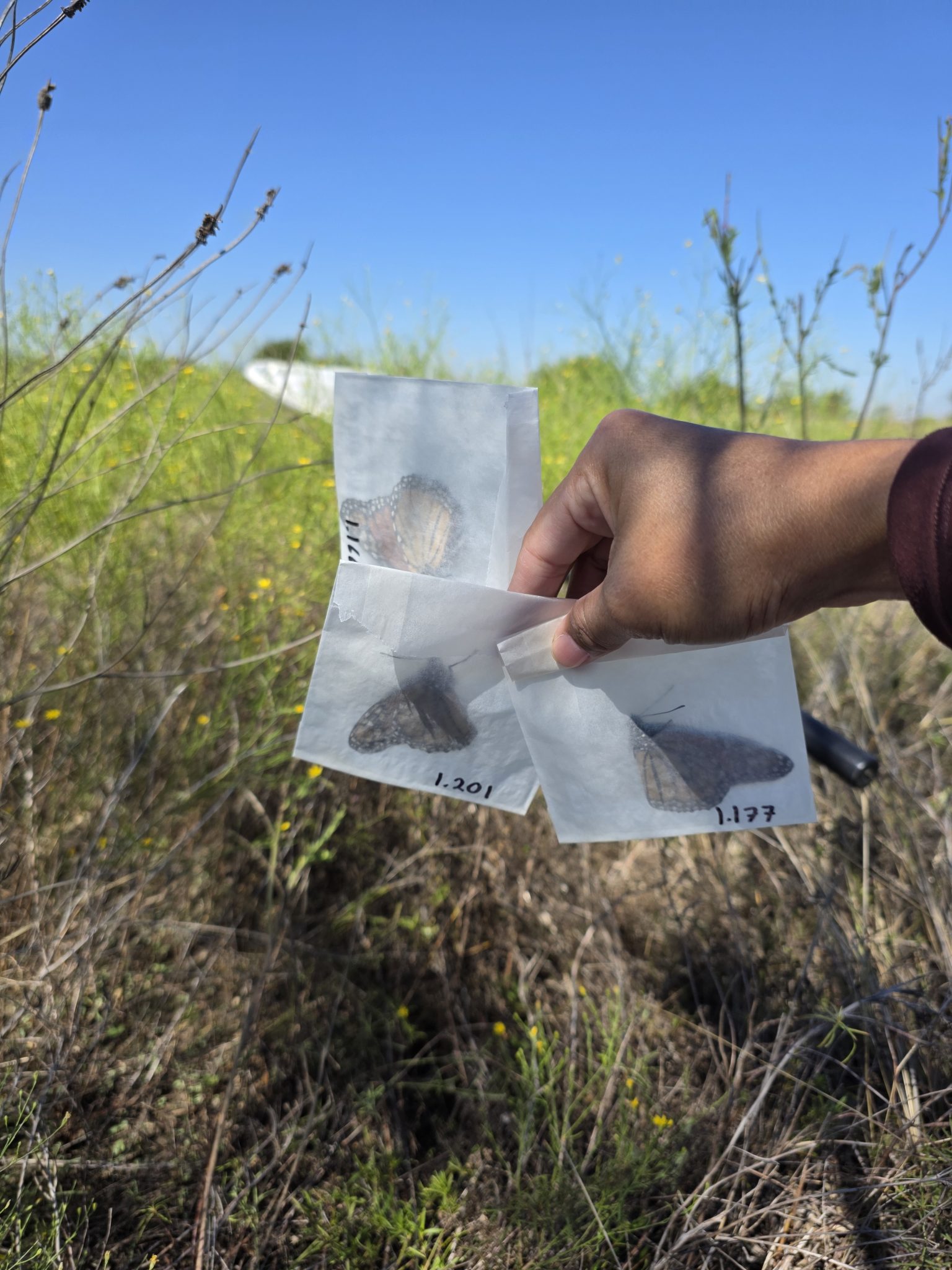
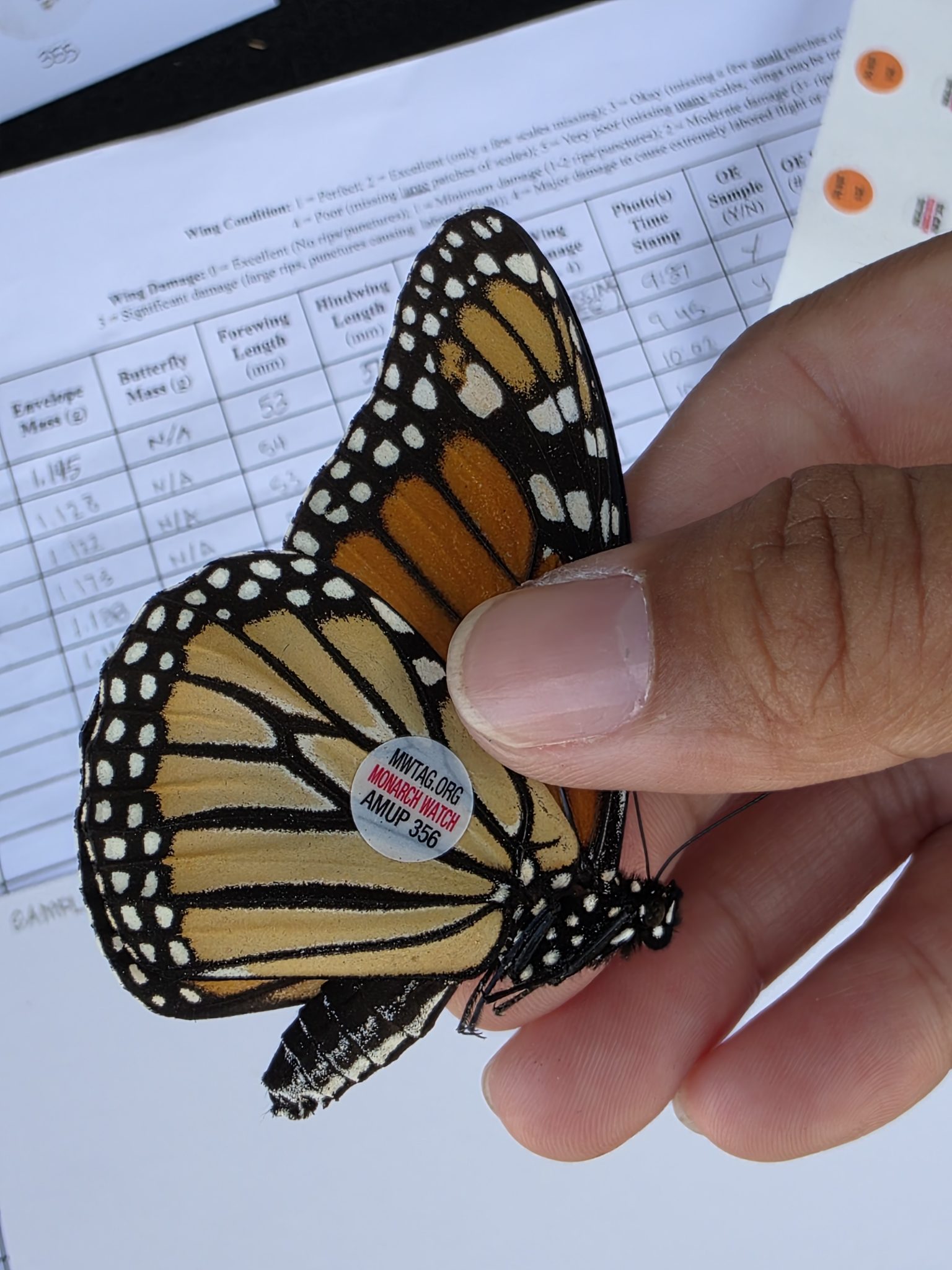
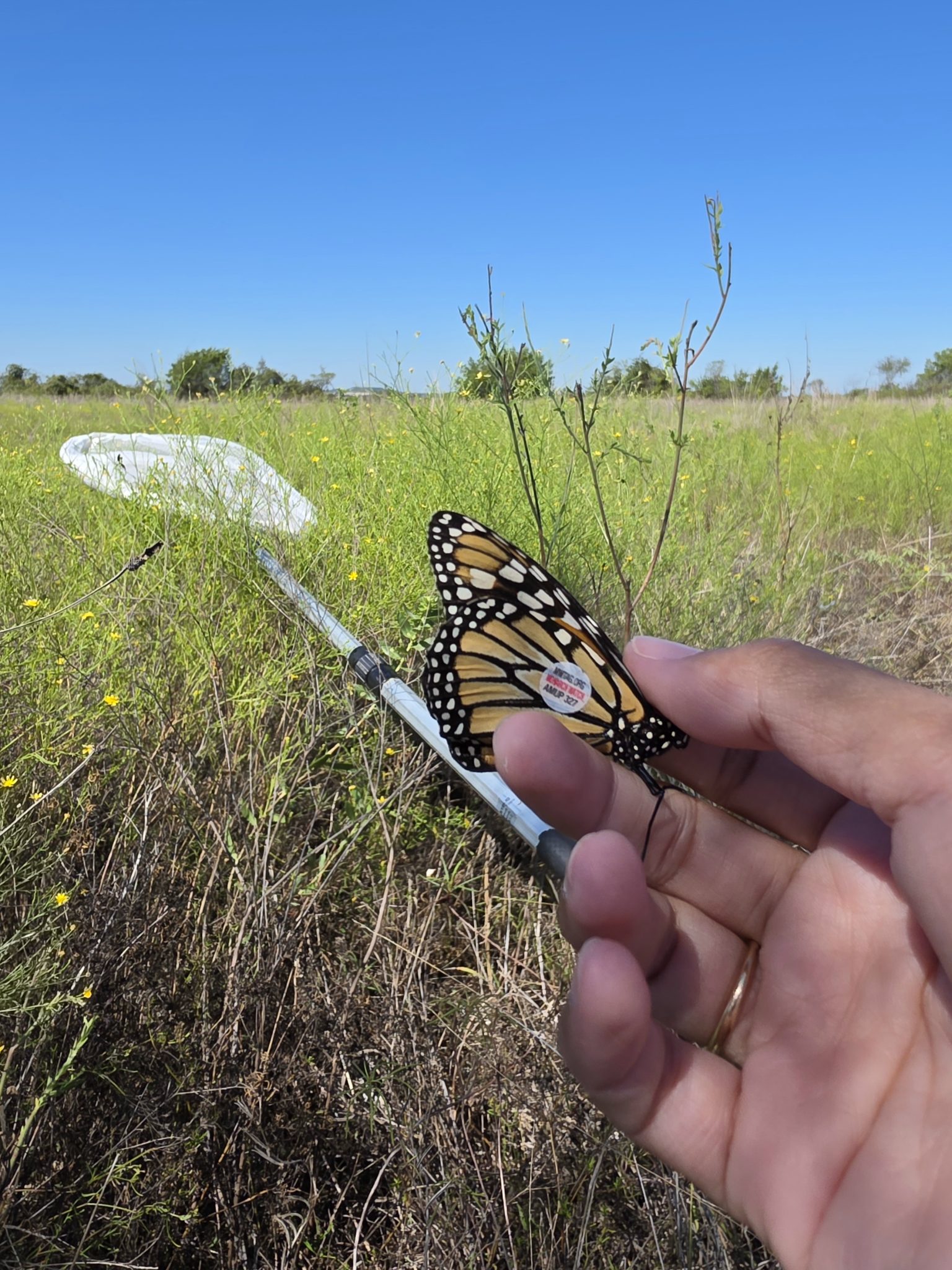
It was the last week of September 2026 we started seeing monarchs on our survey plots. It seemed like monarchs were a bit flighty by that time we tried to capture them for tagging. Even the slightest sound from walking slowly seemed to spook them. We ended up following them outside the plot, but they just disappeared that fast.
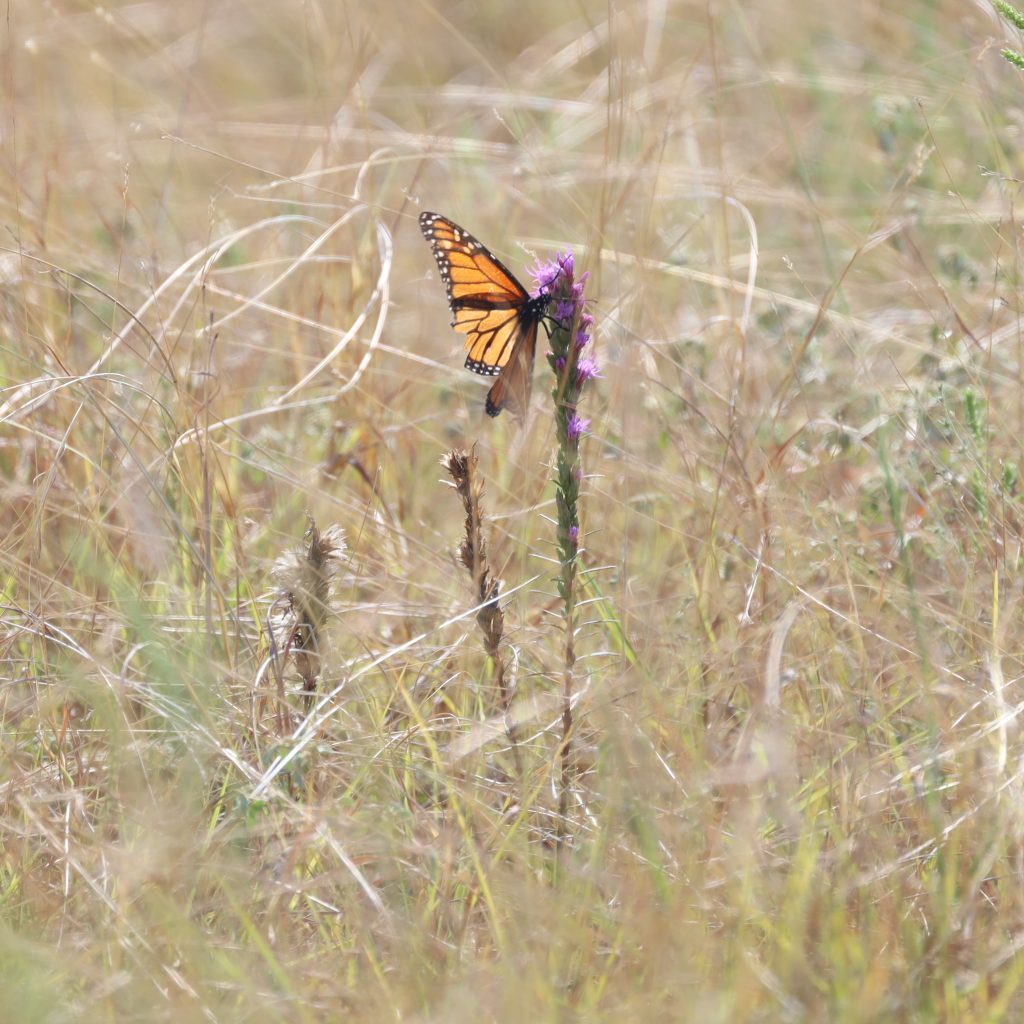
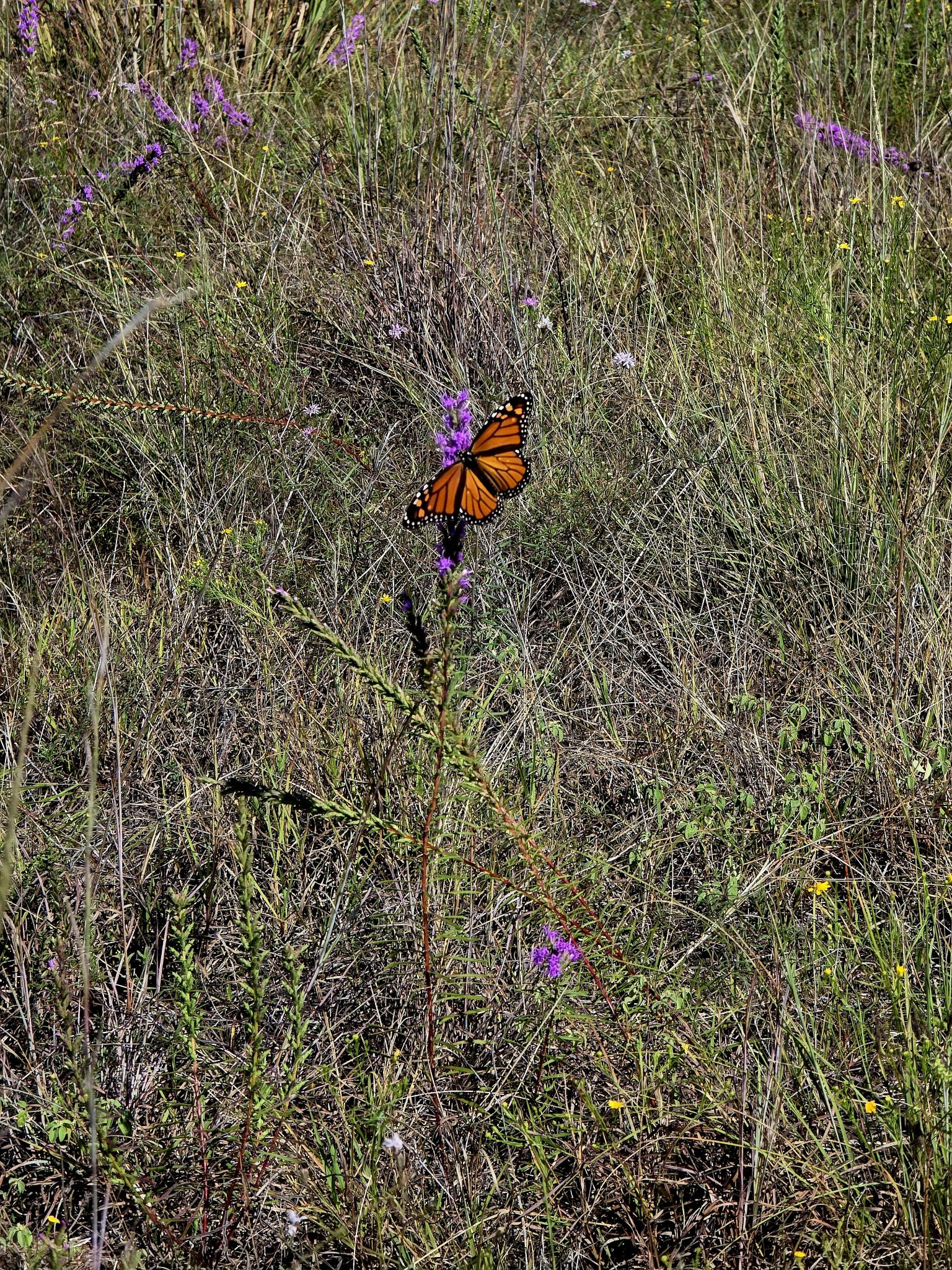
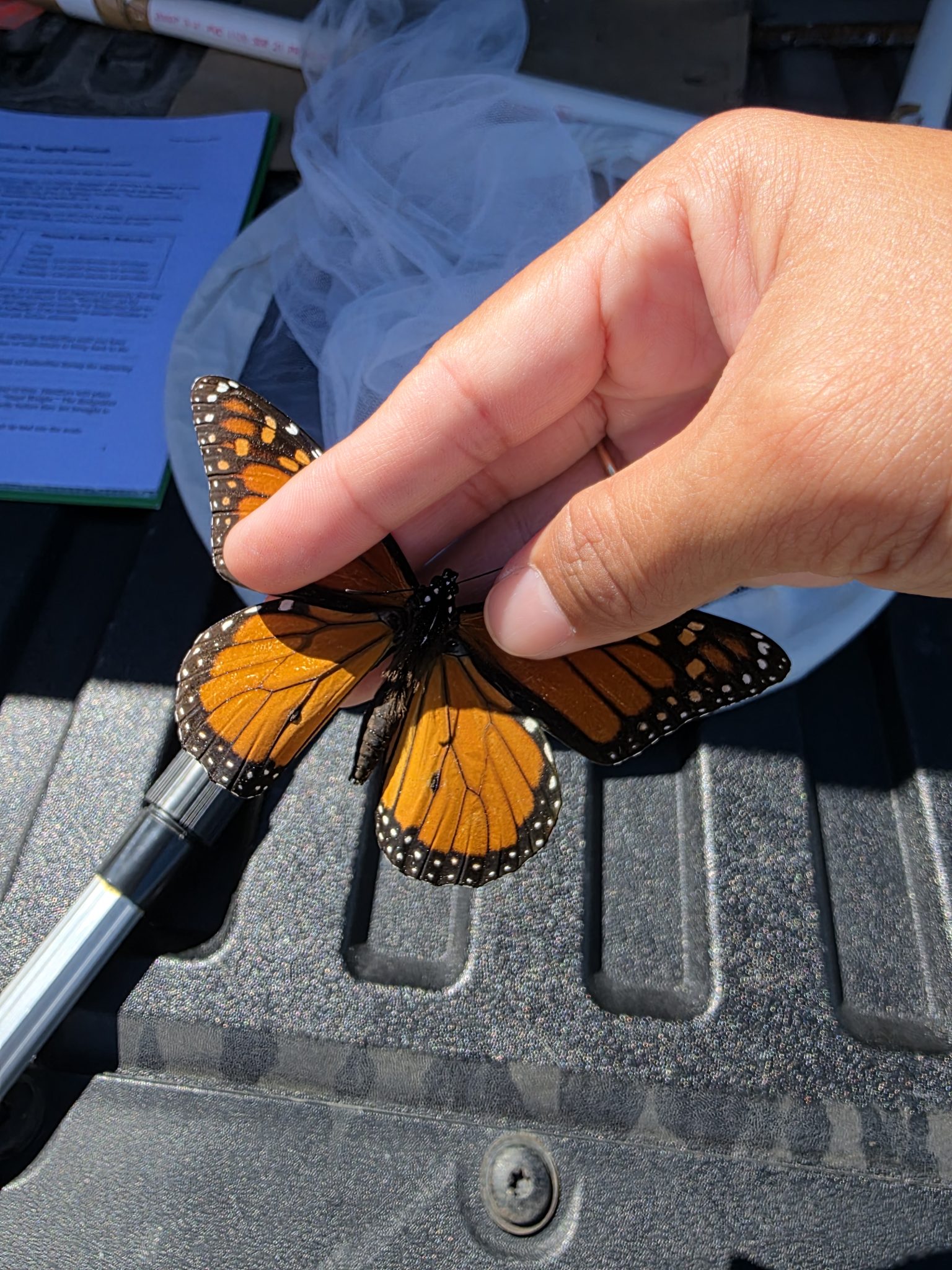
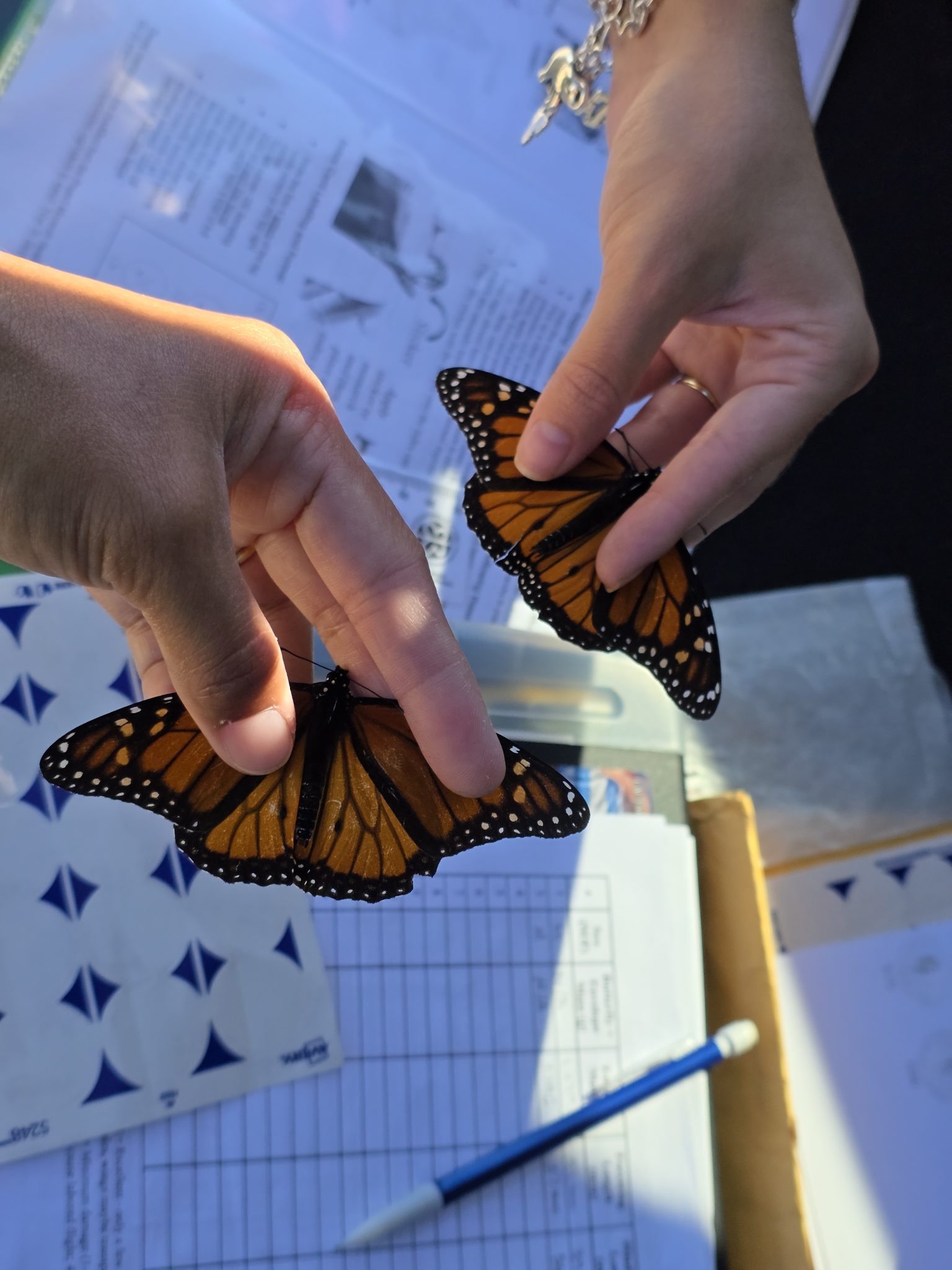
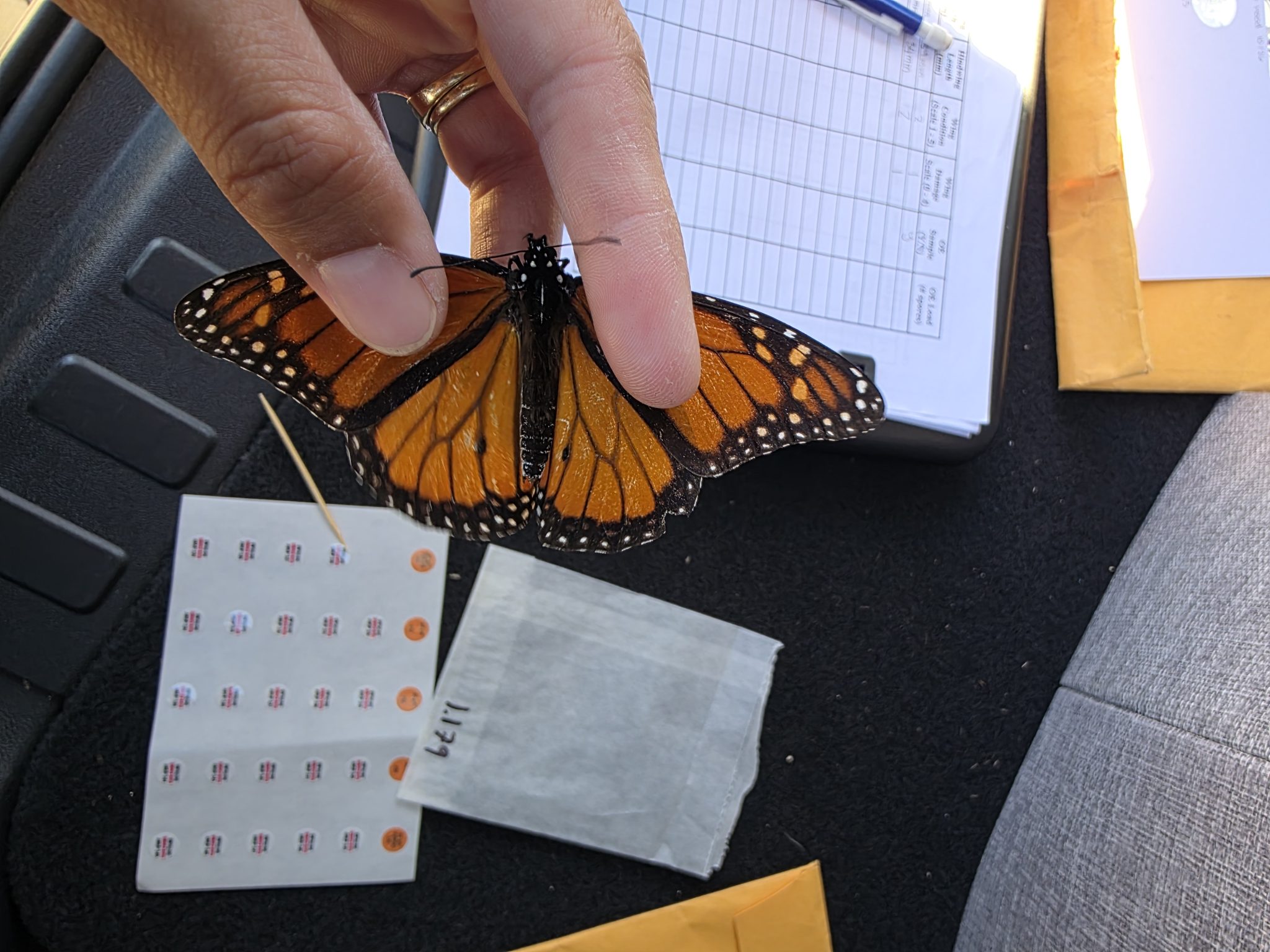
On the brighter note, I got the chance to photograph monarchs nectaring on Curlytop Gumweed and Liatris punctata (Dotted Gayfeather/Blazingstar). Most of them were male. I think females were busy ‘egg bombing’ somewhere. This one monarch in particular looked physically stressed, with visible tears and scale loss on its hind wing.
The first week of October brought a remarkable surprise! I found more than 24 instars ranging from 1st to 3rd instars in one plot (MJV13) — far more than I observed there last year. And take note, this is a separate count from my field partner. We also found many eggs — some on the same plant as the caterpillars. In total, we observed more than 35 caterpillars that day.
That was absolutely amazing! And since it was all in the same plot, I might have a great chance of finding chrysalis for the first time. We will see in my next blog.
FIRST REPORTED INSTAR DEATH…
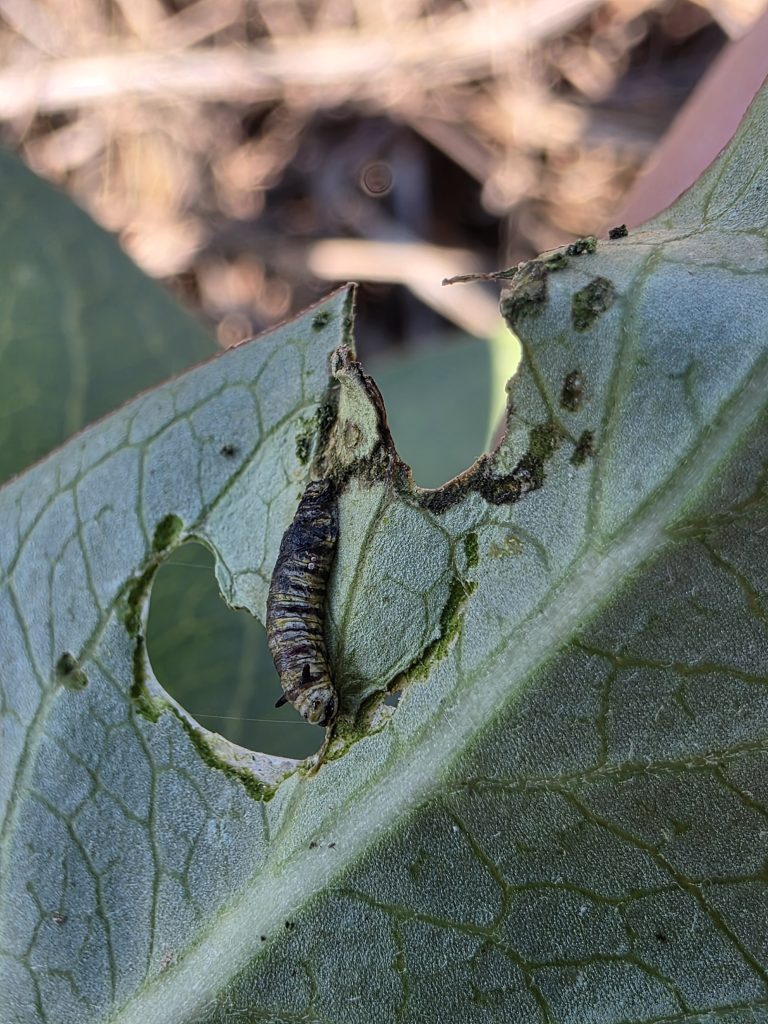
Amid these positive findings, one 3rd instar caterpillar did not survive. I wondered whether it had been infected with some parasites other than the famous Ophryocystis elektroscirrha (OE). I am also curious about the black color surrounding the bite marks.
According to Monarch Butterfly Garden, the most likely cause of instar death are as follows: Tachinid Fly parasitism, stink or assassin bugs, Pseudomonas or Serratia bacterial infection, Black Death (Nuclear Polyhedrosis Virus pathogens), and pesticide or chemical poisoning.
From this picture, the deceased instar appeared to stop eating, went limp, and half of it appeared shriveled and darkened. Well, I can really tell you what caused it, but if you know, keep in touch.
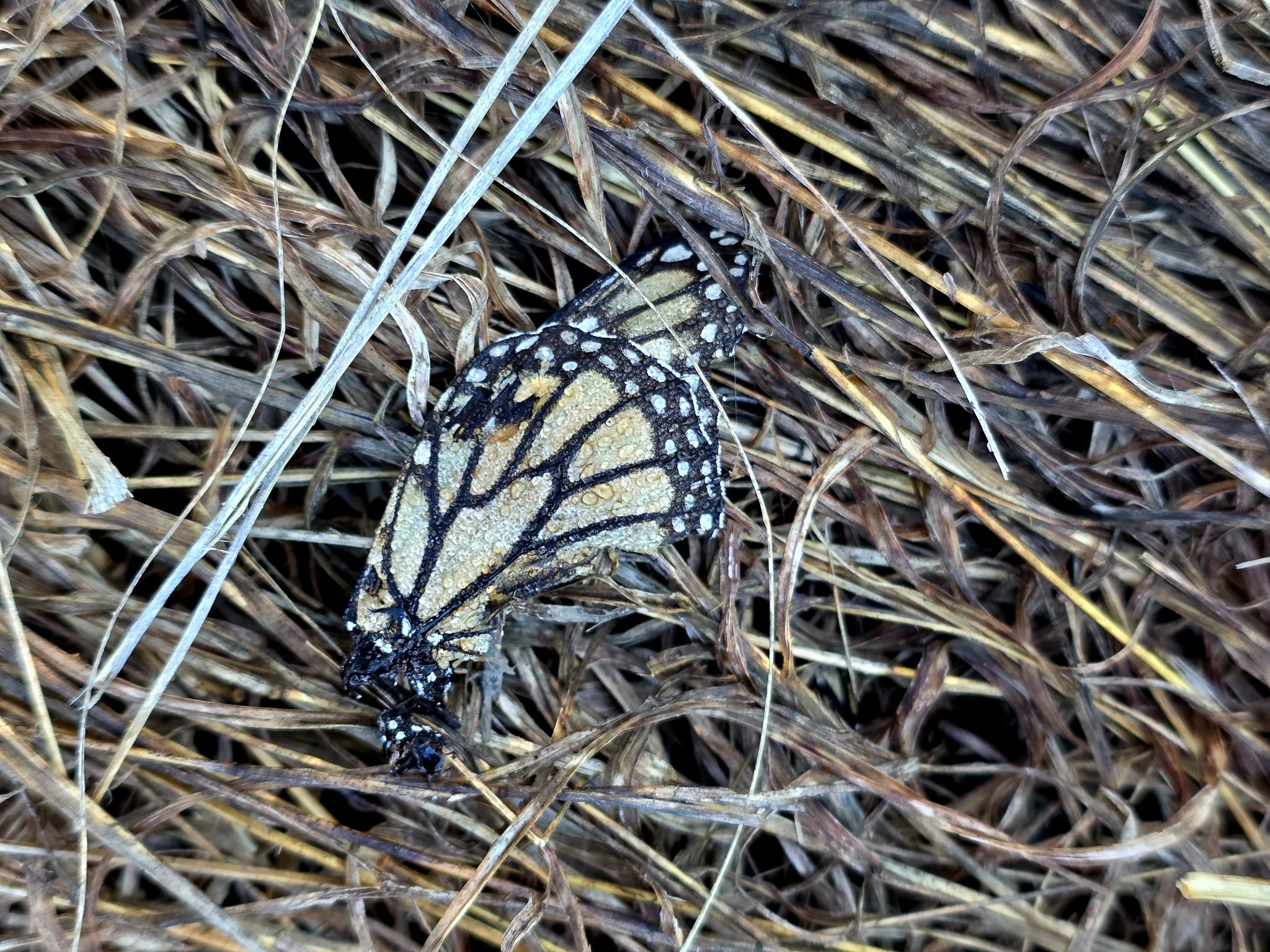
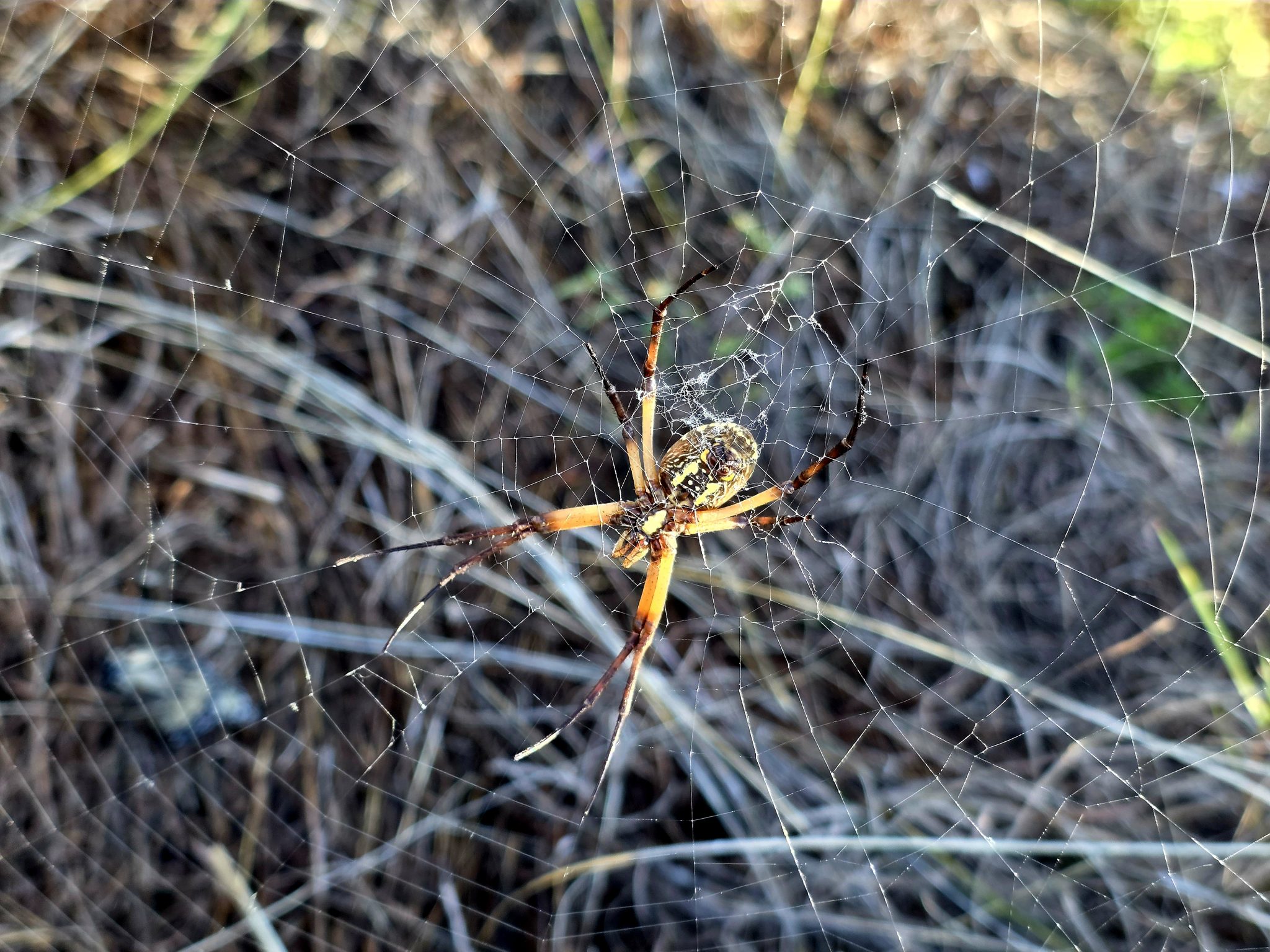
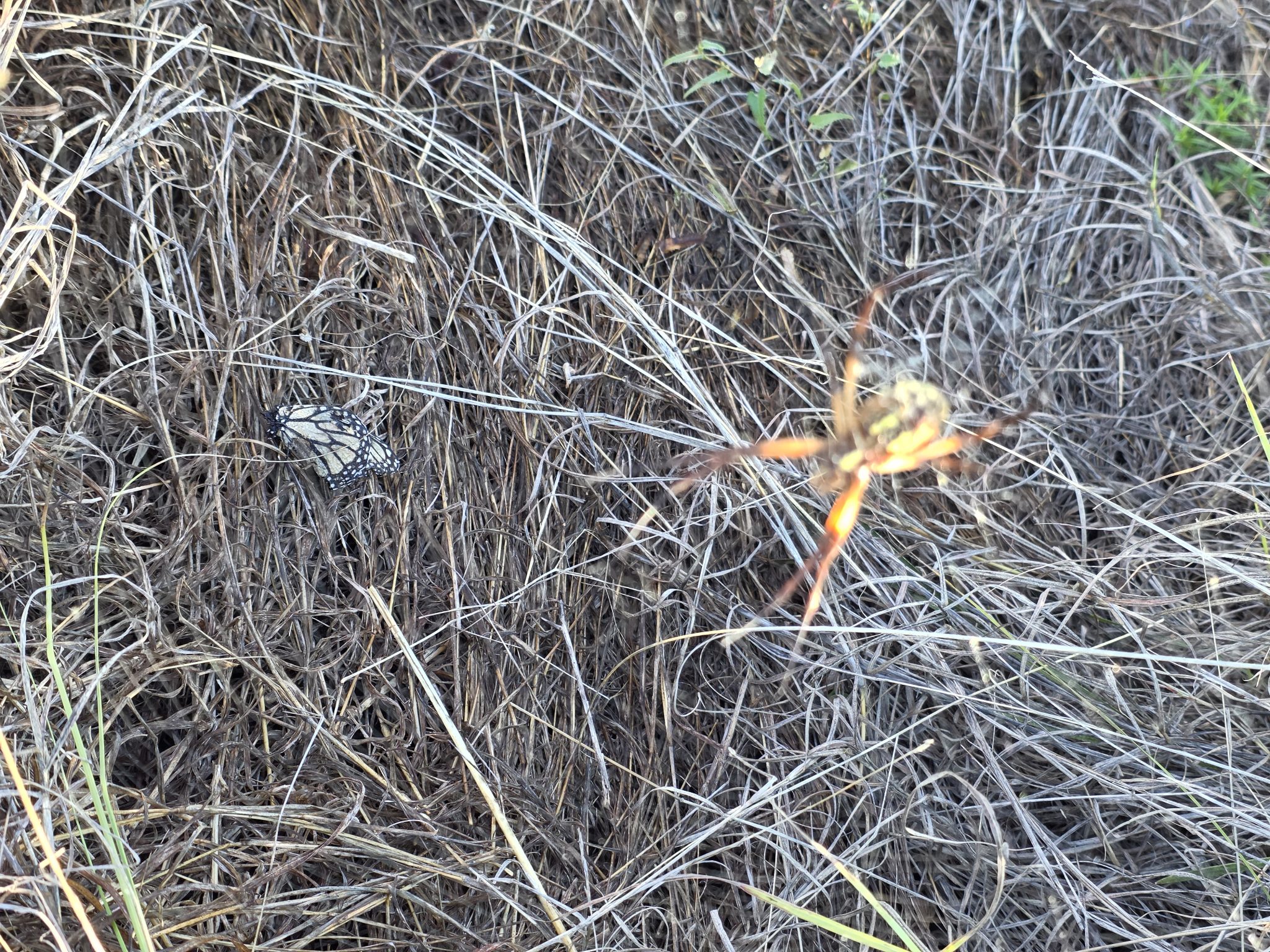
Talking about casualty, we found a deceased adult monarch attacked by an Orb-weaver Spider. It is sad, but it is nature. Spider needs to eat, too. Probably did not like it!
Sorry, the comment form is closed at this time.