01 Nov Rearing Monarch Instars Experience
As my contract is nearing its end, I cannot bid goodbye without sharing this first-time experience with all of you. It came as a complete surprise and was never part of our planned tasks. I am beyond happy to have this opportunity of rearing instars during my second internship with Environment for the Americas (EFTA).
The Story
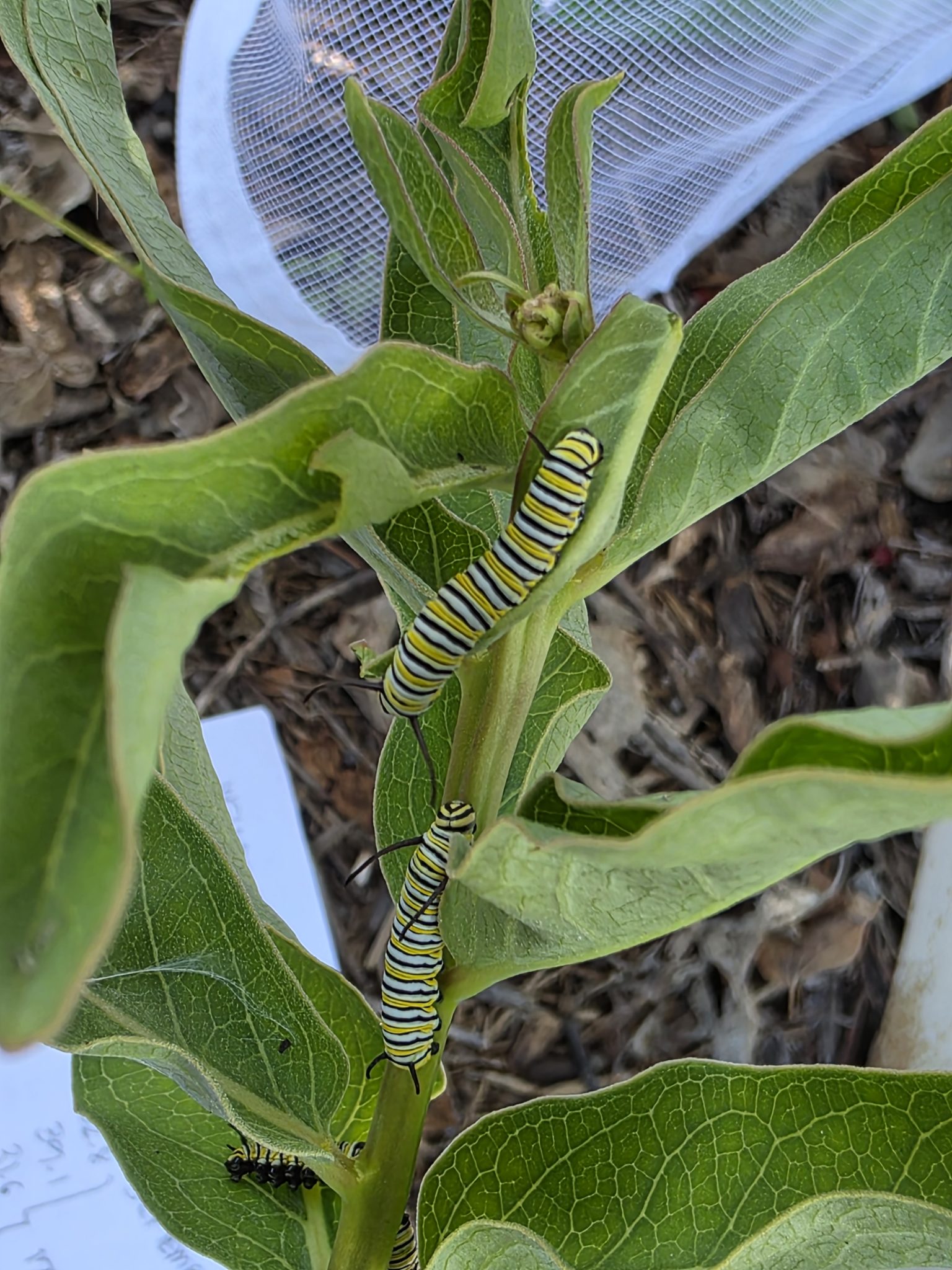
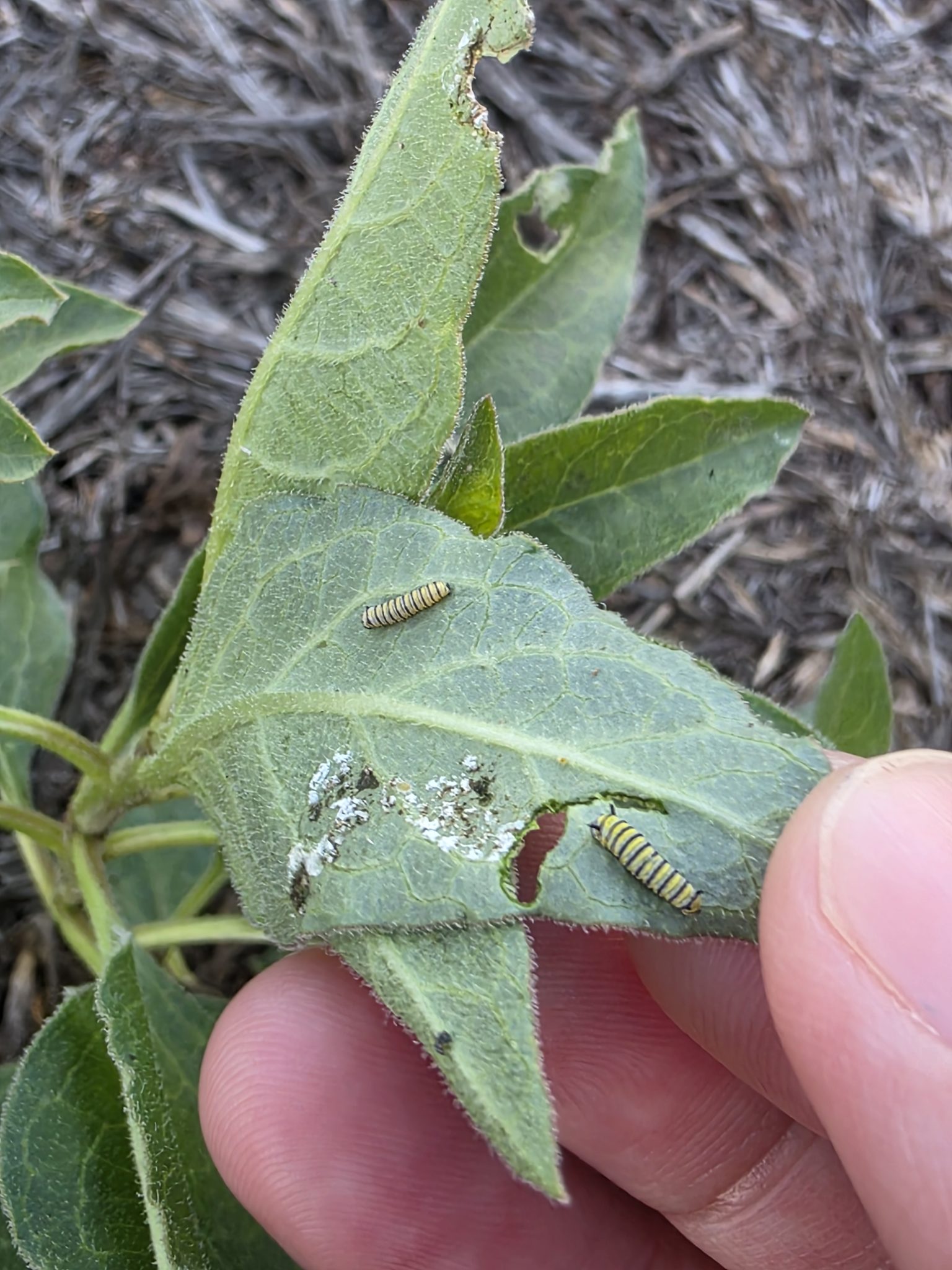
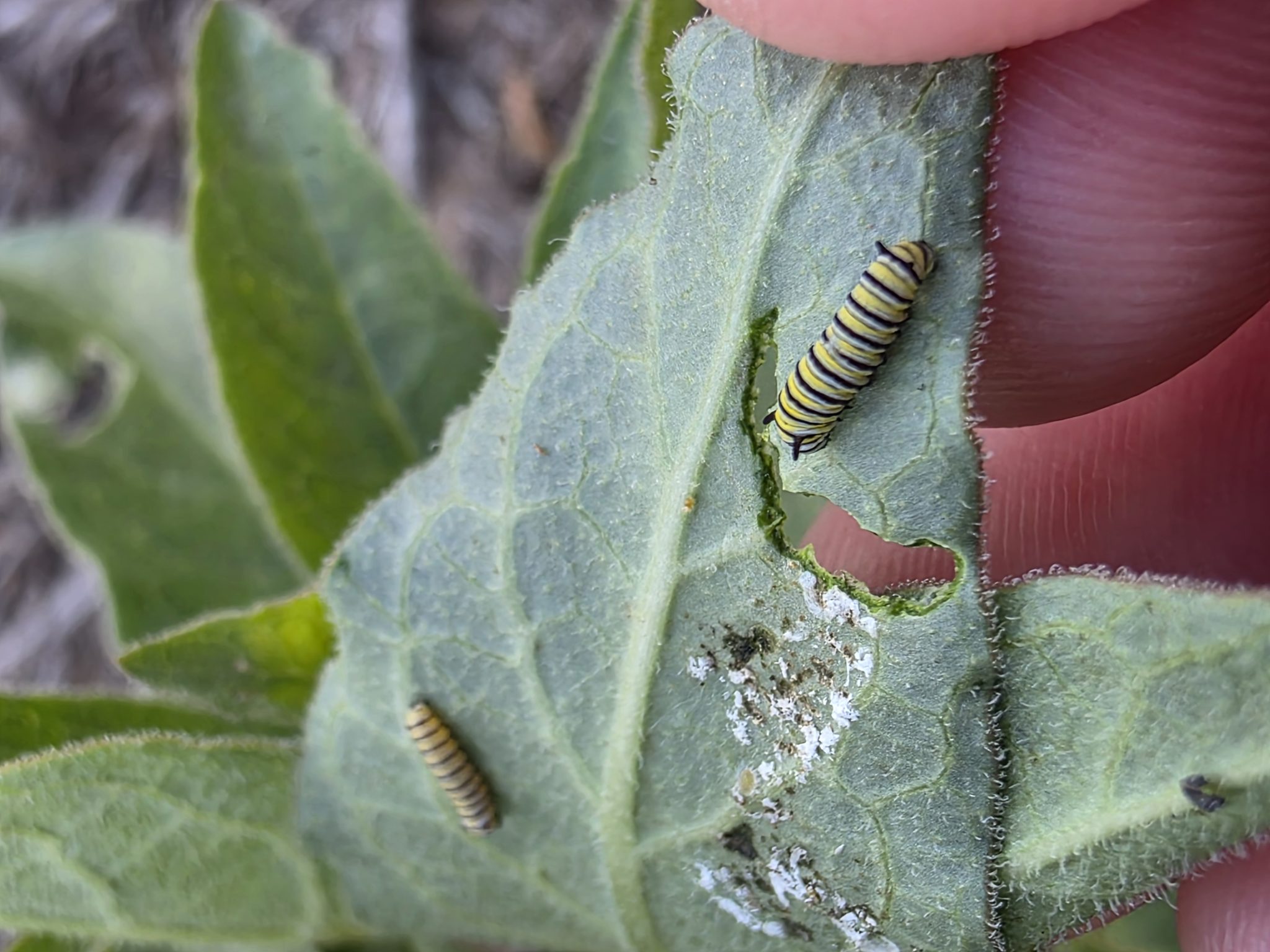
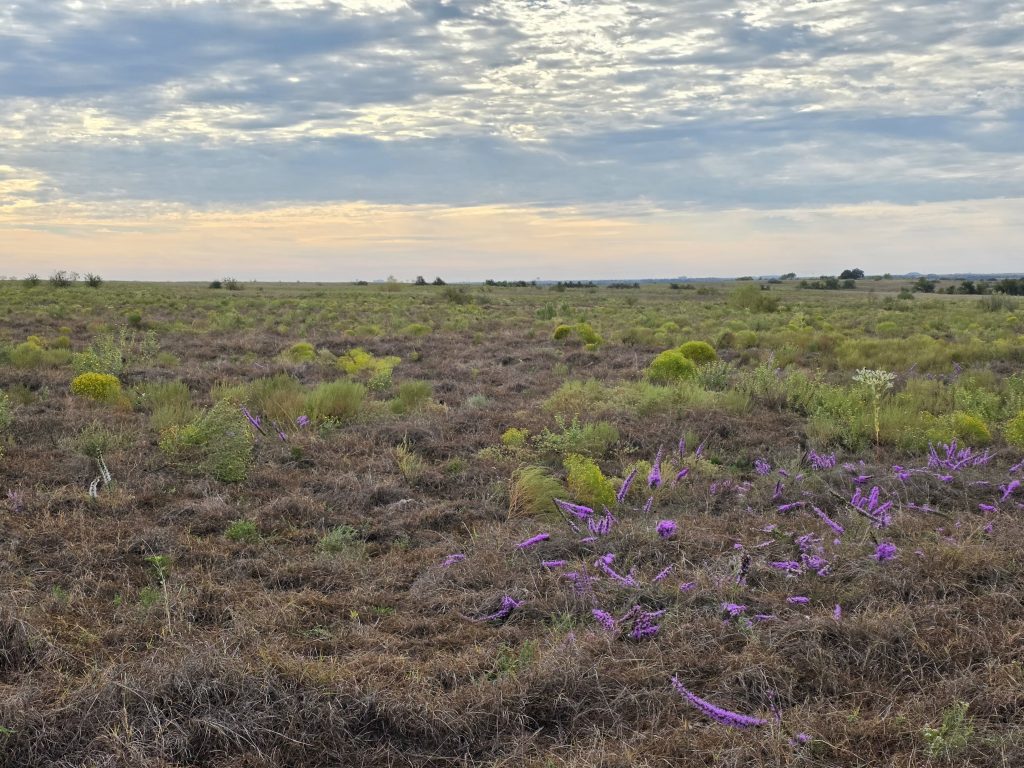
It all started in a plot we regularly surveyed, we found an abundance of milkweed (A. viridis) plants and monarchs breeding among them. We counted over hundreds of Green Antelopehorns and bunch of eggs and instars in that special plot.
None of the other 23 plots had comparable findings, so we immediately notified our Program Manager. Over the following days, we saw more monarchs and began sticker tagging, although radio tagging remained uncertain for the season. This was way different from last year’s Fall season.
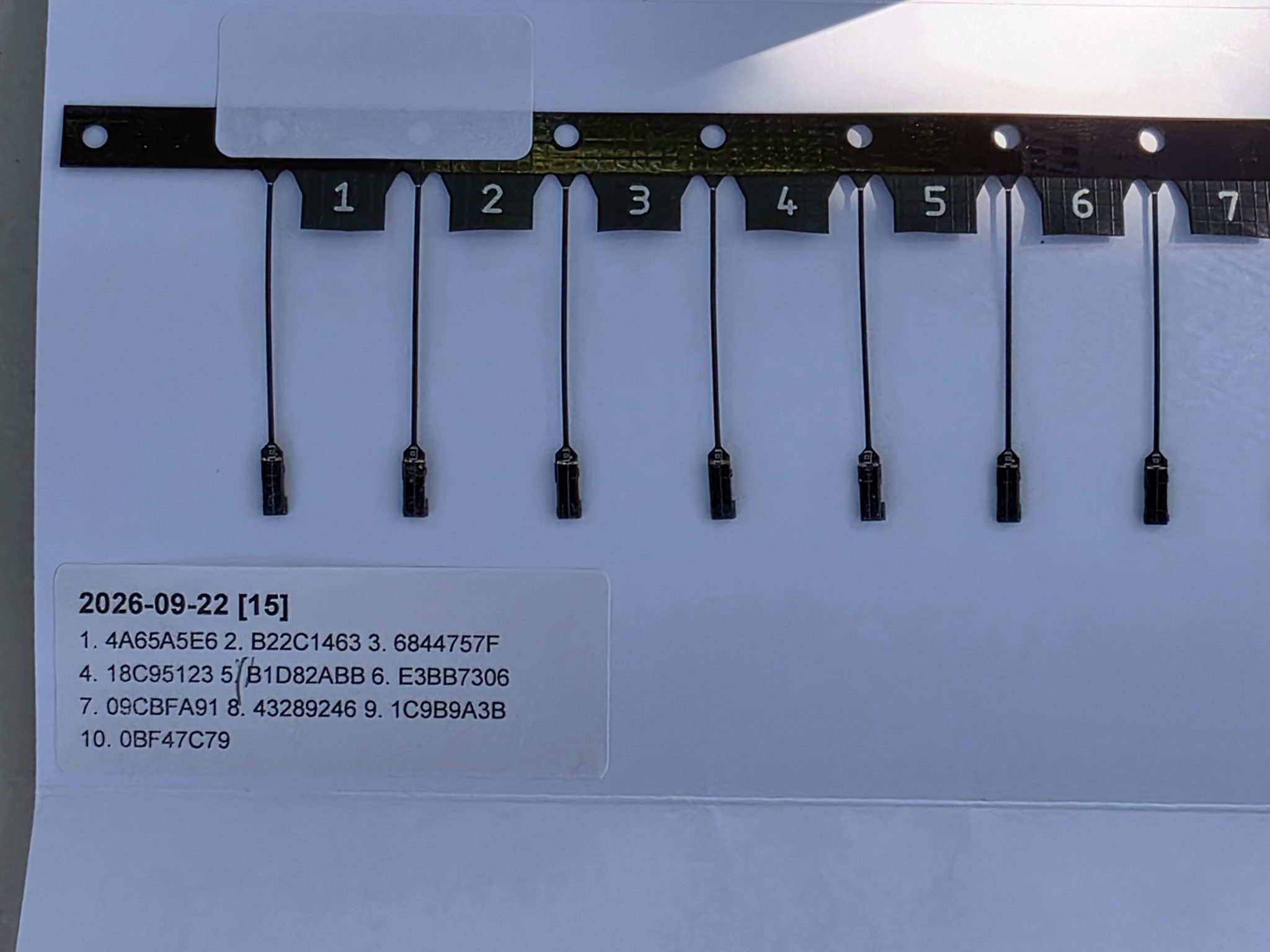
The day came when our Program Manager shared some good news: Monarch Watch would provide ten BluMorpho CTT tags for monarch tagging at Fort Hood. Out of those ten tags, five tags were used for wild-caught individuals. The rest of five tags were allocated for reared monarchs originating at Fort Hood, the location where breeding occurred. The planning for Monarch Tagging was executed and all the CTT tags and materials needed were sent.
Rearing Instars
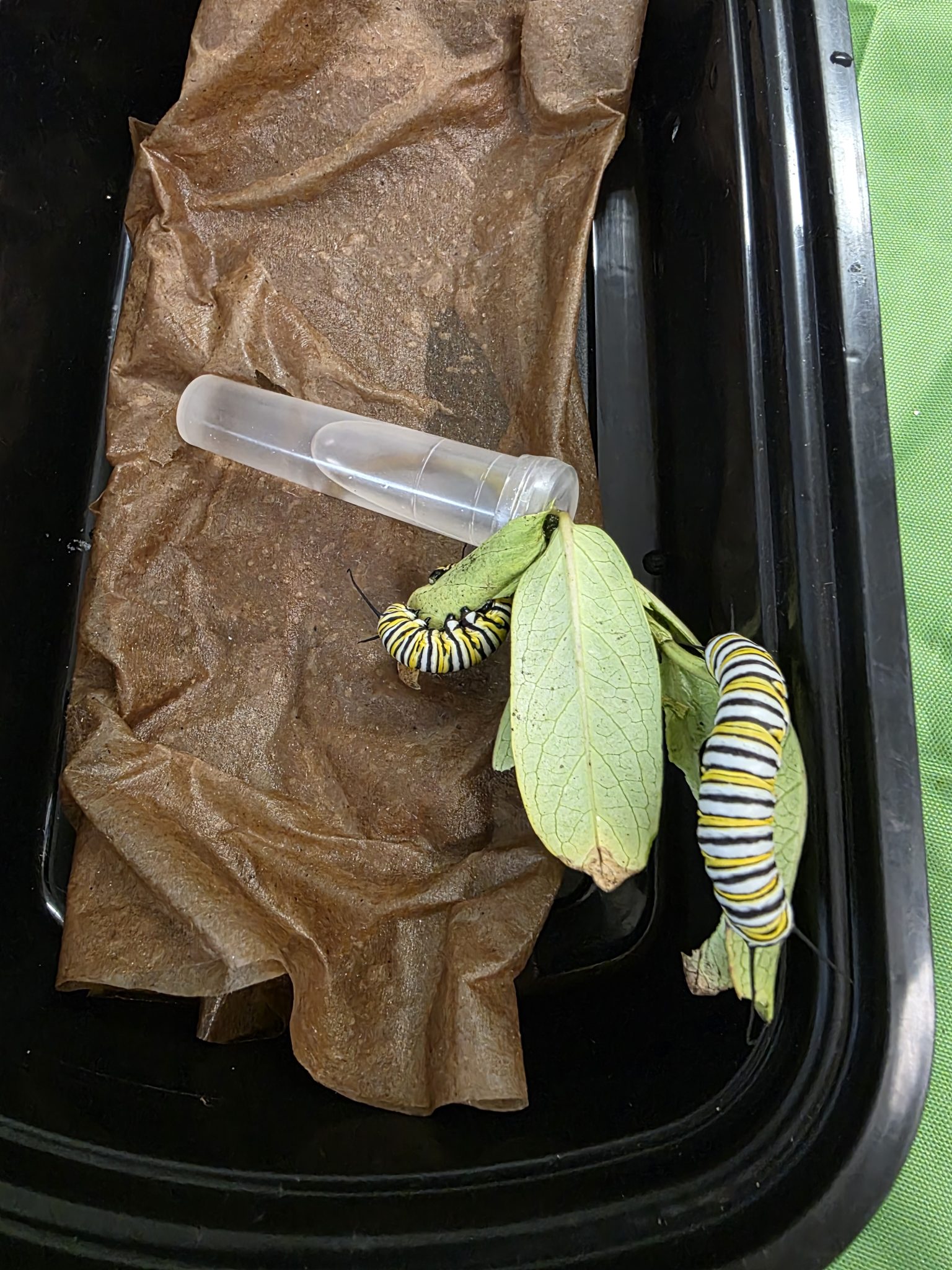
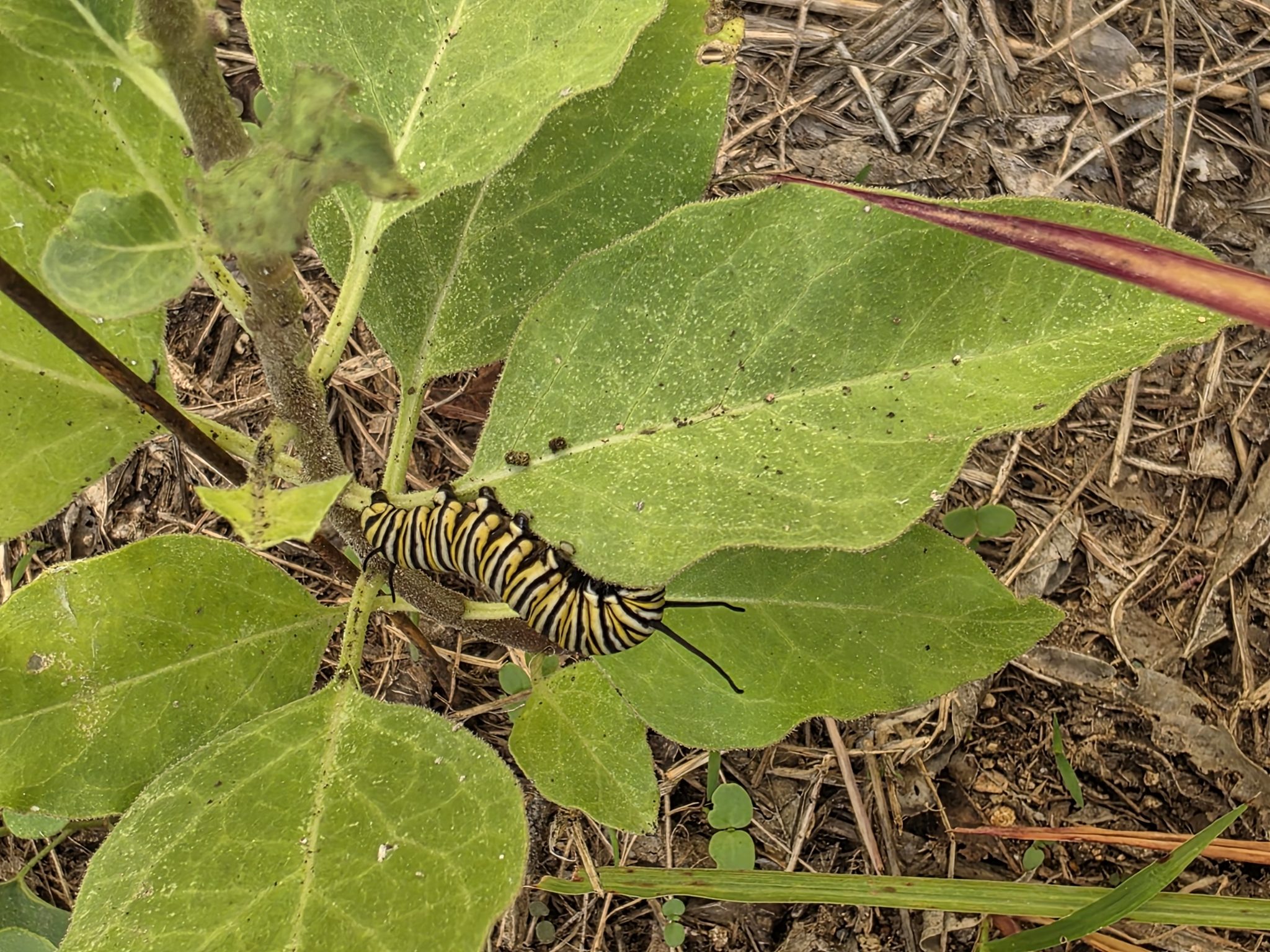
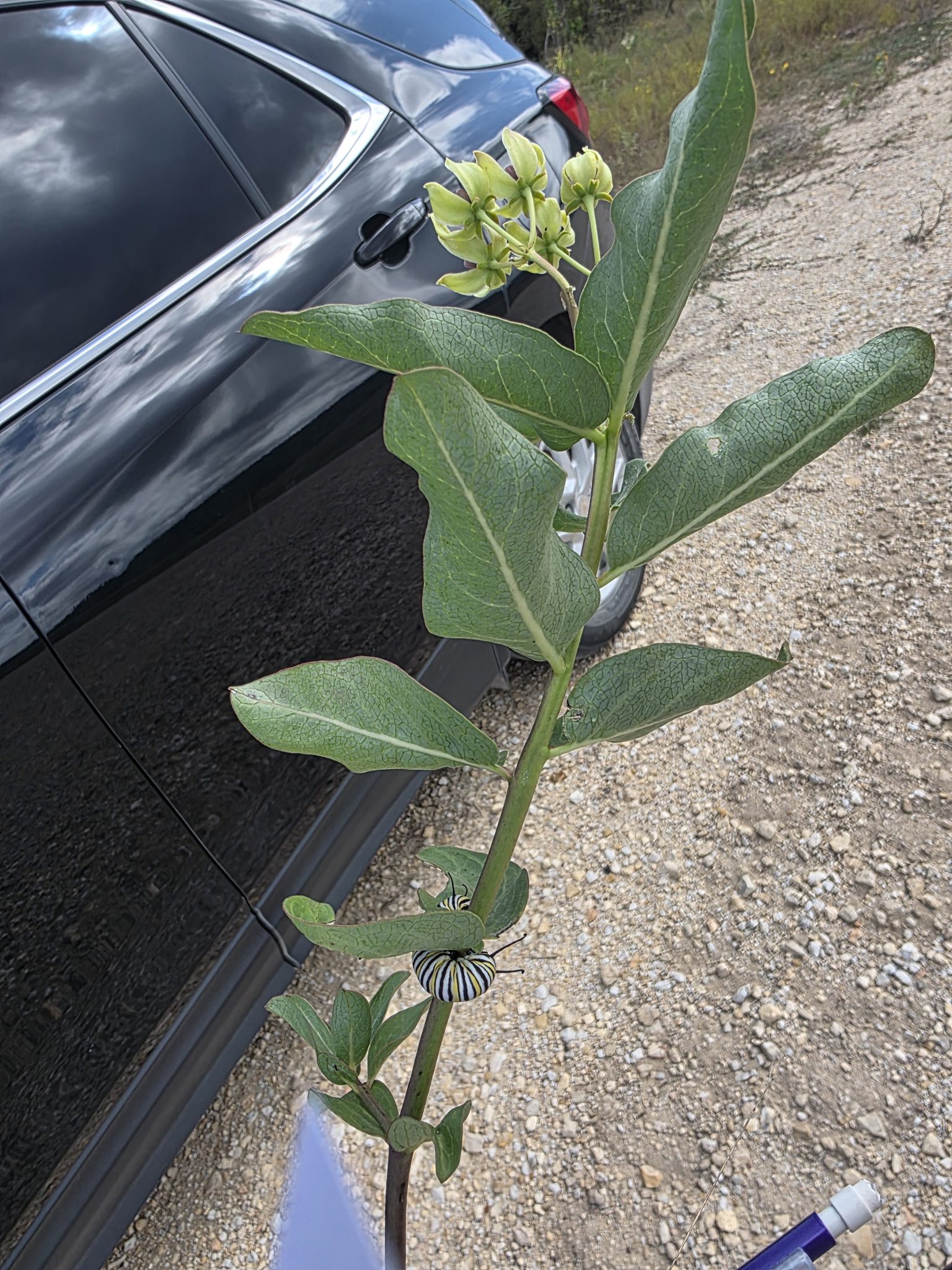
Moving forward! Our focus has already shifted to rearing instars. Since we have to follow protocols, our instars collection was only done outside the survey plot (MJV13). It is still amazing how we were able to get that number of instars to rear although it is not the preferred stages. Ideally, 4th and 5th instars are preferred because they only have few days consuming milkweed plants and then go into pupation period.
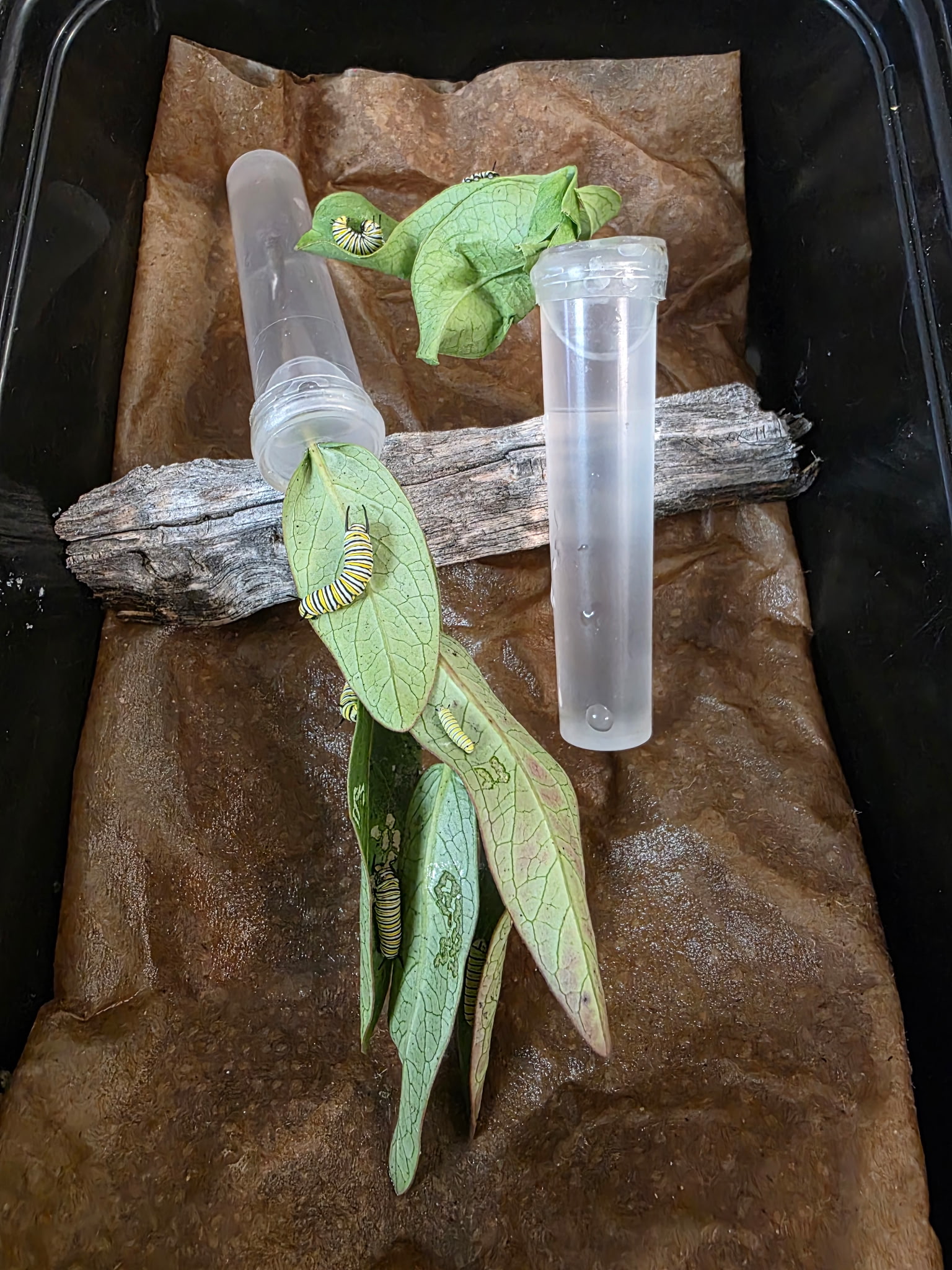
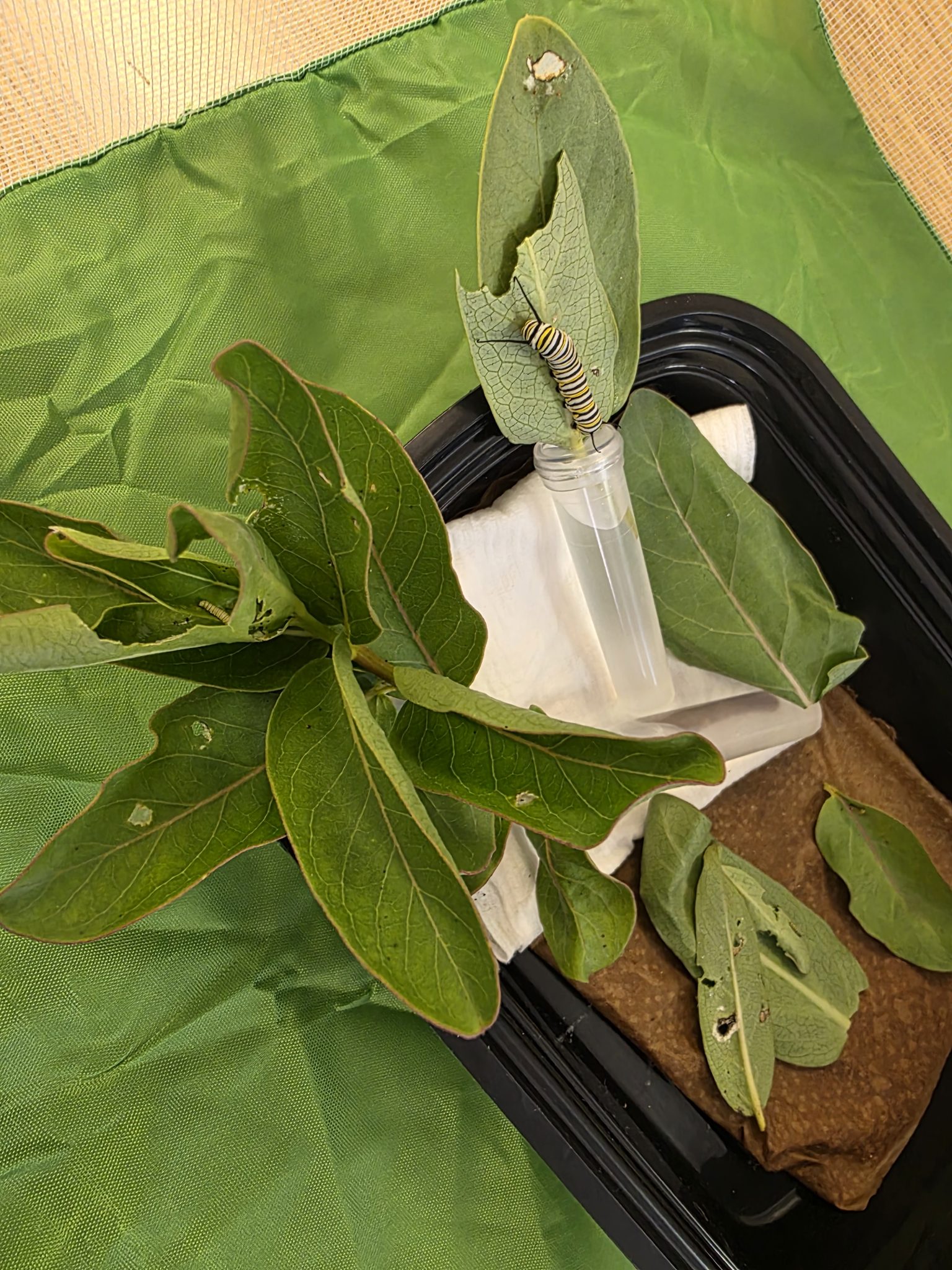
We collected and relocated mix of 2nd and 3rd instars to their temporary home. Change their old damp beds to new ones, removed frass, and fed them new milkweed plants. One day, I was surprised when there was a 1st instar on board, lol. That was odd because I did not see eggs on leaves when I took milkweed from the field and placed it on the enclosure. I had probably missed it.
The routine of checking and making sure they are fine continued. Then cannibalism happened. Few instars disappeared inside the enclosure. No molts were mixed in the frass. This happens when large instars like 4th and 5th are mixed with smaller caterpillars. There were no 4th and 5th mixed in by that time they were relocated. One way or another instars were eaten.
Saving instars not to get mowed and vanished
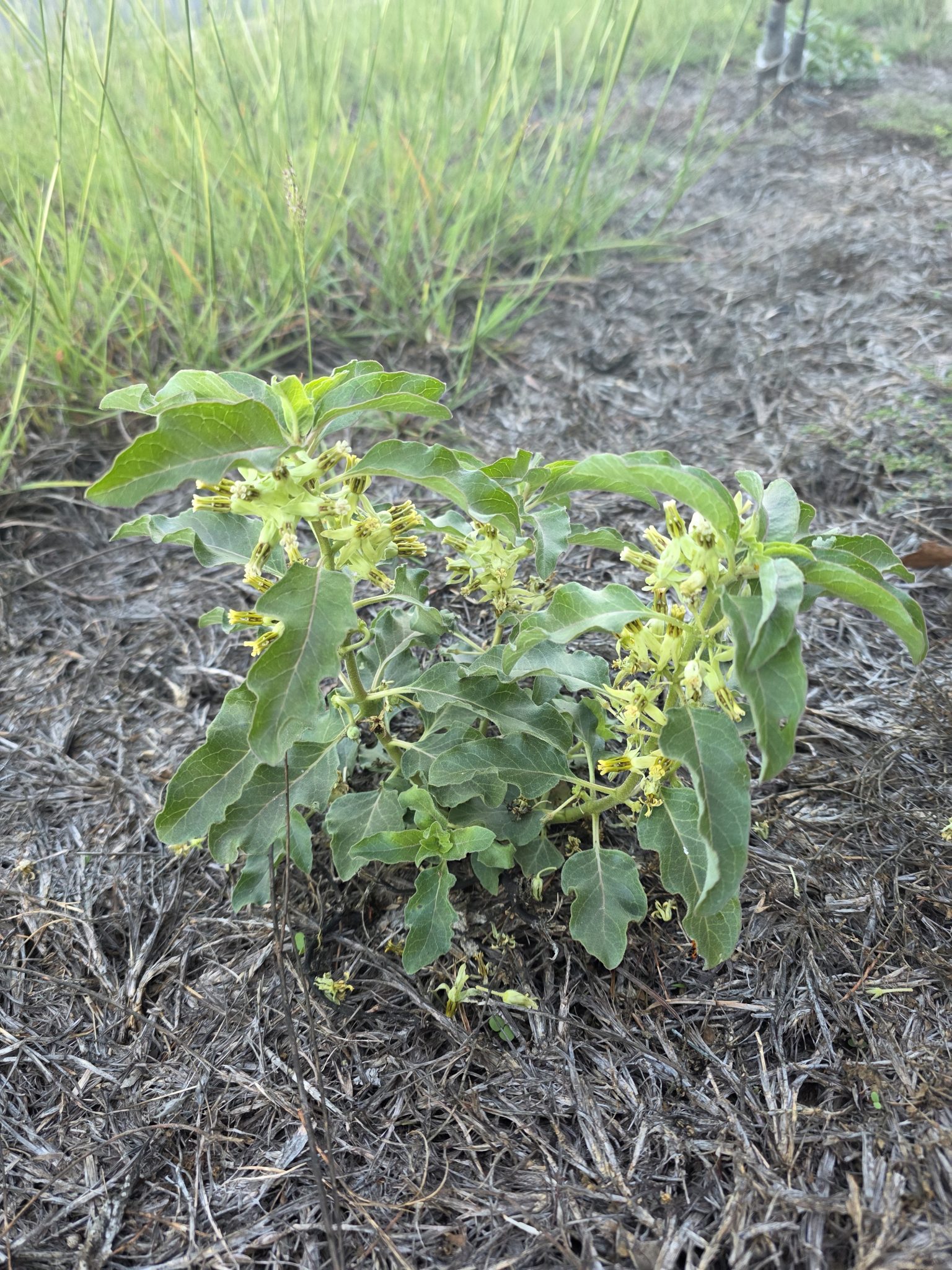
Like you, I love spending much of my free time outdoors. One Saturday, while walking around my neighborhood, I spotted Zizotes milkweed along the road. Something told me to take a closer look—call it curiosity or intuition! When I returned to check the plants, I found five monarch caterpillars.
Because homeowners frequently mow that area, I was concerned that the caterpillars were at risk. I brought them home to rear them and give them a chance to survive. Luckily, I had several Zizotes milkweed plants growing in my backyard, so I had enough food for them for the next couple of days.
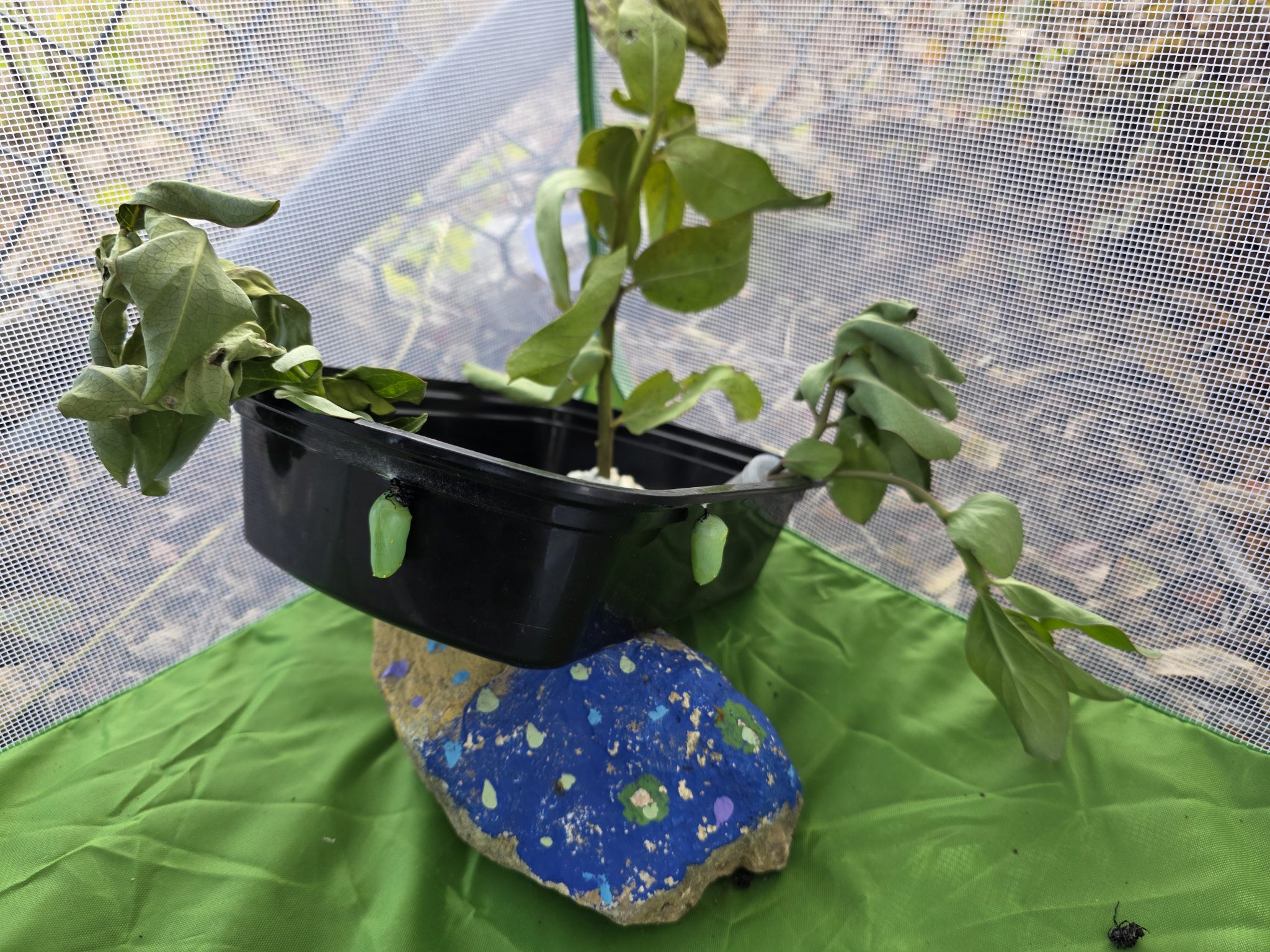
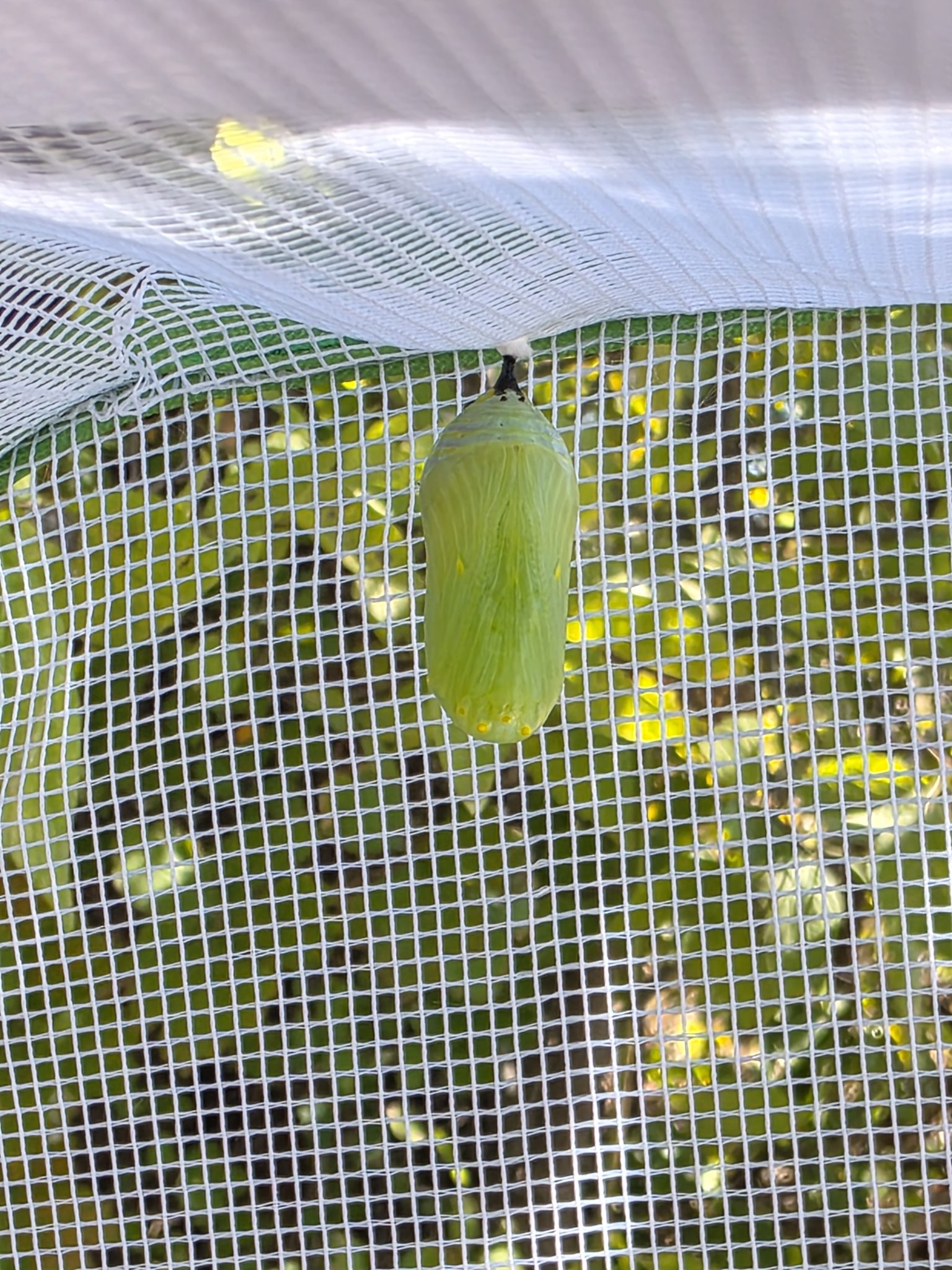
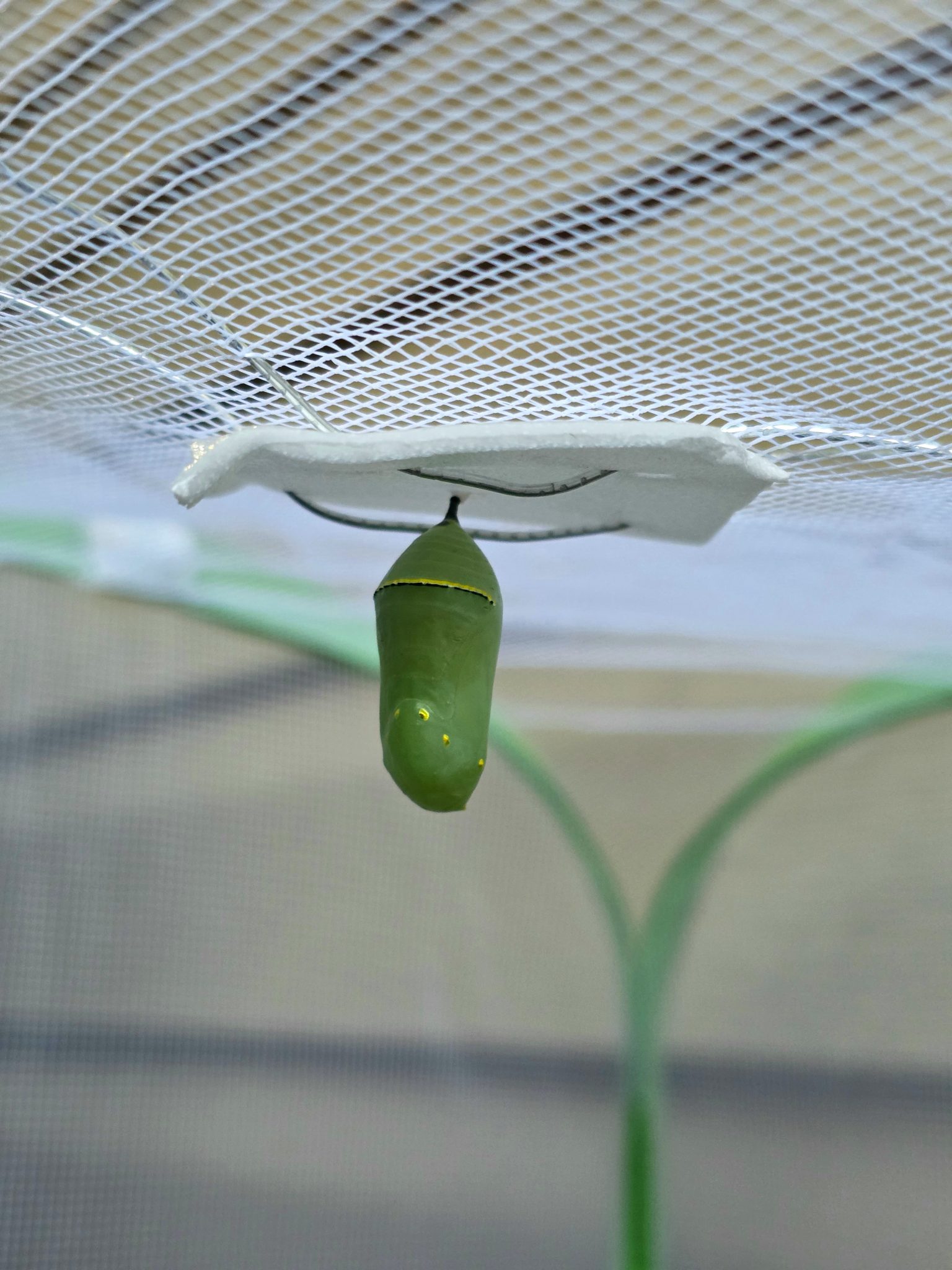
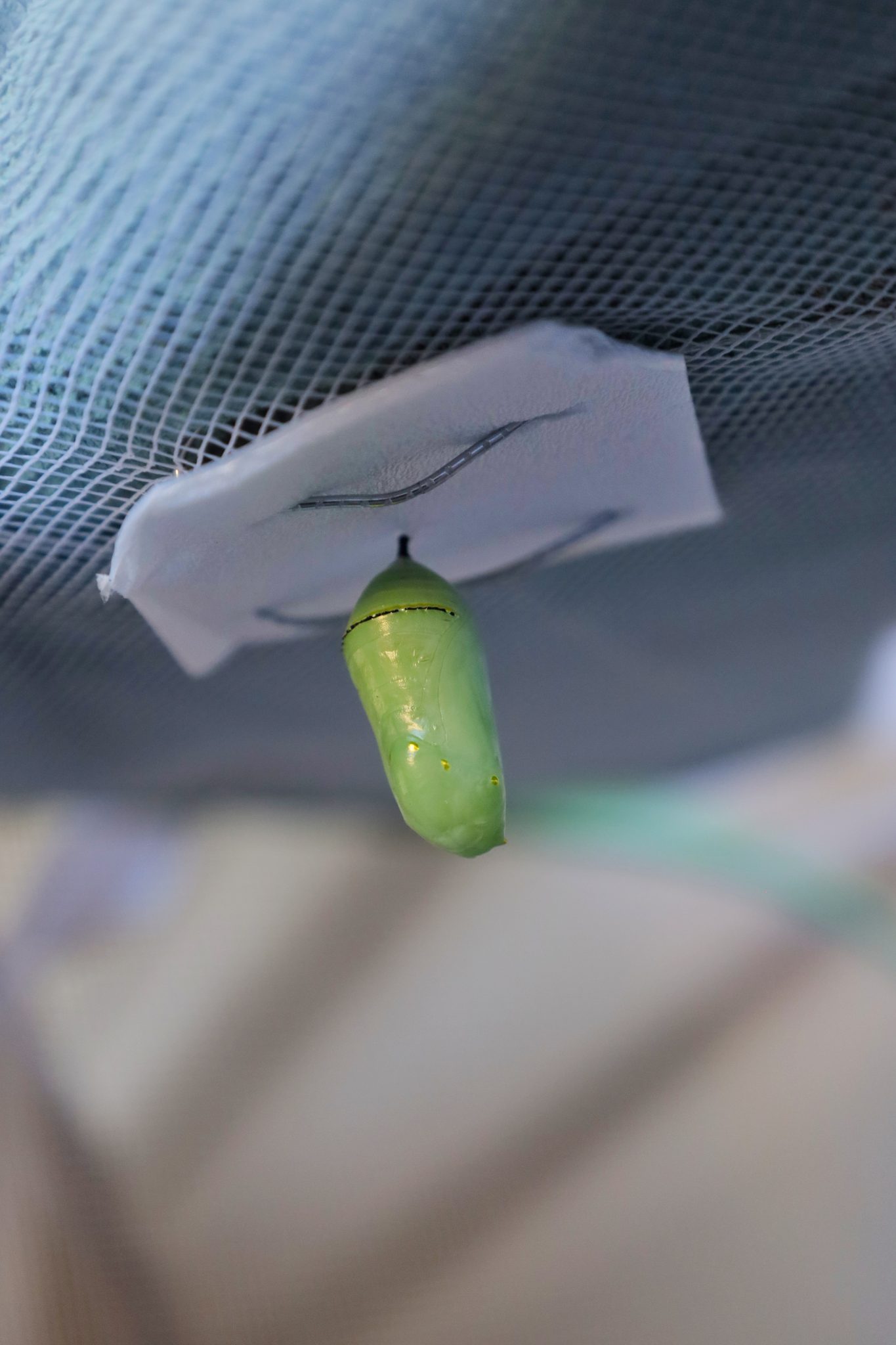
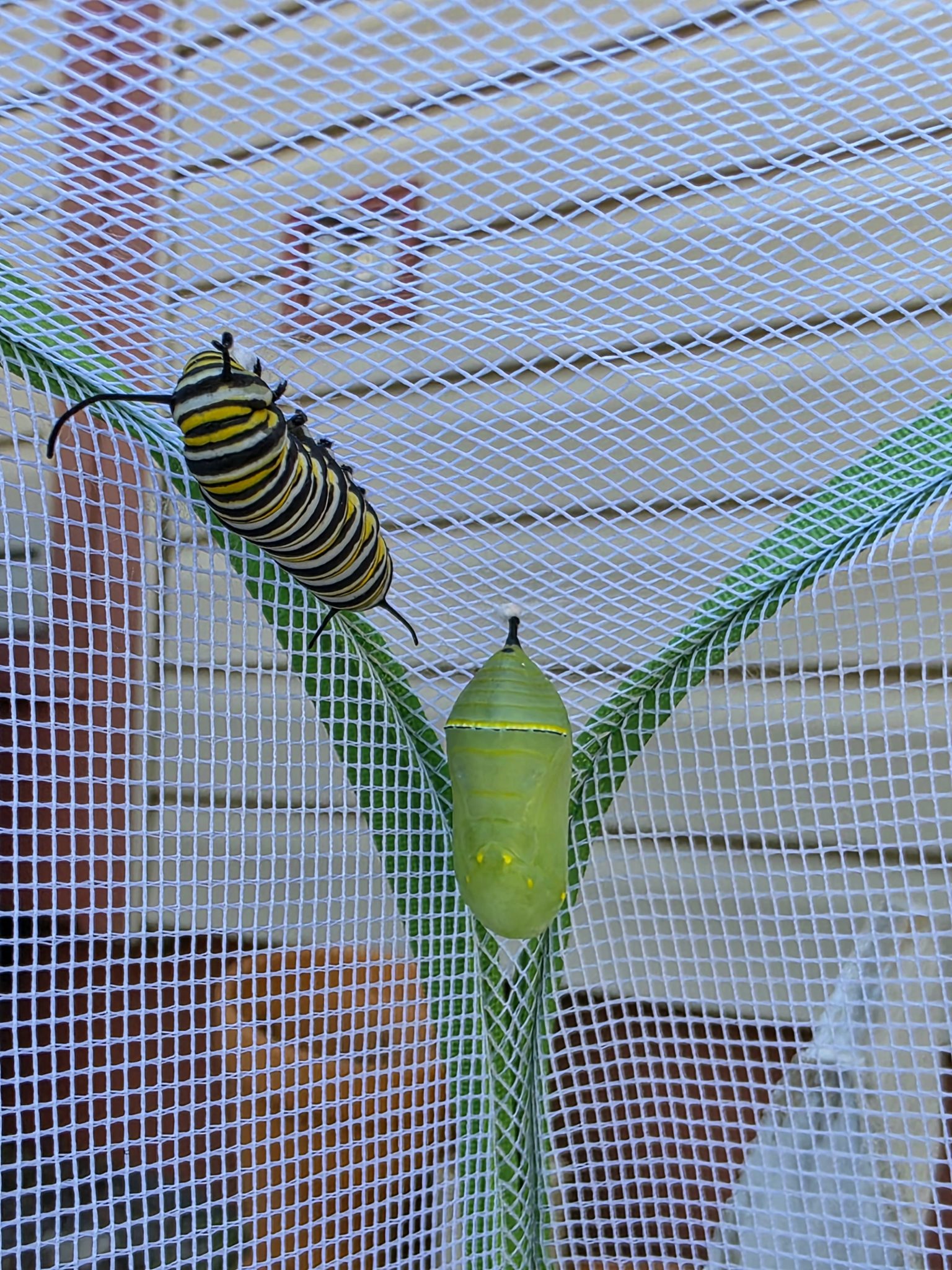
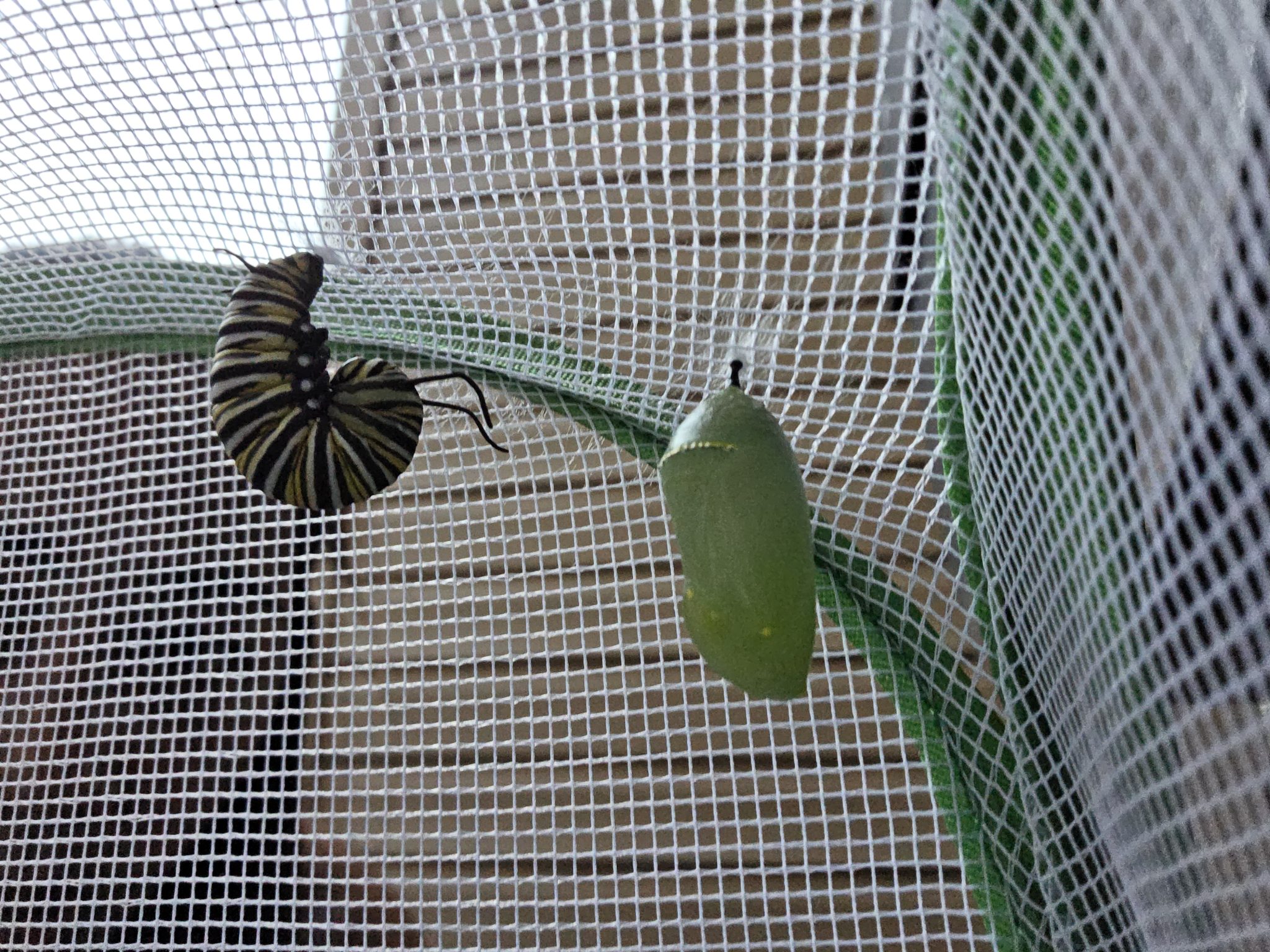
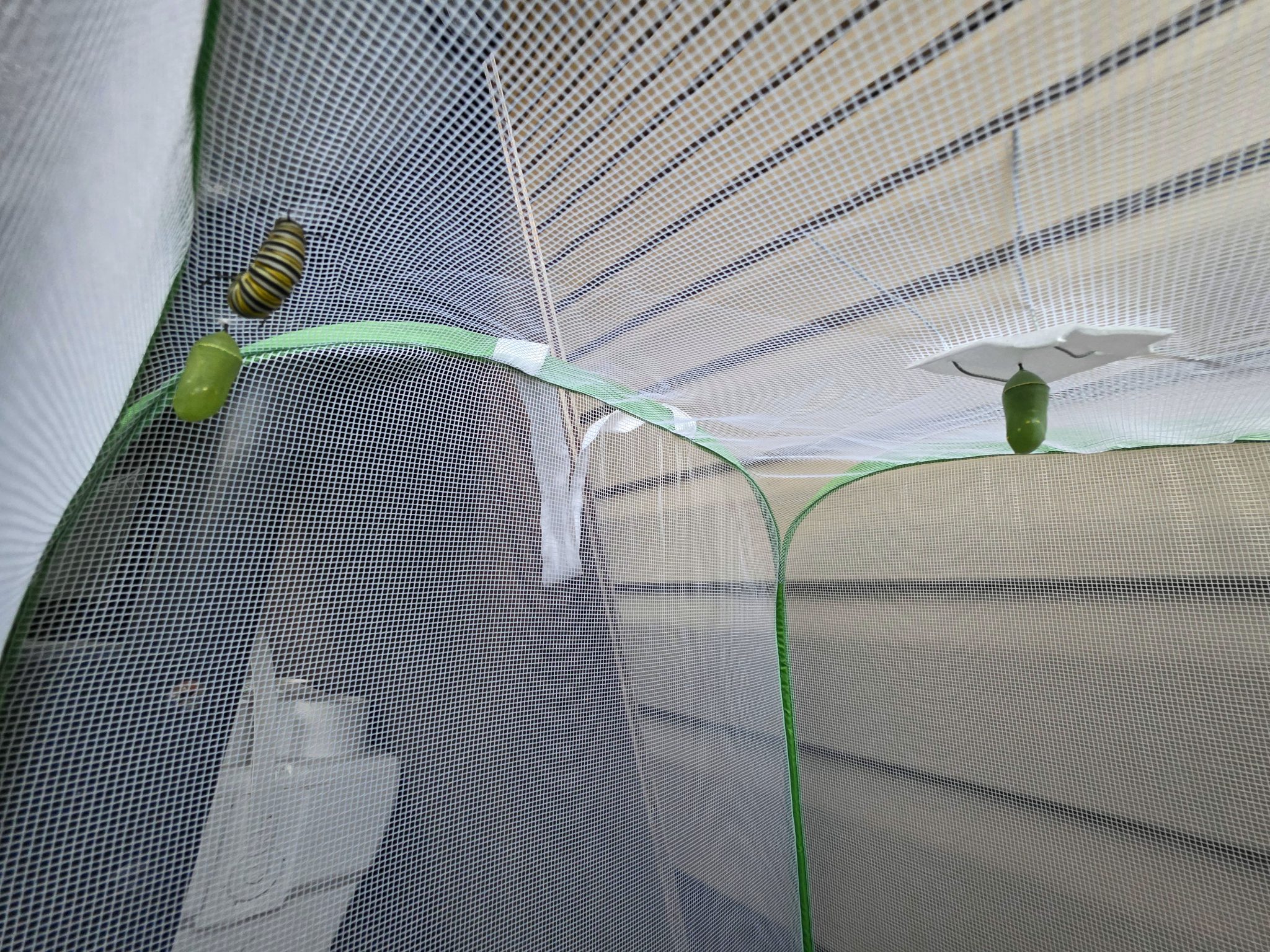
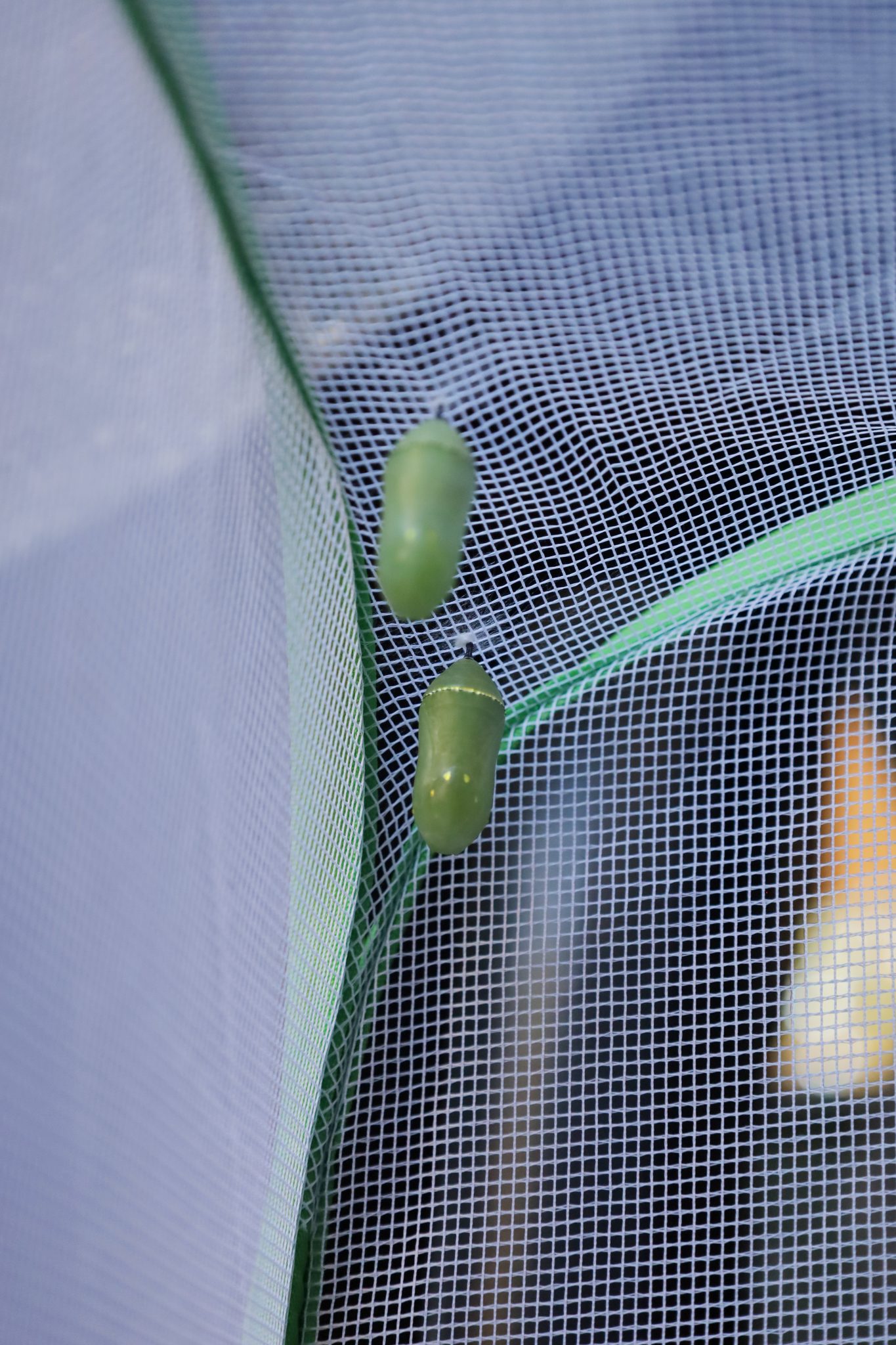
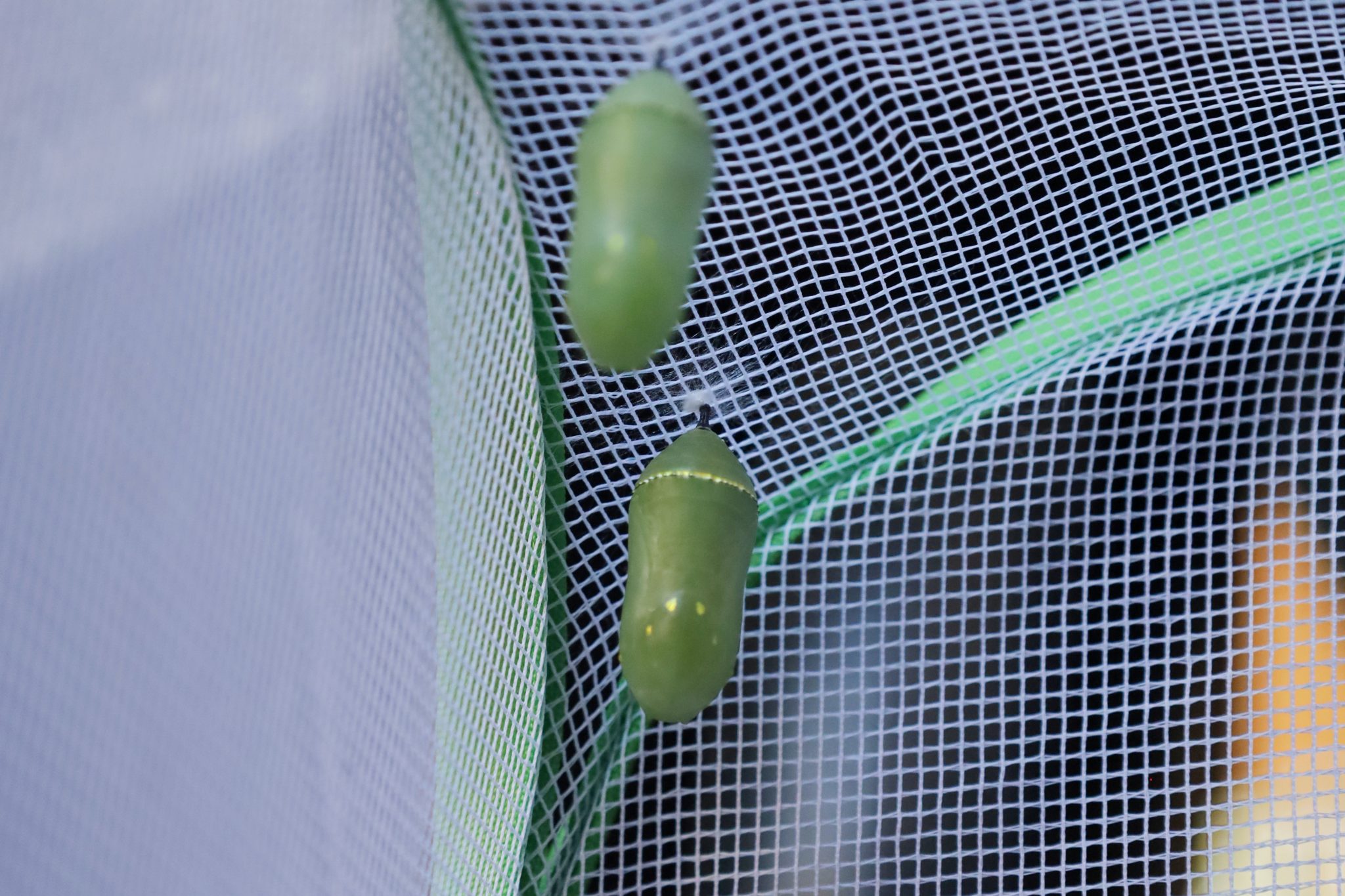
I now have three bright jade-green chrysalises in a mesh cage. Giving them a safer place to grow has filled me with hope and pride. It is my small way of helping them survive, with the hope that they will one day fly to Mexico. I care for them and it brings me so much joy, and if I find more caterpillars that need saving, I will willingly do it again!
These beautiful chrysalides will emerge as adult monarchs within three or four days of this blog being written. I wish I could show you the transparent stage of chrysalis that shows the black and orange pattern of the wings. But my hope is that they emerge healthy and free of deformities.
Basic things to consider
Rearing may seem easy and I would say yes, only if you are patient and committed enough to take care of them like babies. Just make sure you provide them with a clean and temporary safe space. Make sure you have access to their food (milkweed) so there is no food shortage.
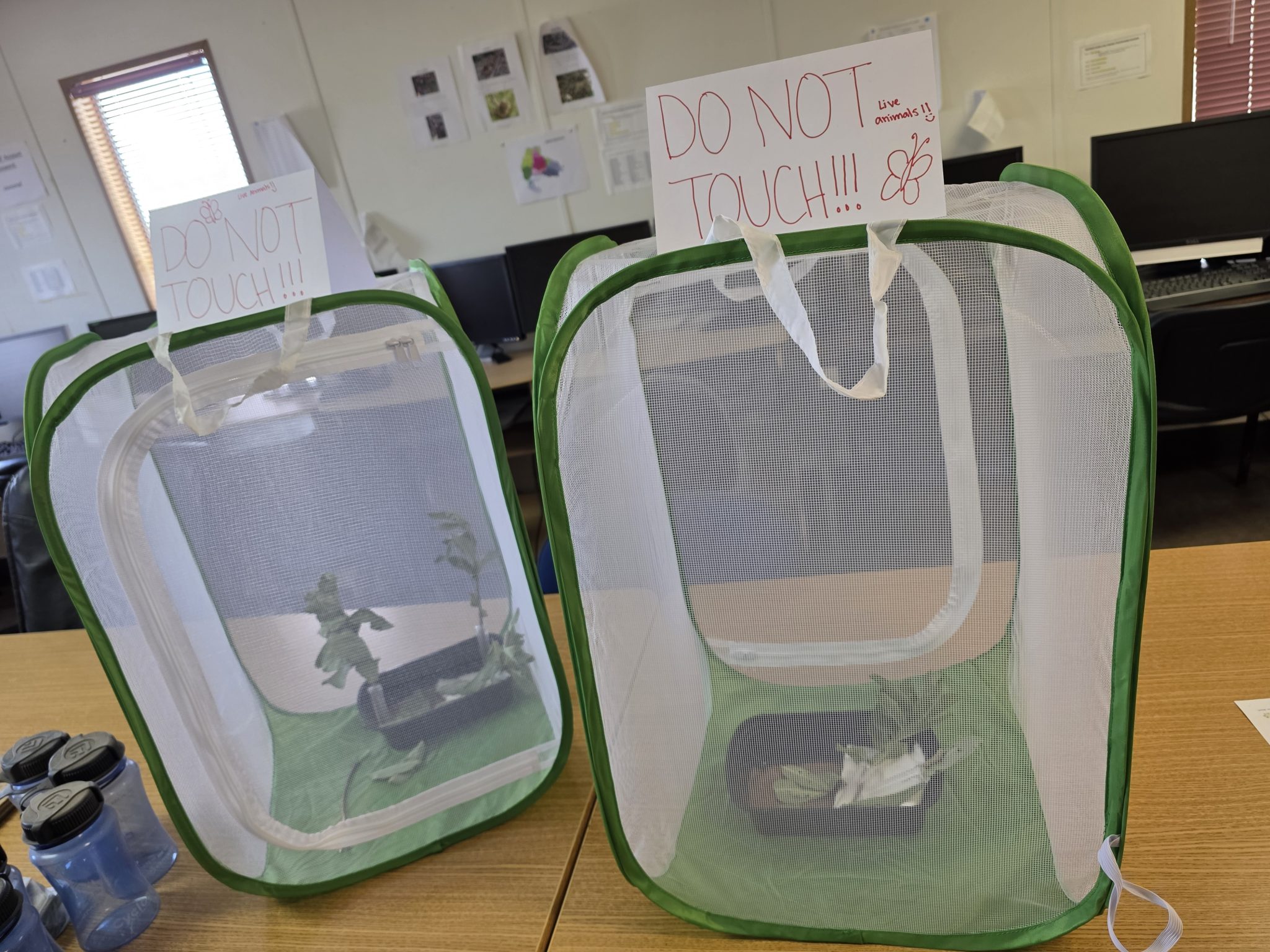
Caterpillars must be placed inside a mesh (cage) enclosure so they will not wander and lose them. Place cage outside with sun exposure. This maintains their internal navigation compass and gets that natural warmth. Always clean and replace old milkweed with a new one.
The best part is to document their growth because it is exciting. Take pictures and record observations.
Radio Tagging Wild-caught Monarchs
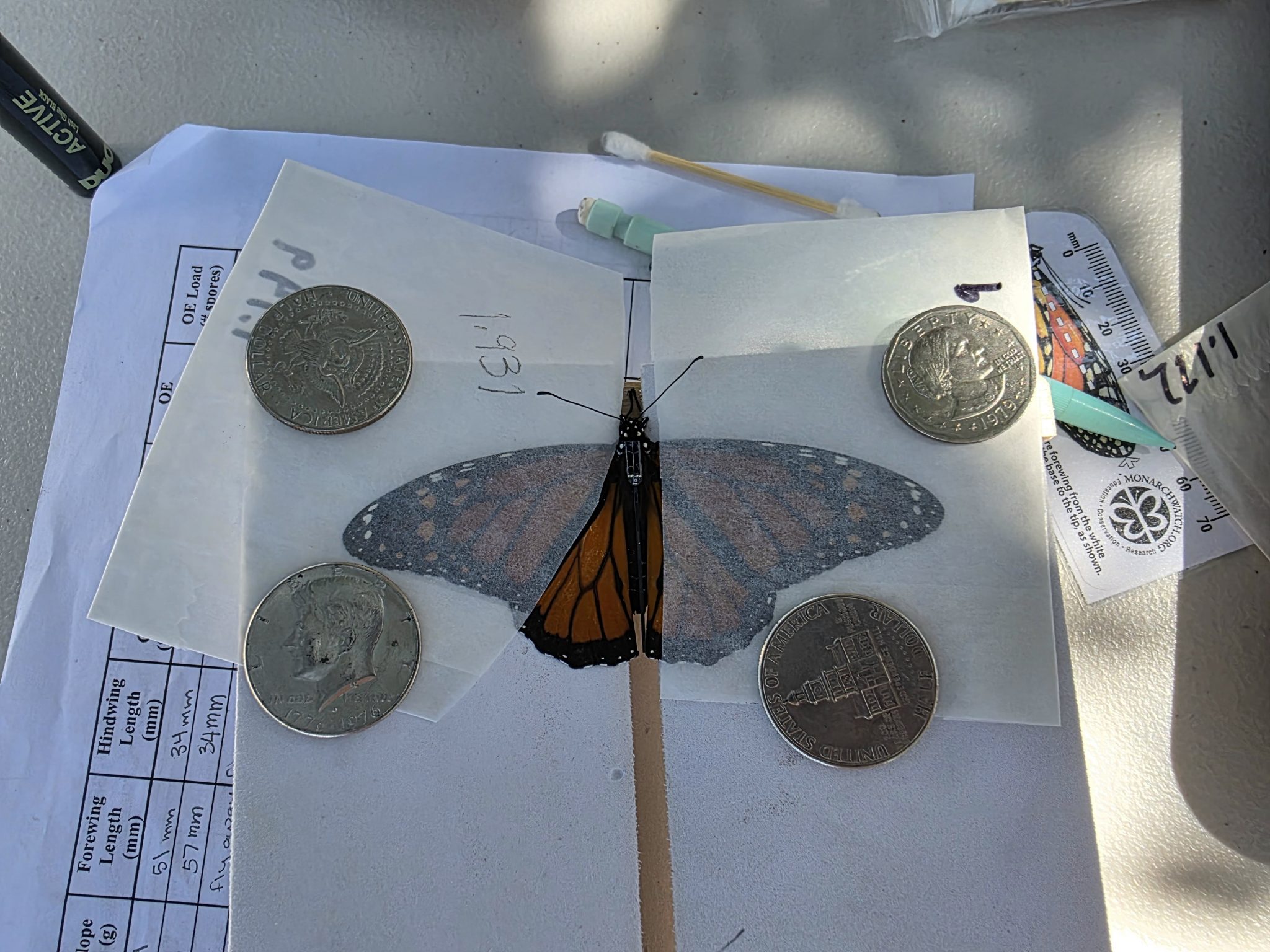
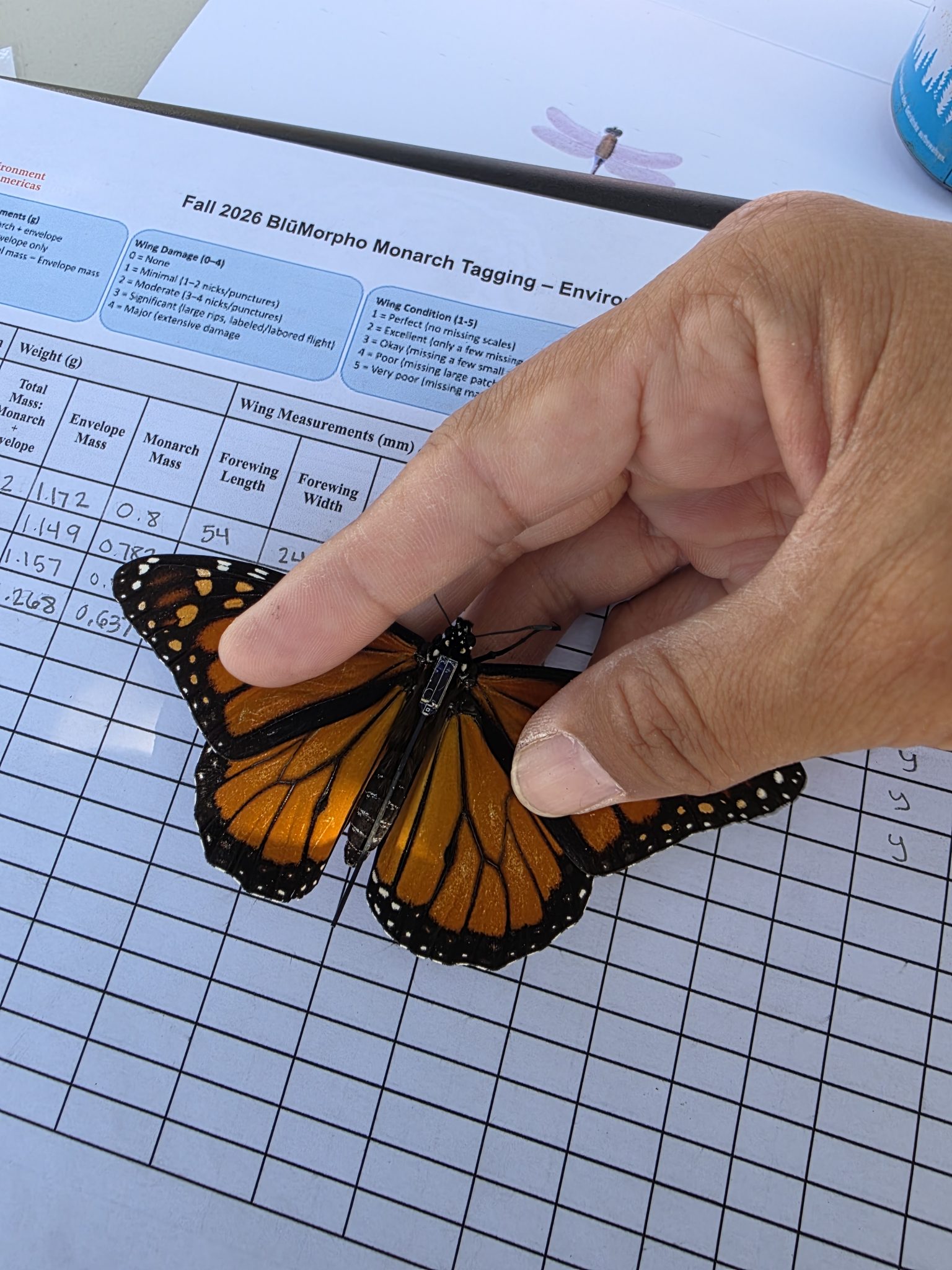
On October 20, 2026, we assessed the overall physical health of first batch of monarchs: two male and three female monarchs. The assessment included wing condition and damage, wing measurements, body weight, and OE testing. Our team successfully attached solar-powered radio tags to the thoraxes of all five monarchs and released them.
All of them were eager to take flight that they then disappeared into the beautiful blue sky and set off on their journey toward Mexico.
The next tagging goal of healthy adult monarchs from reared instars will be in the first week of November 2026.
Sorry, the comment form is closed at this time.