


02 Nov Bee You Later!
Hello everyone!
Well, the time has finally come. My internship officially ends on Friday, October 23, so I think a proper farewell is in order.
When I first moved to Michigan, everyone had suggestions about where I needed to go. “You have to visit the UP!” came up a lot, along with Mackinac Island and plenty of other places I could barely locate on a map. Now, at the end of this season, I can say I’ve been all over, even to Beaver Island. That last one has surprised quite a few Michiganders who tell me they haven’t had the chance to visit themselves!
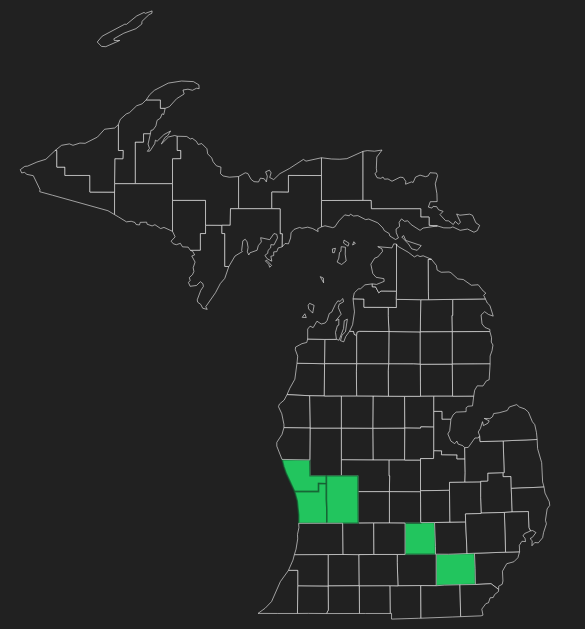
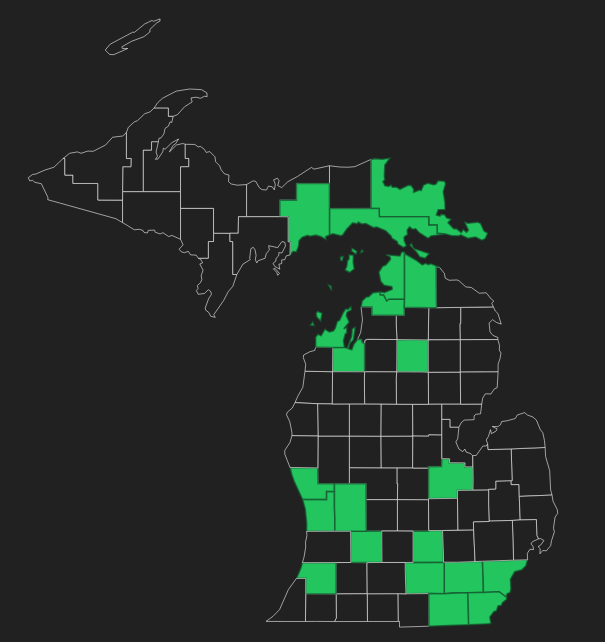
There’s something wonderful about getting to know the place you live well enough to join those conversations. This internship has given me a remarkable introduction to Michigan, and I know there’s still so much to see.
A Review of the Season!
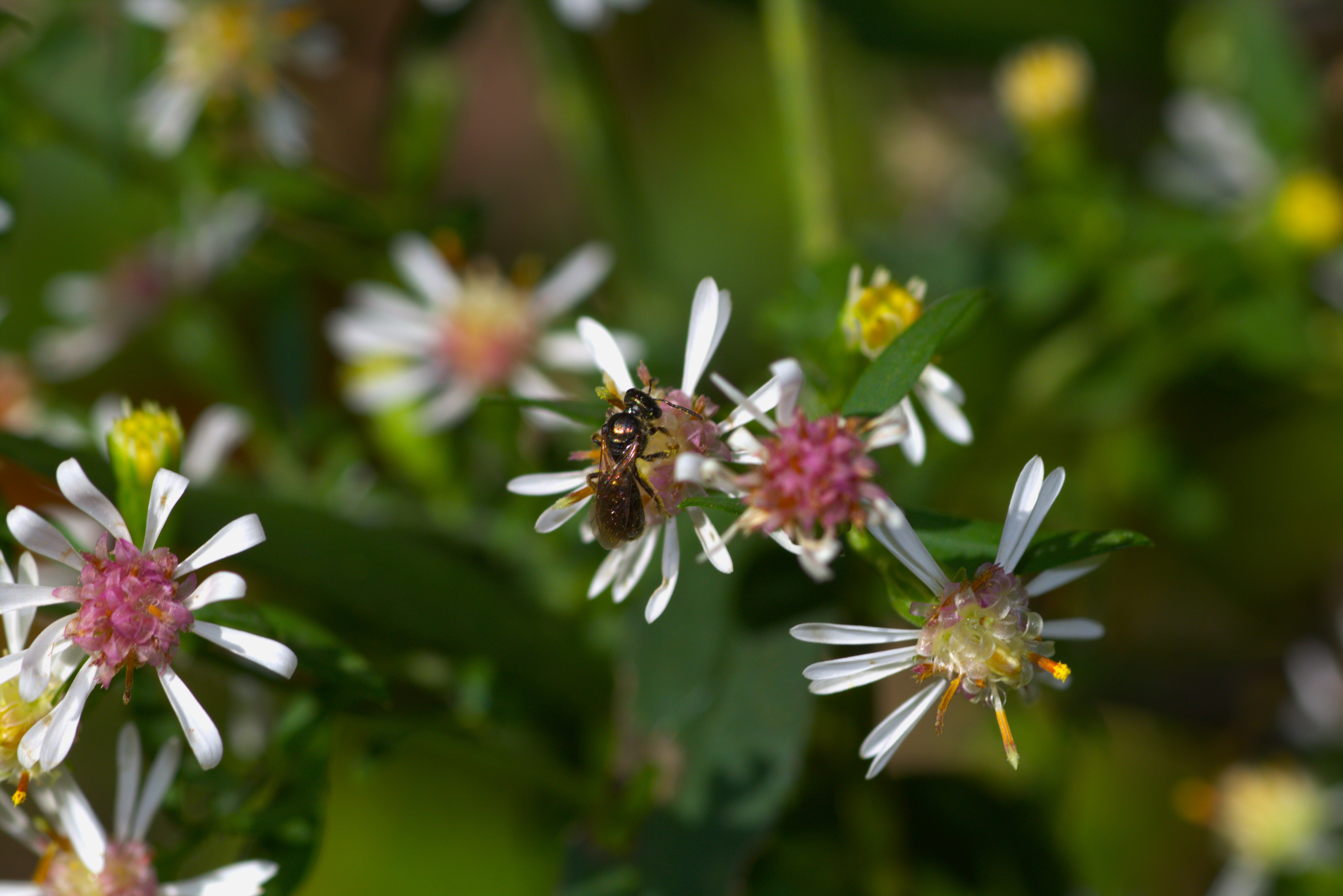
Much of that exploring happened while I worked on my two projects: studying the insects associated with Michigan monkey-flower and testing floral environmental DNA, or eDNA, alongside the Pollinator Task Force’s traditional bee surveys.
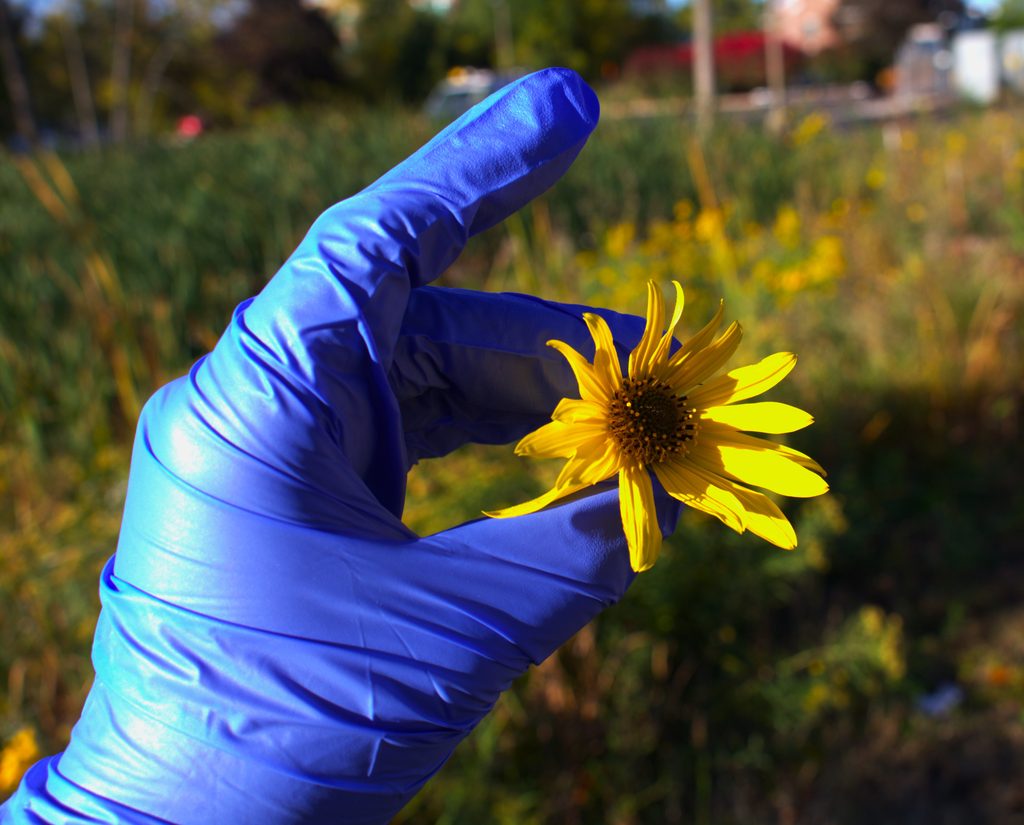
Across both projects, my fieldwork covered 25 sampling locations and transects, with 54 eDNA collections over the season. That included 11 Michigan monkey-flower locations in the northwestern Lower Peninsula and along Lake Michigan in the Upper Peninsula, along with 14 pollinator survey transects across nine National Wildlife Refuges and Waterfowl Production Areas in Michigan and Ohio.
Those surveys brought me to places like Seney, Shiawassee, and the Detroit River International Wildlife Refuge, as well as Ottawa National Wildlife Refuge in Ohio. We worked in wetlands, prairie remnants, restoration plantings, and along Great Lakes shorelines. Some days called for waders; others involved walking through open fields with a net, tracking the bees and the flowers they visited.
Returning to places throughout the season was one of my favorite parts. I visited Seney at three different points in the growing season and saw how much the flowering plants changed between trips. Traveling between southern Michigan and the Upper Peninsula also let me notice how differently the season progressed depending on where we were.
Of course, collecting flowers was only the beginning of the eDNA work. Afterward came filtering the water samples, preserving the filters, cleaning equipment, and keeping records so everything could be traced back to where and when it was collected. By the end, I had collected and processed 103 sample vials, including controls, which I delivered to the U.S. Army Corps of Engineers for analysis.
The DNA results are still to come, so I can’t yet share what they’ll reveal. But it’s exciting to think that flowers we collected across all those places may help us learn more about Michigan monkey-flower and how we study pollinator communities.
Reflections:
When I was applying for positions earlier this year, I hoped this season would help me become a stronger candidate for whatever came next. I didn’t yet know exactly what that next step would be. My undergraduate degree is in linguistics, and transitioning into biology has meant figuring out which opportunities were open to me while building the experience to pursue them.
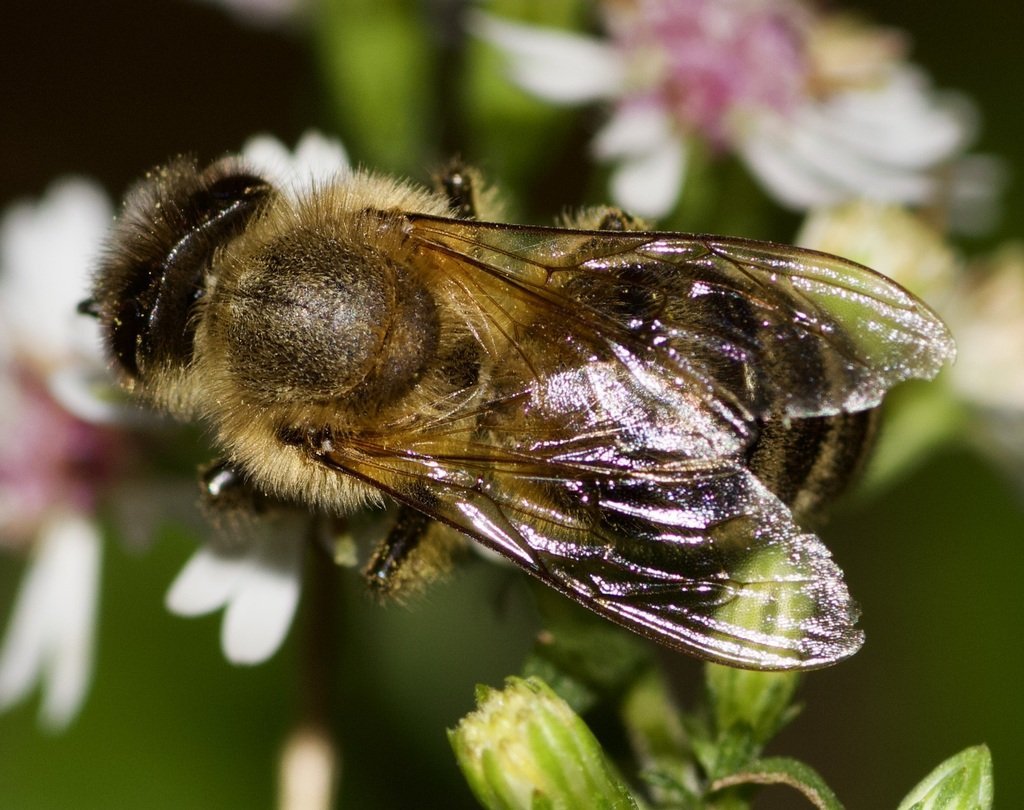
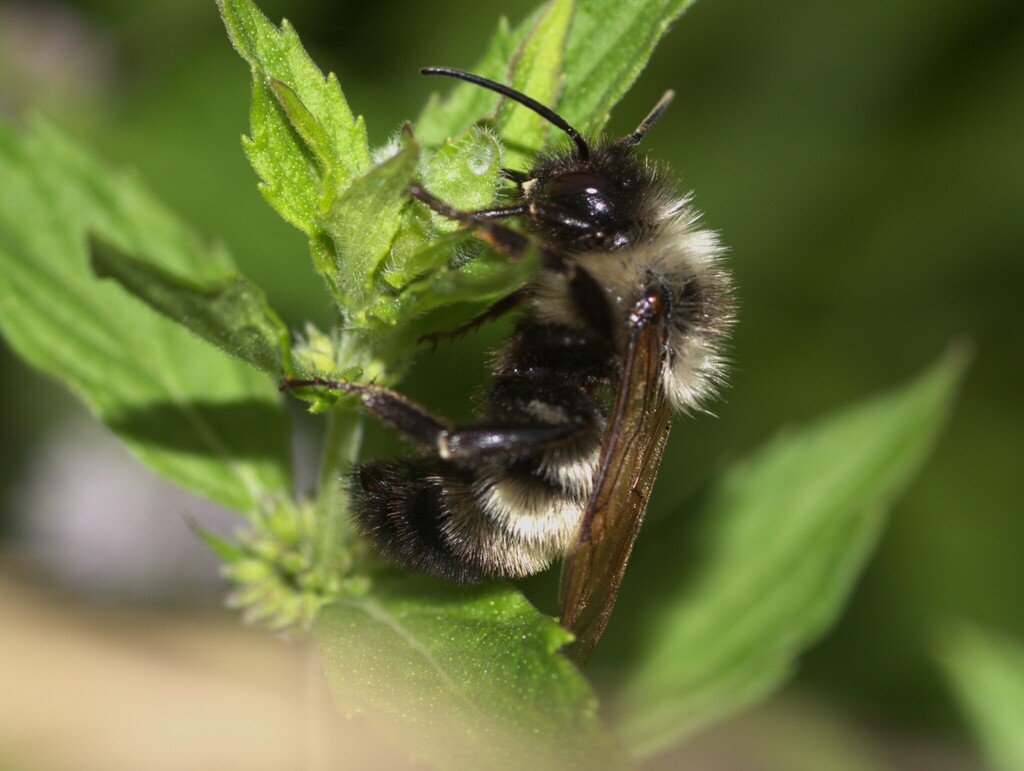
Looking back, I can see how each step made the next one possible. Returning to school gave me the opportunity to do bumblebee research at SUNY Polytechnic Institute. That experience helped prepare me for this internship, where I’ve taken on more responsibility and developed skills I’ll carry into future work.
For our Michigan monkey-flower project, I learned to coordinate survey trips and access to private lands, maintain clear and consistent records, and understand our methods well enough to carry them out independently. A lot goes into making fieldwork happen before you ever arrive at a site, and I’ve come to appreciate that part of the work much more.
I was also fortunate to work with my U.S. Fish and Wildlife Service supervisors Meri and Diana. Along with helping me develop professionally, they were generous about sharing their own experiences: how they approached graduate school, how their careers developed, and what they learned along the way. As someone still finding my way into this field, I really valued being able to ask those questions.
Those conversations helped me move from thinking vaguely about graduate school to actually applying.
My Experience Applying to Graduate Programs:
Graduate school appealed to me for two main reasons. First, many of the research positions I’m interested in call for an advanced degree or the experience that comes with one. I want to develop the skills to design experiments, investigate questions, and use the results to help solve practical problems.
Second, I’m excited to keep learning. Because I came to biology after completing my bachelor’s degree, I haven’t had the same opportunity to take upper-level biology courses that someone following a more traditional path might have. The prospect of studying with people who have spent years working on the subjects I’m interested in (and putting that learning into practice through research) is a big part of why I want to return to school.
I began by exploring labs at Michigan State University. I read about faculty research and reviewed the work of current and former graduate students to get a better sense of what studying in each lab might involve. Then I drafted emails introducing myself, explaining what interested me about their work, and asking whether they expected to take graduate students in the coming application cycle.
Diana gave me some particularly helpful advice during this stage. My early drafts were almost miniature research proposals, outlining questions and projects I thought I might pursue. She encouraged me to focus on what interested me about each lab’s existing research and ask where there might be an opportunity for a master’s project. That helped me approach the conversations with curiosity while still being clear about my interests.
The replies I received were thoughtful and encouraging, including from those who couldn’t offer an opportunity. Some professors didn’t have space in their labs, and others couldn’t commit to taking a student because of funding uncertainty. Finding a graduate position involves timing, resources, and shared research interests.
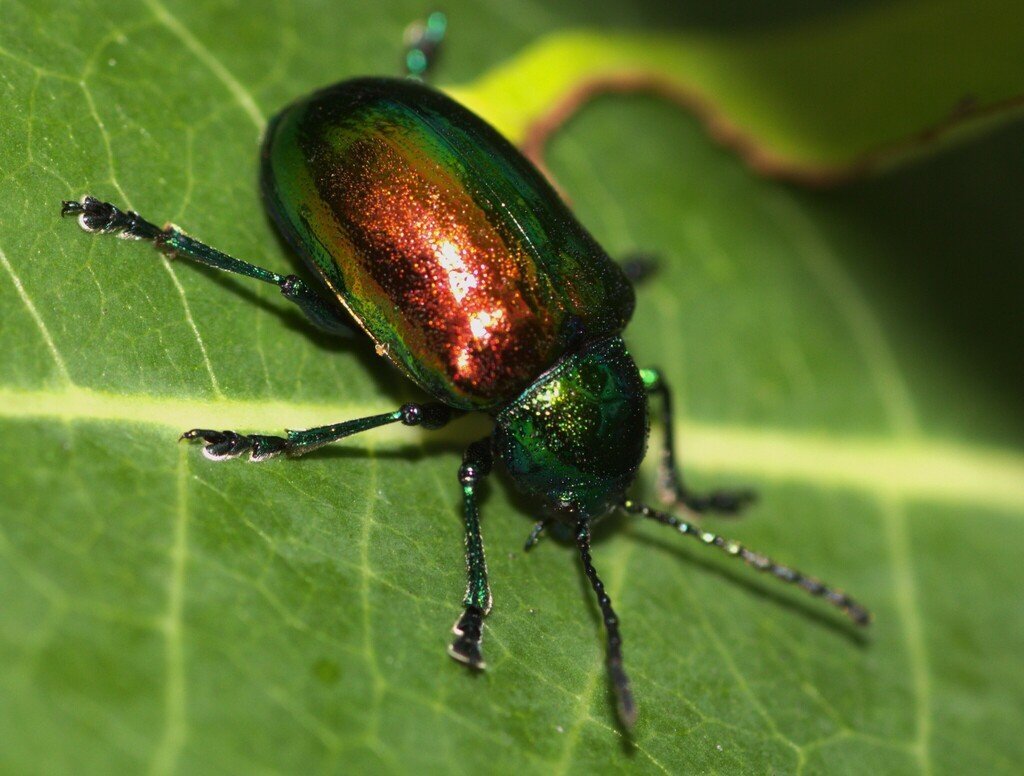
I also met with professors about possible projects, and I’ve now submitted my application to MSU’s M.S. program in Entomology. I hope to work with Dr. Julianna Wilson, whose lab studies pest management and beneficial insects in orchard systems. I’m interested in a project focused on ambrosia beetles in chestnut orchards. These tiny members of the weevil family bore tunnels called “galleries” into wood, where they grow fungi that feed both the adults and their young. They’re essentially tiny fungus farmers! I’m excited by the possibility of studying such an unusual relationship while working on practical questions that matter to chestnut growers.
I’m sharing this because reaching out can feel intimidating, especially when you’re entering a field from a different background. If you’re considering graduate school, don’t be afraid to introduce yourself, ask direct questions, and find out what opportunities might be available. Some conversations won’t lead anywhere, and that’s okay. I’m glad I gave myself the chance.
___________________________________________________
Thank you to everyone who helped make this season possible, shared their knowledge, answered my questions, or made me feel welcome in Michigan. I’ll miss having field trips to these places built into my workweek, but I’m glad I now know more than a few places worth going back to.
No Comments