2025: A Year in Review
Our team

EFTA's people come from all over the world
They bring the skills we need to speak multiple languages (English, Spanish, Portuguese and Mandarin), first-hand understanding of the communities where we work, and a wealth of knowledge about migratory birds and their conservation.
Our Board of Directors

Joni Ellis
Director, Optics for the Tropics

Kimberly Becerril
Graduate Student, Massachusetts Institute of Technology

Guido Berguido
Director, AdoptaBosque, Panama

Anne Law
Senior Director & Counsel, American Institute of Architects

Angela Tringali
Conservation Biologist & Ecologist

Rebecca Safran
Behavioral Evolutionary Ecologist

Anne Zimmerman
US Forest Service, Retired
World Migratory Bird Day
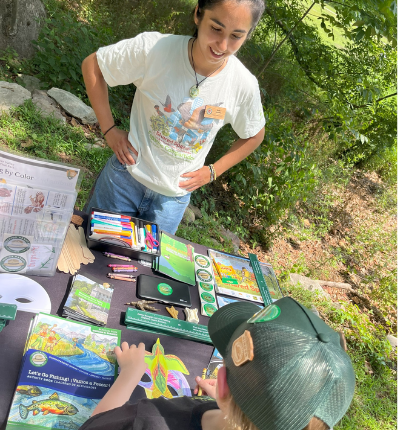
More than 850 World Migratory Bird Day events were registered globally, with peak-day activities particularly prominent in the Americas and the largest number taking place in the United States. Under the theme “Shared Spaces: Creating Bird-Friendly Cities and Communities,” activities highlighted the importance of protecting urban green spaces, reducing light pollution and bird collisions, and promoting bird-friendly urban planning in response to growing urbanization and threats to migratory birds.
On May 10, 2025, the U.S. Senate officially recognized World Migratory Bird Day through bipartisan Senate Resolution 211, led by Senators Heinrich and Boozman. The resolution highlighted the importance of migratory birds, threats to their survival, and the need for continued conservation and public engagement. Representatives Dingell and Cline also introduced the Local Communities & Bird Habitat Stewardship Act, supporting bird-friendly urban planning.


The Global Flyways Partnership includes Environment for the Americas, the Convention on Migratory Species, the East Asian–Australasian Flyway Partnership, and the African Eurasian Waterbird Agreement. Together, we coordinated the development of the annual conservation theme, which focused on creating bird-friendly cities and communities.
Featured artist Annamaria Savarino Drago of Mexico illustrated this year’s poster, featuring ambassador species, threats to migratory birds, and actions communities can take to protect them. The poster was made available in all six United Nations official languages and more than eight additional languages, expanding its reach worldwide. Its illustrations were also adapted for educational materials throughout the year.

Research
In 2025, EFTA expanded monarch and milkweed monitoring across five California Department of War installations, completing approximately 250 site visits—more than double the 2024 baseline. Field crews surveyed 106 unique plots spanning more than 200 acres, significantly expanding the data available to understand monarch habitat use and population trends.
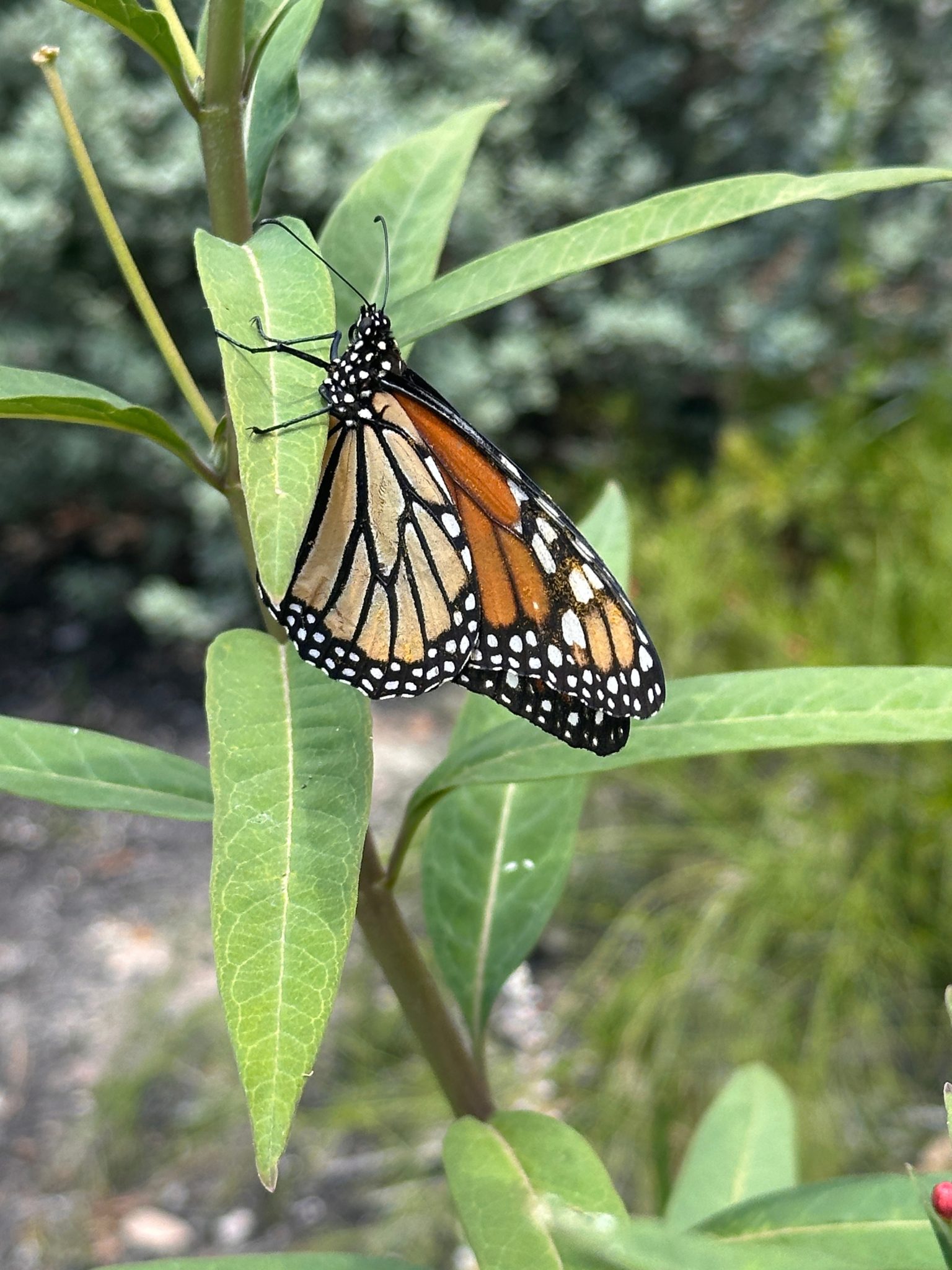
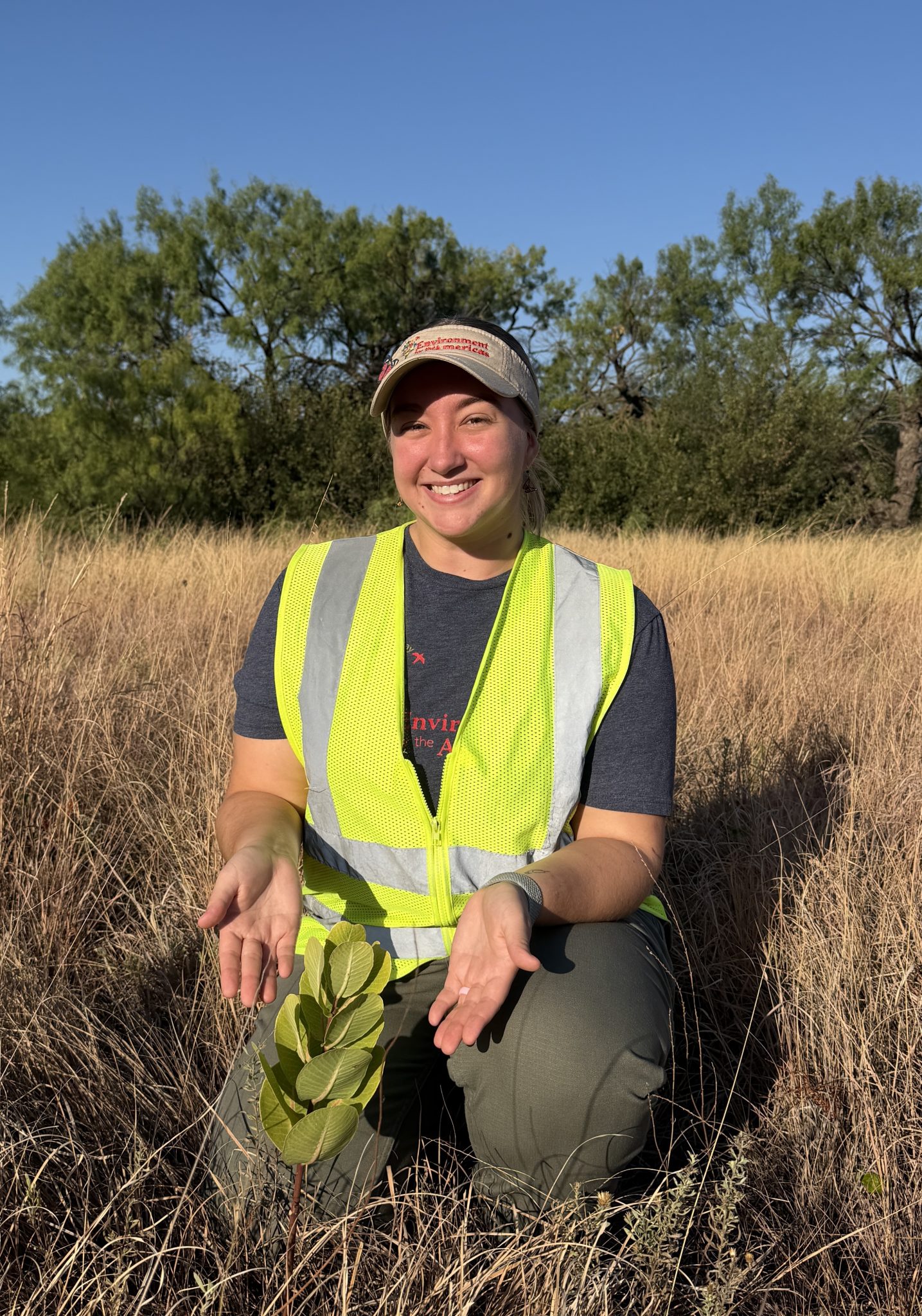
This research provides military installations with actionable data to identify and prioritize monarch habitat, target high-impact conservation efforts, and prepare for potential Endangered Species Act requirements. Longer survey seasons and refined monitoring protocols are also establishing a stronger baseline for tracking changes in monarch populations and habitat conditions as the program expands.
Western Hummingbird Partnership

EFTA facilitates the Western Hummingbird Partnership, connecting biologists and educators across Canada, the United States, and Mexico to advance hummingbird conservation. The partnership supports research, conservation projects, and education while helping land managers and communities protect hummingbird habitat and populations
The Western Hummingbird Partnership and more than 80 partners identified key threats to western migratory hummingbirds and developed strategies to address them, including pesticide use, agricultural impacts, and changing precipitation and humidity.


Connecting our next generation of conservationists is critical to hummingbird conservation, and we develop education materials and programs to make that happen.
Internship Programs

In 2025, Environment for the Americas supported more than 160 interns through programs with the Bureau of Land Management, National Park Service, U.S. Fish and Wildlife Service, and U.S. Forest Service, including Fish & Feathers, the Latino Heritage Internship Program, Resource Assistance Program, Let’s Go Birding, Individual Placements, and placements at Saguaro and Golden Gate National Recreation Areas.
EFTA’s Accessible Birding Internship Program (Let’s Go Birding) received The Corps Network’s 2025 Project of the Year Award. The collaborative program with Birdability and the National Park Service advances inclusion and accessibility in environmental conservation while creating meaningful opportunities for interns and communities.
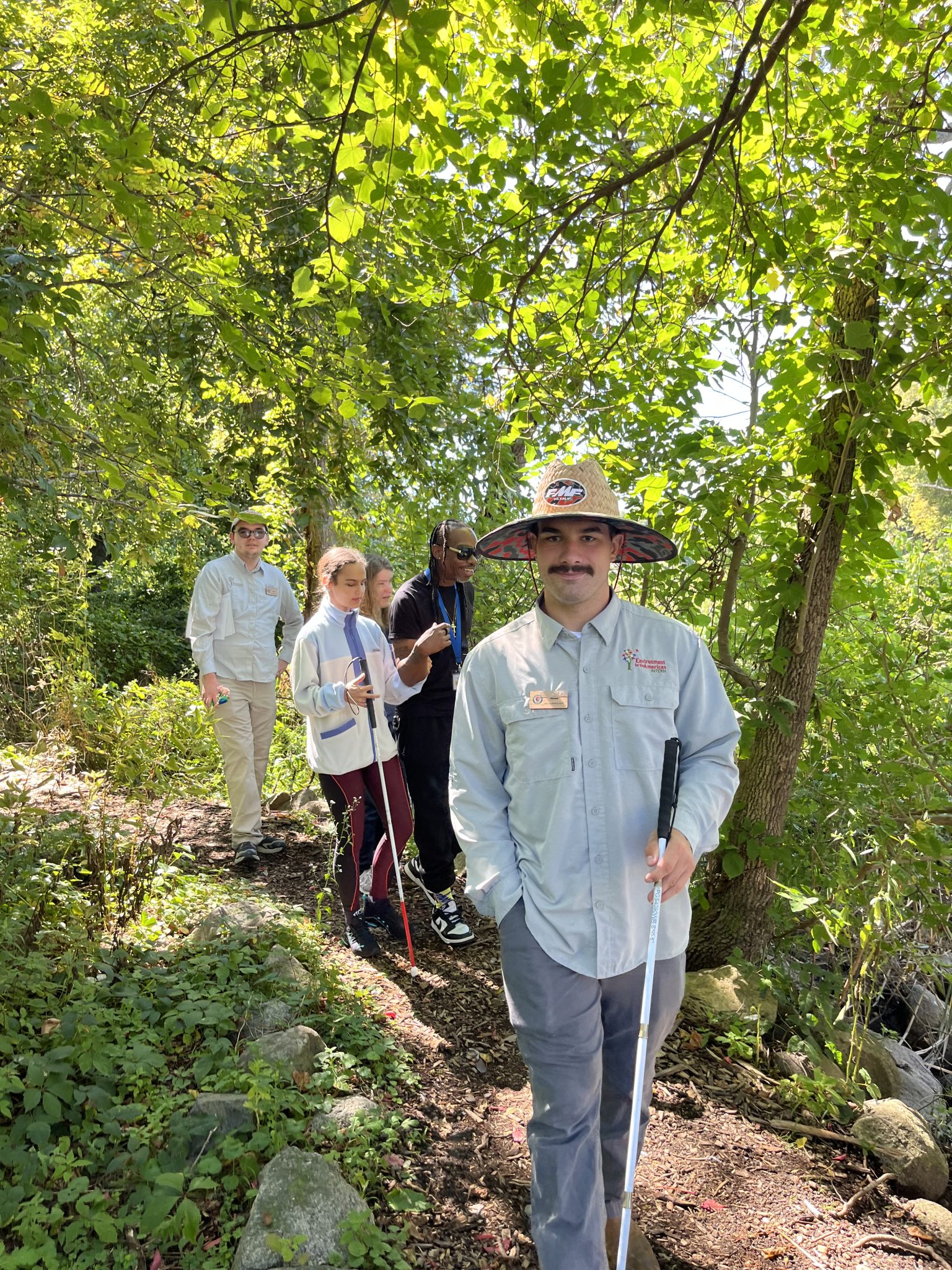

Our internship experiences connect youth to research, education, interpretation, and history.
Bird CIty Network
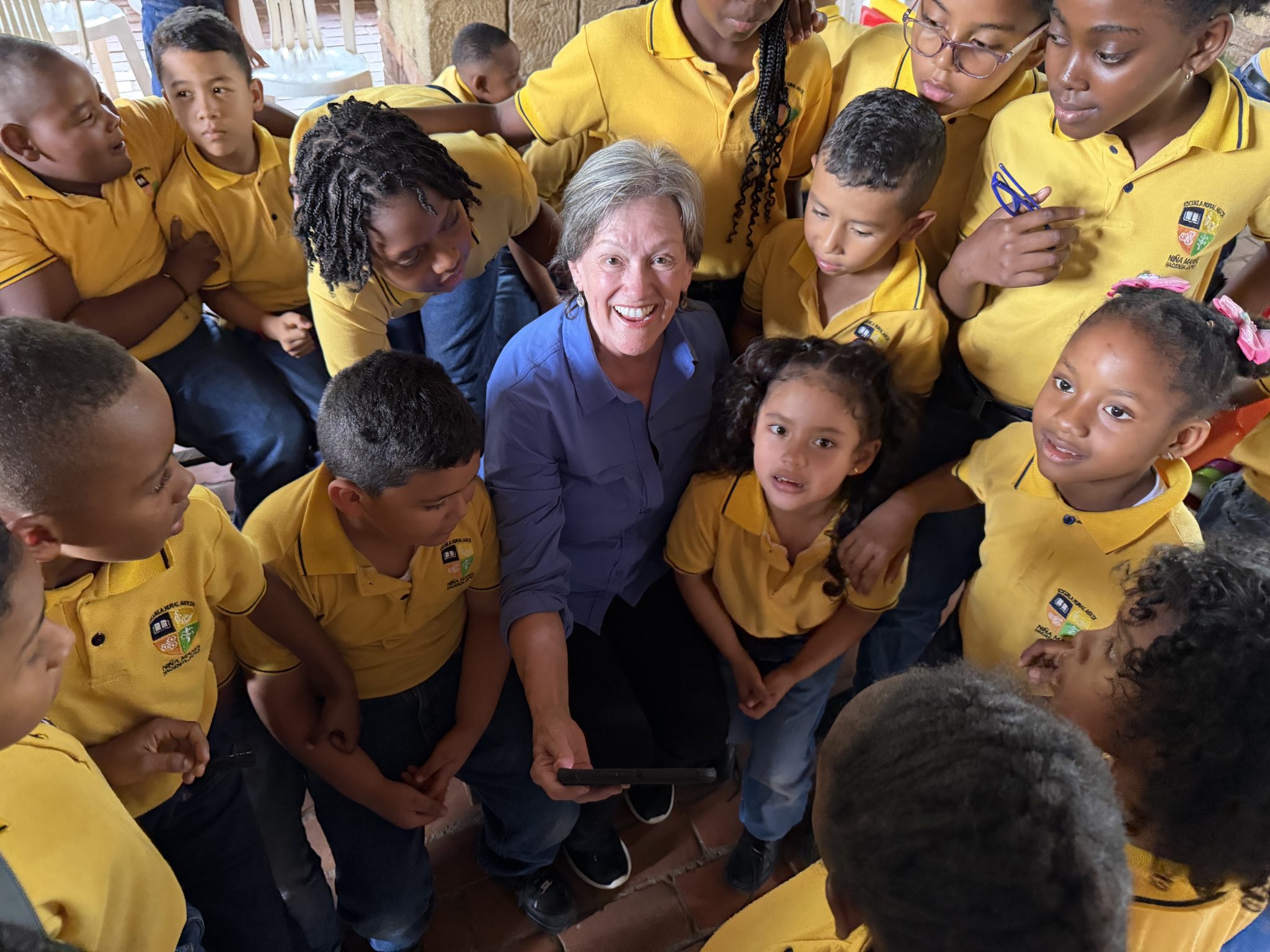
In 2025, EFTA expanded the Bird City Network in Colombia by welcoming 12 new municipalities and recertifying Cali and Santander de Quilichao. EFTA and American Bird Conservancy brought U.S. Bird City leaders together with Colombian municipalities to exchange strategies for protecting bird habitat, reducing threats, and engaging communities in conservation. Through school programs, public events, and World Migratory Bird Day activities, the team reached students, families, and local leaders—strengthening a growing network of communities working together to protect resident and migratory birds.
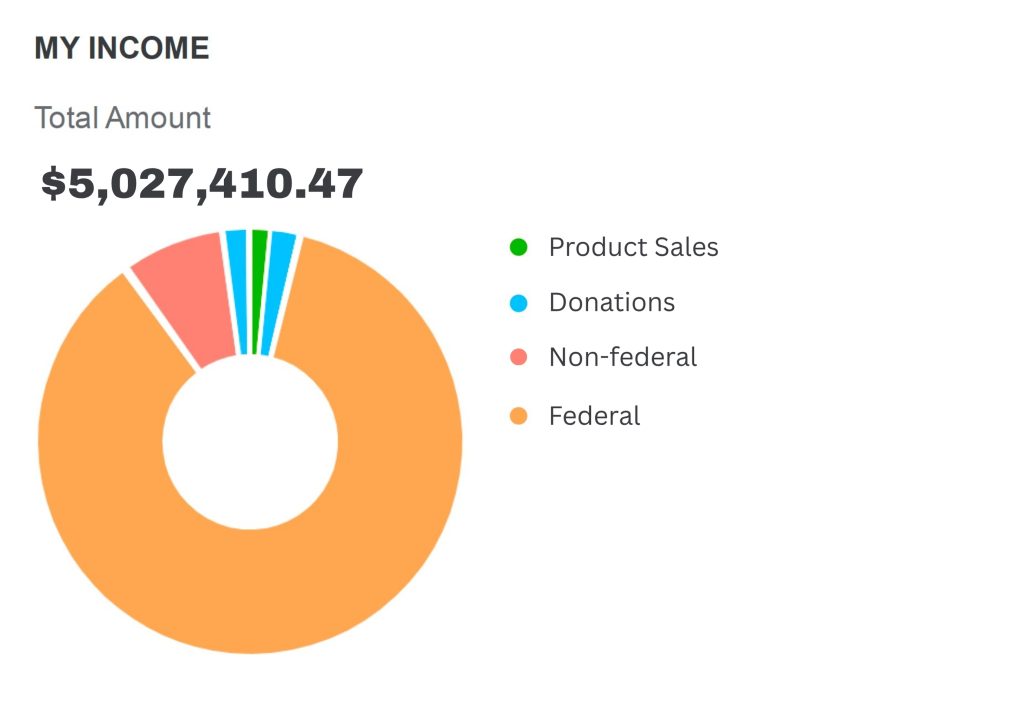
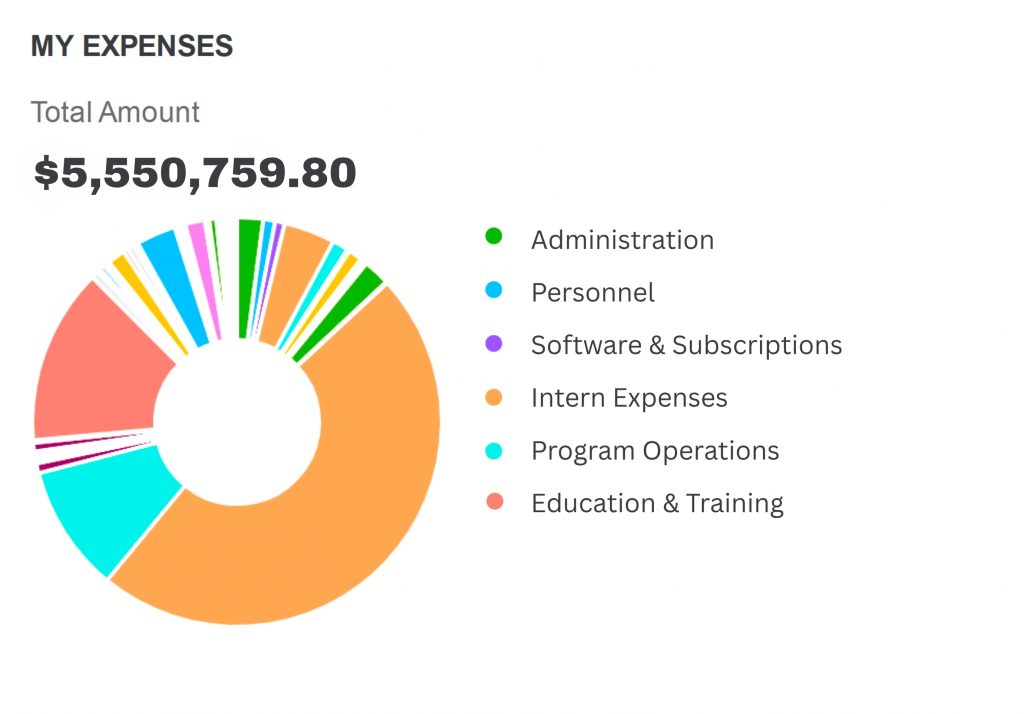
Financials
We donated more than $50,000 worth of educational materials and 280 Event Kits to educators and conservation organizations across the Americas. The kits supported events throughout the Americas flyway, from Canada to Argentina, reaching communities in 24 countries across North, Central, and South America and the Caribbean.


Through our internship programs, we invested over $4,000,000 to connect youth to conservation careers.