Follow the Flowers
Protect the pollinators
Help Environment for the Americas learn where monarchs and hummingbirds travel and protect them where the threats are highest.
Every year, migrating pollinators cross enormous distances by following flowers. Monarch butterflies move through landscapes that offer milkweed and nectar. Western hummingbirds, including Rufous Hummingbirds, travel from breeding areas to wintering grounds and need food and shelter along the way.
Both depend on flowering plants and respond to environmental change as they travel across regions and international borders. When habitats change along their routes, conservationists need reliable information and people on the ground to monitor conditions and respond.
Environment for the Americas has almost 20 years of experience working across flyways to protect migratory birds. Including monarchs in our work, especially given the needs they share with hummingbirds, is a natural extension of that mission. Through both programs, we train early career biologists, support projects that plant pollinator habitat, and work to better understand the migrations of these long-distance travelers.
What we want to learn
We want to learn how the migrations of hummingbirds and monarchs connect, which places and habitats they use along their journeys, and where the threats are highest. With that knowledge, we can target conservation where it is needed most.
Monarch conservation
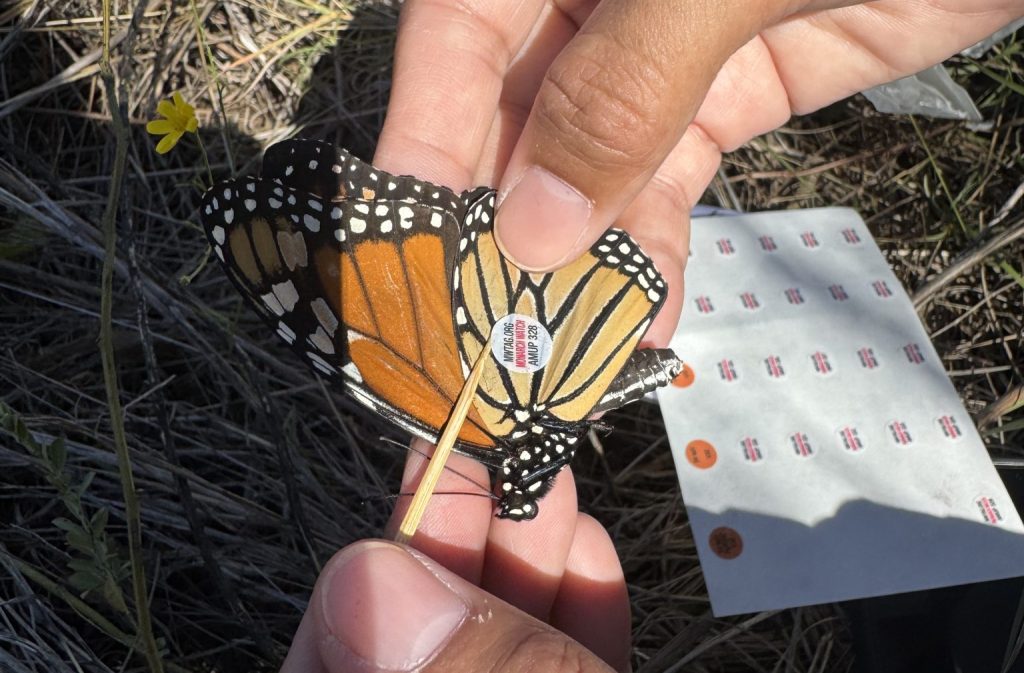
Monarchs need milkweed to raise their young and nectar to fuel their travels. Our monarch work combines pollinator plantings, training for early career biologists, and research on migration.
In 2027, we plan to tag 50 or more monarchs in the Southwest using Cellular Tracking Technologies (CTT) tags. Each tag adds to what we can learn about monarch movement. We cannot guarantee how any individual tag will perform. What we can do is collect information that helps conservationists make better decisions.
Hummingbird conservation and the Western Hummingbird Partnership
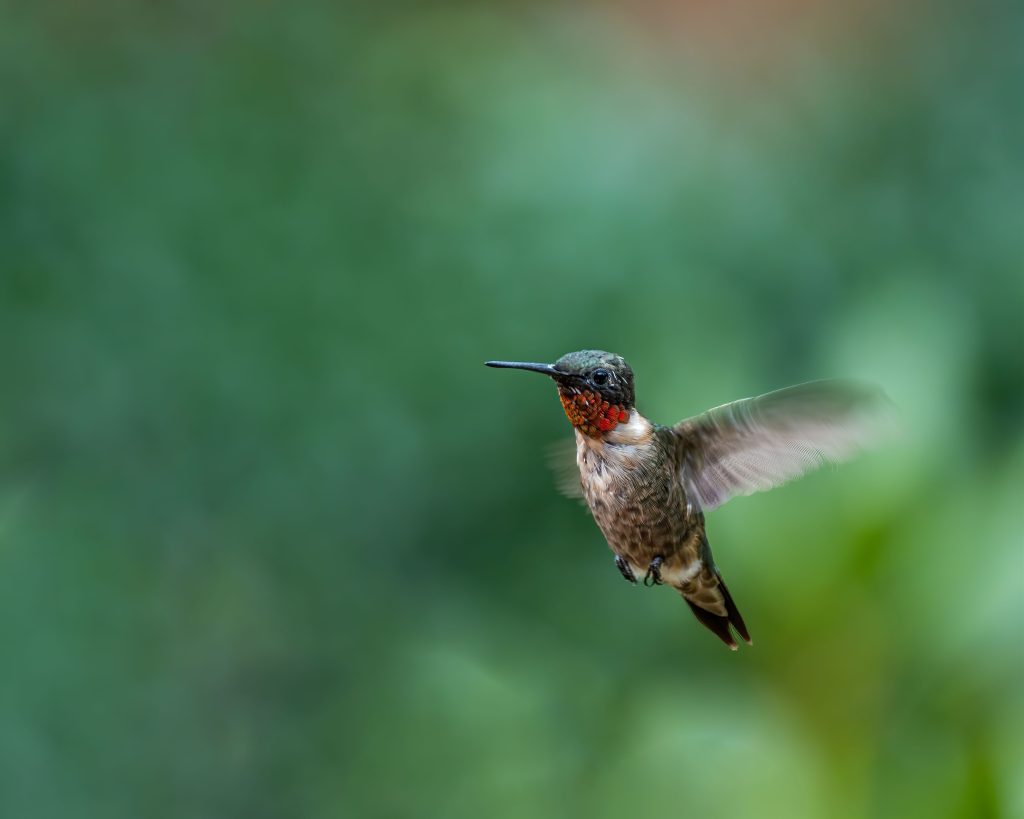
Many western hummingbirds travel between breeding areas, stopover sites, and wintering grounds that cross national borders. No single organization can protect them alone.
The Western Hummingbird Partnership (WHP) is a coalition of researchers, educators, and agencies in Canada, the United States, and Mexico working to conserve western hummingbirds. It formed after a 2009 workshop, and its stated mission is to maintain thriving hummingbird populations in western North America through habitat restoration and enhancement, population monitoring, research, and education and outreach. Environment for the Americas facilitates the partnership. The partnership gives donors a way to support hummingbirds as part of a larger, cross-border effort.
Giving levels
$50: Become a Pollinator Protector Monarchs and hummingbirds depend on flowers, travel long distances, and respond to changes in the places they use. A $50 gift supports EFTA’s pollinator conservation work across both programs, including training for early career biologists, pollinator plantings, and research to understand migration. Pollinator Protector gifts are pooled across both programs. Become a Pollinator Protector.
$100: Hummingbird Helper A $100 gift supports EFTA’s hummingbird conservation efforts by advancing collaborative initiatives across Canada, the United States, and Mexico to identify threats to hummingbirds and inform conservation strategies. This gift is directed to hummingbird conservation. Give $100 for Hummingbirds.
$175: Name a Monarch Your $175 gift covers the cost of one Cellular Tracking Technologies (CTT) tag. You will be assigned a specific monarch and can suggest its name. EFTA may ask for a different name if one is already taken or is not suitable. In March, you will receive a card by mail or email with a link to the monarch map. Tagging will focus on the Southwest, and our 2027 goal is to tag 50 or more monarchs. We cannot promise continuous tracking, guaranteed detections, regular updates, or a specific migration route. Name a Monarch.
Protect the Pollinators
Monarchs and hummingbirds will keep following the flowers. What we learn about their journeys, and what we do with it, depends on the people who support this work. Choose how you want to take part, and help us protect the pollinators.
FAQ
How does my gift support the work? A $50 Pollinator Protector gift is pooled across EFTA’s monarch and hummingbird programs. A $100 Hummingbird Helper gift is directed to hummingbird conservation. A $175 Name a Monarch gift covers one CTT tag.
Will my $50 gift go only to monarchs or only to hummingbirds? No. It is pooled to support EFTA’s pollinator conservation work across both programs.
Will my $100 gift support monarchs? No. It supports EFTA’s hummingbird conservation efforts, including collaborative work through the Western Hummingbird Partnership.
What does the $175 Name a Monarch gift cover? It covers the cost of one CTT tag. You will be assigned a specific monarch and may suggest a name. EFTA may request a different name if one is already in use or is not suitable.
What will I receive, and when? In March, you will receive a card by mail or email with a link to the monarch map.
Can I expect regular updates on my monarch? We cannot promise continuous tracking, guaranteed detections, regular updates, or a specific migration route. The map link shows what the project has recorded.
What is the Western Hummingbird Partnership, and how is EFTA involved? It is a coalition of researchers, educators, and agencies in Canada, the United States, and Mexico working to conserve western hummingbirds. EFTA facilitates the partnership.
Bid on an Original: Echoes in Bloom by Rosana Venturini
A Work of Art for Pollinator Conservation:
Echoes in Bloom by Rosana Venturini
Proceeds support EFTA’s pollinator conservation fundraiser.
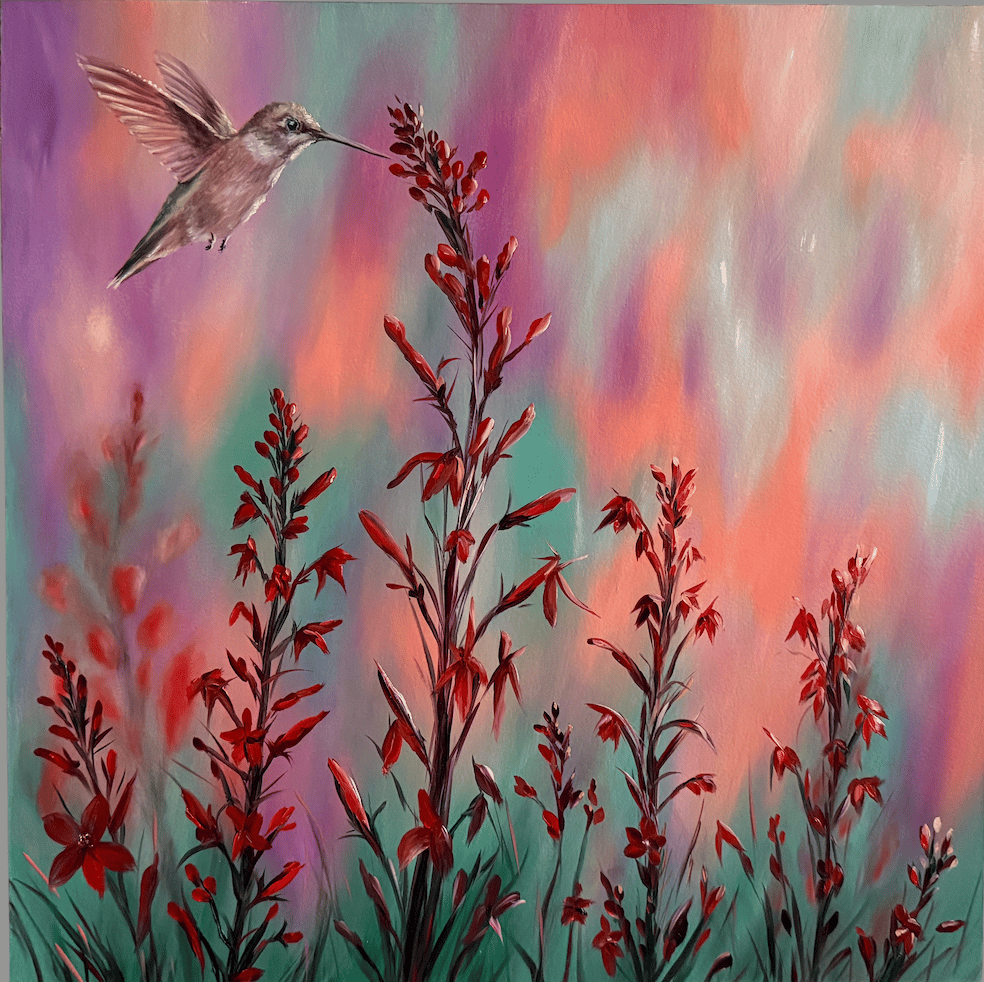
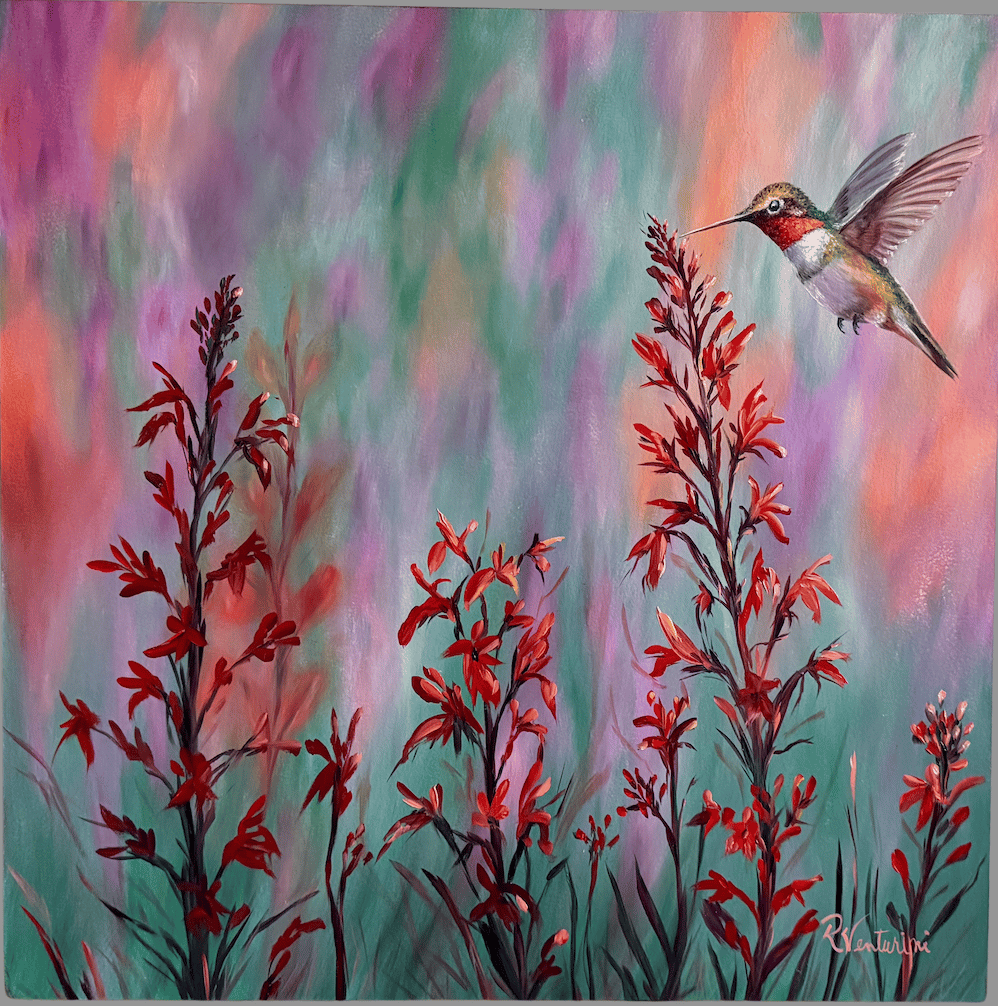
Two square panels, one meadow. Rosana Venturini’s diptych of Broad-tailed Hummingbirds glows with lavender, teal, coral, and rose, and slender red-flowered stems rise through the color. This original oil painting is up for auction from November 1 to December 14, and every dollar supports Environment for the Americas.
About the painting
This painting is a diptych, two panels meant to hang side by side, each carrying part of the same scene. Soft, blended color fills the upper part of each panel, like the light at the edge of a mountain morning. Along the bottom, finely drawn dark stems and grasses climb toward the sky, and their red blossoms draw the eye across both panels. The flowers lead you in, and the hummingbirds that depend on them are the heart of the work.
Details
Medium: Oil paint on wood panel
Size: Two panels, 18 x 18 x 1.5 inches each
Finish: Ready to hang, with dark brown wood edges
Year: 2026
The hummingbird behind the painting
Broad-tailed Hummingbirds nest in the mountains of the western United States and spend winters farther south. On that long migration, they depend on flowers blooming in the right place at the right time.
That western range connects this artwork to the Western Hummingbird Partnership, a collaboration across Canada, the U.S., and Mexico that works to understand threats to hummingbirds and guide their conservation. EFTA facilitates the partnership.
About the artist
For Rosana Venturini, creating art is a journey into the wild. Through each brushstroke, she captures moments of natural beauty that bring viewers closer to the wildlife and landscapes she loves. Her work is more than an expression of beauty. It is a way to inspire action and help protect the natural world. Rosana lives in Boulder, Colorado.
After years of traveling and witnessing wildlife firsthand, including the effects of habitat loss and other threats, Rosana found a meaningful way to contribute to conservation. She now donates 100% of her art sales to organizations working to protect nature and wildlife around the world. She generously donated this painting to support EFTA’s pollinator conservation work.